
Road bikes are built for speed and efficiency on paved roads. This guide explains typical speeds for beginners to pros, factors that influence performance, and how to maximize your ride. Learn what affects velocity and how to ride faster safely.
Key Takeaways
- Average speeds vary widely: Beginners cruise at 10–14 mph, while experienced riders often hit 18–22 mph on flat terrain.
- Elite cyclists go much faster: Professional racers can sustain 25–30 mph in time trials and reach 40+ mph during sprints.
- Bike setup matters: Tire choice, frame fit, and drivetrain maintenance directly impact speed and efficiency.
- Aerodynamics play a big role: Riding position, clothing, and bike design significantly reduce drag and boost speed.
- Training improves performance: Consistent practice, interval workouts, and proper nutrition help you ride faster over time.
- Terrain and weather affect speed: Hills, wind, and road conditions can slow you down—plan accordingly.
- Maintenance is key: A clean, well-lubed drivetrain and properly inflated tires keep your bike rolling smoothly.
How Fast Do Road Bikes Go? A Complete Guide
Ever wondered just how fast a road bike can go? Whether you’re a new rider curious about your potential or an experienced cyclist looking to shave seconds off your time, understanding road bike speed is essential. Road bikes are engineered for speed—lightweight frames, narrow tires, and drop handlebars all help you slice through the air with minimal resistance.
In this guide, you’ll learn the real-world speeds you can expect at different skill levels, what factors influence how fast your bike goes, and practical tips to ride faster and more efficiently. We’ll also cover how to maintain your bike for peak performance and answer common questions about speed on two wheels.
Typical Road Bike Speeds by Rider Level
Speed on a road bike depends heavily on the rider’s fitness, experience, and effort. Here’s a breakdown of average speeds you can expect based on skill level.
Visual guide about How Fast Do Road Bikes Go
Image source: electricbikeexplorer.com
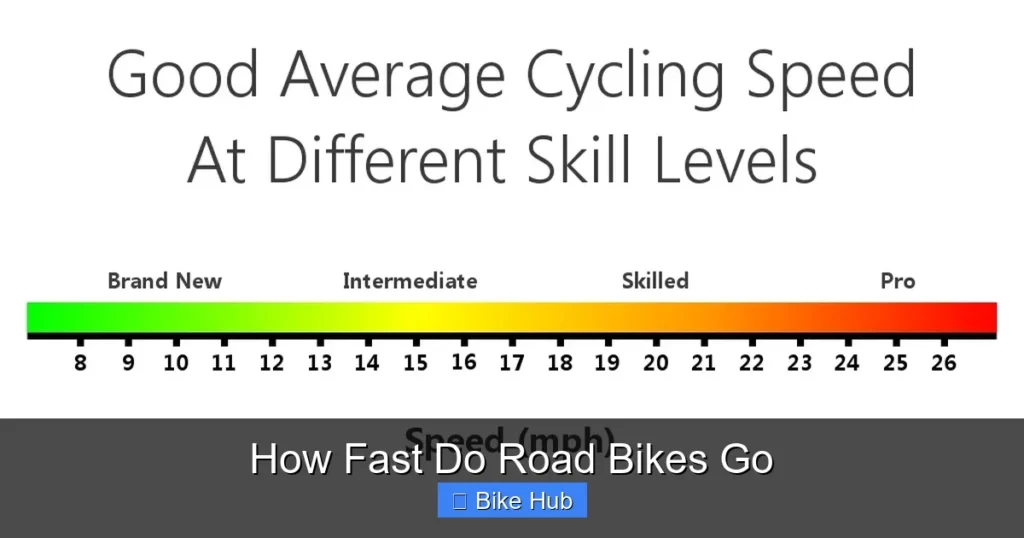
Beginner Riders (10–14 mph)
If you’re new to road cycling, don’t expect to fly right away. Most beginners average between 10 and 14 miles per hour on flat roads. This pace feels comfortable and sustainable for longer rides. At this stage, focus on building endurance and learning proper technique rather than chasing speed.
Intermediate Riders (15–18 mph)
After a few months of regular riding, many cyclists settle into a steady rhythm. Intermediate riders typically cruise at 15 to 18 mph on flat terrain. They’ve developed better pedaling efficiency, can maintain a more aerodynamic position, and often ride in groups, which helps with drafting and motivation.
Advanced and Experienced Riders (18–22 mph)
Seasoned cyclists who train regularly can sustain 18 to 22 mph on flat roads. These riders often participate in group rides or local races and have fine-tuned their fitness and bike setup. They know how to pace themselves and use gear ratios effectively.
Professional Cyclists (25–30+ mph)
At the elite level, speeds increase dramatically. During time trials, pros can hold 25 to 30 mph for an hour or more. In sprint finishes, speeds can exceed 40 mph. These athletes combine world-class fitness, aerodynamic gear, and optimized bikes to achieve incredible performance.
Factors That Affect How Fast Your Road Bike Goes
Your speed isn’t just about how hard you pedal. Several key factors influence how efficiently your bike moves.
Visual guide about How Fast Do Road Bikes Go
Image source: runningshorts.com
Bike Fit and Frame Size
A properly fitted bike helps you ride more efficiently. If your frame is too big or small, you’ll waste energy and risk injury. Use our guide on how to choose the right road bike size to ensure a comfortable, powerful position.
Tire Choice and Pressure
Narrow, high-pressure tires reduce rolling resistance. Choosing the right tire for your riding style and road conditions makes a big difference. Check out how to choose road bike tires for tips on width, tread, and puncture protection. Also, keep tires inflated to the recommended PSI—underinflated tires slow you down.
Aerodynamics
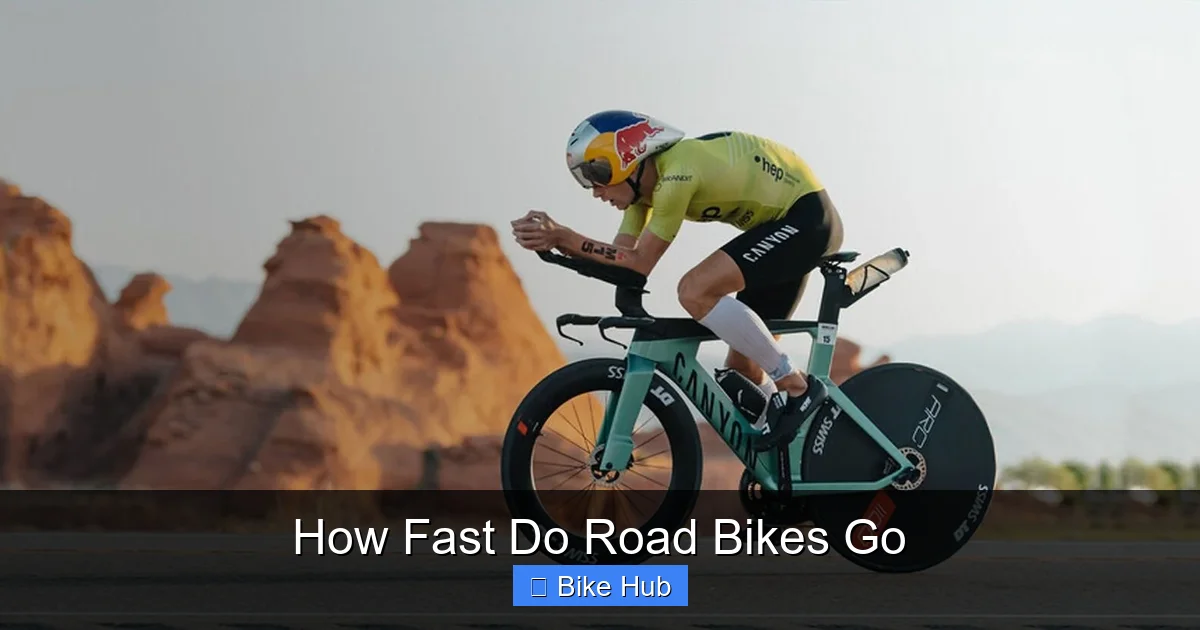
Air resistance is the biggest force you fight at higher speeds. Even small changes can help. Drop your handlebars into the drops, wear tight-fitting clothing, and consider an aero helmet. Your riding position matters more than you think—stay low and smooth.
Weight of the Bike and Rider
Lighter bikes accelerate faster and climb better. Carbon fiber frames and components reduce weight without sacrificing strength. But remember, rider weight has a bigger impact than bike weight on flat roads. Focus on fitness and nutrition to improve power-to-weight ratio.
Terrain and Road Conditions
Flat roads let you go fastest. Hills slow you down, especially steep climbs. Rough pavement, gravel, or wet surfaces increase resistance. Plan your route to match your goals—whether it’s a fast flat ride or a hilly challenge.
Wind and Weather
Headwinds can cut your speed in half. Tailwinds help, but crosswinds require skill to handle. Learn how to ride a road bike in windy conditions to stay safe and maintain momentum.
How to Increase Your Road Bike Speed
Want to go faster? Here’s how to improve your performance step by step.
Improve Your Riding Position
Get into the drops more often. This lowers your torso and reduces wind resistance. Practice riding in this position to build comfort and strength. Adjust your handlebars if needed—see how to set up road bike handlebars for expert tips.
Train Smarter, Not Just Harder
Interval training boosts speed and endurance. Try alternating between high-intensity sprints and recovery periods. For example, sprint for 30 seconds, then pedal easy for 90 seconds. Repeat 6–8 times. Over time, this builds power and stamina. Check out how to train for a road cycling event for structured plans.
Maintain Your Bike Regularly
A well-maintained bike runs smoother and faster. Clean your drivetrain weekly to remove dirt and grime. Use a degreaser and brush, then apply fresh lubricant. Learn how to clean a road bike drivetrain for step-by-step instructions. Also, check brake pads and tire pressure before every ride.
Upgrade Key Components
Consider upgrading to lighter wheels, better tires, or a more aerodynamic frame. Even small changes like switching to tubeless tires can reduce rolling resistance. If you’re using rim brakes, upgrading to disc brakes can improve control and confidence at high speeds.
Ride in a Group
Drafting behind other riders cuts wind resistance by up to 30%. This lets you conserve energy and go faster with less effort. Join a local cycling club or group ride to practice drafting safely.
Troubleshooting Common Speed Issues
Even with the best setup, you might hit speed plateaus. Here’s how to fix common problems.
Feeling Slow Despite Effort?
Check your tire pressure. Underinflated tires create drag. Also, inspect your drivetrain—dirty or dry chains waste energy. Clean and lube your chain regularly.
Bike Feels Unstable at High Speeds?
This could be due to improper bike fit or loose components. Make sure your wheels are securely fastened and your headset isn’t loose. If the problem persists, visit a bike shop for a professional fitting.
Can’t Keep Up on Hills?
Climbing requires different gearing and technique. Use lower gears to maintain a steady cadence. Stand up occasionally to use your body weight, but don’t overdo it. For tips, read how to climb hills on a road bike.
Conclusion
So, how fast do road bikes go? The answer depends on you. Beginners can expect 10–14 mph, while advanced riders often hit 20+ mph. Pros reach even higher speeds with elite training and gear. But no matter your level, you can ride faster by improving your fitness, optimizing your bike setup, and maintaining your equipment.
Remember, speed isn’t everything—enjoyment and safety matter too. Focus on consistent progress, and the gains will come. With the right knowledge and effort, you’ll be flying down the road in no time.



