
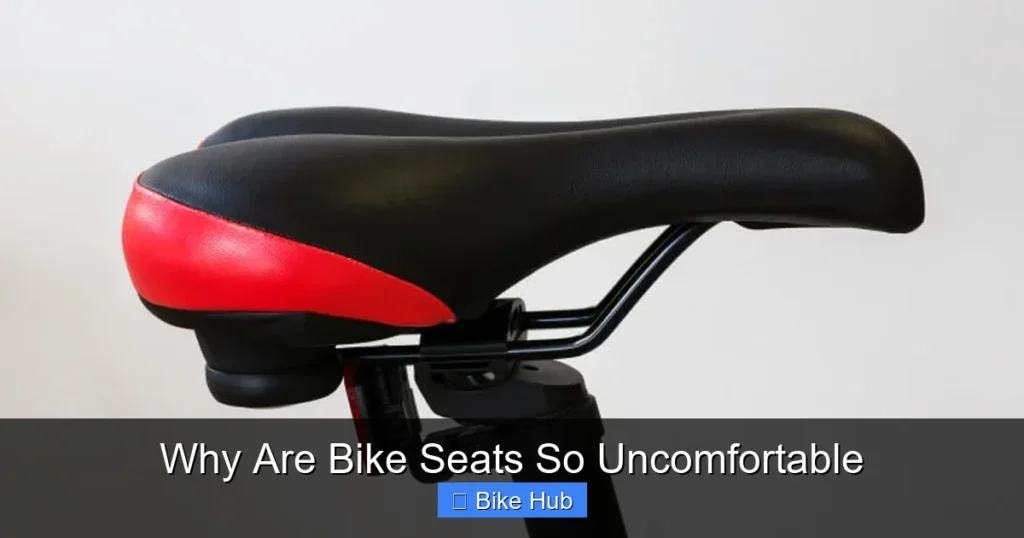
Bike seats are often uncomfortable due to poor fit, incorrect riding posture, or inadequate padding. This guide explains the root causes and offers actionable solutions to help you ride longer and more comfortably.
Key Takeaways
- Poor saddle fit is the #1 cause of discomfort: A seat that’s too wide, narrow, or angled incorrectly can cause pain in your sit bones, groin, or lower back.
- Padding isn’t always better: Too much cushioning can lead to chafing and numbness by shifting pressure to soft tissues instead of your sit bones.
- Proper bike fit matters more than seat type: Adjusting saddle height, fore-aft position, and handlebar reach can dramatically improve comfort.
- Your riding position affects pressure distribution: Leaning too far forward or sitting upright changes where your body bears weight on the saddle.
- Shorts with chamois padding make a big difference: Quality cycling shorts reduce friction and absorb sweat, enhancing saddle comfort significantly.
- Breaking in a new saddle takes time: Most saddles need 50–100 miles of riding to conform to your body—don’t judge too quickly.
- Core strength and posture play a role: Weak core muscles force more weight onto the saddle, increasing discomfort over time.
Why Are Bike Seats So Uncomfortable? A Complete Guide to Saddle Pain Relief
If you’ve ever hopped off your bike after a ride with sore sit bones, numbness, or chafing, you’re not alone. Millions of cyclists—beginners and pros alike—struggle with uncomfortable bike seats. But here’s the good news: most saddle discomfort isn’t inevitable. With the right knowledge and adjustments, you can turn that painful perch into a comfortable command center for your rides.
In this guide, we’ll break down exactly why bike seats feel so uncomfortable, what’s really going on beneath you, and how to fix it—step by step. Whether you’re commuting, mountain biking, or training for a triathlon, these tips will help you ride farther, faster, and without pain.
Understanding the Anatomy of Saddle Discomfort
Visual guide about Why Are Bike Seats So Uncomfortable
Image source: charlestonbikeshare.com
Before we fix the problem, let’s understand it. Bike seat discomfort usually stems from three main issues: pressure, friction, and poor alignment.
Your sit bones (ischial tuberosities) are designed to bear weight—but only when properly supported. When a saddle is too soft, too wide, or poorly positioned, pressure shifts from these bony points to soft tissues like nerves and blood vessels. This leads to numbness, tingling, or even long-term issues like erectile dysfunction in men.
Friction from movement between your body and the saddle—especially without proper clothing—causes chafing and saddle sores. And if your bike isn’t fitted to your body, your posture forces unnatural pressure points, leading to back, neck, or hip pain.
Common Symptoms of an Uncomfortable Saddle
- Numbness in the groin or hands
- Sore or bruised sit bones
- Chafing or skin irritation
- Lower back pain
- Knee or hip discomfort
If you’re experiencing any of these, don’t ignore them. They’re signals that your setup needs adjustment.
Step 1: Choose the Right Saddle for Your Body
Visual guide about Why Are Bike Seats So Uncomfortable
Image source: charlestonbikeshare.com
Not all saddles are created equal—and neither are riders. The first step to comfort is selecting a seat that matches your anatomy.
Measure Your Sit Bone Width
Most bike shops offer sit bone measurement tools, or you can do it at home using corrugated cardboard and a soft surface. Sit firmly on the cardboard for 30 seconds, then measure the distance between the centers of the two impressions left by your sit bones.
- Narrow (10–12 cm): Look for saddles under 130mm wide
- Medium (12–14 cm): Ideal for saddles 130–145mm wide
- Wide (14+ cm): Choose saddles over 145mm wide
A saddle that’s too narrow won’t support your sit bones. One that’s too wide can cause inner thigh rubbing and inefficient pedaling.
Consider Saddle Shape and Cutouts
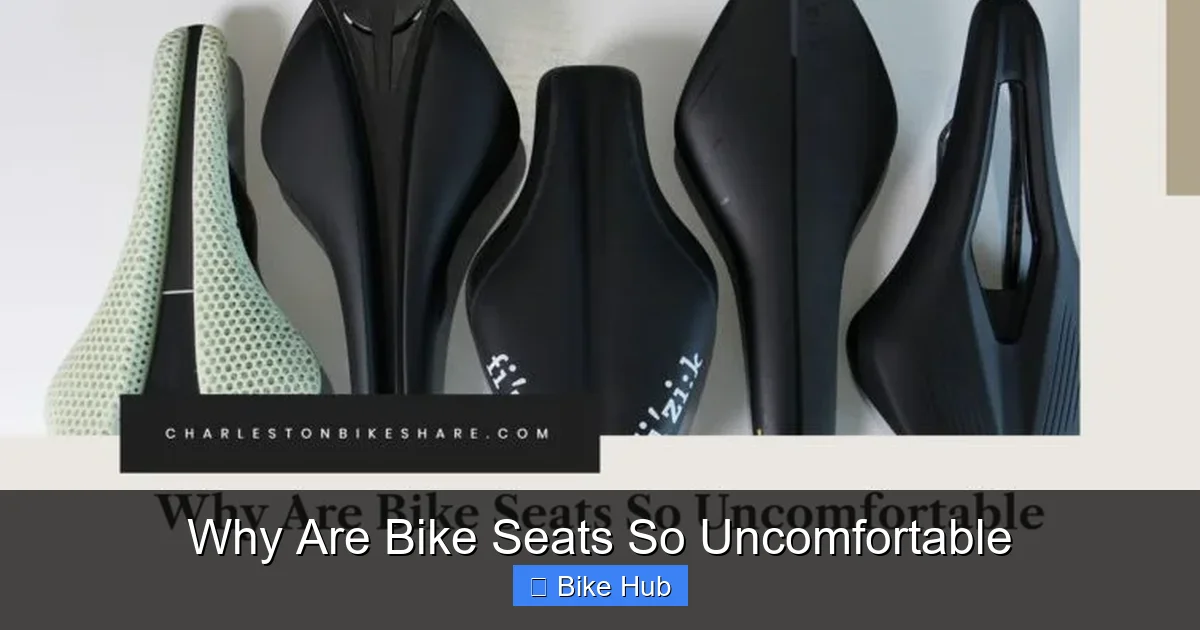
Modern saddles come in various shapes: flat, curved, or with central cutouts. A cutout or groove reduces pressure on the perineum (the area between your sit bones), which helps prevent numbness.
For example, if you ride in a leaned-forward position (like on a road bike), a narrow saddle with a cutout may work best. If you sit more upright (commuter or hybrid bike), a wider, flatter saddle might be more comfortable.
Material Matters—But Not How You Think
Leather saddles (like Brooks) mold to your body over time but require maintenance. Synthetic saddles are lighter and weather-resistant but may not offer the same long-term comfort. Gel padding feels soft at first but often compresses over time, shifting pressure to soft tissues.
Pro Tip: Avoid “ultra-cushioned” saddles. They feel great in the store but cause more problems on long rides. Instead, opt for firm support with minimal padding.
For more on maintaining leather saddles, check out our guide on how to clean a leather bike saddle.
Step 2: Adjust Your Saddle Position
Even the best saddle won’t help if it’s in the wrong position. Small adjustments can make a huge difference.
Set the Correct Saddle Height
Your leg should be almost fully extended at the bottom of the pedal stroke, with a slight bend (about 25–30 degrees). Too high? You’ll rock your hips. Too low? You’ll strain your knees.
Use the heel method: sit on the saddle and place your heel on the pedal at its lowest point. Your leg should be straight. When you switch to the ball of your foot, there should be a natural bend.
Adjust Fore-Aft Position (Saddle Setback)
This controls how far forward or back your saddle sits. A common method is the “knee over pedal spindle” (KOPS) rule: when the crank is horizontal, your forward knee should align vertically with the pedal axle.
Too far forward? You’ll feel pressure on your hands and wrists. Too far back? You’ll overload your sit bones and lower back.
Level the Saddle Angle
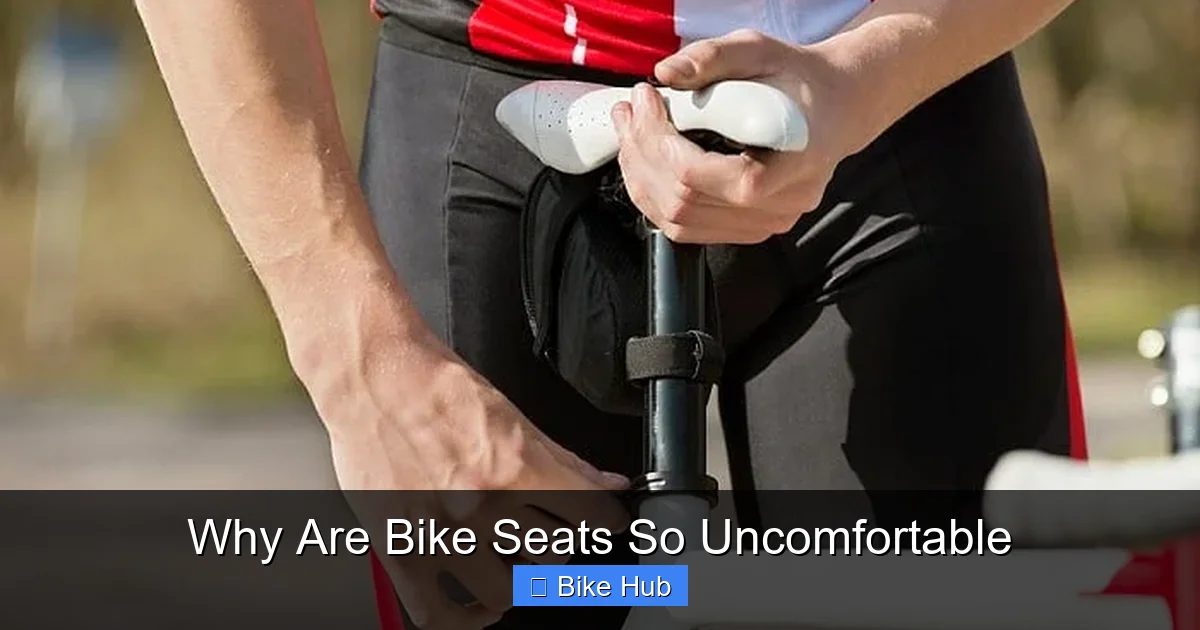
Most saddles should be level—or slightly tilted down (no more than 2–3 degrees). A nose-down tilt reduces groin pressure. A nose-up tilt can cause you to slide forward, increasing hand and wrist strain.
Use a smartphone level app to check. Small adjustments matter—even 1 degree can change comfort.
Step 3: Wear the Right Cycling Shorts
Your saddle and bike fit are only part of the equation. What you wear matters just as much.
Cycling shorts with a built-in chamois (padding) reduce friction, wick sweat, and provide subtle cushioning. Unlike regular underwear, chamois is designed to stay in place and prevent chafing.
Choose the Right Chamois
- Thin chamois: Best for racing or short rides
- Thick chamois: Better for long-distance or endurance rides
- Women-specific designs: Offer better anatomical fit for female riders
Never wear underwear beneath cycling shorts—it creates seams and increases friction.
For long rides, consider applying chamois cream to reduce irritation. It’s a game-changer for multi-hour adventures.
Step 4: Improve Your Riding Posture and Core Strength
Your body position on the bike affects how weight is distributed. Leaning too far forward increases pressure on your hands and groin. Sitting too upright shifts too much weight to your sit bones.
Engage Your Core
A strong core helps you maintain a stable position without relying solely on your arms and saddle for support. Try planks, bridges, and cycling-specific core exercises to build endurance.
Adjust Handlebar Reach and Height
If your handlebars are too low or far away, you’ll stretch too far, increasing saddle pressure. Raising the stem or using a shorter stem can help you sit more upright and reduce strain.
Mountain bikers, for instance, often benefit from a more upright position on technical trails. Check out our guide to preparing a mountain bike for long rides for more on optimizing your setup.
Step 5: Break In Your Saddle Gradually
New saddles often feel stiff or uncomfortable at first. Don’t give up too soon—most need 50 to 100 miles to break in.
Start with short rides (15–30 minutes) and gradually increase duration. Your body will adapt, and the saddle will conform to your shape.
If pain persists after 2–3 weeks, reassess fit or consider a different model.
Troubleshooting Common Saddle Issues
Numbness in the Groin or Hands?
This is usually due to excessive pressure on nerves. Try a saddle with a cutout, lower the nose slightly, or raise the handlebars to reduce forward lean.
Sore Sit Bones?
Your saddle may be too hard or too high. Lower the seat slightly and ensure it’s level. Consider a wider saddle if your sit bones aren’t fully supported.
Chafing or Saddle Sores?
This is often caused by friction. Wear proper shorts, apply chamois cream, and ensure your saddle isn’t too wide (causing thigh rub).
Lower Back Pain?
Your saddle may be too high or too far back. Adjust fore-aft position and check core strength. Stretching your hips and hamstrings can also help.
When to Upgrade Your Saddle
If you’ve tried all the adjustments and still experience pain, it may be time for a new saddle. Look for models designed for your riding style:
- Road biking: Narrow, lightweight, with minimal padding
- Mountain biking: Durable, with extra protection and a cutout
- Commuting: Wider, more cushioned, often with suspension
- Recreational riding: Comfort-focused with ergonomic shapes
Brands like Selle Royal, Fizik, and WTB offer a range of options. Many shops let you test saddles before buying—take advantage of demo programs.
For commuters, a waterproof bike saddle can add comfort and durability in all weather.
Conclusion: Comfort Is Achievable
So, why are bike seats so uncomfortable? Often, it’s not the seat itself—it’s the fit, your gear, or your riding style. By choosing the right saddle, adjusting your bike properly, wearing appropriate clothing, and building core strength, you can eliminate most discomfort.
Remember: comfort isn’t about softness. It’s about support, alignment, and balance. Take the time to dial in your setup, and your rides will become more enjoyable, longer, and pain-free.
Start with small changes—adjust your saddle angle, try new shorts, or measure your sit bones. You’ll be amazed at the difference.
Happy riding!



