
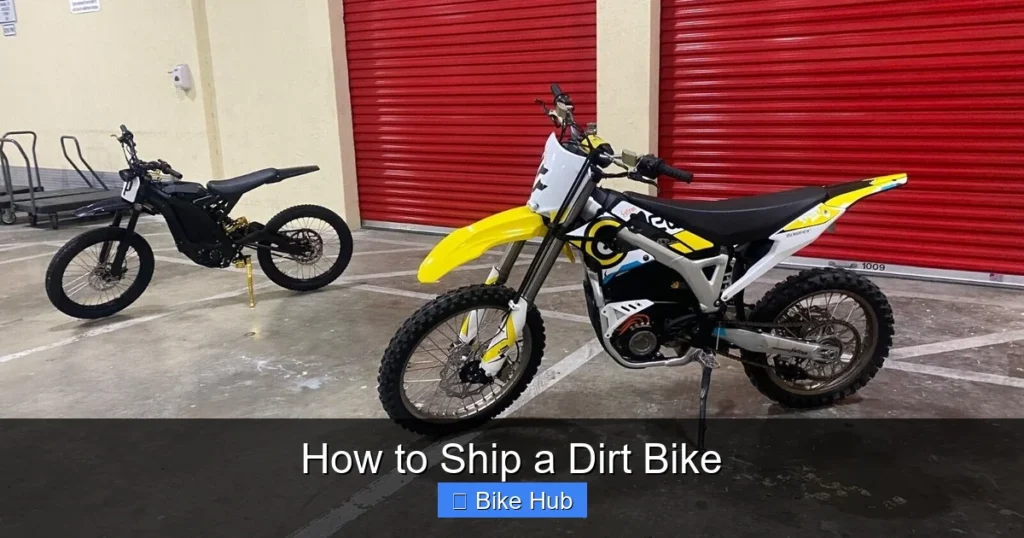
Shipping a dirt bike doesn’t have to be stressful or expensive. This guide walks you through every step—from prep to delivery—so your bike arrives safely. Whether you’re moving, selling, or heading to a race, we’ve got you covered.
Key Takeaways
- Choose the right shipping method: Compare freight carriers, enclosed trailers, and professional motorcycle shippers to find the best fit for your budget and timeline.
- Prepare your bike properly: Drain fluids, secure loose parts, and document the condition with photos to avoid damage claims later.
- Use a sturdy crate or pallet: A well-built wooden crate or reinforced pallet protects your dirt bike during transit and meets carrier requirements.
- Insure your shipment: Always opt for shipping insurance—most carriers offer basic coverage, but third-party options provide better protection.
- Label everything clearly: Include your contact info, destination address, and “Fragile” markings to ensure smooth handling.
- Track your shipment: Use real-time tracking tools provided by the carrier to monitor progress and coordinate delivery.
- Unpack and inspect immediately: Check for damage as soon as the bike arrives and report issues within the carrier’s claim window.
How to Ship a Dirt Bike: A Complete Step-by-Step Guide
So you’ve got a dirt bike that needs to go the distance—whether it’s heading to a new owner across the country, traveling to a race weekend, or moving with you to a new home. Shipping a dirt bike might seem intimidating at first, but with the right preparation and know-how, it’s totally doable—and affordable. In this guide, we’ll walk you through everything you need to know to ship your dirt bike safely, securely, and without breaking the bank.
You’ll learn how to prep your bike, choose the best shipping method, pack it properly, and avoid common pitfalls. By the end, you’ll feel confident handing over your two-wheeled companion to a carrier, knowing it’ll arrive in one piece.
Step 1: Choose the Right Shipping Method
Visual guide about How to Ship a Dirt Bike
Image source: coloringlib.com
Not all shipping options are created equal. Your choice depends on budget, speed, and how much protection you want for your bike.
Freight Shipping (LTL – Less Than Truckload)
This is the most common and cost-effective way to ship a dirt bike. Companies like FedEx Freight, UPS Freight, and YRC Freight offer LTL services that transport your bike alongside other shipments. It’s reliable, widely available, and usually includes basic insurance.
Enclosed Trailer or Motorcycle Carrier
For maximum protection, especially for high-value or vintage bikes, consider an enclosed trailer service. These specialize in motorcycles and often provide door-to-door delivery. While pricier, they reduce exposure to weather and road debris.
Peer-to-Peer Shipping Platforms
Websites like uShip or CitizenShipper connect you with independent drivers who can transport your bike. You can compare quotes and read reviews, which helps you find a trusted driver at a competitive rate.
DIY Transport (If Feasible)
If you’re moving locally or regionally, renting a trailer and hauling the bike yourself might save money. Just make sure your vehicle can handle the load and that the bike is secured properly.
> 💡 Pro Tip: Always get at least three quotes before deciding. Prices can vary widely based on distance, season, and carrier.
Step 2: Prepare Your Dirt Bike for Shipping
Visual guide about How to Ship a Dirt Bike
Image source: wallpapers.com
A little prep goes a long way in preventing damage and ensuring smooth transit.
Drain Fluids (But Not Completely)
Most carriers require you to drain fuel to ¼ tank or less—enough to run the engine if needed, but not enough to pose a fire risk. You don’t need to drain oil or coolant unless specified by the carrier.
> ⚠️ Warning: Never ship a bike with a full tank of gas. It’s a major safety hazard and will likely result in your shipment being rejected.
Remove or Secure Loose Parts
Take off mirrors, handlebars (if possible), and any aftermarket accessories like lights or GPS units. Wrap them separately and label them. If you can’t remove the handlebars, use zip ties or foam padding to keep them from moving.
Clean the Bike
A clean bike is easier to inspect and less likely to attract pests or corrosion during transit. Plus, it shows respect for the carrier and the recipient.
Document the Condition
Take clear photos of your bike from all angles—front, back, sides, and close-ups of any existing scratches or dents. This creates a visual record in case of damage claims later.
Disable the Battery
Remove the battery or disconnect the negative terminal to prevent electrical issues. Store the battery separately in a sealed, non-conductive container.
> 🔧 Need help with bike maintenance? Check out our guide on how to maintain a road bike for tips on keeping your ride in top shape—even when it’s not being ridden.
Step 3: Pack Your Dirt Bike Securely
Proper packaging is critical. A poorly packed bike can shift during transit and get damaged—even if the carrier handles it carefully.
Use a Sturdy Crate or Pallet
The best option is a custom-built wooden crate. You can buy pre-made ones online or build your own using 2x4s and plywood. Make sure the interior is padded with foam or cardboard to prevent scratches.
If a full crate isn’t feasible, at minimum, place the bike on a pallet and wrap it tightly in heavy-duty plastic and bubble wrap. Secure it with ratchet straps—don’t rely on duct tape alone.
Protect Key Components
– Wrap the exhaust and engine in protective sleeves.
– Use foam tubing on the forks and handlebars.
– Cover the seat and tank with a soft cloth or moving blanket.
Secure the Bike to the Pallet
Use high-quality ratchet straps to anchor the bike at multiple points—frame, wheels, and swingarm. Avoid strapping directly to plastic parts, which can crack under pressure.
> 📦 Pro Tip: Place a piece of plywood under the wheels to prevent them from sinking into the pallet during transport.
Seal and Label the Package
Once wrapped and strapped, seal the entire unit with plastic wrap to keep out dust and moisture. Then, label it clearly with:
– Your name and contact info
– Recipient’s name and address
– “Fragile” and “This Side Up” stickers
Step 4: Choose Insurance and Track Your Shipment
Even with perfect packing, accidents happen. That’s why insurance is non-negotiable.
Understand Carrier Insurance
Most freight carriers include basic liability coverage (often $0.50–$1.00 per pound). For a 200-pound dirt bike, that’s only $100–$200—nowhere near replacement value.
Buy Additional Coverage
Upgrade to full-value protection or purchase third-party insurance through companies like U-PIC or Parcel Insurance. This ensures you’re covered for the full market value of your bike.
Track Your Shipment
Once your bike is picked up, you’ll receive a tracking number. Use it to monitor progress online. Set up alerts so you’re notified of delays or delivery updates.
> 📱 Bonus: Some carriers offer mobile apps for real-time tracking—download it for convenience.
Step 5: Receive and Inspect Your Bike
When your dirt bike arrives, don’t just sign and walk away.
Inspect Before Unloading
Check the crate or wrapping for signs of damage—dents, tears, or moisture. If anything looks off, note it on the delivery receipt before the driver leaves.
Unpack Carefully
Remove straps and wrapping slowly. Look for loose parts, scratches, or mechanical issues.
Test Functionality
Reconnect the battery, add fuel if needed, and start the engine. Check that lights, brakes, and suspension work properly.
> 🛠️ Found a flat tire? Our guide on how to repair a flat bike tire can help you get back on track quickly.
If you spot damage, take photos immediately and file a claim with the carrier within their specified window (usually 5–15 days).
Troubleshooting Common Shipping Issues
Bike Arrives Damaged
Don’t panic. Document everything, contact the carrier, and file a claim. Having pre-shipment photos makes this process much smoother.
Delayed Delivery
Weather, holidays, or logistical backups can cause delays. Stay in touch with the carrier and adjust your plans accordingly.
Lost Shipment
While rare, it happens. Use your tracking number to locate the package. Most carriers will launch an investigation within 24–48 hours.
High Shipping Costs
To save money:
– Ship during off-peak seasons (avoid summer and holidays).
– Compare multiple carriers.
– Consider terminal-to-terminal delivery instead of door-to-door.
> 🌧️ Shipping in bad weather? Learn how to prepare for a rainy bike race—many of the same principles apply to protecting your bike from the elements.
Final Thoughts
Shipping a dirt bike doesn’t have to be a headache. With careful planning, the right carrier, and proper packaging, your bike will arrive safely—whether it’s crossing state lines or heading to a new owner. Remember: prep is everything. Drain the fuel, protect the parts, insure the shipment, and document the condition.
By following this guide, you’ll avoid common mistakes and enjoy peace of mind knowing your dirt bike is in good hands. And once it arrives, you can focus on what really matters—hitting the trails.
> 🏁 Ready to ride? Don’t forget to check out our tips on how to choose a mountain bike if you’re upgrading or adding to your collection.



