
Bike hubs are the central part of your wheels that connect the axle to the spokes and allow the wheel to spin freely. This guide explains how hubs work, the different types available, and how to maintain them for a smoother, safer ride.
Key Takeaways
- Hubs are the core of your bike’s wheels: They house bearings and allow the wheel to rotate smoothly around the axle.
- There are different types of hubs: Front, rear, freehub, and cassette hubs each serve unique functions based on your bike type.
- Quality hubs improve performance: Better hubs reduce friction, increase durability, and enhance ride efficiency.
- Maintenance is key: Regular cleaning and lubrication prevent wear and keep your wheels spinning smoothly.
- Upgrading hubs can boost speed and reliability: High-end hubs offer faster engagement and better sealing against dirt and moisture.
- Know your bike’s drivetrain compatibility: Rear hubs must match your cassette or freewheel type for proper function.
- DIY inspection is easy: You can check for play, noise, or stiffness at home with basic tools.
What Are Bike Hubs and Why Do They Matter?
If you’ve ever spun your bike’s wheel and heard a smooth, quiet whir, you’ve experienced the magic of a well-functioning hub. Bike hubs are the central mechanism inside your wheel that allows it to rotate freely around the axle. Think of them as the heart of your wheel—without a properly working hub, your bike simply won’t roll efficiently.
Located at the center of both the front and rear wheels, hubs contain bearings (either ball bearings or cartridge bearings) that reduce friction between the rotating wheel and the stationary axle. They also connect to the spokes, which transfer the load from the rim to the hub. Whether you’re cruising on a city bike, shredding trails on a mountain bike, or racing on a road bike, your hubs play a crucial role in performance, comfort, and safety.
In this guide, you’ll learn everything about bike hubs—what they are, how they work, the different types available, how to maintain them, and when it might be time to upgrade. Whether you’re a beginner or a seasoned rider, understanding your hubs will help you keep your bike running smoothly and make smarter upgrade decisions.
How Do Bike Hubs Work?
At their core, bike hubs are all about reducing friction and enabling smooth rotation. Here’s a simple breakdown of how they function:

Visual guide about What Are Bike Hubs
Image source: revvcycle.com
The Basic Components
- Axle: The metal rod that passes through the hub and attaches to the bike frame or fork.
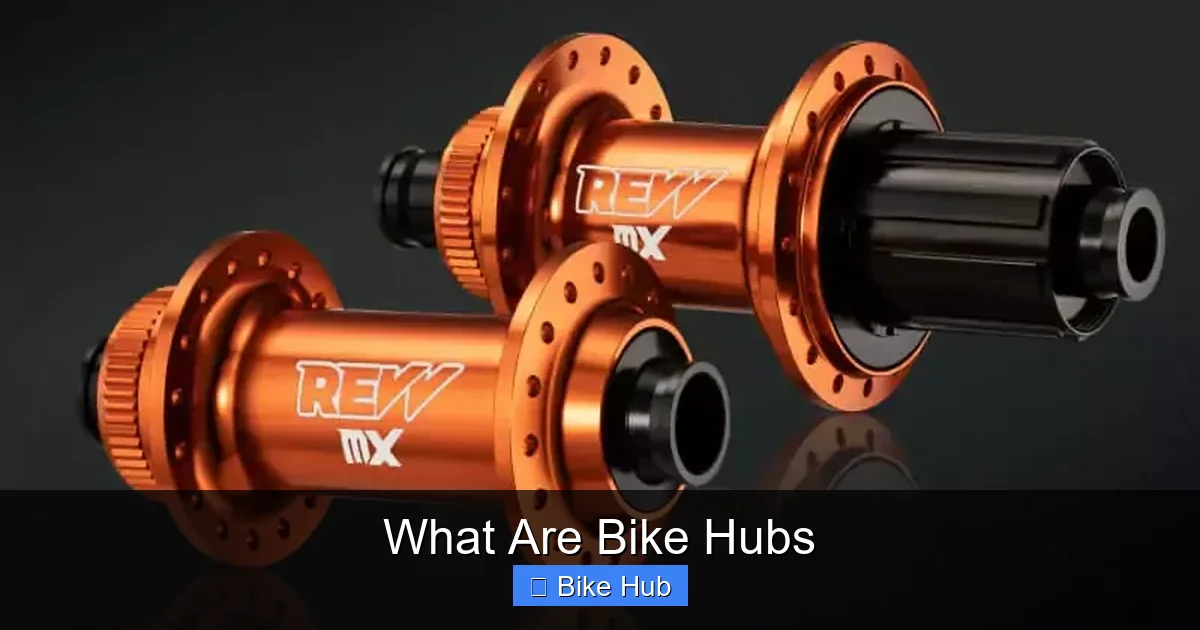
- Hub Shell: The outer cylindrical body that houses the internal parts and connects to the spokes.
- Bearings: Small steel balls or sealed cartridges that sit between the axle and hub shell, allowing rotation with minimal resistance.
- Cones and Locknuts (in cup-and-cone hubs): Adjustable parts that hold the bearings in place and allow for tuning.
- Freehub Body (on rear hubs): A splined component that holds the cassette and allows the rear wheel to coast when you stop pedaling.
The Rotation Process
When you pedal, the chain drives the rear cassette, which turns the freehub body. The hub shell rotates around the fixed axle, thanks to the bearings. In the front hub, there’s no drivetrain, so it simply spins freely as the wheel turns. The smoother the bearings and the better the lubrication, the less energy you lose to friction—meaning more power goes into moving you forward.
Types of Bike Hubs
Not all hubs are created equal. The type of hub you have depends on your bike, riding style, and drivetrain setup.
Visual guide about What Are Bike Hubs
Image source: revvcycle.com
Front Hubs
Front hubs are simpler than rear ones because they don’t handle drivetrain forces. Their main job is to allow the front wheel to spin freely. Most front hubs use either cup-and-cone or sealed cartridge bearings. They’re typically lighter and require less maintenance than rear hubs.
Rear Hubs
Rear hubs are more complex because they must manage both rotation and drivetrain engagement. There are two main types:
- Freewheel Hubs: The freewheel (which includes the ratcheting mechanism and cogs) screws directly onto the hub. These are common on older or budget bikes.
- Freehub and Cassette Hubs: The freehub body is part of the hub, and the cassette (set of gears) slides onto it and locks with a lockring. This design is stronger, more efficient, and standard on modern bikes.
Hub Drive vs. Other Systems
Some e-bikes use hub motors—electric motors built into the front or rear hub. While these are technically hubs, they serve a different purpose and aren’t part of traditional wheel mechanics. For this guide, we’re focusing on mechanical hubs that support wheel rotation, not motorized ones.
Cup-and-Cone vs. Sealed Cartridge Bearings
One of the biggest differences in hub design comes down to the type of bearings used.
Cup-and-Cone Bearings
These are the traditional style, where loose ball bearings sit between a cone (on the axle) and a cup (in the hub shell). They’re serviceable—you can take them apart, clean them, and adjust them—but they require more maintenance and can wear out faster if not cared for.
Sealed Cartridge Bearings
These come pre-packed in a sealed unit that presses into the hub. They’re low-maintenance, resistant to dirt and water, and offer smoother performance. When they wear out, you replace the entire cartridge—no fiddly adjustments needed. Most modern bikes use sealed cartridge bearings for durability and ease of use.
How to Maintain Your Bike Hubs
Good hub maintenance keeps your wheels spinning smoothly and extends the life of your components. Here’s how to do it:
Step 1: Inspect for Play or Noise
Lift your bike and spin each wheel. Listen for grinding or clicking sounds. Then, grip the wheel at the top and bottom and try to wiggle it side to side. Any movement means there’s play in the hub—time for adjustment or service.
Step 2: Clean the Hub Externally
Use a damp cloth to wipe dirt and grime from the hub shell. Avoid spraying water directly into the hub, as moisture can damage bearings.
Step 3: Service the Bearings
For cup-and-cone hubs, remove the axle, clean the bearings and races, inspect for pitting, and re-grease before reassembly. Adjust the cone tension so there’s no play but no binding.
For sealed cartridge hubs, you’ll usually need to remove the old cartridge with a bearing puller and press in a new one. If you’re not comfortable doing this, take it to a bike shop.
Step 4: Re-grease Regularly
Even sealed hubs benefit from occasional re-greasing. Use a high-quality bike-specific grease to repack bearings during service. This prevents corrosion and keeps things running smoothly.
Step 5: Check Axle Tightness
Make sure the axle nuts or quick-release skewers are properly tightened. A loose axle can cause hub damage or wheel failure.
When to Upgrade Your Hubs
You might consider upgrading your hubs if:
- Your current hubs are worn, noisy, or hard to service.
- You want faster engagement (how quickly the rear hub responds when you start pedaling).
- You’re building a custom wheelset and want better performance or lighter weight.
- You ride in wet or muddy conditions and need better sealing.
High-end hubs from brands like DT Swiss, Chris King, or Hope offer features like pawl systems for instant engagement, better seals for all-weather riding, and lighter materials for reduced rotational weight. While they cost more, the improvement in ride quality can be worth it for serious riders.
Troubleshooting Common Hub Problems
Even with good maintenance, hubs can develop issues. Here’s how to spot and fix them:
Grinding or Rough Spinning
This usually means dirty or dry bearings. Clean and re-grease the hub. If the bearings are pitted or damaged, replace them.
Loose or Wobbly Wheel
Check for hub play. Adjust the cone tension (on cup-and-cone hubs) or replace worn cartridges. Also ensure the axle is properly secured in the dropouts.
Clicking or Ratcheting Noise from Rear Hub
This is normal to some extent—it’s the freehub engaging. But if it’s excessively loud or inconsistent, the pawls (engagement mechanisms) may be dirty or worn. Clean the freehub body or have it serviced.
Hub Won’t Spin Freely
If the wheel feels stiff or binds, the bearings may be over-tightened or damaged. Loosen the cone (if adjustable) or replace the cartridge bearings.
Choosing the Right Hubs for Your Bike
When buying new hubs or building wheels, consider:
- Compatibility: Make sure the rear hub matches your drivetrain (e.g., Shimano, SRAM, or Campagnolo) and wheel size.
- Brake Type: Hubs are designed for rim brakes, disc brakes, or both. Choose accordingly.
- Intended Use: Road, mountain, gravel, or touring? Each has different demands for durability, weight, and sealing.
- Budget: Entry-level hubs are fine for casual riders, but invest in quality if you ride often or in tough conditions.
For example, if you’re preparing a mountain bike for long rides, you’ll want hubs with strong seals and reliable engagement for technical terrain. Meanwhile, road cyclists might prioritize lightweight hubs with low rolling resistance.
Final Thoughts
Bike hubs may not be the flashiest part of your ride, but they’re essential for performance, safety, and comfort. Understanding how they work, how to maintain them, and when to upgrade empowers you to get the most out of your bike. Whether you’re fixing a wobbly wheel or building a dream wheelset, a little knowledge about hubs goes a long way.
Take a few minutes to inspect your hubs today. Spin the wheels, listen for noise, and feel for play. With regular care, your hubs will keep you rolling smoothly mile after mile.



