
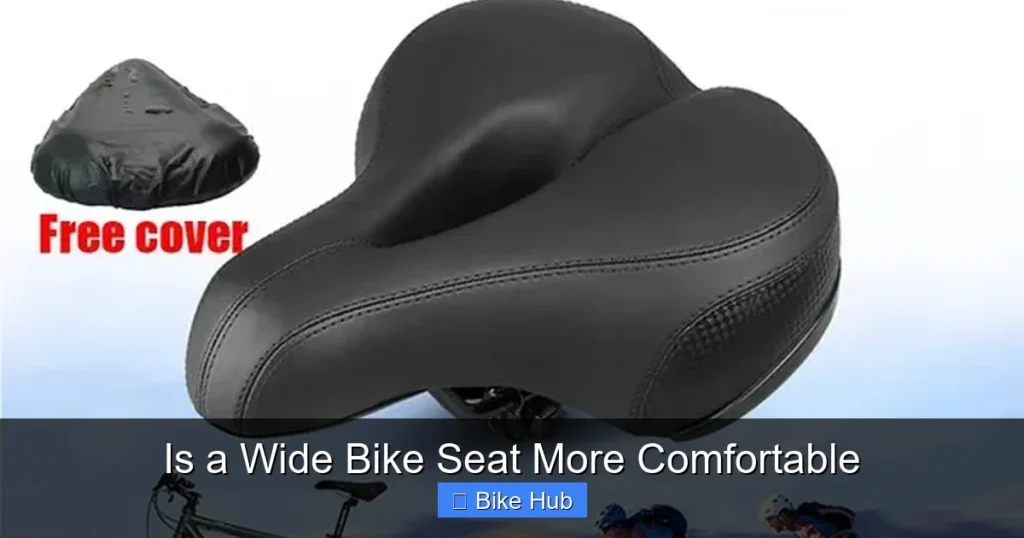
Wondering if a wide bike seat is more comfortable? This guide breaks down everything you need to know—from anatomy and fit to installation tips and real-world testing. Find out how to pick the perfect saddle for your body and riding style.
Key Takeaways
- Wide bike seats offer more surface area: They distribute pressure better, reducing soreness on long rides—ideal for casual, upright, or recreational cycling.
- Not all wide saddles are equal: Look for ergonomic designs with cutouts, gel padding, and breathable materials to enhance comfort without sacrificing support.
- Your riding position matters: Upright riders (like on hybrid or city bikes) benefit most from wide seats, while aggressive road cyclists may prefer narrower options.
- Proper installation is crucial: Even the best wide seat won’t help if it’s tilted incorrectly or mounted too high or low.
- Break-in period is normal: New saddles often feel stiff at first—give them 50–100 miles to mold to your body.
- Combine with padded shorts: For maximum comfort, pair your wide seat with quality cycling shorts to reduce friction and absorb shock.
- Test before committing: Try different models using demo programs or return policies to find your ideal match.
Is a Wide Bike Seat More Comfortable? A Complete Guide
If you’ve ever ended a bike ride with numbness, soreness, or general discomfort “down there,” you’re not alone. One of the most common questions among cyclists—especially beginners or those switching from casual to longer rides—is: Is a wide bike seat more comfortable?
The short answer? It depends. But for many riders, especially those with wider sit bones or who ride in an upright position, a wider saddle can make a world of difference. In this guide, we’ll walk you through how to determine if a wide bike seat is right for you, how to choose the best one, and how to install and test it for maximum comfort.
Understanding Bike Seat Anatomy and Fit
Visual guide about Is a Wide Bike Seat More Comfortable
Image source: charlestonbikeshare.com
Before jumping into width, it’s important to understand what makes a bike seat comfortable. A good saddle supports your sit bones (ischial tuberosities) while minimizing pressure on soft tissues. If your seat is too narrow, your sit bones hang off the sides, causing pain. If it’s too wide, it can chafe your inner thighs or create unnecessary bulk.
Measure Your Sit Bone Width
The first step in choosing any saddle—wide or not—is knowing your sit bone width. Most bike shops offer sit bone measuring services, or you can do it at home using the “corrugated cardboard test”: sit on a piece of corrugated cardboard for 30 seconds, then measure the distance between the centers of the indentations left by your sit bones.
– Under 120mm: Narrow saddle (130–140mm wide)
– 120–140mm: Medium saddle (140–150mm wide)
– Over 140mm: Wide saddle (150mm+ wide)
If your measurement falls in the upper range, a wide bike seat is likely a smart choice.
Consider Your Riding Style
Your bike type and riding posture play a big role:
– Upright riders (city bikes, hybrids, cruisers): Benefit greatly from wide seats because more body weight rests on the saddle.
– Aggressive road cyclists: Lean forward, shifting weight to hands and feet—narrower saddles allow better leg movement.
– Mountain bikers: Often stand on climbs and descents, but still need comfort on long flats—medium to wide saddles with rear padding work well.
For example, if you’re preparing for long rides on a hybrid or comfort bike, check out our guide on how to prepare a mountain bike for long rides—many of the comfort tips apply across bike types.
Choosing the Right Wide Bike Seat
Visual guide about Is a Wide Bike Seat More Comfortable
Image source: i.ytimg.com
Not all wide saddles are created equal. Here’s what to look for:
Ergonomic Design with Cutouts
A center cutout or groove relieves pressure on the perineum, reducing numbness and improving blood flow. Look for models like the Selle Royal Respiro or Brooks B67, which combine width with smart ergonomics.
Padding Type and Thickness
Too much gel or foam can feel soft at first but bottom out on long rides. Medium-density foam with a slight contour offers better long-term support. Gel inserts are great for shock absorption but can retain heat—look for ventilated designs if you ride in warm climates.
Cover Material
Leather (like Brooks saddles) molds to your body over time but requires maintenance. Synthetic covers (microfiber, vinyl) are lighter and weather-resistant but may not last as long. Choose based on your climate and care preferences.
Rail Material
Steel rails are durable and affordable. Carbon or titanium rails are lighter but pricier—ideal for performance-minded riders who still want comfort.
Installing Your Wide Bike Seat Correctly
Even the best wide seat won’t help if it’s installed wrong. Follow these steps:
Step 1: Adjust the Height
Loosen the seat clamp and set the saddle so your leg is almost fully extended at the bottom of the pedal stroke (with a slight bend in the knee). Use a plumb line or heel method to check.
Step 2: Set the Angle
Use a spirit level to ensure the saddle is mostly horizontal. A slight downward tilt (1–2 degrees) can relieve pressure, but avoid tilting up—it causes sliding and groin strain.
Step 3: Position Fore/Aft
Adjust the saddle forward or backward so your knee is directly over the pedal spindle when the crank is horizontal. This ensures proper pedaling mechanics and reduces lower back strain.
Step 4: Tighten Securely
Use a torque wrench if possible—over-tightening can damage carbon rails or seat posts. Most clamps require 5–8 Nm of torque.
Testing and Breaking In Your New Seat
Don’t judge a new saddle after one short ride. Most need a break-in period.
Start with Short Rides
Begin with 15–20 minute rides to let your body adapt. Gradually increase duration over 1–2 weeks.
Wear Proper Cycling Shorts
Padded chamois shorts are essential—they reduce friction and provide extra cushioning. Avoid wearing underwear beneath them; the seam can cause chafing.
Monitor for Discomfort
Note where you feel pressure:
– Sore sit bones? Saddle may be too soft.
– Numbness? Check for proper cutout alignment.
– Inner thigh rubbing? Saddle might be too wide or rails too flared.
If issues persist after 50–100 miles, consider a different model or consult a professional bike fitter.
Troubleshooting Common Wide Seat Problems
Problem: Saddle Feels Too Soft or “Bottoms Out”
Solution: Switch to a firmer foam or leather saddle. Gel can compress over time—opt for dual-density foam instead.
Problem: Chafing or Rubbing on Inner Thighs
Solution: Ensure the saddle isn’t too wide for your hip structure. Also check crank length—shorter cranks reduce leg swing.
Problem: Lower Back Pain
Solution: This often stems from incorrect saddle height or reach. Revisit your fit or consider a shorter stem.
Problem: Sliding Forward on the Saddle
Solution: Slightly tilt the nose down or use a saddle with a textured surface or integrated grip pads.
When a Wide Seat Isn’t the Answer
While wide seats help many, they’re not universal. Competitive road cyclists, triathletes, or anyone riding in an aggressive aerodynamic position may find wide saddles restrictive. In these cases, a narrow, lightweight saddle with minimal padding allows better hip rotation and power transfer.
Also, if you’re riding a recumbent bike, seat design is entirely different—focus shifts to full back support rather than sit bone width. Learn more in our guide on how to store a recumbent bike, which includes tips on maintaining specialized seating systems.
Final Tips for Long-Term Comfort
– Rotate saddles seasonally: Use a wider, cushioned seat in winter and a lighter one in summer.
– Keep it clean: Wipe down your saddle after wet rides to prevent mold and material degradation.
– Check bolt tightness regularly: Vibrations can loosen clamps over time.
– Combine with other upgrades: Consider ergonomic grips, padded gloves, and suspension seat posts for full-body comfort.
For road bike enthusiasts, maintaining your entire setup is key—read our guide on how to maintain a road bike to keep everything running smoothly and comfortably.
Conclusion
So, is a wide bike seat more comfortable? For riders with wider sit bones, upright postures, or those logging long recreational miles—the answer is often yes. But comfort is personal. The best saddle is the one that supports your anatomy, matches your riding style, and feels good after hours in the saddle—not just minutes.
Take the time to measure, test, and adjust. Invest in quality gear, and don’t hesitate to try multiple options. With the right wide bike seat, you’ll spend less time fidgeting and more time enjoying the ride.



