
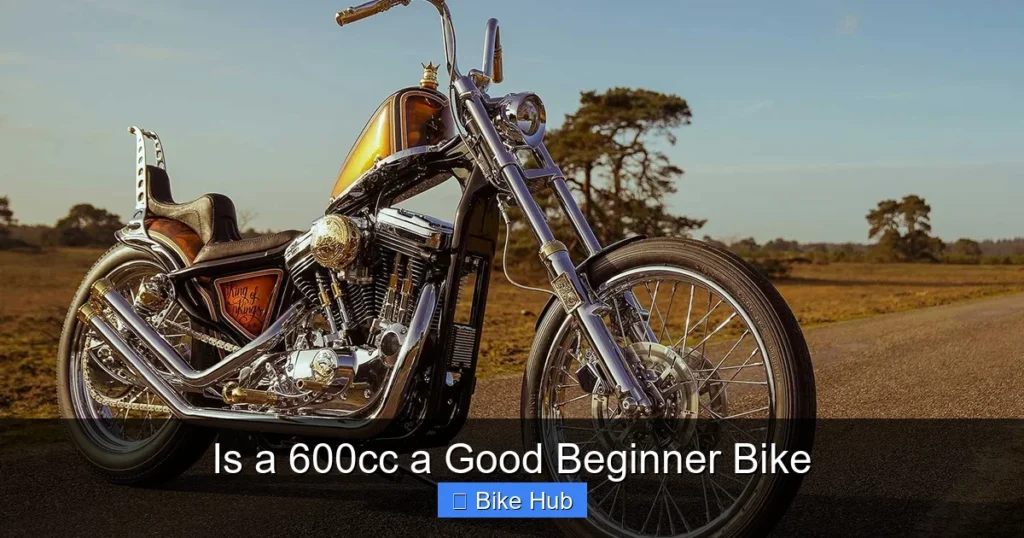
A 600cc motorcycle may seem exciting, but it’s often too powerful and heavy for new riders. This guide explains why smaller bikes are better for learning, what to look for in a beginner bike, and how to build confidence safely.
Key Takeaways
- 600cc bikes are typically too powerful for beginners: Their high horsepower and torque can overwhelm new riders, increasing crash risk.
- Smaller engines (250cc–500cc) are safer learning tools: They offer manageable power, lighter weight, and better control for developing skills.
- Weight and seat height matter more than engine size: A heavy or tall bike can be hard to handle at low speeds, even with a smaller engine.
- Take a motorcycle safety course: Professional training builds essential skills and confidence before riding on public roads.
- Start with a used, affordable bike: You’ll likely drop it while learning—choose something inexpensive and easy to repair.
- Gradual progression is key: Move up in engine size only after mastering balance, braking, and cornering on a smaller machine.
- Consider electric or dual-sport options: Bikes like the Honda Grom or Kawasaki KLX300 offer beginner-friendly power and versatility.
Is a 600cc a Good Beginner Bike? A Complete Guide for New Riders
So you’re thinking about getting your first motorcycle—congratulations! It’s an exciting step, but one that comes with big decisions. One of the most common questions new riders ask is: “Is a 600cc a good beginner bike?” The short answer? Usually, no. While 600cc sport bikes look sleek and sound thrilling, they’re often too much bike for someone just starting out.
In this guide, we’ll walk you through everything you need to know about choosing your first motorcycle. You’ll learn why 600cc bikes can be risky for beginners, what features make a bike truly beginner-friendly, and how to safely progress as your skills improve. Whether you’re eyeing a sport bike, cruiser, or dual-sport, this guide will help you make a smart, safe choice.
Why 600cc Bikes Are Risky for New Riders
At first glance, a 600cc motorcycle might seem like a great entry point—it’s not as massive as a liter bike, and it’s widely available. But looks can be deceiving. These bikes pack serious power, often producing 100+ horsepower, which is far more than a new rider needs—or can safely handle.
Visual guide about Is a 600cc a Good Beginner Bike
Image source: i.redd.it
Too Much Power, Too Soon
Most 600cc sport bikes can go from 0 to 60 mph in under four seconds. That kind of acceleration is thrilling for experienced riders, but terrifying for beginners. A simple twist of the throttle can launch you forward unexpectedly, leading to loss of control, panic braking, or worse—a high-side crash.
Heavy and Hard to Manage
Many 600cc bikes weigh over 400 pounds. That’s a lot to handle when you’re still learning to balance at slow speeds, navigate tight turns, or pick the bike up after a tip-over. A heavy bike increases fatigue and reduces your ability to react quickly in emergencies.
High Center of Gravity
Sport bikes are built for speed and agility on the track, not low-speed maneuverability. Their aggressive riding position and high center of gravity make them unstable at walking speeds—exactly when new riders need stability most.
What Makes a Bike Truly Beginner-Friendly?
Instead of focusing solely on engine size, look for bikes that prioritize control, comfort, and confidence. Here’s what to consider:
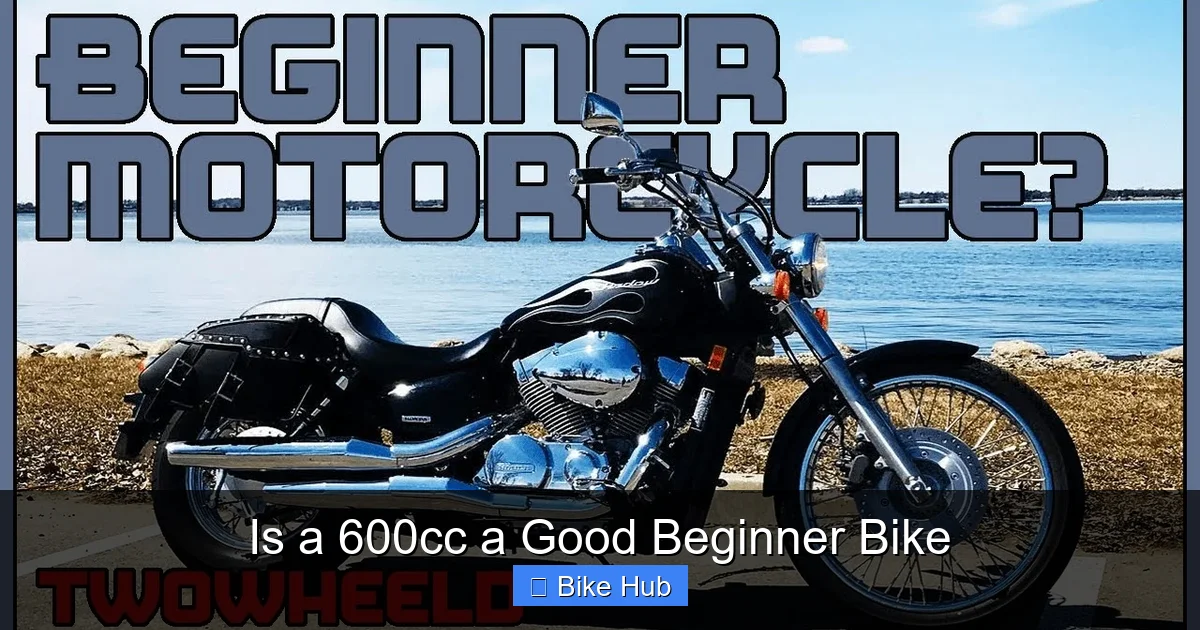
Visual guide about Is a 600cc a Good Beginner Bike
Image source: i.ytimg.com
Engine Size: 250cc to 500cc Is Ideal
For most new riders, a bike in the 250cc to 500cc range offers the perfect balance of power and manageability. These engines provide enough oomph to keep up with traffic but won’t overwhelm you. Examples include the Kawasaki Ninja 400, Honda CB300R, and Suzuki SV650 (though the SV650 leans toward the upper end).
Weight: Under 400 Pounds Is Best
A lighter bike is easier to handle, especially when stopping, turning, or dropping it. Look for models under 400 pounds wet (with fuel and fluids). The KTM 390 Duke and Yamaha MT-03 are great examples of lightweight, nimble beginners’ bikes.
Seat Height: Can You Flat-Foot It?
Being able to touch both feet flat on the ground boosts confidence and control. If you’re under 5’8”, avoid tall adventure bikes or cruisers with high seats. Test sit before you buy!
ABS Brakes: A Must-Have Safety Feature
Anti-lock braking systems (ABS) prevent wheel lockup during hard stops, reducing the risk of skidding. Many newer beginner bikes come with ABS standard—don’t skip it.
Safer Alternatives to a 600cc Bike
If you’re set on a sporty look but want something safer, consider these beginner-friendly options:
Entry-Level Sport Bikes
- Kawasaki Ninja 400: Lightweight, smooth power delivery, and stylish without being intimidating.
- Yamaha YZF-R3: Great handling, comfortable ergonomics, and excellent fuel economy.
- Honda CBR500R: Slightly more power but still very manageable for new riders.
Standard or Naked Bikes
These offer upright seating, neutral handling, and versatile performance. The KTM 390 Duke and Suzuki GSX250R are excellent choices.
Dual-Sport or Adventure Bikes
If you plan to ride off-road or on rough roads, consider a dual-sport like the Kawasaki KLX300 or Honda CRF300L. They’re lightweight, durable, and forgiving—perfect for learning. For tips on preparing for long rides, check out our guide on how to prepare a mountain bike for long rides, which shares useful prep strategies that apply to motorcycles too.
Electric Options
Electric motorcycles like the Zero SR/F or Sondors Metacycle offer instant torque but with smoother, more controllable power delivery. They’re quiet, low-maintenance, and great for city riding.
How to Choose Your First Bike: A Step-by-Step Plan
Step 1: Take a Motorcycle Safety Course
Before buying any bike, enroll in a state-approved motorcycle safety course. You’ll learn basic controls, emergency braking, swerving, and more—all in a safe, supervised environment. Most courses even provide bikes! This is non-negotiable for new riders.
Step 2: Set a Realistic Budget
Don’t blow your entire savings on your first bike. Aim for something under $5,000—preferably used. You’ll likely drop it, scratch it, or outgrow it within a year. Save the big budget for your second or third bike.
Step 3: Test Ride (If Possible)
Many dealers allow test rides for qualified buyers. Pay attention to how the bike feels at low speeds: Can you easily balance it? Is the clutch smooth? Do the brakes feel confident?
Step 4: Inspect for Damage and Maintenance History
If buying used, check for frame damage, tire wear, and service records. A well-maintained 300cc bike is far better than a neglected 600cc.
Step 5: Gear Up Before You Ride
Invest in quality safety gear: a DOT-approved helmet, armored jacket, gloves, pants, and boots. Your bike is only as safe as your protection. For helmet care, see our guide on how to dry a bike helmet after rain—it’s essential for longevity and hygiene.
Troubleshooting Common Beginner Mistakes
Even with the right bike, new riders face challenges. Here’s how to handle them:
Problem: Stalling the Engine at Stops
Solution: Practice clutch control in an empty parking lot. Find the “friction zone” where the clutch engages, and use small throttle inputs to keep the engine running.
Problem: Fear of High Speeds
Solution: Build confidence gradually. Start in quiet neighborhoods, then progress to country roads before hitting highways.
Problem: Dropping the Bike
Solution: It happens—even to pros! Learn how to pick it up safely: stand on one side, lift with your legs (not your back), and use the footpeg for leverage. Choose a bike you can manage if it falls.
Problem: Overconfidence After a Few Rides
Solution: Stay humble. Motorcycling skills take months—or years—to master. Avoid canyon carving or group rides until you’re truly ready.
When Can You Upgrade to a 600cc?
There’s no magic timeline, but most experts recommend waiting at least 1–2 years and logging 5,000–10,000 miles on a smaller bike. Ask yourself:
- Can I confidently handle emergency stops and swerves?
- Do I feel in control at highway speeds?
- Have I ridden in rain, wind, and heavy traffic?
If you answered yes, you might be ready. But remember: a 600cc should still be treated with respect—not as a toy.
Final Thoughts
Choosing your first motorcycle is a big decision, and engine size is just one factor. While a 600cc bike might look tempting, it’s rarely the best choice for a beginner. Prioritize safety, control, and gradual skill-building instead. Start small, ride smart, and enjoy the journey.
For ongoing maintenance tips, don’t forget to read our guide on how to maintain a road bike—many principles apply to motorcycles too, like chain care, brake checks, and tire inspections.
Remember: every expert rider started exactly where you are now—on a smaller, simpler machine. Your first bike doesn’t need to be flashy; it just needs to help you learn, grow, and stay safe.



