
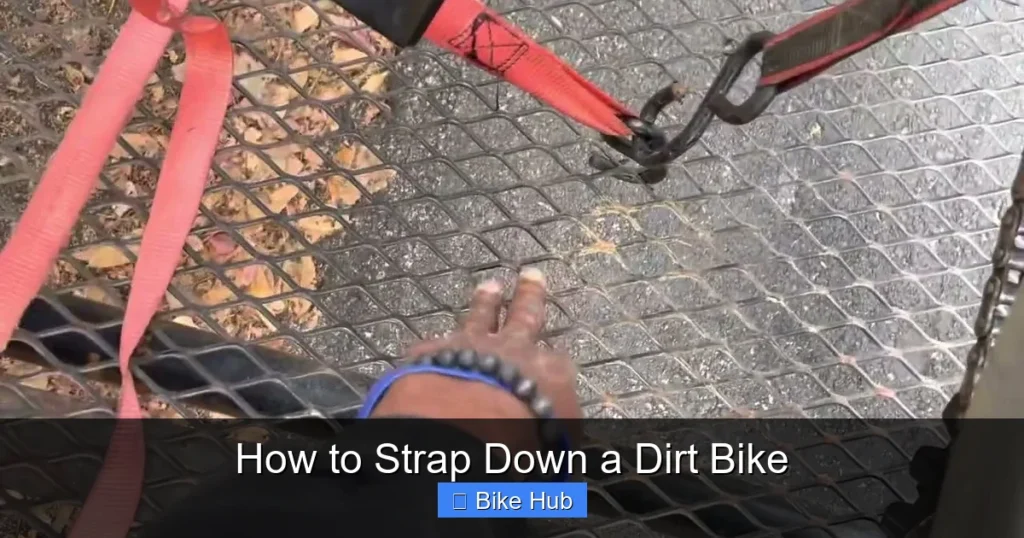
This guide teaches you how to strap down a dirt bike properly to prevent damage and ensure safety during transport. You’ll learn the right equipment, techniques, and common mistakes to avoid when securing your bike in a truck bed or trailer.
Key Takeaways
- Use high-quality ratchet straps: Always choose straps with a minimum 1,500 lb working load limit to safely secure your dirt bike.
- Anchor to solid points: Tie down the bike using frame-mounted anchor points, not plastic bodywork or handlebars.
- Compress the suspension: Slightly compressing the front and rear suspension helps stabilize the bike and reduces movement.
- Protect your bike: Use soft loops or handlebar protectors to avoid scratches and damage from metal hooks.
- Check straps regularly: Stop every 20–30 miles during transport to ensure straps remain tight and secure.
- Use a wheel chock: A front wheel chock keeps the bike upright and reduces stress on the front suspension.
- Balance the load: Distribute weight evenly in your vehicle to maintain control and prevent swaying.
How to Strap Down a Dirt Bike: A Complete Step-by-Step Guide
Transporting your dirt bike safely is just as important as riding it. Whether you’re heading to the trail, track, or race, knowing how to strap down a dirt bike correctly can prevent costly damage, accidents, and frustration. A poorly secured bike can shift, fall, or even cause a traffic hazard. But with the right tools and techniques, you can transport your bike with confidence.
In this guide, we’ll walk you through everything you need to know—from choosing the right equipment to securing your bike like a pro. We’ll cover the best practices, common mistakes, and expert tips to keep your dirt bike safe during transport. Whether you’re using a pickup truck, trailer, or van, these steps apply to all setups.
What You’ll Need
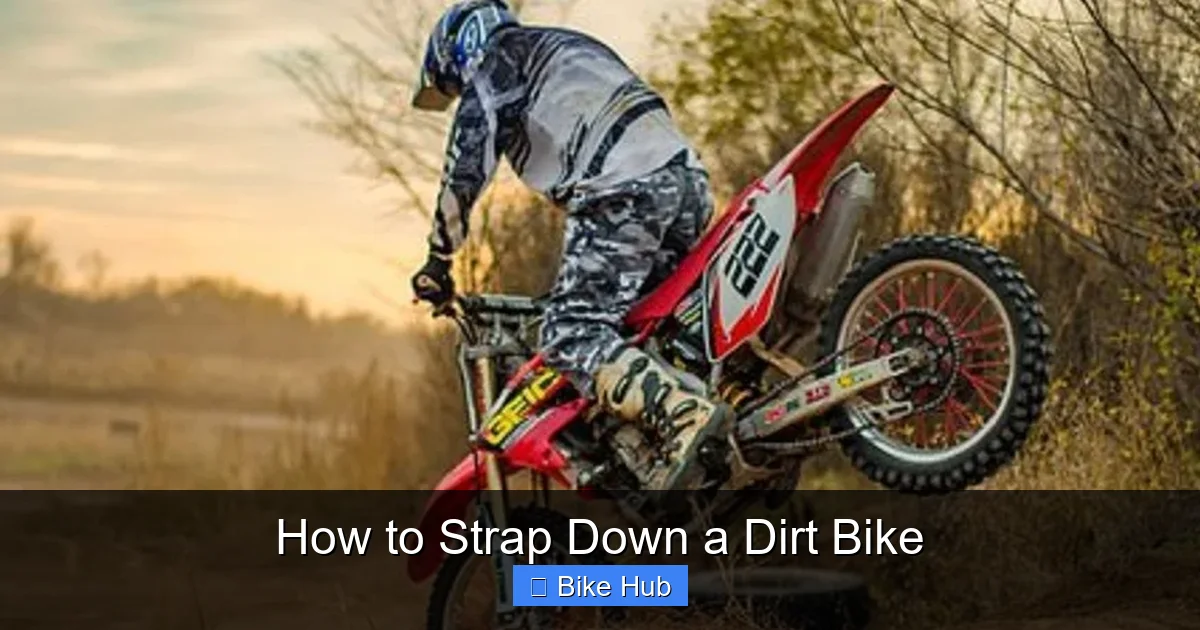
Visual guide about How to Strap Down a Dirt Bike
Image source: dirtbikemoto.com
Before you begin, make sure you have the right gear. Using low-quality or incorrect equipment is one of the most common causes of bike damage during transport.
Essential Equipment
- Ratchet straps (4 recommended): Look for straps with a working load limit of at least 1,500 lbs. Avoid cam buckle straps—they can loosen over time.
- Soft loops or handlebar protectors: These prevent metal hooks from scratching your handlebars or damaging controls.
- Front wheel chock (optional but highly recommended): Keeps the front wheel in place and reduces front-end movement.
- Anchor points: Secure tie-down points in your truck bed or trailer. D-rings or stake pockets work best.
- Bungee cords or cargo nets (optional): Useful for securing loose items like helmets or tools.
Optional but Helpful Tools
- Rubber tie-down straps for extra grip
- Bike stand or stand-in-a-bag for added stability
- Moving blankets to protect the bike and vehicle
Step-by-Step: How to Strap Down a Dirt Bike
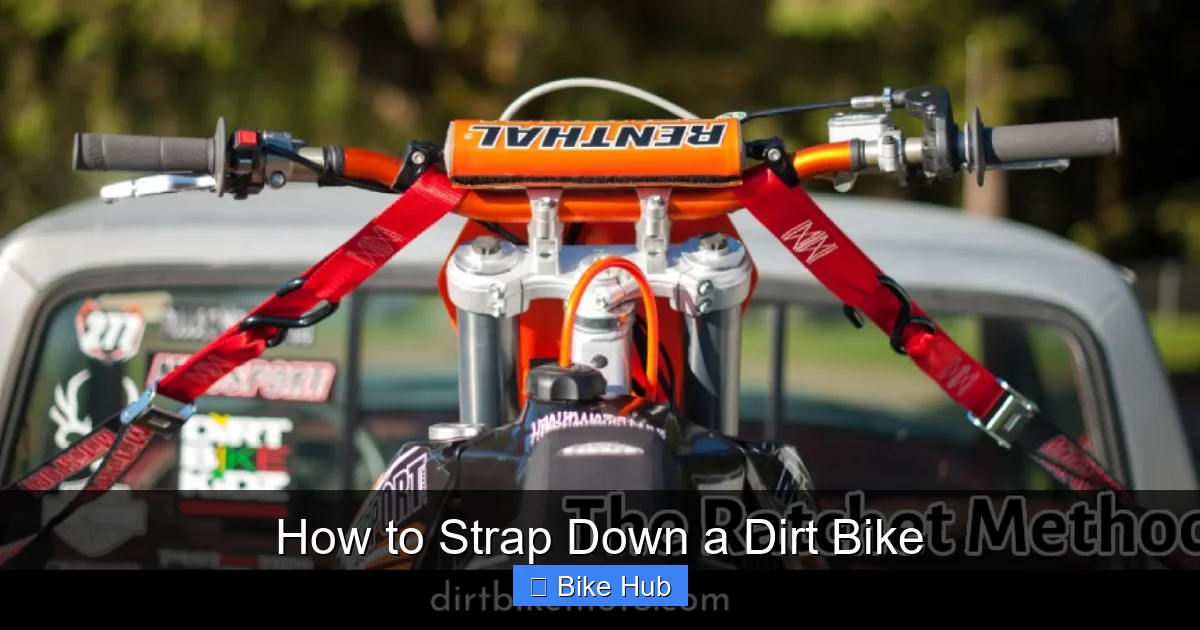
Visual guide about How to Strap Down a Dirt Bike
Image source: dirtbikemoto.com
Follow these steps carefully to ensure your dirt bike is secure and ready for the road.
Step 1: Prepare Your Vehicle
Start by cleaning out your truck bed or trailer. Remove any debris, tools, or loose items that could shift during transport. Make sure the surface is dry and free of oil or grease.
If you’re using a trailer, ensure it’s hitched properly and the lights are working. For trucks, check that the tailgate is secure or removed if necessary.
Step 2: Position the Bike
Ride or push the bike into position. If you have a front wheel chock, place the front wheel into it. This keeps the bike upright and reduces front-end bounce.
If you don’t have a chock, position the bike so it leans slightly forward. This helps compress the front suspension naturally when you tighten the straps.
Step 3: Attach the Front Straps
This is the most critical part of securing your bike. The front straps control most of the bike’s movement.
- Loop a soft tie or handlebar protector around the handlebars, just below the grips.
- Attach the ratchet strap hook to the soft loop—never directly to the handlebars.
- Run the strap to a solid anchor point on the front of the truck bed or trailer.
- Pull the strap tight and begin ratcheting. Compress the front suspension about 1–2 inches. Don’t over-tighten—this can damage the forks.
Repeat this process on the other side. Both front straps should be tight and evenly tensioned.
Step 4: Secure the Rear of the Bike
Now it’s time to stabilize the rear.
- Attach two more ratchet straps to the rear frame or subframe. Avoid the swingarm or rear axle unless specifically designed for tie-downs.
- Use soft loops if needed to protect the frame.
- Anchor the straps to solid points at the rear of the vehicle.
- Tighten gradually, compressing the rear suspension slightly. The bike should feel stable but not overly rigid.
Step 5: Double-Check Everything
Once all four straps are in place, do a final inspection.
- Gently rock the bike side to side and front to back. It should not move more than an inch.
- Check that all hooks are securely attached and not rubbing against paint or cables.
- Ensure straps are not twisted and are lying flat.
- Confirm that the bike is upright and not leaning excessively.
Step 6: Add Extra Security (Optional)
For long trips or rough roads, consider adding extra measures:
- Use a cargo net over the bike to catch loose parts if a strap fails.
- Place moving blankets between the bike and truck bed to prevent scratches.
- Secure the kickstand with a bungee cord so it doesn’t flop around.
Pro Tips for Safe Transport
Use a Wheel Chock
A front wheel chock is one of the best investments you can make. It keeps the bike upright, reduces stress on the front suspension, and makes strapping down much easier. Many riders also use a rear stand or “stand-in-a-bag” for added stability.
Avoid Over-Tightening
While you want the bike secure, over-tightening straps can damage suspension components. Compress the suspension just enough to eliminate play—usually 1–2 inches. Think “snug,” not “crushing.”
Check Straps During the Trip
Vibration and road conditions can loosen straps over time. Stop every 20–30 miles to check tension, especially on long hauls. Re-tighten if needed.
Protect Your Bike’s Finish
Metal hooks can scratch paint and damage controls. Always use soft loops, handlebar protectors, or towels between straps and the bike. This small step prevents costly cosmetic damage.
Balance the Load
If you’re carrying multiple bikes or gear, distribute weight evenly. A front-heavy load can affect steering, while a rear-heavy one can cause swaying. Keep the center of gravity low and centered.
Troubleshooting Common Issues
Bike Won’t Stay Upright
If your bike keeps tipping, you likely need a wheel chock or rear support. A stand-in-a-bag or portable bike stand can help keep it stable.
Straps Keep Loosening
This usually happens with cam buckle straps. Switch to ratchet straps, which hold tension better. Also, check for worn or damaged straps—replace them if frayed.
Handlebars Are Twisting
If the handlebars turn during transport, your front straps may be uneven. Loosen both, reposition, and re-tighten evenly. You can also use a handlebar stabilizer bar for extra support.
Bike Is Scratching the Truck Bed
Use moving blankets or rubber mats under the bike. Avoid placing the bike directly on metal surfaces without protection.
Conclusion
Knowing how to strap down a dirt bike is a essential skill for any rider. With the right equipment and technique, you can transport your bike safely and avoid damage. Remember to use high-quality ratchet straps, anchor to solid points, compress the suspension slightly, and protect your bike from scratches.
Always double-check your setup before hitting the road, and stop periodically to ensure everything stays tight. A little extra care goes a long way in keeping your dirt bike in top condition.
For more tips on bike maintenance and transport, check out our guide on how to choose a mountain bike or learn how to maintain a road bike for long-term performance. If you’re preparing for a race, don’t miss our article on how to prepare for a rainy bike race.
Safe riding—and safe transporting!



