
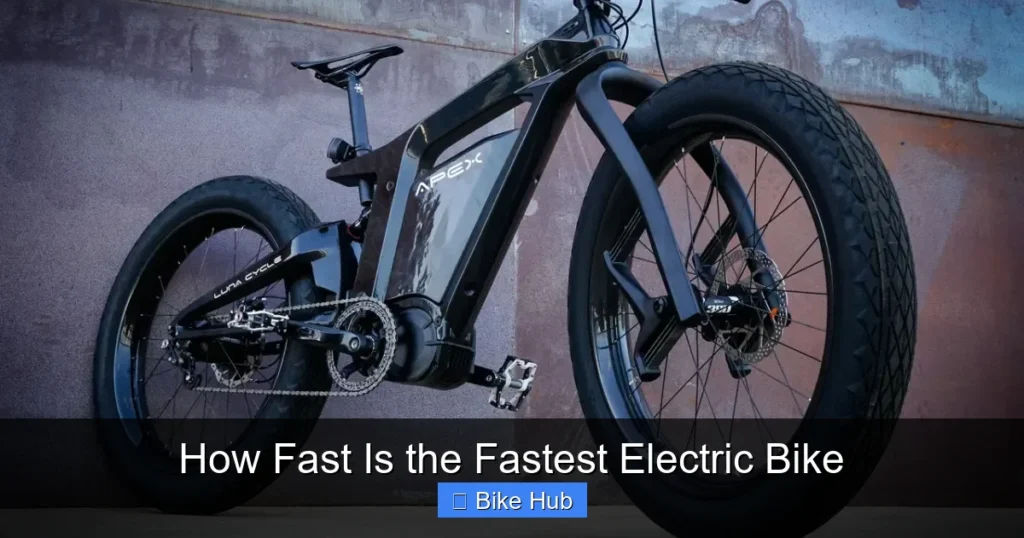
The fastest electric bikes can reach speeds of over 100 mph, far exceeding standard e-bikes limited to 20–28 mph. This guide breaks down speed capabilities, legal limits, and what to consider before buying a high-performance electric bike.
Key Takeaways
- Top speed varies by class: Most street-legal e-bikes are capped at 20 or 28 mph, but high-performance models can exceed 100 mph.
- Motor power matters: Bikes with 750W to 5000W motors deliver significantly higher speeds, especially off-road or on private tracks.
- Battery capacity affects performance: High-voltage batteries (48V, 52V, or 72V) provide the sustained power needed for top speeds.
- Legal restrictions apply: In the U.S. and EU, e-bikes over 20–28 mph are classified as mopeds or motorcycles and require registration.
- Safety is critical at high speeds: Always wear protective gear and ensure your bike has strong brakes and stable tires.
- Custom builds push limits: Modified e-bikes with racing components can outperform factory models but may not be street-legal.
- Speed isn’t everything: Consider range, terrain, and intended use when choosing an e-bike—not just top speed.
How Fast Is the Fastest Electric Bike? A Complete Guide
If you’re curious about how fast the fastest electric bike can go, you’re not alone. Electric bikes have evolved from simple pedal-assist commuters to high-speed machines capable of rivaling motorcycles. In this guide, we’ll explore the real-world speed limits of e-bikes, what makes some models so fast, and what you need to know before chasing top velocity.
Whether you’re a thrill-seeker, a commuter looking for efficiency, or just fascinated by electric mobility, this guide will help you understand the capabilities—and limitations—of today’s fastest electric bikes.
Understanding E-Bike Speed Classes
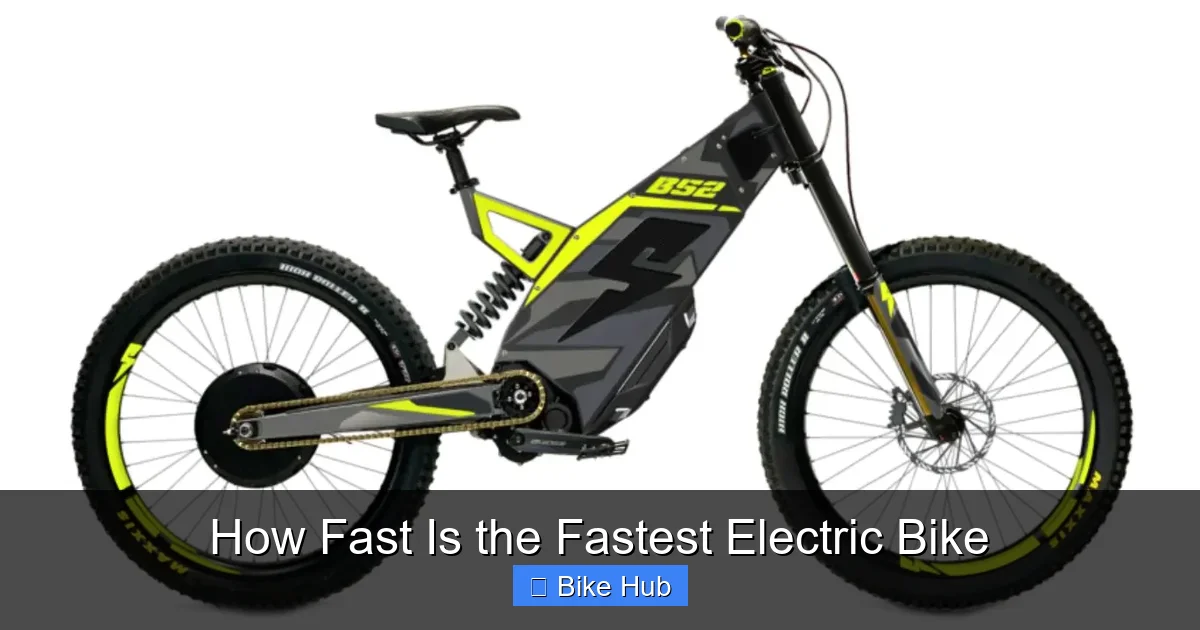
Visual guide about How Fast Is the Fastest Electric Bike
Image source: emountainbikekings.com
Before diving into record-breaking speeds, it’s important to understand how e-bikes are categorized by speed and power. Most countries regulate e-bikes based on motor power and maximum assisted speed.
Class 1: Pedal-Assist Only (Up to 20 mph)
These bikes provide electric assistance only when you pedal, and the motor cuts off at 20 mph (32 km/h). They’re common in urban areas and don’t require a license in most places.
Class 2: Throttle-Assist (Up to 20 mph)
Like Class 1, but with a throttle that lets you ride without pedaling. Still limited to 20 mph in the U.S., making them ideal for casual riders.
Class 3: Speed Pedelec (Up to 28 mph)
These offer pedal assistance up to 28 mph (45 km/h) and are popular for longer commutes. In some regions, they require helmets or registration.
Beyond Class 3: High-Speed and Off-Road Models
Bikes that exceed 28 mph fall outside standard e-bike classifications. These are often called “speed pedelecs” or “electric motorcycles” and may require licensing, insurance, and registration.
How Fast Can the Fastest E-Bikes Actually Go?
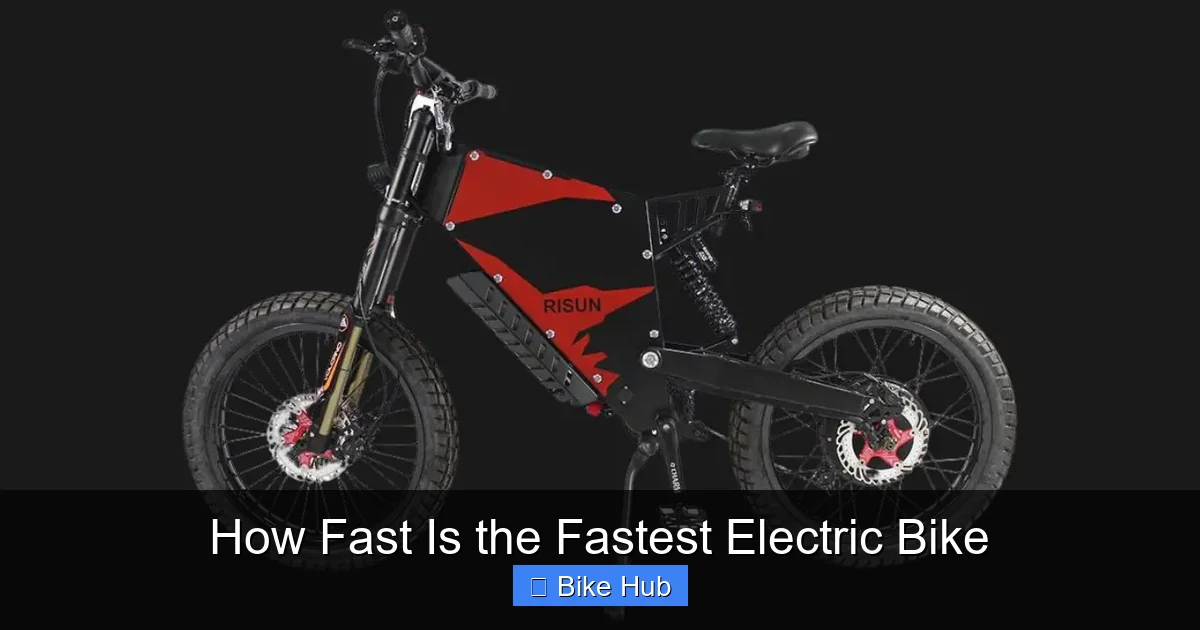
Visual guide about How Fast Is the Fastest Electric Bike
Image source: emountainbikekings.com
Now for the exciting part: real-world top speeds.
Street-Legal E-Bikes: 20–28 mph
Most commercially available e-bikes sold for road use are capped at 20 or 28 mph. For example, the RadRover 6 Plus tops out at 20 mph, while the Specialized Turbo Vado SL reaches 28 mph.
High-Performance E-Bikes: 40–60 mph
Models like the Juiced HyperScorpion and Stealth Bikes Fighter use powerful motors (up to 5000W) and high-capacity batteries to hit speeds between 40 and 60 mph. These are often used off-road or on private property.
Record-Breaking Speeds: Over 100 mph
The absolute fastest electric bikes are custom-built or racing models. In 2022, a modified Stealth Bikes Crusader reached 107 mph (172 km/h) on a closed track. These bikes use dual motors, racing-grade batteries, and aerodynamic frames.
What Makes an E-Bike So Fast?
Several key components determine how fast an electric bike can go.
Motor Power and Type
Motors range from 250W (standard commuter) to 5000W (high-performance). Hub motors are common, but mid-drive motors (like those from Bosch or Bafang) offer better torque and efficiency, especially on hills.
Battery Voltage and Capacity
Higher voltage (48V, 52V, or 72V) delivers more power to the motor. A 72V battery with 20Ah capacity can sustain high speeds longer than a 36V system. For long rides, consider how to store bike lubricant and maintain your drivetrain to reduce friction and improve efficiency.
Tire Type and Pressure
Slick, high-pressure tires reduce rolling resistance. Off-road knobby tires slow you down on pavement. Always check your tire pressure—underinflated tires can cut speed and increase wear. Use a best electric bike pump for quick, accurate inflation.
Aerodynamics and Weight
Lighter frames and streamlined designs help achieve higher speeds. Carbon fiber components and recumbent styles reduce drag. If you’re building a speed-focused e-bike, consider choosing the right road bike size for optimal posture and control.
Legal Limits and Regulations
Speed isn’t just about engineering—it’s also about the law.
United States
The Consumer Product Safety Commission (CPSC) defines e-bikes as bicycles if they have motors under 750W and top out at 20 mph. Class 3 bikes (up to 28 mph) are allowed in many states but may require helmets.
Bikes exceeding these limits are classified as motor vehicles and need registration, insurance, and a driver’s license.
European Union
EU regulations limit e-bikes to 25 km/h (15.5 mph) with a 250W motor. Speed pedelecs (up to 45 km/h or 28 mph) are allowed but require type approval, insurance, and a license.
Off-Road and Private Use
On private land or closed courses, there are no speed limits. This is where custom e-bikes shine—reaching speeds once reserved for motorcycles.
Safety Tips for High-Speed E-Biking
Going fast is fun, but safety should always come first.
Wear Proper Protective Gear
At speeds over 30 mph, a standard bike helmet isn’t enough. Use a full-face motorcycle helmet, gloves, armored jacket, and knee pads.
Upgrade Your Brakes
Disc brakes (especially hydraulic) are essential for stopping quickly. Avoid rim brakes on high-speed e-bikes—they can overheat and fail.
Check Tire Condition Regularly
High speeds generate heat and stress. Inspect tires for cracks, wear, or damage. Use puncture-resistant tires and consider how to pick the best tire sealant for added protection.
Practice in Safe Environments
Never test your bike’s top speed on public roads. Use closed tracks, empty parking lots, or private trails.
Troubleshooting Common Speed Issues
Even the fastest e-bike can slow down due to common problems.
Battery Not Holding Charge
If your bike feels sluggish, the battery may be old or damaged. Check voltage with a multimeter and replace if below 80% of rated capacity.
Motor Overheating
High-power motors can overheat during long climbs or sustained speed. Let the motor cool between rides and avoid pushing it beyond its limits.
Throttle or Sensor Malfunction
If the motor cuts out unexpectedly, check the throttle connection or pedal-assist sensor. Dirt or moisture can cause intermittent failures.
Tire Pressure Too Low
Always use a gauge to check pressure. Low pressure increases rolling resistance and reduces speed. Refer to the sidewall for recommended PSI.
Should You Buy a High-Speed E-Bike?
Before investing in a lightning-fast e-bike, ask yourself:
- Will I use it on public roads? (Most high-speed models aren’t street-legal.)
- Do I have a safe place to ride at high speeds?
- Can I afford the maintenance and potential insurance costs?
- Do I need that much speed, or would a Class 3 bike suffice?
For most riders, a 28 mph e-bike offers the best balance of speed, legality, and practicality. But if you’re building a custom machine for off-road adventures or track days, the sky’s the limit.
Conclusion
So, how fast is the fastest electric bike? While most street-legal models top out at 20–28 mph, high-performance and custom e-bikes can exceed 100 mph. These speed demons rely on powerful motors, high-voltage batteries, and optimized designs to push the boundaries of electric mobility.
However, speed comes with responsibility. Always follow local laws, prioritize safety, and maintain your bike properly. Whether you’re commuting, exploring trails, or chasing records, the right e-bike can transform your ride.
Remember: the fastest bike isn’t always the best bike. Choose one that fits your needs, your terrain, and your lifestyle.



