

A 70cc dirt bike typically reaches speeds of 30–50 mph, depending on terrain, rider weight, and modifications. This guide breaks down speed factors, safety tips, and how to optimize performance for a thrilling yet safe ride.
Key Takeaways
- Top speed range: Most 70cc dirt bikes reach 30–50 mph, with stock models averaging 35–40 mph.
- Rider weight matters: Heavier riders may experience slower acceleration and reduced top speed.
- Terrain affects performance: Flat, hard-packed dirt allows faster speeds than hills or muddy trails.
- Modifications can boost speed: Upgrading the exhaust, air filter, or sprocket can increase performance safely.
- Safety first: Always wear protective gear and ride in appropriate areas to prevent accidents.
- Maintenance is key: Regular tune-ups ensure optimal engine performance and consistent speed.
- Ideal for beginners: 70cc bikes are perfect for kids and new riders learning control and confidence.
How Fast Is a 70cc Dirt Bike? A Complete Guide
If you’re wondering, “How fast is a 70cc dirt bike?” you’re not alone. Whether you’re a parent shopping for your child’s first off-road machine or a beginner rider curious about performance, understanding the speed capabilities of a 70cc dirt bike is essential. These compact, lightweight motorcycles are designed for fun, agility, and learning—not high-speed racing. But that doesn’t mean they can’t deliver an exciting ride.
In this guide, we’ll explore the typical speed range of a 70cc dirt bike, what factors influence performance, how to safely maximize speed, and tips for maintaining your bike. By the end, you’ll know exactly what to expect and how to get the most out of your ride.
Understanding 70cc Dirt Bike Speed
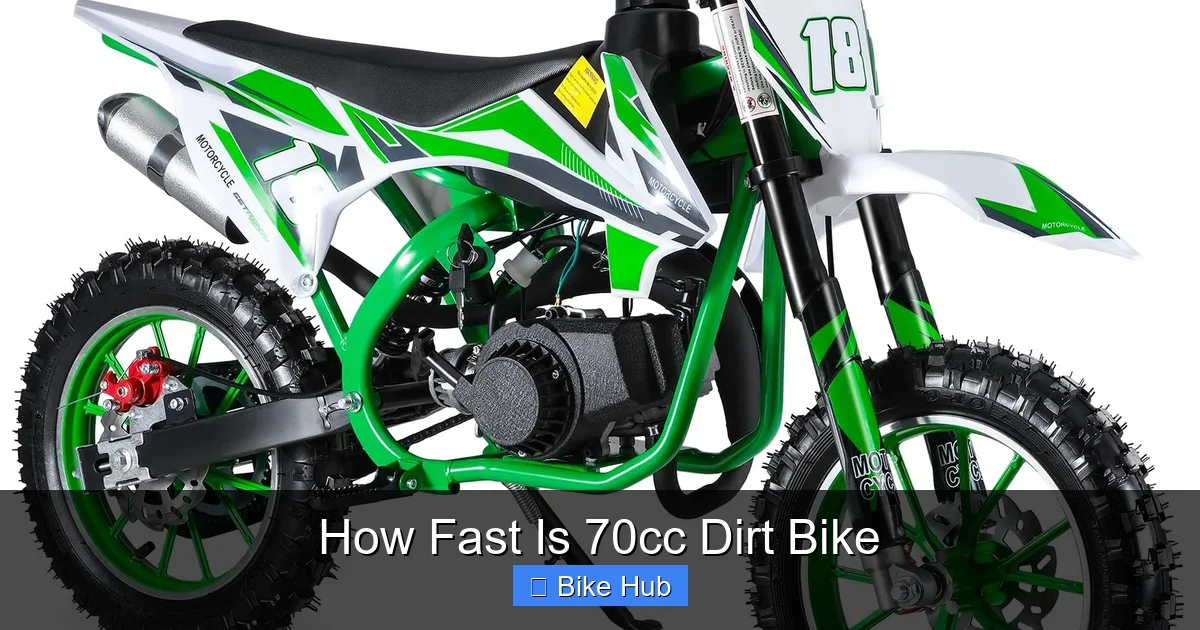
Visual guide about How Fast Is 70cc Dirt Bike
Image source: m.media-amazon.com
So, how fast can a 70cc dirt bike actually go? On average, most stock 70cc dirt bikes reach speeds between 30 and 50 miles per hour (mph). The exact top speed depends on several variables, including engine tuning, bike weight, rider weight, and terrain.
For example, a lightweight rider on flat, hard-packed dirt might hit 45 mph, while a heavier rider or one tackling uphill trails may top out closer to 30 mph. Most factory models are tuned for safety and reliability, so they rarely push beyond 40 mph without modifications.
Typical Speed Ranges by Model
Different brands and models vary slightly in performance. Here’s a quick breakdown:
- Honda CRF70F: Around 35–40 mph (stock)
- Yamaha TT-R70: Approximately 30–38 mph
- Kawasaki KLX110 (with 70cc conversion): Up to 45 mph with tuning
- Generic Chinese 70cc models: 30–45 mph, depending on build quality
Keep in mind that many 70cc bikes are designed for kids and teens, so manufacturers often limit speed for safety. That said, with a few upgrades, some models can safely reach 50 mph.
Factors That Affect 70cc Dirt Bike Speed
Visual guide about How Fast Is 70cc Dirt Bike
Image source: hypergogo.com
Several elements determine how fast your 70cc dirt bike can go. Understanding these can help you set realistic expectations and make informed decisions about modifications.
1. Engine Tuning and Modifications
Stock 70cc engines are built for durability, not speed. However, simple upgrades can boost performance:
- High-flow air filter: Improves airflow and combustion efficiency.
- Performance exhaust: Reduces backpressure, allowing the engine to breathe better.
- Big bore kit: Increases engine displacement slightly (e.g., from 70cc to 88cc), adding power.
- Sprocket changes: A smaller rear sprocket increases top speed but reduces torque.
These mods should be done carefully and in combination with proper jetting to avoid engine damage.
2. Rider Weight and Position
A lighter rider allows the engine to accelerate faster and maintain higher speeds. For example, a 70-pound child may reach 40 mph easily, while a 120-pound teen might struggle to hit 35 mph on the same bike.
Rider position also matters. Leaning forward reduces wind resistance, while standing on the pegs improves control and traction on rough terrain.
3. Terrain and Conditions
Flat, smooth trails are ideal for top speed. Hardpack dirt, like that found on motocross tracks, offers the least resistance. In contrast, sand, mud, or steep inclines slow the bike significantly.
Weather plays a role too. Wet or loose surfaces reduce traction, forcing the rider to slow down for safety.
4. Tire Type and Pressure
The right tires make a big difference. Knobby off-road tires provide grip but create more rolling resistance than smoother tires. For maximum speed on hard surfaces, consider best bike tires for hardpack dirt.
Also, proper tire pressure is crucial. Underinflated tires increase drag, while overinflated ones reduce traction. Check your tire pressure regularly using a reliable gauge—how to check bike tire pressure is a simple skill every rider should know.
How to Safely Increase Your 70cc Dirt Bike’s Speed
While it’s tempting to push your bike to its limits, safety should always come first. Here’s how to boost performance without compromising reliability.
Step 1: Perform Regular Maintenance
A well-maintained engine runs smoother and faster. Follow these tips:
- Change the oil every 10–15 hours of riding.
- Clean or replace the air filter monthly.
- Inspect the spark plug and replace if fouled.
- Keep the chain lubricated and properly tensioned—how to oil fat tire bike chain applies to most dirt bikes too.
Step 2: Upgrade Key Components
Start with small, safe modifications:
- Install a performance air filter (e.g., K&N style).
- Swap the stock exhaust for a free-flowing aftermarket version.
- Adjust the carburetor jetting to match airflow changes.
- Consider a 12-tooth front sprocket (down from 14-tooth) for higher top speed.
Always test changes in a controlled environment and monitor engine temperature.
Step 3: Optimize Riding Technique
Even the fastest bike won’t perform well with poor technique. Practice:
- Smooth throttle control to avoid wheel spin.
- Body positioning: lean forward on straights, stand on rough terrain.
- Braking early before corners to maintain momentum.
For advanced skills like jumping and spinning, check out guides such as how to 360 spin on a dirt jump bike—but only attempt these after mastering basics.
Safety Tips for High-Speed Riding
Riding at 40+ mph on a small dirt bike requires extra caution. Follow these safety practices:
- Always wear full protective gear: Helmet, goggles, gloves, boots, and chest protector.
- Ride in designated areas: Avoid public roads and crowded trails.
- Never ride alone: Have a buddy or adult supervisor nearby.
- Check your bike before every ride: Brakes, tires, throttle, and lights (if equipped).
- Know your limits: Don’t push speed beyond your skill level.
Remember, a 70cc dirt bike is not a toy—it’s a real motorcycle that demands respect.
Troubleshooting Common Speed Issues
If your 70cc dirt bike feels sluggish, here are common causes and fixes:
Bike Won’t Go Faster Than 25 mph
- Check for clogged air filter or fuel line.
- Inspect spark plug—replace if black or wet.
- Ensure the carburetor is clean and properly jetted.
- Verify that the clutch isn’t slipping.
Loss of Power on Hills
- Reduce rider weight or gear.
- Switch to a larger rear sprocket for more torque.
- Check tire pressure—low pressure increases rolling resistance.
Engine Overheating
- Ensure proper oil level and quality.
- Avoid prolonged high-speed runs without cooling breaks.
- Clean the cooling fins on the engine head.
Regular maintenance prevents most of these issues. If problems persist, consult a qualified mechanic.
Conclusion: Enjoy the Ride Responsibly
So, how fast is a 70cc dirt bike? The answer is: fast enough to be thrilling, but not so fast that it’s uncontrollable. With top speeds typically between 30 and 50 mph, these bikes offer the perfect balance of fun and safety for young riders and beginners.
By understanding the factors that influence speed—like rider weight, terrain, and modifications—you can make smart choices about performance and safety. Regular maintenance, proper gear, and responsible riding will ensure your 70cc dirt bike delivers years of reliable, exciting adventures.
Whether you’re hitting the trails for the first time or tuning your bike for better performance, always prioritize safety and skill development. After all, the best speed is the one you can control.



