
Are you contemplating whether to invest in a mountain bike or a road bike? This decision can feel overwhelming, especially when you’re standing in a sea of sleek frames and rugged tires.
The choice between a mountain bike and a road bike isn’t just about aesthetics or price; it’s about understanding your riding goals and the experiences you crave. Imagine gliding smoothly through city streets or feeling the thrill of rugged trails under your wheels.
Each bike offers a unique adventure and speaks to a different kind of rider. We’ll unravel the key differences between these two popular types of bicycles, helping you make an informed decision that aligns perfectly with your cycling dreams. Stick around to discover which bike truly resonates with your lifestyle and enhances your riding experience.

Credit: www.youtube.com
Bike Design
Understanding bike design is crucial for choosing between a mountain bike and a road bike. Each type of bike is crafted with specific purposes. The design differences impact performance and suitability for various terrains. Let’s explore how frame construction, weight, and suspension systems differ.
Frame Construction
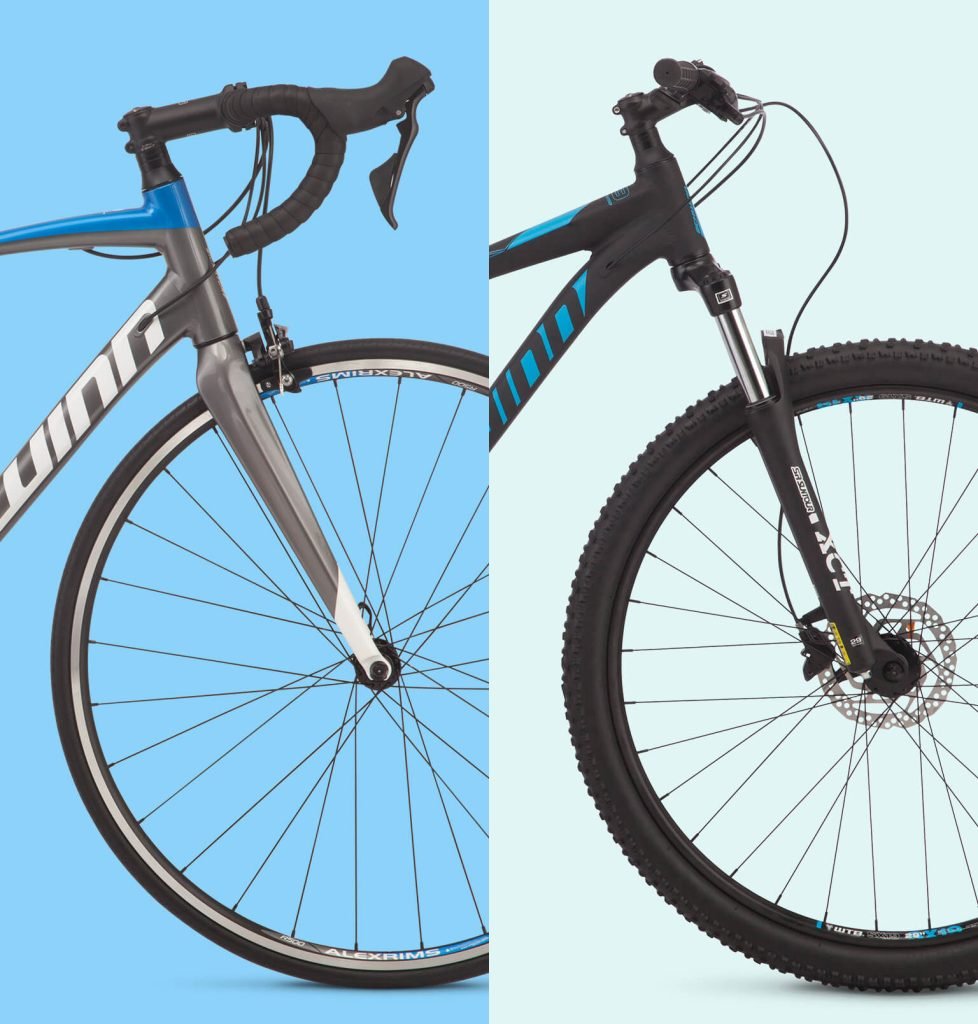
Mountain bikes have a sturdy frame. They are built to withstand rough terrains. The geometry is often more relaxed for better control on trails. Road bikes, on the other hand, feature a lightweight frame. Their geometry is designed for speed and efficiency on paved roads. The materials used in both types of bikes also differ. Carbon and aluminum are common in road bikes, while steel and titanium are often found in mountain bikes.
Weight Considerations
Weight plays a significant role in bike performance. Mountain bikes are typically heavier. This added weight provides stability on uneven surfaces. Road bikes are lighter. This allows for faster speeds on smooth surfaces. The weight difference is due to frame materials and components. Riders should consider their strength and terrain when choosing.
Suspension Systems
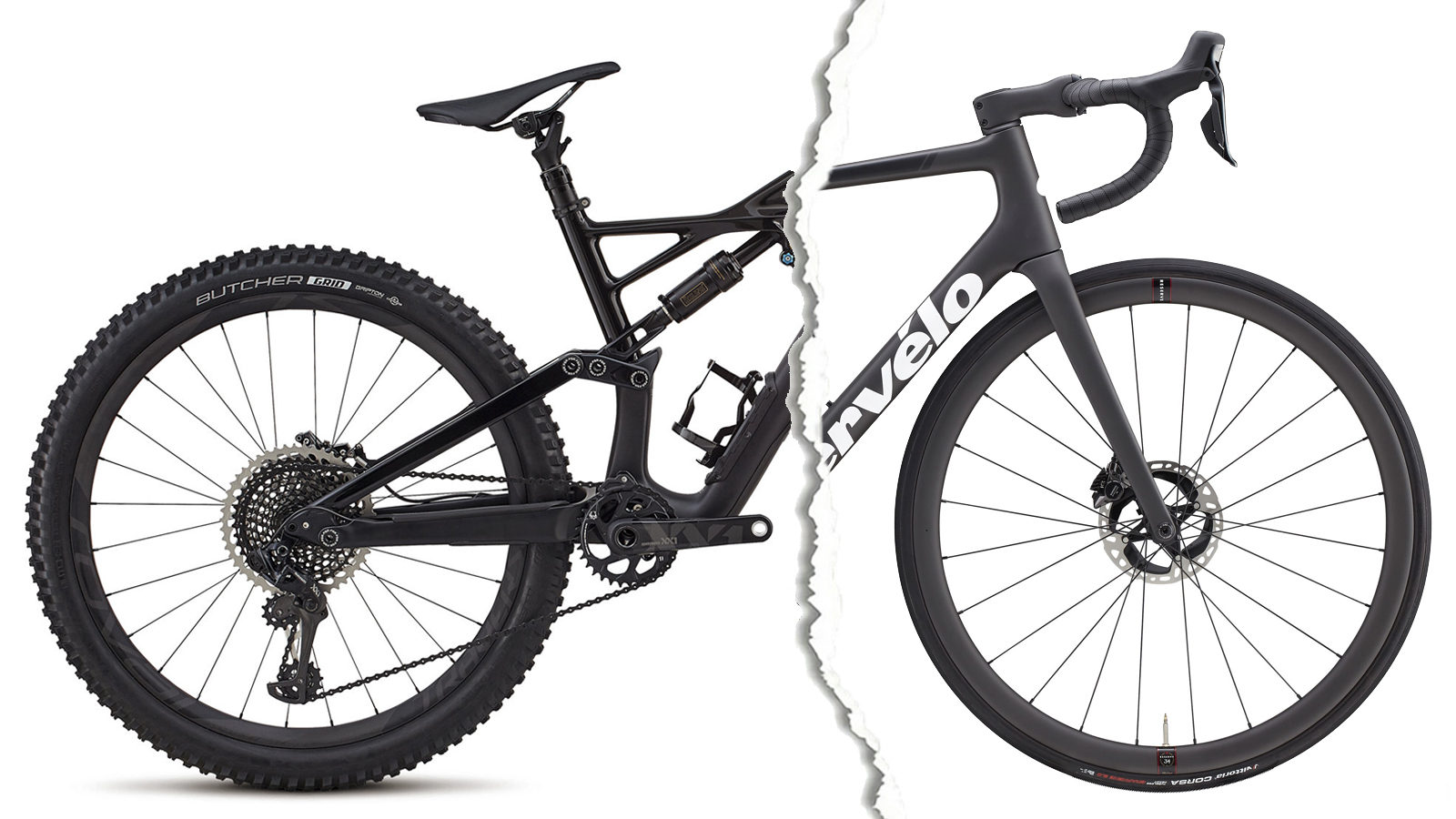
Suspension is a key feature of mountain bikes. It absorbs shocks from rough trails. Many have front suspension, while some have full suspension. Road bikes usually lack suspension systems. They rely on the smoothness of paved roads. This absence reduces weight and increases speed. The choice of suspension affects comfort and control. Riders should think about terrain and personal preference.
Tire And Wheel Features
Understanding the tire and wheel features of mountain and road bikes is crucial. These components significantly impact your riding experience. Both types of bikes are designed for different terrains and purposes. Thus, their tire and wheel features vary greatly. This section explores these differences in detail.
Tire Width And Tread
Mountain bike tires are generally wider than road bike tires. Their width provides stability on uneven terrain. Mountain bike tires also have deep treads. This design ensures better grip on dirt and rocks. Road bike tires, in contrast, are narrow and smooth. They offer less rolling resistance on paved surfaces. This feature allows faster speeds on roads.
Wheel Size Variations
Wheel size is another distinguishing feature between these bikes. Mountain bikes often have larger wheels, typically 29 inches or 27.5 inches. Larger wheels help navigate rough trails efficiently. Road bikes usually have smaller wheels, around 700c in size. Smaller wheels enhance speed and agility on smooth roads. Understanding these wheel size variations helps in choosing the right bike.
Handlebars And Riding Position
Choosing between a mountain bike and a road bike is a decision many cycling enthusiasts face. While each type offers distinct advantages, understanding the differences in handlebars and riding positions can help you make a more informed choice. These elements greatly affect your comfort and control on the bike, and they can influence the overall experience of your ride.
Handlebar Types
Mountain bikes typically feature flat or riser handlebars. These handlebars offer a wide grip, which provides better control and stability, especially when navigating rough terrain. Imagine tackling rocky paths—flat handlebars allow you to maneuver with precision.
Road bikes, on the other hand, often come equipped with drop handlebars. These are designed for aerodynamics, enabling you to ride faster with less wind resistance. Drop handlebars offer multiple hand positions, allowing you to shift your posture during longer rides.
Consider your riding environment. Are you tackling rugged trails or cruising on paved roads? Your choice of handlebars could enhance your cycling experience significantly.
Rider Posture
On a mountain bike, the riding position is more upright. This posture is comfortable for prolonged rides and offers a better view of the path ahead, crucial for off-road adventures. You feel more centered, ready to tackle unexpected obstacles.
Road bikes promote a more aerodynamic, leaned-forward position. This posture reduces wind resistance, helping you maintain speed on long stretches of road. It’s all about efficiency and speed, but may not be as comfortable for casual riders.
Think about your comfort level and preferred riding style. Do you prioritize speed and efficiency, or comfort and stability? Your posture on the bike can make or break the enjoyment of your ride.
Ultimately, your choice between a mountain bike and a road bike should reflect your personal riding preferences and goals. Which environment do you see yourself conquering—challenging mountain trails or smooth, open roads? Consider how handlebars and posture might impact your cycling journey. Would you rather have the control and stability of a mountain bike, or the speed and efficiency of a road bike?
Gearing And Brakes
When choosing between a mountain bike and a road bike, understanding the differences in gearing and brakes can significantly impact your riding experience. Gearing determines how efficiently you can tackle various terrains, while brakes ensure your safety and control. These components are crucial in defining the bike’s purpose and performance. Let’s dive into the specifics.
Gear Range Differences
Mountain bikes are designed for rugged terrains, which means they come equipped with a wide gear range. This helps you climb steep hills and navigate rough paths with ease. Imagine you’re pedaling up a rocky trail; those extra low gears are your best friend.
On the other hand, road bikes feature a narrower gear range tailored for speed and efficiency on paved surfaces. They focus more on higher gears, allowing you to maintain a swift pace on flat roads. If you love zooming down highways, the road bike’s gearing is optimized for that exhilarating ride.
Consider what terrain excites you. Do you crave the thrill of mountain trails or the smoothness of asphalt roads?
Brake Types
Brakes are your safety net, ensuring control and security. Mountain bikes typically use disc brakes. These offer reliable stopping power in muddy or wet conditions. Picture yourself speeding down a slippery descent; disc brakes provide the confidence to stop precisely when needed.
Road bikes generally employ caliper brakes, which are lighter and aerodynamic, suitable for fast-paced road conditions. They are effective on dry surfaces but might struggle in harsher weather. If your rides are mostly on sunny days, caliper brakes are a great fit.
Think about your usual riding conditions. Do you often ride in unpredictable weather or stick to sunny paths?
Choosing the right bike depends heavily on your preferred environment and riding style. Consider these gear and brake differences carefully, and you’ll be better equipped to make a decision that enhances your biking adventures.
Terrain Suitability
Choosing between a mountain bike and a road bike often depends on terrain suitability. Each bike excels in different environments. Understanding these differences helps in making the right choice. Let’s explore how each bike performs on various terrains.
Off-road Performance
Mountain bikes dominate rough, uneven trails. Their wide tires grip dirt paths well. Suspension systems absorb shocks from rocks and bumps. This provides a smoother ride. They are perfect for forest trails and mountainous terrains. Their robust frames withstand tough conditions. Lower gear ratios help in climbing steep hills. These features make mountain bikes ideal for adventurous off-road rides.
Paved Road Efficiency
Road bikes excel on smooth, paved surfaces. Their narrow tires reduce friction. This leads to faster speeds on asphalt. Lightweight frames enhance speed and efficiency. Road bikes have higher gear ratios. This allows faster pedaling on flat surfaces. They are best for long-distance rides on highways. Aerodynamic design helps in cutting through the wind. Ideal for cyclists who love speed and endurance on roads.
Speed And Agility
Mountain bikes excel in agility, tackling rough terrains with ease. Road bikes offer superior speed, perfect for smooth paths. Each bike suits different needs.
Choosing between a mountain bike and a road bike often boils down to evaluating their speed and agility. These two features can significantly affect your cycling experience, whether you’re racing down a hill or cruising on smooth tarmac. Understanding how each bike performs in these areas will help you make an informed choice based on your cycling goals.Speed Capabilities
Mountain bikes are built for rugged terrains, which means they often sacrifice speed for durability and control. Their thicker tires and sturdier frames can slow you down on flat, paved surfaces. However, if your adventures take you off-road, the slower pace is a trade-off for stability and grip. On the other hand, road bikes are designed with speed in mind. Their lightweight frames and narrow tires allow you to zip along roads effortlessly. Imagine riding down a scenic highway with minimal resistance—it’s like the bike is an extension of your legs, propelling you forward with each pedal stroke. But what about mixed terrains? If you find yourself frequently switching between dirt paths and city streets, you might wonder which option is best. A hybrid bike could offer a balanced compromise, but it might not excel in either category like its specialized counterparts.Maneuverability
Mountain bikes shine in their ability to handle twists, turns, and obstacles. Their wider handlebars and robust suspension systems make them highly maneuverable in tricky situations. Picture yourself navigating a rocky trail—you need to make quick adjustments, and a mountain bike responds like a trusty companion ready for anything. In contrast, road bikes prioritize a streamlined, aerodynamic design for straight-line speed. This can sometimes make them less nimble when quick turns are needed. Ever tried making a sharp turn on a road bike? It can feel a bit like steering a ship—smooth but deliberate. Your choice may depend on the type of rides you enjoy. Do you relish the thrill of weaving through forest trails, or do you prefer the challenge of maintaining high speeds on open roads? Each bike brings its unique strengths to the table, aligning with your cycling aspirations. Considering these differences, which bike aligns with your cycling adventures? Your decision might just redefine your journey on two wheels.Comfort And Ergonomics
When choosing between a mountain bike and a road bike, comfort and ergonomics are crucial. Each type offers unique benefits for different riding experiences. Understanding these differences can help make a better choice for your needs.
Ride Comfort
Mountain bikes are designed for rugged terrains. They have wider tires and suspension systems. This setup absorbs shocks from uneven surfaces. It offers a smoother ride on trails and rocky paths. Road bikes, in contrast, are built for speed on smooth pavements. They have thinner tires and a rigid frame. This design maximizes speed but may feel harsher on bumpy roads.
Ergonomic Features
Mountain bikes typically have a more upright riding position. This position reduces strain on the back and shoulders. It’s ideal for longer rides on challenging terrain. Road bikes have a more aerodynamic posture. The handlebars are lower, making riders lean forward. This can be less comfortable for long rides. But it aids in cutting through wind resistance.
Cost And Maintenance
Mountain bikes generally have higher maintenance costs due to complex suspension systems. Road bikes, with simpler designs, require less frequent repairs. Both need regular tune-ups to stay in top condition.
Deciding between a mountain bike and a road bike can be a thrilling yet challenging decision. One of the key factors that might sway your choice is understanding the cost and maintenance of each type. From the initial purchase price to the ongoing care, these aspects can significantly impact your cycling experience and budget.Price Range
The cost of mountain bikes and road bikes can vary widely. Mountain bikes often start at a lower price point, making them accessible for beginners. However, high-end models designed for intense trail riding can be quite pricey. Road bikes, on the other hand, can start with a moderate investment for a quality ride. Racing models with advanced features can reach into the thousands. Consider what you want from your bike. Are you seeking performance or just a casual ride? Your choice will influence how much you spend.Maintenance Needs
Maintenance is crucial for both mountain and road bikes, but the needs differ. Mountain bikes often endure rugged terrains, leading to more frequent repairs. Road bikes, designed for smoother surfaces, generally require less maintenance. Yet, regular checks like tire pressure and brake adjustments are vital for any bike. Imagine the satisfaction of a ride uninterrupted by mechanical issues. Regular maintenance ensures you enjoy every moment without unexpected breakdowns. What about the tools and skills needed for maintenance? Some tasks are straightforward, while others might require expert help. Consider investing time in learning basic repairs. It can save money and enhance your biking experience. The choice between a mountain bike and a road bike isn’t just about the ride itself but also how much you’re willing to invest in its upkeep. How much effort are you willing to put in to keep your bike in top shape? By understanding the cost and maintenance differences, you can make a more informed decision that aligns with your cycling goals and budget.Choosing The Right Bike
Choosing the right bike can be a thrilling adventure. Mountain bikes and road bikes each offer unique experiences. Selecting the right one depends on your needs and preferences. Understanding what each type offers helps in making an informed decision.
Personal Preferences
Your taste matters in picking a bike. Consider your comfort level with each type. Mountain bikes provide a rugged feel. They are perfect for those who enjoy off-road challenges. Road bikes offer a sleek ride. They suit individuals who love speed and smooth surfaces.
Think about the riding position you prefer. Mountain bikes have a more upright position. This is great for enjoying nature while cycling. Road bikes have a bent-forward position. It is ideal for those focused on speed and efficiency.
Intended Use
Purpose plays a crucial role in choosing a bike. Mountain bikes are designed for trails and rough terrains. They are sturdy and can handle bumps and jumps. Road bikes are made for pavement and long distances. They are lightweight and provide swift rides.
Consider where you will ride most often. Mountain bikes thrive in forests and mountains. Road bikes excel on streets and highways. Your lifestyle and surroundings impact your choice significantly.

Credit: pedalchile.com
Credit: www.cyclingnews.com
Frequently Asked Questions
Which Is Better Mountain Bike Or Road Bike?
Choosing between a mountain bike and road bike depends on terrain preference. Mountain bikes excel off-road with rugged design. Road bikes offer speed and efficiency on paved surfaces. Consider your riding environment and goals to decide which suits you better.
Can You Use A Mountain Bike As A Road Bike?
Yes, you can use a mountain bike as a road bike. Swap knobby tires for smoother ones for better efficiency. Adjust the seat and handlebars for comfort. While heavier and slower, mountain bikes are durable and versatile for road use.
What Are The Disadvantages Of A Mountain Bike?
Mountain bikes are heavier, making them harder to pedal uphill. Their knobby tires create more rolling resistance. Maintenance costs are higher due to complex suspension systems. Mountain bikes lack speed on smooth surfaces. They offer fewer gears compared to road bikes, limiting versatility in varied terrains.
What Are The Disadvantages Of A Road Bike?
Road bikes offer less comfort due to thin tires and minimal suspension. They struggle on rough terrains and gravel paths. The lightweight frame is prone to damage. Limited gear range makes uphill rides challenging. High cost for maintenance and upgrades is a disadvantage.
They lack versatility for mixed-use riding.
Conclusion
Choosing between a mountain bike and a road bike depends on your needs. Mountain bikes are perfect for rough terrains and trails. Road bikes excel on smooth, paved paths and long distances. Both offer unique experiences and benefits. Consider where you’ll ride most often.
Also, think about comfort and speed. Test both types if possible. This helps you decide which suits your lifestyle best. Remember, the best bike is one you enjoy riding. So, make your choice and enjoy the ride!



