
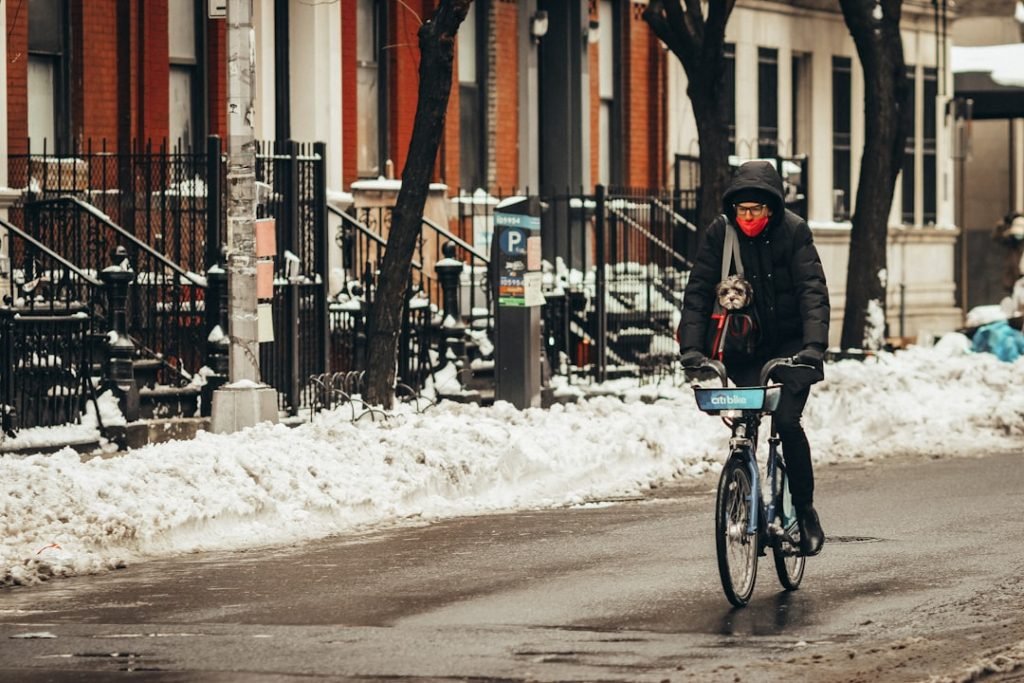
Winter biking can be a thrilling experience, but it also presents unique challenges, especially when it comes to safety and comfort. Your helmet is your most crucial piece of gear, and knowing how to optimize it for winter conditions can make all the difference.
Imagine cruising through frosty trails with confidence, feeling the crisp air without the bite of cold. In this guide, you’ll discover essential winter bike helmet tips that will not only enhance your safety but also elevate your riding experience to a whole new level.
Get ready to transform your winter rides into unforgettable adventures, all while keeping warm and secure. Dive into the article to unlock the secrets of a perfectly prepared winter helmet!
Credit: www.abicyclette-voyages.com
Choosing The Right Helmet
A helmet should fit well on your head. It should not be too tight or too loose. Measure your head with a tape. This helps find the right size. Always try the helmet before buying. Make sure it sits level on your head. It should cover your forehead. The straps should form a “V” under your ears. Buckle it under your chin. You should be able to fit a finger between the strap and your chin. A snug fit is important for safety.
Helmets are made from different materials. Some have foam inside. Foam keeps your head safe. In winter, look for helmets with extra insulation. This keeps you warm. Some helmets have a removable liner. You can wash it when it gets dirty. Check if the helmet has vents. Vents let air in. This prevents sweating. Choose a helmet that feels comfortable. Try different ones to see which feels best.
Layering For Warmth
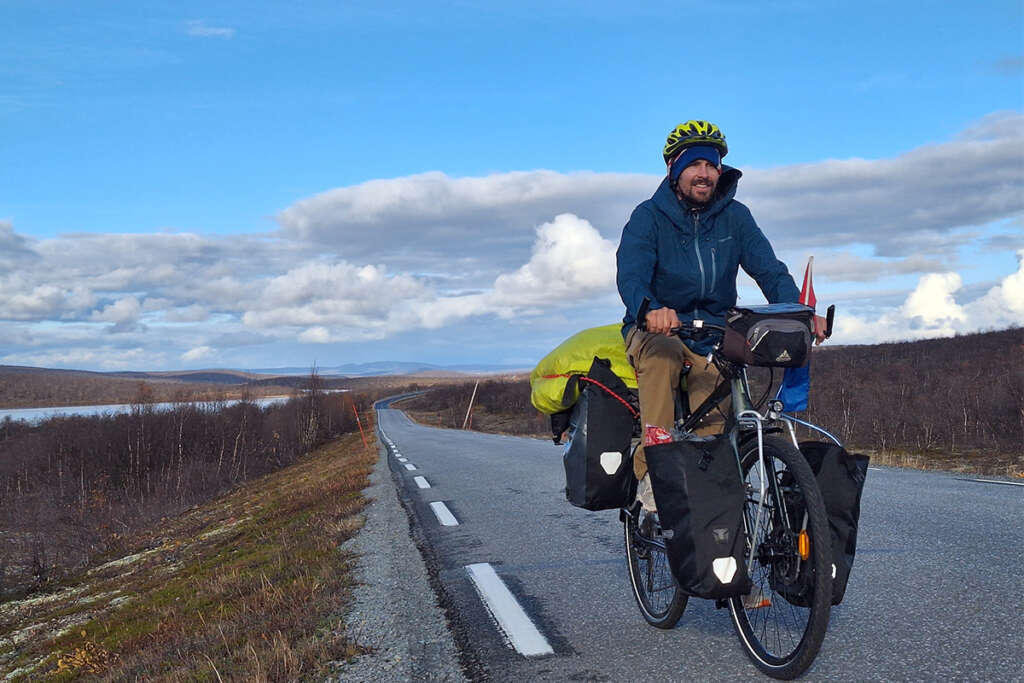
Base layers keep you warm on cold days. Choose thermal tops and leggings. These fit snugly and trap heat. Add a balaclava for neck and face warmth. It fits under your helmet easily. Balaclavas also block wind and cold.
Helmet liners add extra warmth. These fit inside your helmet. They stop cold air from reaching your head. Liners are thin and comfortable. Choose one made of fleece or wool. This keeps you cozy on chilly rides.
Weatherproofing Your Helmet
Winter rides can be chilly. A helmet should block windand water. Choose helmets with a tight fit. Look for helmets with a sealed exterior. They prevent water from soaking in. Some helmets have extra padding. This helps keep warmth inside. A good helmet has windproof features. These features stop cold air from entering.
Ventilation is key for comfort. Helmets need proper airflow. Airflow stops fogging. Fogging happens on cold days. Choose helmets with adjustable vents. Adjust vents according to the weather. Close them on cold days. Open them on warm days. Ventilationkeeps your head dry and comfortable. It prevents overheating. A balance between warmth and airflow is important.
Visibility In Low Light
Reflective elements on bike helmets increase safety. They catch light from cars. This makes bikers easy to see. Reflective tape can be added. It is cheap and effective. Some helmets have built-in reflective designs. These are great for night rides. Bright colors help too. They stand out in dark settings.
Helmet lights improve visibility. They are easy to attach. Some lights flash to grab attention. Others stay steady for constant glow. Rechargeable lights are handy. No need for new batteries often. Accessories like visors can protect eyes from glare. Wind and rain can be blocked too. Helmet covers can shield from cold. They fit snugly and keep warmth in.
Safety Standards And Certifications
Not all helmets are safe. Look for those with safety certifications. Certified helmets meet strict standards. Check for labels like CEor CPSC. These labels show they are tested. A safe helmet protects your head better. Choose helmets with these important marks. They can help keep you safe.
Helmets can get damaged. Regular checks are crucial. Look for cracks or dents. These can make helmets weak. Make sure straps are strong. Loose straps can make helmets fall off. Check the inside for wear. A worn helmet is less safe. Always ensure your helmet is in good shape. A good helmet can save your life.
Credit: www.we-cycle.org
Maintenance And Care
It’s important to keep your winter bike helmet clean. Use a soft cloth to wipe away dirt. Mild soap and warm water work well. Avoid using strong chemicals. These can damage the helmet. After cleaning, let it air dry. Do not use a heater or dryer. Store the helmet in a cool, dry place. This prevents mold and damage. Keep it away from direct sunlight. Sunlight can weaken the helmet’s materials.
Check your helmet for worn or damaged parts. Straps should be strong and not frayed. Look at the foam inside. It should not have cracks. If any part seems weak, replace it. New parts keep your helmet safe. Always use parts from the same brand. This ensures a good fit. A well-maintained helmet protects you better.

Credit: sundaysinsurance.com
Frequently Asked Questions
How To Wear A Bike Helmet In Winter?
Wear a thin beanie or balaclava under the helmet for warmth. Adjust helmet straps for a snug fit. Ensure the helmet sits level on your head. Cover vents with a helmet cover or tape to block cold air. Always prioritize visibility and comfort while riding.
What Is The 2 2 2 Rule When Fitting A Helmet On Your Head?
The 2 2 2 rule ensures helmet fit: two fingers above eyebrows, two straps under ears, and two fingers between chin and strap.
What Is The 5 Year Helmet Rule?
The 5-year helmet rule suggests replacing helmets every five years due to wear, tear, and potential material degradation. Regular updates ensure optimal protection for riders, maintaining safety standards. Always check for specific manufacturer guidelines, as longevity might vary based on usage and design.
What To Wear Under A Cycling Helmet In Winter?
Wear a thermal skull cap or balaclava to keep warm under a cycling helmet in winter. Ensure it’s breathable and moisture-wicking. Opt for a snug fit to maintain comfort and safety. Consider ear covers for added warmth during colder rides.
Conclusion
Embrace winter biking with confidence. Protect your head with the right helmet. Safety should be your priority. Choose a helmet designed for cold weather. Look for features like insulation and wind protection. Ensure a snug fit for maximum safety. Don’t forget visibility; bright colors are helpful.
Adjust straps and padding for comfort. Keep your helmet clean and dry. With these tips, you can enjoy winter rides safely. Stay prepared and make the most of your biking adventures. Your winter rides await, so gear up and pedal away with peace of mind!



