
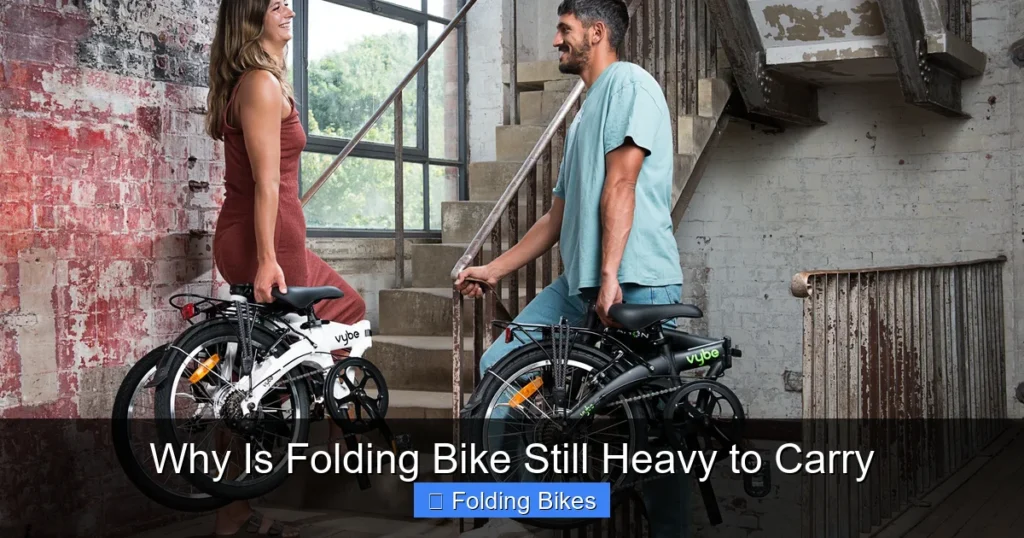
Even though folding bikes are designed for portability, many riders find them surprisingly heavy to carry. This guide explains why folding bikes remain heavy and offers actionable tips to make carrying easier.
Key Takeaways
- Frame materials matter: Steel frames add significant weight, while aluminum and carbon fiber offer lighter alternatives.
- Folding mechanisms add bulk: Hinges, latches, and joints increase structural weight but are essential for compact folding.
- Larger wheels and tires contribute to weight: Bikes with 20-inch or larger wheels often weigh more than ultra-compact models with smaller wheels.
- Integrated components increase heft: Built-in racks, lights, and batteries add convenience but also pounds.
- Motor and battery systems are heavy: E-folding bikes carry extra weight from electric components, making them harder to lift.
- Smart design choices can reduce weight: Choosing minimal accessories and lightweight parts helps improve portability.
- Proper lifting technique prevents strain: Using correct posture and tools like shoulder straps eases the burden of carrying.
Why Is Folding Bike Still Heavy to Carry? A Complete How-To Guide
If you’ve ever lifted a folding bike after a long ride or tried to carry one up a flight of stairs, you’ve probably asked: Why is my folding bike still so heavy? Despite their compact size and foldable design, many folding bikes weigh between 25 and 35 pounds—sometimes more. That’s not exactly light, especially when you’re navigating public transit, storing it in a small apartment, or lifting it over obstacles.
In this guide, we’ll break down the main reasons folding bikes remain heavy, even with modern engineering. You’ll learn what contributes to the weight, how to choose a lighter model, and practical tips to make carrying your folding bike easier—without sacrificing performance or durability.
Understanding Why Folding Bikes Are Heavy
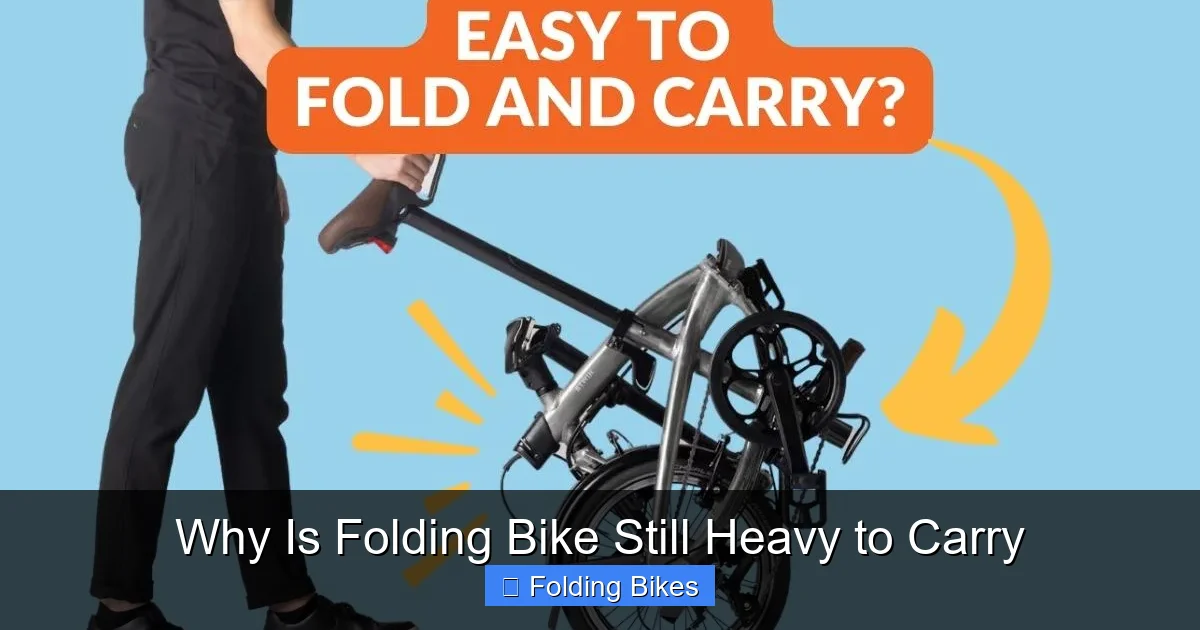
Visual guide about Why Is Folding Bike Still Heavy to Carry
Image source: discerningcyclist.com
At first glance, folding bikes seem like they should be lightweight. After all, they’re built to be portable. But the truth is, several design and functional factors work against weight reduction. Let’s explore the key reasons.
1. Frame Material and Construction
The frame is the backbone of any bike, and in folding bikes, it must be both strong and flexible enough to fold. This dual requirement often leads manufacturers to use heavier materials.
– Steel frames are common in budget and mid-range folding bikes because they’re durable and absorb road vibrations well. However, steel is significantly heavier than other materials. A steel folding bike can easily weigh 30+ pounds.
– Aluminum frames are lighter and resist rust, making them a popular choice for commuters. They strike a good balance between weight and strength.
– Carbon fiber is the lightest option but also the most expensive. Only high-end models use carbon fiber, and even then, the folding mechanism may still add weight.
Tip: If weight is a top concern, look for aluminum or carbon fiber frames. Avoid steel unless durability is your priority over portability.
2. Folding Mechanism Adds Weight
The very feature that makes folding bikes convenient—the ability to fold—also adds weight. Hinges, locking latches, reinforced joints, and double tubing are necessary to maintain structural integrity when the bike is unfolded and in use.
These components must withstand stress from riding, so they’re often made from heavy-duty steel or thick aluminum. While engineers continue to improve hinge designs, there’s a limit to how light these parts can be without compromising safety.
For example, a typical folding hinge might weigh 1–2 pounds on its own. Multiply that by several connection points, and you’ve added significant weight.
3. Wheel Size and Tire Type
Many folding bikes use 20-inch wheels, which are larger than those on ultra-compact models like the Brompton (which uses 16-inch wheels). Larger wheels improve ride quality and stability but also add weight.
Additionally, some folding bikes come with wider tires for better grip and comfort, especially on rough roads. While great for performance, wider tires and stronger rims increase overall weight.
Tip: If you prioritize lightness, consider models with smaller wheels (16 or 18 inches) and narrow, lightweight tires. Just be aware that smaller wheels may feel less stable at high speeds.
4. Integrated Accessories and Features
Modern folding bikes often come with built-in features like rear racks, fenders, chain guards, and even lights. While convenient, these add-ons increase weight.
For instance, a rear rack can add 1–2 pounds. Add a battery-powered light system, and you’re looking at another pound or two. Some e-folding bikes even include a built-in phone holder or USB charging port—each contributing to the total weight.
Tip: Choose only the accessories you truly need. You can always add lightweight aftermarket options later. For example, a simple how to carry groceries on bike guide shows how to use panniers instead of heavy built-in racks.
5. Electric Motors and Batteries
E-folding bikes are growing in popularity, but they come with a major weight penalty. The motor, battery, and wiring can add 8–15 pounds compared to a non-electric model.
Even when the motor isn’t in use, you’re still carrying that extra weight. This makes lifting and carrying much harder, especially if you need to take the bike upstairs or onto a train.
Tip: If you need an e-folding bike, look for models with removable batteries. This lets you leave the battery at home or charge it separately, reducing carry weight.
How to Choose a Lighter Folding Bike
Now that you know why folding bikes are heavy, let’s talk about how to pick one that’s as light as possible—without sacrificing usability.
1. Prioritize Frame Material
As mentioned earlier, aluminum and carbon fiber are your best bets for lightweight frames. Check the product specs before buying. A good target is under 28 pounds for a non-electric model.
2. Consider Wheel Size
Smaller wheels mean less weight. If you don’t need high-speed performance, a 16-inch wheel bike like the Brompton or Tern Link can be significantly lighter than 20-inch models.
3. Avoid Unnecessary Features
Skip models with built-in racks, heavy fenders, or complex lighting systems unless you really need them. You can always add lightweight alternatives later.
4. Test the Weight Before Buying
If possible, lift the bike in the store. Does it feel manageable? Can you carry it for 100 feet? Your arms and back will thank you later.
Practical Tips to Make Carrying Easier
Even the lightest folding bike can feel heavy after a while. Here are some smart strategies to reduce the strain.
1. Use a Shoulder Strap or Carry Handle
Many folding bikes come with a built-in carry handle or have attachment points for a shoulder strap. These distribute the weight and free up your hands.
Tip: If your bike doesn’t have one, consider adding a padded shoulder strap. It’s a small investment that makes a big difference.
2. Fold It Properly
A well-folded bike is more compact and easier to carry. Practice folding your bike until it’s quick and smooth. A neatly folded bike won’t snag on doors or stairs.
3. Lift with Your Legs, Not Your Back
When lifting your bike, bend your knees and keep your back straight. This prevents injury, especially if you’re carrying it up stairs or into a building.
4. Use a Bike Bag or Cover
A lightweight bike bag not only protects your bike but also makes it easier to carry. Some bags have backpack-style straps, turning your folded bike into a wearable load.
5. Remove Heavy Accessories When Not Needed
If you’re not using your rear rack or lights, take them off. Every pound counts when you’re carrying the bike.
Troubleshooting Common Carrying Issues
Even with the best planning, you might run into problems. Here’s how to handle them.
Problem: The Bike Is Too Heavy to Carry Up Stairs
Solution: Use a two-person lift if possible. Alternatively, look for models under 25 pounds or consider a cargo trailer for longer trips.
Problem: The Folded Bike Is Bulky and Hard to Manage
Solution: Practice folding it in tight spaces. Some bikes fold smaller than others—research folding dimensions before buying.
Problem: The Handle or Strap Is Uncomfortable
Solution: Add padding or switch to an ergonomic strap. A how to carry a bike lock while riding guide offers tips on distributing weight with straps.
Conclusion
So, why is folding bike still heavy to carry? The answer lies in a combination of frame materials, folding mechanisms, wheel size, and added features. While modern engineering has made folding bikes more portable than ever, they’re still not as light as traditional non-folding bikes.
But that doesn’t mean you’re stuck with a heavy load. By choosing the right materials, avoiding unnecessary accessories, and using smart carrying techniques, you can significantly reduce the burden. Whether you’re commuting, traveling, or just storing your bike in a small space, a lighter, well-designed folding bike can make all the difference.
Remember: portability isn’t just about size—it’s also about weight. Make informed choices, and your folding bike will be a joy to ride—and carry.



