
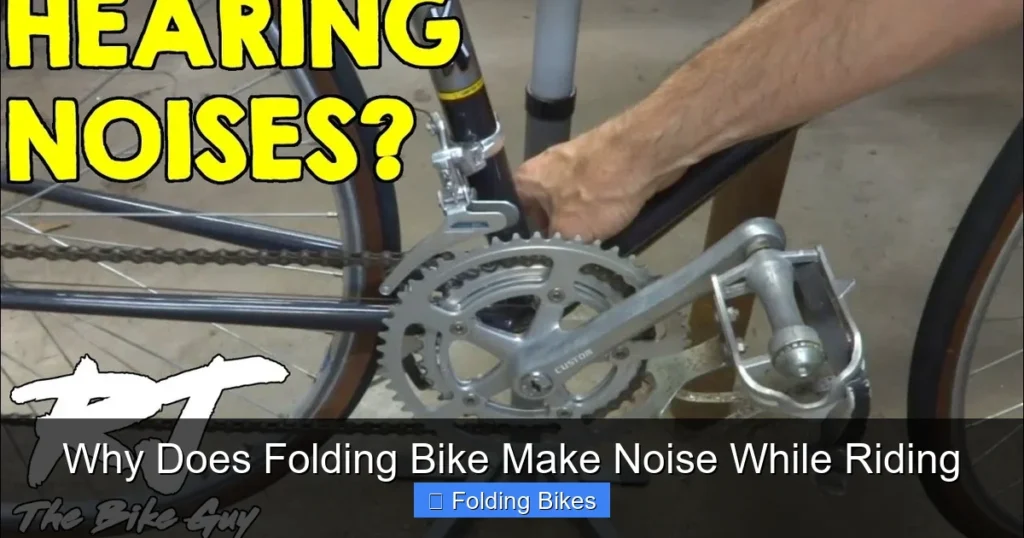
Folding bikes often make noise due to loose parts, lack of lubrication, or worn components. This guide helps you identify the source of the sound and fix it with simple, step-by-step solutions.
Key Takeaways
- Most folding bike noises come from loose or unsecured parts. Regular checks on hinges, bolts, and clamps can prevent rattling and squeaking.
- Lubrication is key to reducing friction-related sounds. Apply bike-specific lubricant to chains, hinges, and moving joints regularly.
- Worn tires or misaligned wheels can cause rhythmic thumping or scraping. Inspect tires for wear and ensure wheels spin freely and straight.
- Pedals and cranksets often rattle if not tightened properly. Check pedal threads and crank arm bolts during routine maintenance.
- Folding mechanisms need special attention. Hinges and locking levers can loosen over time, creating annoying clicks or creaks.
- Use the right tools and follow a maintenance schedule. A basic bike tool kit helps you stay on top of adjustments and repairs.
- Store and maintain your bike properly to extend its life. Learn how to store your folding bike safely and keep it in top condition.
Why Does Folding Bike Make Noise While Riding?
If you’ve ever been on a peaceful ride only to be interrupted by a squeak, rattle, or clunk from your folding bike, you’re not alone. Folding bikes are more prone to noise than traditional bikes because of their compact design, multiple moving parts, and frequent folding and unfolding. But don’t worry—most noises are easy to fix with a little know-how and regular maintenance.
In this guide, you’ll learn how to identify the source of the noise, understand why it’s happening, and apply practical fixes. Whether it’s a squeaky chain, a rattling hinge, or a clicking pedal, we’ll walk you through each step so you can enjoy a smooth, quiet ride.
Step 1: Identify the Type of Noise
Visual guide about Why Does Folding Bike Make Noise While Riding
Image source: img.vevorstatic.com
Before fixing any issue, you need to know what kind of sound you’re dealing with. Different noises point to different problems.
Squeaking or Squealing
This high-pitched sound often comes from dry or dirty parts. The most common culprits are:
- The chain
- Brake pads rubbing against the rim
- Dry hinge joints
Rattling or Clunking
A loose or vibrating part usually causes this. Check:
- Folding frame hinges
- Bottle cages or accessories
- Loose bolts on the seat post or handlebars
Clicking or Ticking
This rhythmic sound often comes from the drivetrain. Look at:
- Pedals and crank arms
- Chainring bolts
- Derailleur or gear cables
Thumping or Scraping
This could mean a wheel issue. Inspect:
- Tire tread for wear or debris
- Wheel alignment and spokes
- Brake calipers touching the rim
Step 2: Check and Tighten All Bolts and Fasteners
Loose bolts are one of the top reasons folding bikes make noise. Because these bikes are folded and unfolded regularly, screws and clamps can loosen over time.
Inspect Key Areas
Use a wrench or Allen key to check:
- Frame hinge bolts (where the bike folds)
- Handlebar stem and clamp
- Seat post clamp
- Pedal threads (left pedal is reverse-threaded)
- Brake and derailleur mounting bolts
Pro Tip
Keep a small bike tool kit in your bag or at home so you can tighten bolts on the go. A few minutes of tightening can save you from a noisy ride.
Step 3: Lubricate Moving Parts
Dry or dirty parts create friction, which leads to noise. Regular lubrication keeps everything running smoothly.
Chain and Drivetrain
Apply a few drops of bike-specific chain lube to each link. Wipe off excess to avoid attracting dirt. Do this every 100 miles or after riding in wet conditions.
Hinges and Folding Joints
Folding bikes have multiple hinges. Use a light lubricant like silicone spray or bike grease on:
- Main frame hinge
- Handlebar folding joint
- Seat post clamp mechanism
Pedals and Crankset
Remove pedals and apply grease to the threads before reattaching. This prevents creaking and makes removal easier later.
Storage Tip
Store your lubricant properly to keep it effective. Learn how to store bike lubricant for long-term use.
Step 4: Inspect Tires and Wheels
Noisy tires or misaligned wheels can ruin your ride. Check them regularly.
Look for Wear and Debris
Inspect tire treads for cuts, embedded stones, or uneven wear. Remove any debris stuck in the tread.
Check Wheel Alignment
Spin each wheel and watch if it wobbles. A bent rim or loose spokes can cause thumping. If the wheel isn’t straight, take it to a bike shop for truing.
Tire Pressure Matters
Underinflated tires can cause a slapping sound. Use a folding bike pump to maintain the recommended PSI (usually printed on the tire sidewall).
Step 5: Examine the Braking System
Brake noise is common, especially in wet or dusty conditions.
Check Brake Pads
Worn or misaligned pads can squeal. Replace pads if they’re thin or glazed. Adjust them so they touch the rim evenly without rubbing when not braking.
Clean the Rims
Use rubbing alcohol and a cloth to clean the braking surface. Dirt and oil reduce grip and cause noise.
Test After Adjustment
Squeeze the brakes while spinning the wheel. Listen for rubbing. If you hear it, fine-tune the caliper position.
Step 6: Address the Folding Mechanism
The folding system is unique to these bikes and a common noise source.
Check Locking Levers
Make sure all folding levers are fully engaged and tight. A loose lever can rattle or even fail, which is dangerous.
Lubricate Hinges
Apply a small amount of grease to the pivot points of the main hinge. Avoid over-lubricating, as dirt can stick to excess grease.
Test the Fold
Fold and unfold the bike a few times. Listen for creaks or stiffness. If it’s hard to fold, the mechanism may need adjustment or cleaning.
Troubleshooting Common Noise Problems
Even after following the steps above, some noises may persist. Here’s how to handle tricky cases.
Noise Only When Pedaling
This usually points to the drivetrain. Check:
- Chain wear (use a chain checker tool)
- Bottom bracket for play or creaking
- Crank arms for looseness
Noise When Going Over Bumps
This could be from loose accessories or suspension (if your bike has it). Secure water bottles, bags, or lights. If your bike has front suspension, check for air leaks or worn seals.
Intermittent Clicking
This is often a loose chainring bolt. Remove the crank arm and tighten all chainring bolts with a torque wrench.
Preventative Maintenance Tips
The best way to avoid noise is to stay ahead of problems.
Create a Maintenance Schedule
- Weekly: Check tire pressure and brakes
- Monthly: Lubricate chain and hinges, tighten bolts
- Every 6 months: Deep clean and inspect all parts
Keep a Maintenance Log
Note when you last serviced each part. This helps you stay consistent and catch issues early.
Store Your Bike Properly
Keep your folding bike in a dry, cool place. Learn how to store your folding bike to prevent rust and wear.
Conclusion
Folding bikes make noise for many reasons, but most are easy to fix. By identifying the type of sound, checking for loose parts, lubricating moving components, and maintaining your bike regularly, you can enjoy a quiet, smooth ride every time.
Don’t let a little squeak or rattle discourage you from using your folding bike. With the right tools and a bit of attention, you can keep your bike running like new. Remember, regular maintenance not only reduces noise but also extends the life of your bike and improves safety.
Take a few minutes each week to inspect and care for your folding bike. Your ears—and your ride—will thank you.



