
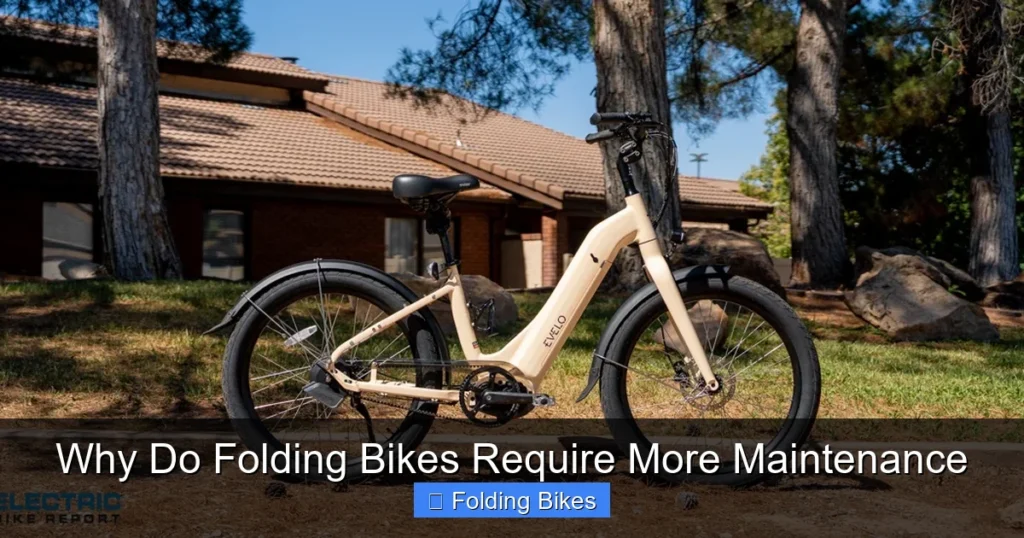
Folding bikes require more maintenance than regular bikes because of their complex hinges, smaller wheels, and tightly packed components. This guide explains the reasons behind the extra upkeep and offers practical tips to keep your folding bike in top shape.
Key Takeaways
- Hinges and joints need regular lubrication: Folding mechanisms have moving parts that wear faster and collect dirt, requiring frequent cleaning and greasing.
- Smaller wheels wear out quicker: Compact wheels endure more stress and wear down faster, especially on rough roads.
- Cables and brakes need frequent checks: Tight folding can strain brake and gear cables, leading to poor performance if not maintained.
- Weather exposure affects compact parts: Rain, dust, and humidity easily reach internal components, increasing corrosion risk.
- Frequent folding increases wear: Constant folding and unfolding puts stress on frames and latches, leading to loosening or damage over time.
- Use the right tools and lubricants: Specialized maintenance tools and bike-specific lubricants help extend the life of folding mechanisms.
- Regular inspections prevent big problems: A quick weekly check can catch issues early and save time and money.
Why Do Folding Bikes Require More Maintenance?
Folding bikes are amazing for city commuting, travel, and storage. They fit in small spaces, go on trains, and tuck under desks. But their clever design comes with a trade-off: they need more maintenance than standard bikes. If you own a folding bike, you’ve probably noticed that things loosen up faster, parts wear quicker, and adjustments seem to be needed all the time.
In this guide, you’ll learn exactly why folding bikes demand extra care. We’ll walk through the main reasons, show you how to spot problems early, and give you step-by-step tips to keep your bike running smoothly. Whether you ride daily or just on weekends, this guide will help you get the most out of your folding bike with less hassle.
Reason 1: Hinges and Folding Joints Wear Faster
Visual guide about Why Do Folding Bikes Require More Maintenance
Image source: i.pinimg.com
The most obvious difference between a folding bike and a regular bike is the hinges. These joints allow the frame to fold, but they also introduce moving parts that aren’t found on standard bikes. Every time you fold or unfold your bike, these hinges move, creating friction.
How Hinges Cause Maintenance Needs
- Friction leads to wear: Metal-on-metal contact wears down surfaces over time, especially if not lubricated.
- Dirt and moisture get trapped: Hinges collect dust, sand, and water, which mix with grease to form a gritty paste that accelerates wear.
- Latches can loosen: The mechanisms that lock the frame in place can become misaligned or weak with repeated use.
How to Maintain Hinges and Joints
- Clean weekly: Use a soft brush and mild soap to remove dirt from hinges. Dry thoroughly.
- Lubricate monthly: Apply a light bike-specific lubricant (like silicone spray or chain oil) to pivot points. Avoid heavy grease that attracts dirt.
- Check latch tension: Make sure folding latches click securely. If they feel loose, tighten bolts or replace worn parts.
Pro Tip: After riding in the rain, wipe down hinges and re-lubricate to prevent rust.
Reason 2: Smaller Wheels Wear Out Quicker
Folding bikes use smaller wheels—usually 16” to 20”—to make them compact. While this helps with portability, it also means the wheels take more punishment.
Why Small Wheels Need More Care
- Higher rotational stress: Smaller wheels spin faster to keep up with larger ones, increasing wear on rims and tires.
- Less cushioning: Smaller wheels absorb less shock, so bumps hit harder, wearing out tires and spokes faster.
- More prone to pinch flats: Narrower tires on small rims are easier to pinch when hitting potholes or curbs.
How to Maintain Small Wheels
- Check tire pressure weekly: Under-inflated tires wear faster and are more likely to get flats. Use a best folding bike pump for easy on-the-go adjustments.
- Inspect tires for cuts or wear: Look for cracks, bulges, or worn tread. Replace tires at the first sign of damage.
- True the wheels regularly: Small wheels can go out of alignment faster. If your bike wobbles, take it to a shop or learn to true wheels yourself.
Pro Tip: Consider upgrading to puncture-resistant tires like those recommended in our guide to best bike tires for low maintenance.
Reason 3: Cables and Brakes Are Under More Stress
Folding bikes often have cables that bend sharply when the bike is folded. This constant bending weakens brake and gear cables over time.
How Cables Suffer in Folding Bikes
- Repeated bending causes fatigue: Steel cables can fray or snap if bent too often in tight spaces.
- Brake performance drops: Worn cables lead to spongy brakes or delayed response.
- Housing can crack: The protective casing around cables may split at fold points, letting dirt in.
How to Maintain Cables and Brakes
- Lubricate cables every 3 months: Use cable lubricant to reduce friction and prevent rust.
- Inspect for fraying: Look for broken strands near fold points or where cables enter housing.
- Replace cables annually: Even if they look fine, cables should be replaced every 12–18 months for safety.
- Check brake pads: Small wheels mean smaller brake pads, which wear faster. Replace when thickness is less than 1mm.
Pro Tip: If your brakes feel weak, check cable tension first. Adjust or replace as needed.
Reason 4: Compact Design Traps Dirt and Moisture
Folding bikes pack a lot into a small space. While this is great for portability, it means dirt, water, and grime can easily reach internal parts.
Why Compact Bikes Attract More Grime
- Less shielding: Components like chains, gears, and hinges are often exposed or minimally covered.
- Harder to clean: Tight spaces make it difficult to reach and clean all areas thoroughly.
- Moisture lingers: Water can get trapped in joints and frames, leading to rust and corrosion.
How to Keep Your Folding Bike Clean
- Wipe down after every ride: Use a damp cloth to remove surface dirt, especially after wet or muddy rides.
- Deep clean monthly: Use a bike-specific cleaner and soft brush to clean the chain, gears, and hinges.
- Dry thoroughly: After washing, dry the bike completely, especially around hinges and latches.
- Use fenders: Install fenders to reduce splash and protect key components. See our guide on how to install fenders on hybrid bikes for tips that also apply to folding models.
Pro Tip: Store your bike in a dry place. If you must leave it outside, use a bike cover.
Reason 5: Frequent Folding Causes Mechanical Stress
Every time you fold your bike, you’re putting stress on the frame, latches, and connectors. Over time, this can lead to loosening, misalignment, or even cracks.
How Folding Damages Your Bike
- Frame fatigue: Repeated folding weakens stress points, especially near hinges.
- Latches wear out: Plastic or metal latches can crack or lose tension.
- Bolts loosen: Vibration and movement cause bolts to back out over time.
How to Reduce Folding Stress
- Fold gently: Don’t force the bike into position. If it doesn’t fold smoothly, check for obstructions.
- Check bolts monthly: Use a wrench to tighten hinge bolts, latch screws, and seat post clamps.
- Inspect for cracks: Look closely at hinge areas and frame joints for hairline fractures.
- Lubricate latches: A drop of oil on latch mechanisms keeps them moving smoothly.
Pro Tip: If your bike feels wobbly when unfolded, it may be time to replace worn hinges or latches.
Troubleshooting Common Folding Bike Problems
Even with regular maintenance, issues can pop up. Here’s how to fix the most common ones.
Bike Won’t Fold Smoothly
- Cause: Dirt in hinges or dry latches.
- Fix: Clean and lubricate all moving parts. Check for bent components.
Brake Feels Spongy
- Cause: Worn cables or air in hydraulic lines.
- Fix: Replace cables or bleed hydraulic brakes. Adjust brake pads.
Tires Lose Air Fast
- Cause: Pinch flats or valve issues.
- Fix: Check tire pressure, inspect for cuts, and ensure valves are tight. Use a best pump for racing bikes with a pressure gauge for accuracy.
Chain Skips or Slips
- Cause: Worn chain or cassette.
- Fix: Replace the chain if it’s stretched. Check cassette for worn teeth.
Conclusion
Yes, folding bikes require more maintenance—but that doesn’t mean they’re hard to care for. With regular cleaning, lubrication, and inspections, you can keep your folding bike running smoothly for years. The key is staying ahead of problems before they become serious.
Think of maintenance as part of your ride routine. A few minutes each week can save hours of repairs later. And because folding bikes are often used in cities and on public transport, they face more dirt, moisture, and wear than trail bikes. That’s why extra care pays off.
By understanding why folding bikes need more attention—and how to give it—you’ll enjoy a safer, smoother, and more reliable ride. Whether you’re commuting to work or exploring new cities, a well-maintained folding bike is your best travel companion.



