
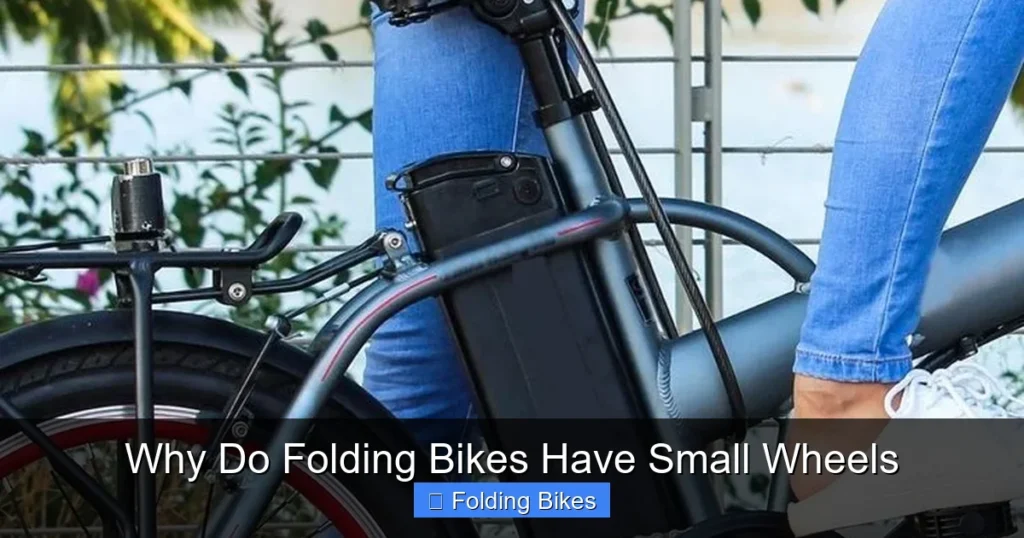
Folding bikes have small wheels primarily to reduce size, weight, and improve portability. While smaller wheels affect ride dynamics, modern engineering ensures a smooth, efficient experience for urban commuting and travel.
Key Takeaways
- Compact Design: Small wheels allow the bike to fold into a much smaller package, making storage and transport easier.
- Weight Reduction: Smaller wheels and frames reduce overall weight, which is crucial for carrying and maneuvering in tight spaces.
- Improved Portability: Lightweight and compact size make folding bikes ideal for commuters who use public transit or live in small apartments.
- Modern Engineering Compensates: Advanced materials and gear systems offset traditional drawbacks of small wheels, like reduced speed and comfort.
- Trade-Offs Exist: Smaller wheels may offer less stability at high speeds and can be more affected by road imperfections.
- Best for Urban Use: Folding bikes excel in city environments where space, convenience, and quick folding matter most.
- Maintenance Tips: Regular checks on tire pressure, wheel alignment, and folding mechanisms help maintain performance and safety.
Why Do Folding Bikes Have Small Wheels? A Complete Guide
If you’ve ever seen a folding bike, you’ve probably noticed their small wheels—often 16 to 20 inches in diameter, compared to the standard 26 to 29 inches on traditional bikes. At first glance, it might seem like a limitation. But in reality, those small wheels are a key design feature that makes folding bikes so practical. In this guide, we’ll explore why folding bikes have small wheels, how this design benefits riders, and what trade-offs come with it.
Whether you’re a daily commuter, a traveler, or just curious about bike design, understanding the role of wheel size will help you make smarter choices. We’ll break down the engineering, real-world performance, and maintenance tips to keep your folding bike running smoothly.
1. The Core Reason: Compact Folding Design
The primary reason folding bikes have small wheels is simple: they need to fold into a compact, portable package. When you fold a bike, every component must tuck in neatly. Larger wheels simply don’t allow for a tight fold—they stick out, making the bike bulky and hard to carry.
How Small Wheels Enable Folding
Smaller wheels reduce the overall footprint of the bike when folded. For example, a bike with 20-inch wheels might fold down to about 30 x 20 x 12 inches, while a full-size bike would be nearly double that size. This compact form factor is essential for:
- Storing in small apartments or offices
- Carrying on trains, buses, or planes
- Fitting in car trunks or under desks
Real-World Example: Commuting with a Folding Bike
Imagine riding your folding bike to the subway station, folding it in seconds, and carrying it onto the train. With small wheels, the folded bike is light and easy to manage—even in crowded spaces. This convenience is why many urban commuters prefer folding bikes over traditional ones.
2. Weight Reduction for Better Portability
Another major benefit of small wheels is reduced weight. Smaller wheels use less material, which means lighter rims, spokes, and tires. Combined with compact frames, this makes folding bikes significantly lighter than standard bikes.
Why Weight Matters
A lighter bike is easier to:
- Carry up stairs or onto public transport
- Lift into a car or storage locker
- Handle when folded
Most folding bikes weigh between 20 and 30 pounds—light enough for most people to carry comfortably.
Material Choices Enhance Lightweight Design
Many folding bikes use aluminum or carbon fiber frames, which are strong yet lightweight. These materials, paired with small wheels, create a bike that’s both durable and easy to transport.
3. Improved Maneuverability in Tight Spaces
Smaller wheels offer better agility in urban environments. They allow for quicker turns and better control in crowded areas like sidewalks, bike lanes, or busy intersections.
How Wheel Size Affects Handling
While large wheels roll over bumps more easily, small wheels respond faster to steering input. This makes folding bikes feel nimble and responsive—perfect for weaving through traffic or navigating narrow pathways.
Best for City Riding
If you’re riding in a city with frequent stops, tight corners, and limited space, a folding bike’s small wheels give you an edge. They’re designed for stop-and-go riding, not long-distance speed.
4. Modern Engineering Overcomes Traditional Drawbacks
In the past, small wheels were associated with a rough ride, poor speed, and less stability. But today’s folding bikes use advanced engineering to overcome these issues.
High-Quality Gearing Systems
Many folding bikes come with multi-speed gear systems that compensate for the smaller wheel circumference. For example, a 20-inch folding bike with 8-speed gears can achieve speeds comparable to a standard bike. This makes them suitable for hills and longer rides.
Improved Suspension and Tires
Some models include front suspension forks or suspension seatposts to absorb shocks. Wider, high-pressure tires also improve comfort and grip. For instance, Schwalbe tires are popular on folding bikes for their durability and smooth ride.
Stiff Frame Design
Modern folding bikes use reinforced hinges and frame joints to maintain rigidity. This reduces flex and improves power transfer, making pedaling more efficient.
5. Trade-Offs: What to Consider
While small wheels offer many benefits, they’re not perfect for every situation. It’s important to understand the trade-offs before buying a folding bike.
Reduced Roll-Over Ability
Smaller wheels don’t roll over bumps, potholes, or cracks as smoothly as larger wheels. This can make the ride feel bumpier, especially on rough roads.
Lower Top Speed
Due to smaller wheel circumference, folding bikes may require more pedal rotations to maintain high speeds. However, with good gearing, this difference is often minimal in city riding.
Less Stability at High Speeds
At very high speeds, small wheels can feel less stable. This is why folding bikes are best suited for urban commuting rather than high-speed road racing.
Not Ideal for Off-Road Trails
While some folding bikes are designed for light trails, their small wheels and compact frames aren’t built for serious mountain biking. For rugged terrain, consider a folding mountain bike with enhanced suspension and wider tires.
6. Maintenance Tips for Small Wheels
To keep your folding bike performing well, regular maintenance is key—especially for the wheels and folding mechanisms.
Check Tire Pressure Weekly
Small wheels are more sensitive to underinflation. Low pressure increases rolling resistance and the risk of pinch flats. Use a reliable pump—like the best folding bike pump—to maintain optimal pressure.
Inspect Wheel Alignment
Because folding bikes are frequently folded and unfolded, wheels can become misaligned. Check that the wheels spin freely and don’t rub against the frame or brakes.
Lubricate Hinges and Moving Parts
The folding mechanism should be clean and lubricated to ensure smooth operation. Use a light bike lubricant on hinges and locking levers.
Rotate and Inspect Tires
Smaller tires wear out faster due to higher rotational stress. Rotate them if possible and replace them when tread is low.
Store Properly
When not in use, store your folded bike in a dry place to prevent rust and wear. Avoid leaving it in extreme temperatures.
Troubleshooting Common Issues
Problem: Bike Feels Wobbly When Riding
This could be due to loose spokes, misaligned wheels, or a loose folding hinge. Check spoke tension, realign the wheel, and tighten all folding locks.

Visual guide about Why Do Folding Bikes Have Small Wheels
Image source: i.pinimg.com
Problem: Difficulty Folding or Unfolding
Ensure all locking mechanisms are clean and lubricated. Avoid forcing the fold—adjust alignment if parts don’t line up smoothly.
Problem: Reduced Speed or Hard Pedaling
Check tire pressure and gear settings. Also inspect the chain for dirt or wear. A clean, well-lubricated drivetrain improves efficiency.
Conclusion
So, why do folding bikes have small wheels? Because they’re designed for one thing above all: convenience. Small wheels enable compact folding, reduce weight, and improve portability—making folding bikes ideal for city dwellers, commuters, and travelers.
While there are trade-offs in ride comfort and high-speed performance, modern engineering has largely closed the gap. With proper gearing, quality tires, and smart design, today’s folding bikes deliver a smooth, efficient ride.
If you’re looking for a bike that fits into your busy, space-conscious lifestyle, a folding bike with small wheels might be the perfect choice. Just remember to maintain it well and choose a model suited to your riding needs.
Whether you’re storing it under your desk or taking it on a train, the small wheels are not a flaw—they’re the feature that makes it all possible.



