
Folding bikes often feel less stable at high speeds due to their compact frames, small wheels, and lightweight builds. This guide explains the engineering reasons behind the wobbly sensation and offers practical solutions to enhance control, safety, and confidence when riding fast.
Key Takeaways
- Small wheels reduce gyroscopic stability: Smaller wheels spin faster but offer less inherent balance at high speeds, making the bike more sensitive to bumps and steering input.
- Compact frame geometry affects handling: Shorter wheelbases and steeper head tube angles increase agility but can lead to twitchy steering when riding fast.
- Lightweight materials amplify vibrations: Aluminum and carbon frames absorb less road shock, transmitting more vibrations to the rider and reducing perceived stability.
- Tire pressure and type matter: Underinflated or narrow tires decrease contact patch and responsiveness, worsening high-speed wobble.
- Proper setup improves control: Adjusting handlebar height, seat position, and ensuring all hinges are tight can dramatically improve ride quality.
- Rider technique plays a role: Leaning too far forward or gripping the handlebars too tightly can exaggerate instability—relaxed posture helps maintain balance.
- Accessories can add stability: Adding a rear rack or panniers shifts weight lower and improves traction, especially on models designed for bikepacking.
Introduction: Why Stability Matters on a Folding Bike
Folding bikes are perfect for commuters, travelers, and urban riders who value portability and convenience. But many riders notice a common issue: they feel wobbly or unstable when riding at higher speeds. Whether you’re cruising down a hill or trying to keep up with traffic, that unsettling sway can be nerve-wracking.
In this guide, you’ll learn exactly why folding bikes behave this way at speed—and more importantly, what you can do about it. We’ll break down the design factors behind the instability, offer step-by-step fixes, and share expert tips to help you ride with confidence. By the end, you’ll understand how to optimize your folding bike for smoother, safer high-speed rides.
Understanding the Root Causes of Instability
To fix a problem, you first need to understand it. Folding bikes aren’t inherently unsafe, but their unique design introduces specific challenges at speed. Let’s explore the main engineering reasons behind the instability.
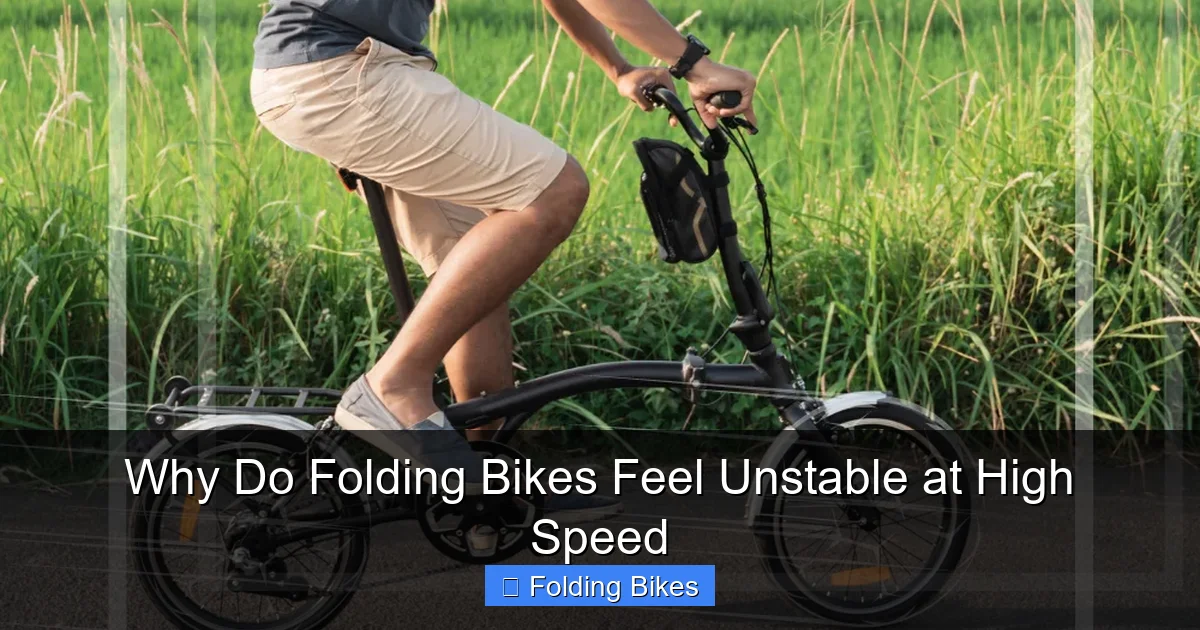
Visual guide about Why Do Folding Bikes Feel Unstable at High Speed
Image source: i.pinimg.com
1. Small Wheel Size Reduces Gyroscopic Effect
Most folding bikes use 16″ to 20″ wheels—much smaller than the 26″ or 700c wheels found on standard bikes. While small wheels make the bike compact and easy to fold, they also reduce the gyroscopic effect, which is the stabilizing force created by spinning wheels.
Larger wheels naturally resist changes in direction and help maintain straight-line stability. Smaller wheels spin faster but have less rotational inertia, making them more reactive to bumps, crosswinds, and steering inputs. This means even minor disturbances can feel exaggerated at speed.
Tip: If you’re considering a folding bike for faster rides, look for models with 20″ wheels—they offer a better balance of portability and stability than 16″ versions.
2. Short Wheelbase and Compact Geometry
Folding bikes have a shorter distance between the front and rear wheels (the wheelbase) to allow for compact folding. A shorter wheelbase improves maneuverability in tight spaces but reduces high-speed stability.
Additionally, many folding bikes have a steeper head tube angle, which makes steering quicker and more responsive. While great for city weaving, this can lead to twitchy handling when riding fast—especially on uneven surfaces.
Example: Imagine trying to balance a pencil on your finger versus a broomstick. The shorter, lighter pencil is easier to move but harder to keep steady—just like a folding bike at speed.
3. Lightweight Frame Materials Transmit Vibrations
To keep weight down for portability, most folding bikes use aluminum or carbon fiber frames. While these materials are strong and light, they don’t absorb road vibrations as well as steel.
This means bumps, cracks, and potholes send more shock directly to your hands and body. Over time, these vibrations can cause fatigue and make the bike feel “nervous” or unpredictable at higher speeds.
Tip: Consider adding ergonomic grips or bar tape to reduce hand fatigue. Some riders also install suspension seatposts for extra comfort.
4. Hinges and Joints Introduce Flex
The folding mechanism itself—while convenient—can be a source of flex. Even high-quality hinges and latches have tiny amounts of play. When you’re riding fast, this micro-movement can translate into a subtle wobble, especially under braking or cornering.
Over time, hinges may loosen slightly due to vibration and use. A loose frame joint is one of the most common causes of instability in folding bikes.
Pro Tip: Regularly inspect and tighten all folding joints. Use a torque wrench if possible, and apply a small amount of thread locker to bolts to prevent loosening.
How to Improve High-Speed Stability: Step-by-Step Fixes
The good news? Most instability issues can be reduced or eliminated with the right adjustments. Follow these steps to make your folding bike feel more solid and confident at speed.
Step 1: Check and Adjust Tire Pressure
Tire pressure has a huge impact on stability. Underinflated tires increase rolling resistance and reduce responsiveness, while overinflated tires transmit more shock.
Check the recommended PSI on your tire sidewall and use a reliable pump to maintain proper pressure. For high-speed riding, aim for the upper end of the range—but don’t exceed the maximum.
Recommended Reading: Learn more about optimizing tire pressure for performance in our guide on how to choose tire pressure for speed.
Step 2: Upgrade to Wider, High-Quality Tires
Narrow tires (like 1.25″ or less) offer less grip and comfort. Consider upgrading to wider tires (1.5″ to 2.0″) with a smooth tread pattern for better traction and shock absorption.
Look for tires labeled as “high-speed” or “commuter” rated. Some excellent options include Schwalbe Marathon or Continental Contact Urban tires, which are durable and stable.
Bonus Tip: If your bike supports it, switch to tubeless tires for even better puncture resistance and ride quality.
Step 3: Add Weight Low and Centered
Lightweight bikes are more affected by wind and road irregularities. Adding a small amount of weight low on the frame can improve traction and stability.
Install a rear rack and carry a lightweight bag or panniers. This lowers the center of gravity and increases rear-wheel grip. Avoid heavy loads on the handlebars, which can make steering even more sensitive.
Related: Check out our recommendations for the best rear basket for bikes if you want a simple, affordable way to add stability.
Step 4: Optimize Your Riding Position
Your body position affects how the bike handles. Leaning too far forward increases front-end load and can make steering twitchy. Sitting too upright reduces control.
Aim for a relaxed, neutral posture: elbows slightly bent, shoulders down, and weight evenly distributed. Keep a light grip on the handlebars—death-gripping amplifies vibrations and reduces feedback.
Practice Tip: Try riding with one hand (safely, on a quiet road) to test your balance. If the bike wobbles, it’s likely a setup issue, not just rider error.
Step 5: Ensure All Components Are Secure
Loose bolts, wobbly stems, or misaligned wheels can all contribute to instability. Perform a pre-ride check:
- Tighten stem and handlebar bolts
- Check that the seatpost is secure and at the correct height
- Ensure wheels are properly seated in the dropouts
- Inspect folding hinges and latches for wear or looseness
Tool Tip: Carry a multi-tool and a mini pump like the best folding bike pump for on-the-go adjustments.
Troubleshooting Common Stability Issues
Even with perfect setup, some riders still experience wobble. Here’s how to diagnose and fix persistent problems.
Problem: Speed Wobble (Shimmy)
If your front wheel shakes violently at certain speeds (usually 18–25 mph), you may have a speed wobble. This is often caused by:
- Improperly balanced wheels
- Loose headset
- Misaligned front fork
Solution: Have a bike mechanic check wheel trueness and headset adjustment. Adding a front rack or weight to the handlebars can also dampen oscillations.
Problem: Brake-Induced Wobble
If the bike shakes when you brake, the issue could be warped rotors (on disc brake models) or uneven rim wear.
Solution: Inspect brake pads and rotors. Replace worn components and ensure brakes are aligned properly.
Problem: Flex in the Frame
Some ultra-light folding bikes use minimal frame tubing to save weight. This can lead to noticeable flex under load.
Solution: Avoid aggressive riding styles. If flex is severe, consider upgrading to a sturdier model designed for higher performance, such as those in our list of the best folding mountain bikes for bikepacking, which prioritize rigidity and durability.
Conclusion: Ride Smart, Ride Safe
Folding bikes feel unstable at high speed not because they’re poorly made, but because their design prioritizes portability over pure performance. Small wheels, short wheelbases, and lightweight frames all contribute to a ride that can feel twitchy when pushed beyond city speeds.
However, with the right adjustments—proper tire pressure, secure components, added weight, and good riding technique—you can significantly improve stability and confidence. Remember: most instability is fixable, and many riders enjoy fast, smooth rides on well-tuned folding bikes.
Whether you’re commuting, touring, or just enjoying a weekend spin, take the time to optimize your setup. Your safety and comfort are worth it.



