
Folding bikes are more expensive than regular bikes because of their intricate design, specialized components, and advanced engineering. This guide breaks down the key factors—like hinges, frames, and portability features—that drive up costs, helping you understand what you’re paying for.
Key Takeaways
- Complex engineering: Folding mechanisms require precise design and testing to ensure safety and durability.
- Specialized components: Hinges, locks, and compact drivetrains cost more to manufacture than standard bike parts.
- Lightweight materials: Aluminum alloys and carbon fiber reduce weight but increase production costs.
- Smaller production scale: Fewer units made means higher per-unit costs compared to mass-produced regular bikes.
- Enhanced portability features: Integrated racks, pumps, and storage add convenience—and expense.
- Rigorous safety standards: Folding joints must pass strict stress tests, adding to development costs.
- Brand innovation: Leading brands invest heavily in R&D, reflected in premium pricing.
Why Are Folding Bikes More Expensive Than Regular Bikes? A Complete How-To Guide
If you’ve ever compared prices between a folding bike and a traditional bike, you might have been surprised—folding bikes often cost significantly more. At first glance, it seems counterintuitive: after all, folding bikes are usually smaller and lighter. So why do they come with a higher price tag?
In this guide, we’ll walk you through the real reasons behind the cost difference. You’ll learn how engineering complexity, specialized parts, material choices, and manufacturing scale all contribute to the premium price of folding bikes. By the end, you’ll understand exactly what you’re paying for—and whether a folding bike is worth the investment for your lifestyle.
Step 1: Understand the Engineering Complexity
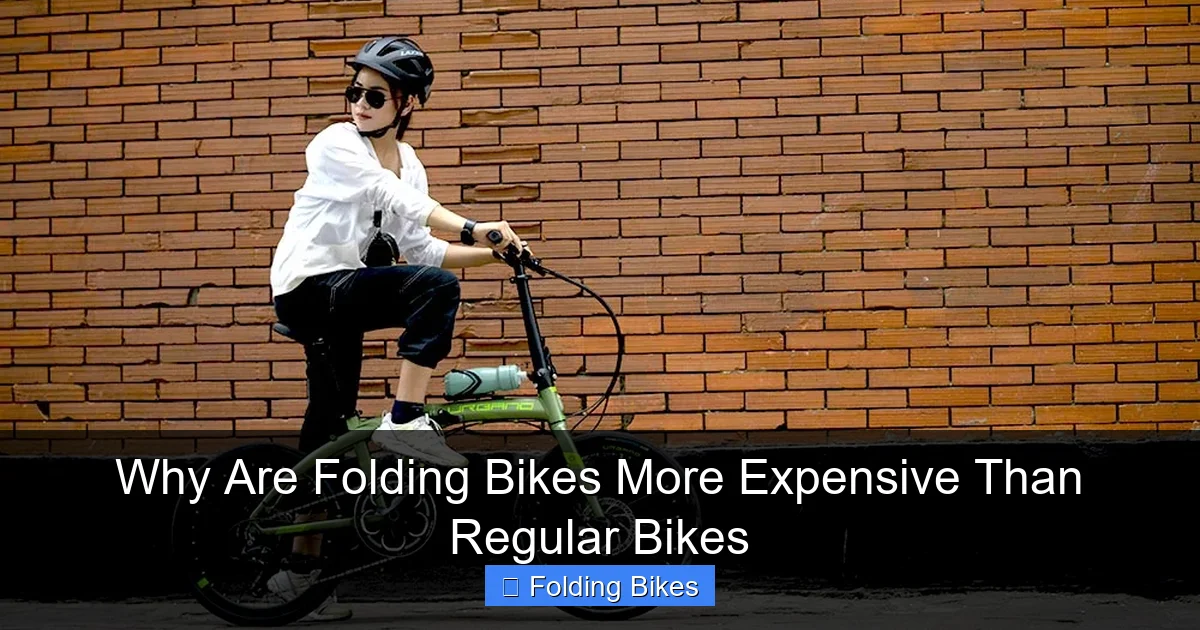
Visual guide about Why Are Folding Bikes More Expensive Than Regular Bikes
Image source: media.polygonbikes.com
One of the biggest reasons folding bikes cost more is the complexity of their design. Unlike regular bikes, which use a fixed frame, folding bikes must include hinges, latches, and locking mechanisms that allow the frame to fold securely.
Hinges and Joints Must Be Ultra-Strong
The main hinge—usually located near the center of the frame—must support the full weight of the rider while enduring repeated stress from pedaling, braking, and road vibrations. Engineers spend months designing these joints to be both lightweight and incredibly durable. Each hinge is tested under extreme conditions to prevent failure, which adds to development and production costs.
Multiple Folding Points Increase Complexity
Many high-end folding bikes don’t just fold in half. They may also fold the handlebars, pedals, and even the seatpost. Each additional folding point requires its own mechanism, adding parts, weight, and engineering challenges. For example, folding pedals use spring-loaded designs that tuck away neatly but cost more than standard flat pedals.
Step 2: Examine the Specialized Components
Folding bikes use unique parts that aren’t found on regular bikes. These components are often custom-made or adapted from other industries, which drives up costs.
Compact Drivetrains and Gears
Because of their smaller wheels (typically 16″ to 20″), folding bikes need specialized gearing systems to maintain efficiency. Many use internally geared hubs or compact derailleurs designed for tight spaces. These systems are more expensive to produce and maintain than standard bike drivetrains.
Custom Wheels and Tires
Smaller wheels require custom rims and tires that aren’t mass-produced. This limits economies of scale, making each wheel more costly. Additionally, folding bike tires often need to be puncture-resistant and lightweight, further increasing their price.
Integrated Accessories Add Value—and Cost
Many folding bikes come with built-in features like best folding bike pumps, rear racks, or even lights. While convenient, these add-ons require extra design work and materials. For instance, a frame-mounted pump must be compact yet powerful enough for roadside repairs—something that takes significant R&D to perfect.
Step 3: Consider the Materials Used
To keep folding bikes lightweight and portable, manufacturers rely on premium materials that are more expensive than those used in regular bikes.
Aluminum Alloys and Carbon Fiber
Most folding bikes use high-grade aluminum or carbon fiber to reduce weight without sacrificing strength. These materials are costly to source and shape, especially when forming complex hinge areas. A carbon fiber folding frame can cost two to three times more than a standard steel frame.
Corrosion-Resistant Finishes
Since folding bikes are often used in urban environments and stored in damp places (like under desks or in car trunks), they need durable, rust-resistant coatings. This adds another layer of expense in the finishing process.
Step 4: Analyze Production Volume and Economies of Scale
Regular bikes—especially entry-level models—are produced in massive quantities. This allows manufacturers to spread out tooling and design costs over thousands of units, lowering the price per bike.
Folding Bikes Are Niche Products
Folding bikes appeal to a smaller market: commuters, travelers, and apartment dwellers with limited storage. Because fewer units are made, the cost per bike remains high. There’s simply no way to achieve the same economies of scale as with standard road or mountain bikes.
Limited Supplier Networks
Many folding bike components are made by specialized suppliers who don’t produce parts for other bike types. This lack of competition keeps prices elevated. For example, a custom folding hinge might only be made by one or two factories worldwide.
Step 5: Factor in Safety and Testing Requirements
Safety is non-negotiable—especially when a bike folds. Every folding mechanism must pass rigorous stress tests to ensure it won’t fail during use.
Certification and Compliance Costs
Folding bikes must meet international safety standards (like ISO 4210), which require extensive testing. Each new model undergoes fatigue testing, impact resistance checks, and load-bearing assessments. These tests are time-consuming and expensive, and the costs are passed on to consumers.
Redundant Safety Features
To prevent accidental unfolding, most folding bikes include dual locking systems—like a primary latch and a secondary safety catch. These redundant features add parts and complexity, but they’re essential for rider safety.
Step 6: Evaluate Brand Innovation and R&D
Top folding bike brands like Brompton, Tern, and Dahon invest heavily in research and development. They’re constantly improving fold speed, durability, and ride quality—innovations that don’t come cheap.
Patented Technologies
Many folding mechanisms are patented, meaning only the original manufacturer can produce them. This exclusivity allows brands to charge premium prices. For example, Brompton’s patented folding hinge is a key reason their bikes are so expensive—but also why they’re so reliable.
Continuous Improvement
Unlike regular bikes, which see gradual updates, folding bikes often undergo major redesigns to improve portability. This constant innovation requires ongoing investment, which is reflected in pricing.
Practical Tips: Is a Folding Bike Worth the Extra Cost?
Now that you know why folding bikes are more expensive, here’s how to decide if one is right for you:
- Assess your storage space: If you live in a small apartment or take public transit, the convenience may justify the cost.
- Consider your commute: Folding bikes excel in mixed-mode commuting (bike + train/bus). If you need to carry your bike often, the portability is invaluable.
- Look for bundled features: Some models include pumps, racks, or lights, which can save money compared to buying them separately.
- Check resale value: High-quality folding bikes hold their value well, especially brands like Brompton.
Troubleshooting Common Misconceptions
Myth: “Folding bikes are just smaller, so they should be cheaper.”
Reality: Size doesn’t determine cost. A smartphone is small but expensive due to advanced tech. The same applies to folding bikes—compactness requires smart engineering, not simplicity.
Myth: “All folding bikes are slow and uncomfortable.”
Reality: Modern folding bikes offer smooth rides and efficient gearing. Models like the best folding mountain bikes for bikepacking prove they can handle rough terrain and long distances.
Myth: “You can’t customize a folding bike.”
Reality: Many folding bikes support accessories like fenders, racks, and upgraded seats. Check compatibility before buying.
Conclusion
Folding bikes are more expensive than regular bikes for good reason. Their complex engineering, specialized components, premium materials, and rigorous safety standards all contribute to a higher price. While they may cost more upfront, the convenience, portability, and innovation they offer can make them a worthwhile investment—especially for urban commuters and travelers.
Understanding these factors helps you make an informed decision. If you value space-saving design and multi-modal travel, a folding bike could be the perfect fit. Just remember: you’re not just paying for a bike—you’re paying for smart engineering that fits your lifestyle.



