
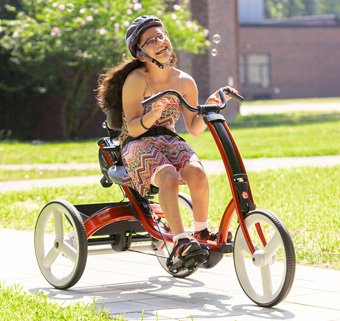
Have you ever felt limited by traditional bikes? Adaptive bikes are changing the game, opening doors to freedom and fun for many people.
Whether you have a physical challenge, are recovering from an injury, or simply want a safer way to enjoy cycling, adaptive bikes might be the perfect fit for you. Keep reading to discover who can use these amazing bikes and how they can make a difference in your life.
Benefits Of Adaptive Bikes
Adaptive bikes help people with different needs enjoy cycling. They offer support and comfort for those who find regular bikes hard to use.
These bikes improve health and independence. They also boost mood and confidence for many riders.
Physical Health Improvements
Riding adaptive bikes helps build strength and endurance. It also improves balance and coordination in a safe way.
Regular use can reduce the risk of heart disease and improve breathing. Adaptive bikes encourage gentle exercise suited to each person.
- Builds muscle strength
- Improves cardiovascular health
- Enhances balance and coordination
- Supports joint flexibility
Enhanced Mobility And Independence
Adaptive bikes give riders more freedom to move around. They help people travel short or long distances without help.
Users can enjoy outdoor activities alone or with others. This increases their ability to do daily tasks and explore new places.
- Increases ability to travel independently
- Supports daily activities
- Allows participation in social outings
- Offers safe and stable transportation
Mental And Emotional Wellbeing
Riding an adaptive bike can boost mood and reduce stress. It helps users feel more confident and happy.
Spending time outside on a bike improves focus and reduces feelings of loneliness. It supports better mental health through physical activity.
- Improves mood and reduces stress
- Builds self-confidence
- Encourages social interaction
- Supports mental focus and clarity
Credit: www.rifton.com
Users With Physical Disabilities
Adaptive bikes help people with physical disabilities enjoy cycling. These bikes are made to fit special needs. They allow more freedom and exercise.
Many users find adaptive bikes easier and safer to use. These bikes support different levels of strength and balance. They bring joy and health benefits.
Wheelchair Users
Wheelchair users can use adaptive bikes designed for easy transfer. Some bikes attach to a wheelchair or allow the user to sit comfortably. This helps them move outdoors.
These bikes offer stability and support. They help users enjoy cycling without needing to leave their wheelchair far behind.
Individuals With Limited Leg Strength
People with weak leg muscles can use adaptive bikes with extra support. Some bikes have electric assist or hand pedals. This reduces strain and helps them cycle longer.
These bikes improve fitness by letting users pedal at their own pace. They also encourage regular outdoor activity.
People With Balance Challenges
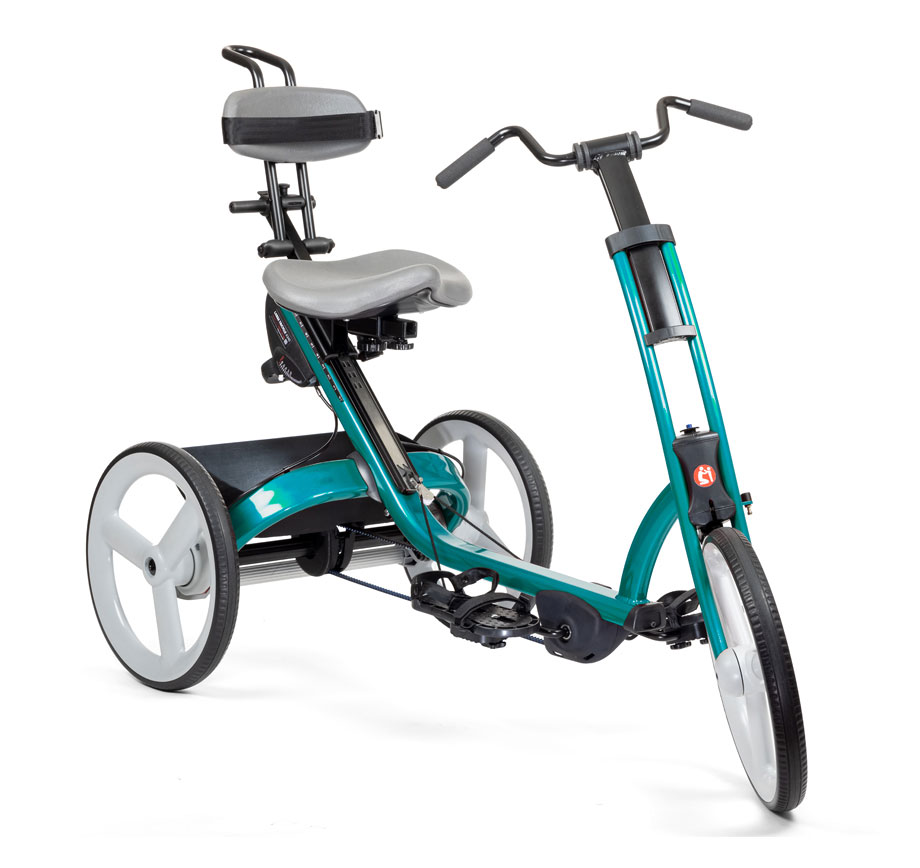
Adaptive bikes with three or four wheels help those with balance issues. These bikes are stable and prevent falls. They give users confidence to ride safely.
Some models have special seats and supports. They help riders stay upright and enjoy cycling without worry.
Children And Teens
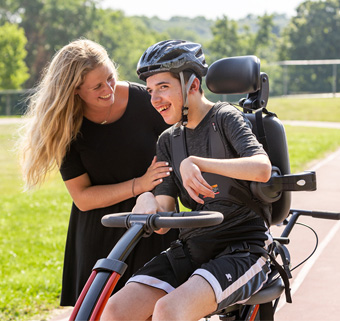
Adaptive bikes help children and teens who need extra support. These bikes fit their unique needs.
Using adaptive bikes, kids can enjoy riding safely and build skills at their own pace.
Support For Developmental Disabilities
Adaptive bikes assist children with developmental disabilities. They improve balance and coordination.
- Help improve muscle strength
- Increase confidence in movement
- Encourage outdoor activity
- Provide a safe riding experience
Adaptive Bikes For Growth And Fun
These bikes grow with children and teens. Adjustable parts fit them as they get bigger.
| Bike Feature | Benefit |
| Adjustable seat height | Fits children as they grow taller |
| Multiple support options | Offers stability for different needs |
| Easy-to-use brakes | Improves safety and control |
| Lightweight frame | Makes riding easier and fun |

Credit: www.rifton.com
Older Adults
Adaptive bikes help older adults stay active safely. These bikes offer support and comfort for many fitness levels.
Using an adaptive bike can improve balance, strength, and overall health. It allows older adults to enjoy outdoor exercise.
Maintaining Activity And Fitness
Adaptive bikes make it easier for older adults to keep moving. Regular riding helps maintain muscle strength and joint flexibility.
- Supports low-impact exercise
- Improves cardiovascular health
- Encourages outdoor activity
- Builds endurance over time
- Helps reduce stress and improve mood
Safe And Comfortable Riding Options
Adaptive bikes come with features that enhance safety and comfort for older adults. These options address balance and mobility needs.
| Feature | Benefit |
| Low step-through frame | Easier to get on and off the bike |
| Stable three-wheel design | Improves balance and reduces falls |
| Adjustable seats and handlebars | Custom fit for comfort |
| Electric assist options | Reduces effort on hills or long rides |
| Wide, cushioned seats | Provides extra comfort during rides |
Rehabilitation And Therapy
Adaptive bikes help people with special needs or injuries. They support healing and improve physical abilities.
These bikes fit different body types and conditions. They make exercise safer and easier during recovery.
Post-injury Recovery
Adaptive bikes allow gentle movement after an injury. They help rebuild strength and improve balance.
Using these bikes reduces stress on weak muscles and joints. Patients can start moving without pain or risk.
- Supports gradual muscle rebuilding
- Improves joint flexibility
- Enhances coordination and balance
- Increases blood flow to injured areas
- Offers safe, low-impact exercise
Therapeutic Benefits Of Adaptive Cycling
Cycling on adaptive bikes helps improve mental and physical health. It encourages regular movement and focus.
Therapy with adaptive bikes can boost confidence and reduce stress. It also helps with muscle control and endurance.
- Promotes cardiovascular fitness
- Improves muscle tone and strength
- Supports better posture and balance
- Enhances motor skills and coordination
- Boosts mood and lowers anxiety
Types Of Adaptive Bikes
Adaptive bikes help people with different physical needs enjoy cycling. They come in various styles to fit unique abilities and preferences.
Choosing the right type depends on comfort, mobility, and control. Here are common kinds of adaptive bikes available.
Tricycles And Tandems
Tricycles offer three wheels for extra balance. They suit people who need more stability than a regular bike.
Tandem bikes allow two riders to pedal together. One rider may have full control while the other enjoys the ride.
- Tricycles provide better balance and support.
- Tandems encourage teamwork and shared cycling.
- Both types help riders with limited coordination.
Handcycles And Recumbent Bikes
Handcycles use hand pedals instead of foot pedals. They work well for those with lower body disabilities.
Recumbent bikes let riders sit in a reclined position. This reduces strain on the back and neck.
| Type | Main Feature | Best For |
| Handcycle | Pedal with hands | Lower body disabilities |
| Recumbent Bike | Reclined seating | Back or neck support |
Custom And Specialized Models
Custom bikes fit unique needs that standard models cannot meet. They can include extra features or special controls.
These models may include:
- Electric assist motors for easier riding
- Modified seats for better posture
- Special grips or brakes for hand control
Choosing The Right Adaptive Bike
Adaptive bikes help people with different physical needs enjoy cycling. Picking the right one makes riding safer and more fun.
It is important to think about personal needs and get expert advice. Testing bikes can also help find the best fit.
Assessing Individual Needs
Each rider has unique needs based on their strength, balance, and mobility. Look at how much support you require while riding.
Consider factors like body size, coordination, and any special medical conditions. This helps in choosing a bike that suits you well.
- Check your ability to pedal and steer
- Consider your balance and posture
- Think about the type of terrain you will ride on
- Decide if you need extra support or modifications
Consulting Professionals
Talking with therapists or adaptive bike experts can guide you. They know which features work best for different needs.
Professionals can suggest the right frame size, seat type, and handlebar style. Their advice helps you avoid common mistakes.
- Occupational therapists assess your physical needs
- Adaptive bike specialists recommend suitable models
- Physiotherapists can help with posture and comfort
Trial And Adjustment Periods
Trying out different bikes is important before making a choice. Riding several models helps you feel which bike fits best.
After choosing a bike, small changes may be needed. Adjusting the seat height or handlebar position improves comfort and safety.
- Test bikes in safe areas before buying
- Make small adjustments to fit your body
- Allow time to get used to the bike
- Ask for help if you feel discomfort
Credit: www.rifton.com
Frequently Asked Questions
Who Benefits Most From Adaptive Bikes?
Adaptive bikes help people with physical disabilities, balance issues, or mobility challenges. They provide safe, comfortable, and enjoyable cycling for users of all ages.
Can Children Use Adaptive Bikes Safely?
Yes, adaptive bikes come in sizes and designs suitable for children. They ensure stability and support, promoting confidence and outdoor activity.
Are Adaptive Bikes Suitable For Seniors?
Absolutely. Adaptive bikes offer extra balance and support, making them ideal for seniors who want to stay active and maintain independence.
What Conditions Qualify For Adaptive Bike Use?
Conditions like cerebral palsy, stroke, arthritis, and spinal injuries benefit from adaptive bikes. They assist with mobility and improve overall quality of life.
Conclusion
Adaptive bikes help many people enjoy cycling safely and comfortably. They suit individuals with different needs, such as balance issues or limited mobility. Families, therapists, and schools find them useful too. These bikes open doors to outdoor fun and exercise for all ages.
Everyone deserves to feel the joy of riding. Adaptive bikes make that possible. Consider who could benefit most and explore your options today.



