
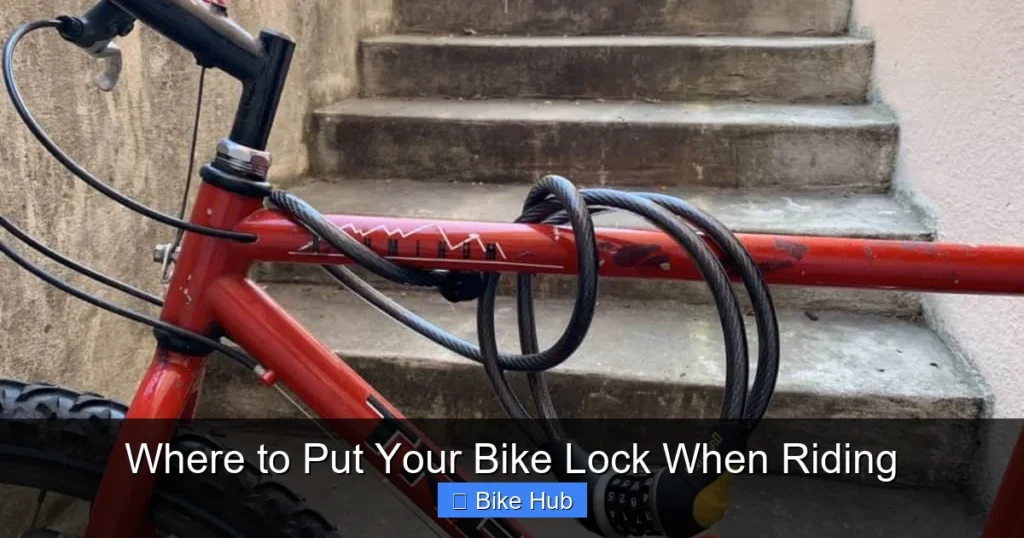
Discover practical and secure ways to carry your bike lock while riding. Whether you’re commuting or touring, we’ll show you how to keep your lock handy without sacrificing comfort or safety.
Key Takeaways
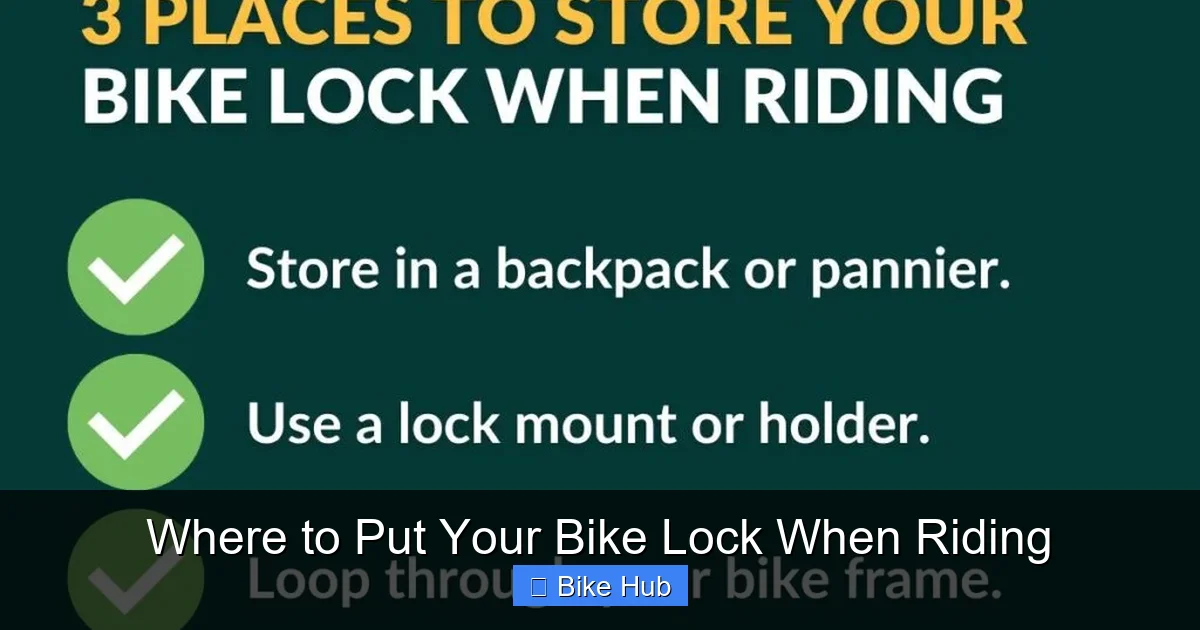
- Choose the right lock type: U-locks, folding locks, and chain locks each have ideal carrying methods based on size and weight.
- Use frame-mounted brackets: Most secure and balanced option for carrying locks directly on your bike’s frame.
- Backpacks and handlebar bags work well for smaller locks: Ideal for folding or cable locks, but avoid overloading.
- Avoid loose storage in panniers: Prevents rattling and damage to both lock and gear during long rides.
- Test comfort and balance before long rides: A poorly placed lock can affect handling and cause fatigue.
- Consider quick-access needs: Store your lock where you can reach it easily when stopping frequently.
- Protect your bike’s finish: Use padding or rubber guards to prevent scratches from metal locks.
Where to Put Your Bike Lock When Riding: A Complete Guide
Whether you’re zipping through city streets or exploring scenic trails, carrying a bike lock is essential for protecting your ride. But where should you put your bike lock when riding? It’s not just about convenience—it’s about safety, comfort, and protecting both your bike and your gear. In this guide, we’ll walk you through the best ways to carry your bike lock while riding, so you stay secure and stress-free on every journey.
We’ll cover everything from frame-mounted brackets to backpacks, handlebar bags, and panniers. You’ll learn how to choose the right storage method based on your lock type, riding style, and bike setup. Plus, we’ll share tips to avoid common mistakes like rattling, imbalance, or damage to your bike’s frame. By the end, you’ll know exactly where to put your bike lock when riding—no guesswork needed.
Step 1: Know Your Lock Type
Before deciding where to carry your lock, it helps to understand the different types available and how they affect storage.
U-Locks (D-Locks)
These are sturdy, compact, and highly secure. Their rigid shape makes them ideal for mounting directly to your bike frame. Most come with a bracket that attaches to the downtube or seat tube.
Folding Locks
Made of linked metal plates, folding locks are flexible and easy to pack. They’re great for commuters who need portability. Their flat shape fits well in bags or under saddles.
Chain Locks
Heavy-duty and highly secure, chain locks are best for high-theft areas. However, they’re bulky and heavy—carrying them requires a sturdy rack or large bag.
Cable Locks
Lightweight and coil-shaped, cable locks are easy to carry but offer less security. They’re perfect for quick stops and fit easily in backpacks or handlebar bags.
Knowing your lock type helps you pick the right carrying method. For example, a heavy chain lock won’t work well in a small handlebar bag, while a thin cable lock might get lost in a large pannier.
Step 2: Use a Frame-Mounted Lock Bracket
The most popular and reliable way to carry a bike lock is with a frame-mounted bracket. This method keeps the lock secure, balanced, and out of your way.
How to Install a Frame Bracket
Most U-locks and some folding locks come with a mounting bracket. Here’s how to install it:
- Choose a spot on your downtube or seat tube—somewhere accessible but not in the way of your pedaling or legs.
- Use the included screws or straps to attach the bracket. Make sure it’s tight and won’t wobble.
- Slide the lock into the bracket and test it by gently tugging. It should stay put even on bumpy roads.
Benefits of Frame Mounting
- Balanced weight distribution: Keeps your bike handling smoothly.
- Quick access: You can grab your lock in seconds when stopping.
- No extra gear needed: No backpack or bag required.
Tips for Comfort and Safety
- Add a rubber pad or foam tape between the lock and frame to prevent scratches.
- Avoid mounting near water bottle cages or brake lines.
- If your bike has a carbon frame, use a soft-mount bracket to avoid cracking.
For more on choosing the right lock for your needs, check out our guide on how to choose the best bike lock.
Step 3: Use a Backpack or Handlebar Bag
If you don’t want to mount your lock on the frame, a backpack or handlebar bag is a great alternative—especially for smaller locks.
Backpacks for Folding and Cable Locks
Folding locks and cable locks are lightweight and compact, making them perfect for backpacks. Just coil or fold the lock and place it in a dedicated pocket or at the bottom of your bag.
- Pros: Keeps your hands free and lock secure.
- Cons: Adds weight to your back, which can cause fatigue on long rides.
Handlebar Bags for Quick Access
Small handlebar bags are ideal for folding or cable locks. They keep the lock within reach and don’t interfere with pedaling.
- Pros: Easy to access, lightweight, and stylish.
- Cons: Limited space—don’t overload with other gear.
Panniers and Saddle Bags
For longer rides or touring, panniers and under-saddle bags offer more storage. Use a bungee cord or mesh pocket to secure your lock and prevent it from bouncing around.
Tip: Avoid tossing your lock loosely into a pannier. The metal can scratch other items or rattle, which is annoying and potentially damaging. For touring setups, see our guide on how to pack a bike for touring with a rack.
Step 4: Consider a Rear Rack and Bungee System
If you’re carrying a heavy chain lock or multiple locks, a rear rack with bungee cords is your best bet.
How to Secure a Lock on a Rack
- Place the lock on the rack, centered for balance.
- Use strong bungee cords or straps to hold it down tightly.
- Add a waterproof cover if riding in rain to protect the lock and your gear.
This method works well for cargo bikes, touring bikes, or commuters who carry extra gear. Just make sure the lock doesn’t interfere with your wheels or brakes.
Step 5: Test and Adjust Before Long Rides
No matter which method you choose, always test it before heading out on a long ride.
Check for These Issues
- Rattling: If your lock shakes or makes noise, tighten the mount or add padding.
- Imbalance: A heavy lock on one side can affect steering. Center the weight or redistribute gear.
- Interference: Make sure the lock doesn’t hit your legs, pedals, or water bottles.
Take a short test ride around the block. Pay attention to how the bike handles and whether the lock stays in place.
Troubleshooting Common Problems
Problem: Lock Keeps Falling Out of the Bracket
Solution: Tighten the bracket screws or use a secondary strap. Some brackets have a locking mechanism—make sure it’s engaged.
Visual guide about Where to Put Your Bike Lock When Riding
Image source: discerningcyclist.com
Visual guide about Where to Put Your Bike Lock When Riding
Image source: discerningcyclist.com
Problem: Backpack Feels Too Heavy
Solution: Switch to a lighter lock or move the lock to a frame mount. Distribute weight evenly across your gear.
Problem: Lock Scratches the Frame
Solution: Wrap the lock in a cloth or use a protective sleeve. Apply frame tape to high-contact areas.
Problem: Can’t Reach the Lock Easily
Solution: Reposition the bracket or switch to a handlebar bag for quicker access.
For help with stubborn locks, read our guide on how to remove a jammed bike lock.
Final Tips for Smart Lock Carrying
- Match your lock to your route: Use a heavy-duty lock in high-theft areas and a lighter one for low-risk zones.
- Keep it dry: Moisture can rust your lock. Use a cover or store it in a waterproof bag.
- Don’t forget to lock properly: Learn how to lock your bike in the city to maximize security.
- Regular maintenance: Clean and lubricate your lock monthly to keep it working smoothly.
Conclusion
Knowing where to put your bike lock when riding makes a big difference in your daily commute or weekend adventure. The best method depends on your lock type, bike setup, and personal preference. Frame-mounted brackets offer the best balance and security, while backpacks and bags provide flexibility for smaller locks. Always test your setup, protect your bike’s finish, and choose a method that lets you ride comfortably and confidently.
With the right approach, carrying your lock becomes second nature—so you can focus on the ride, not the hassle.



