
Carrying a U-lock while riding doesn’t have to be awkward or unsafe. This guide covers practical, secure methods to attach your U-lock to your bike so you can ride comfortably and lock up quickly when you arrive. Whether you’re commuting or touring, we’ve got you covered.
Key Takeaways
- Mount the U-lock to your bike frame using a dedicated bracket for the most secure and balanced carry option.
- Use a frame-mounted lock cage to prevent rattling and protect your bike’s paint from scratches.
- Avoid carrying the lock in a backpack unless it’s padded and secure, as it can shift and affect balance.
- Check compatibility with your bike model—smaller frames may need creative mounting solutions.
- Always test the setup before long rides to ensure the lock doesn’t interfere with pedaling or steering.
- Consider a secondary strap or bungee for extra security if your bracket feels loose.
- Never attach the U-lock to your handlebars—it can block controls and become a safety hazard.
Where to Put U Lock on Bike While Riding: A Complete Guide
If you’re a regular cyclist, you know that a U-lock is one of the most reliable ways to protect your bike from theft. But what do you do with that heavy, bulky lock when you’re not using it? Carrying it loosely in a bag or dangling from your handlebars isn’t just inconvenient—it can be dangerous. So, where should you put your U-lock while riding?
In this guide, we’ll walk you through the best, safest, and most practical ways to carry your U-lock on your bike. Whether you’re commuting to work, running errands, or heading out on a weekend ride, knowing how to properly store your U-lock ensures you’re always ready to lock up securely without compromising your ride quality.
We’ll cover frame mounting, alternative carry methods, troubleshooting common issues, and tips to keep your bike and gear in top shape. By the end, you’ll know exactly how to carry your U-lock comfortably and confidently.
Why Proper U-Lock Storage Matters
Before we dive into the “how,” let’s talk about the “why.” Carrying your U-lock the wrong way can lead to several problems:
- Safety risks: A loose or poorly mounted lock can shift during riding, affecting balance or even jamming into the wheel.
- Damage to your bike: Scratches, dents, or paint wear can occur if the lock rubs against the frame.
- Reduced comfort: Carrying a heavy lock in a backpack or on your body can cause fatigue, especially on long rides.
- Inconvenience: Fumbling with a loose lock when you arrive at your destination wastes time and increases the chance of theft.
That’s why choosing the right mounting method is essential. The goal is to keep the lock secure, accessible, and out of the way—without compromising your ride.
Best Place to Mount a U-Lock: The Frame
The most recommended and widely used method is mounting the U-lock directly to your bike’s frame. This keeps the weight low and centered, improving balance and reducing strain.
Step 1: Choose the Right Bracket
Most U-locks come with a basic plastic or rubber bracket that clips onto the frame. While these work in a pinch, they’re often flimsy and prone to breaking. For a more durable solution, consider upgrading to a metal or reinforced polymer bracket. These are sturdier and often include vibration-dampening features to reduce rattling.
Step 2: Identify the Best Frame Location
The ideal spot is usually on the **down tube** (the tube that runs from the handlebars to the pedals) or the **seat tube** (the vertical tube under the saddle). These areas are strong, centrally located, and less likely to interfere with your legs or pedals.
- Down tube: Great for most riders. Keeps the lock low and out of the way. Best for standard and larger frames.
- Seat tube: Ideal if your down tube is too crowded with water bottles or cables. Just make sure it doesn’t hit your leg when pedaling.
Avoid mounting on the top tube (the horizontal tube near the handlebars), as it can interfere with mounting a bag or getting on and off the bike.
Step 3: Install the Bracket Securely
Follow these steps for a safe installation:
- Clean the frame area where the bracket will attach.
- Position the bracket so the U-lock sits snugly without wobbling.
- Tighten the bolts or straps firmly—but don’t over-tighten, as this can damage the frame.
- Test the fit by snapping the U-lock in and out a few times.
Pro tip: Add a small piece of rubber or foam tape between the bracket and frame to prevent scratches and reduce vibration.
Alternative Carry Methods
Not every bike is suited for frame mounting. If your frame is too small, carbon, or already crowded with accessories, consider these alternatives.
Option 1: Use a Bike Rack or Cargo Carrier
If your bike has a rear rack, you can strap the U-lock to it using zip ties, bungee cords, or a dedicated lock pouch. This keeps the lock off the frame and frees up space.
- Best for: Touring bikes, commuters, or cargo bikes.
- Tip: Use a padded sleeve or wrap the lock in cloth to prevent noise and damage.
For help installing a rack on a small frame, check out our guide on how to fit a rack on a small bike frame.
Option 2: Attach to a Frame Bag or Saddle Bag
Some cyclists attach the U-lock to the outside of a frame bag or under the saddle using straps. This works well if the bag is sturdy and the lock is secured tightly.
- Best for: Riders who already use storage bags.
- Caution: Make sure the lock doesn’t bounce or swing during rough terrain.
Option 3: Carry in a Backpack (With Caution)
If you must carry the lock in a backpack, use one with a dedicated lock compartment or secure it with internal straps. A padded back panel helps distribute weight and reduce discomfort.
- Best for: Short rides or when other options aren’t available.
- Tip: Place the lock against your back, not at the bottom of the pack, to maintain balance.
For more on carrying gear safely, read our article on how to carry groceries on a bike—many of the same principles apply.
What NOT to Do
Avoid these common mistakes:
- Don’t attach the U-lock to your handlebars. It can block your view, interfere with steering, and become a hazard in a fall.
- Don’t let the lock dangle from the frame. It can swing into the wheel or chain, causing damage or accidents.
- Don’t use duct tape or loose straps. These can fail mid-ride, leading to lost locks or worse.
- Don’t ignore rattling or movement. A loose lock is a sign your mounting solution needs adjustment.
Troubleshooting Common Issues
Even with the best setup, you might run into problems. Here’s how to fix them:
Problem: The Lock Rattles While Riding
This is usually due to a loose bracket or poor fit. Try tightening the mounting hardware or adding rubber padding. Some riders use a second strap or Velcro wrap for extra hold.
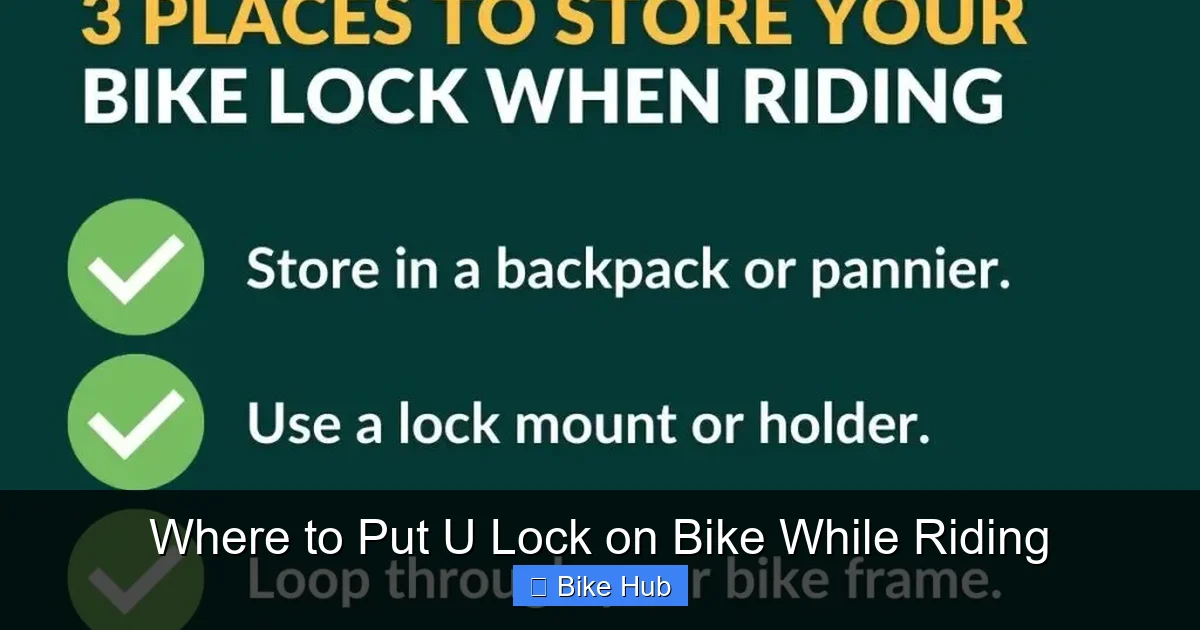
Visual guide about Where to Put U Lock on Bike While Riding
Image source: cdn-ikpohfl.nitrocdn.com
Visual guide about Where to Put U Lock on Bike While Riding
Image source: chicebike.com
Problem: The Lock Hits Your Leg
If the lock is mounted too low on the seat tube, it may interfere with pedaling. Raise the bracket or switch to the down tube. Alternatively, angle the lock slightly forward or backward to create clearance.
Problem: The Bracket Broke
Plastic brackets are notorious for snapping. Replace it with a metal version or use a universal lock mount designed for durability. Always carry a spare strap or zip tie in case of emergencies.
Problem: No Space on the Frame
Small or compact frames may not have room for a standard bracket. In this case, consider a mini U-lock or a folding lock, which are easier to store. You can also explore creative solutions like under-saddle mounting or using a handlebar bag with external straps.
For more on choosing the right lock for your needs, visit our guide on how to choose the best bike lock.
Final Tips for a Smooth Ride
- Test before you go: Always do a short test ride after installing or adjusting your U-lock mount.
- Keep it clean: Wipe down the lock and bracket regularly to prevent dirt buildup and ensure smooth operation.
- Check periodically: Bolts can loosen over time, so inspect your setup every few weeks.
- Consider a secondary lock: For high-theft areas, pair your U-lock with a cable or chain for added security.
Conclusion
Knowing where to put your U-lock on your bike while riding makes a big difference in safety, comfort, and convenience. The best method is usually a sturdy frame-mounted bracket on the down tube or seat tube, but alternatives like racks, bags, or backpacks can work depending on your bike and needs.
Avoid risky habits like dangling the lock or attaching it to the handlebars. Instead, invest in a reliable mounting solution and test it thoroughly. With the right setup, you’ll be able to ride confidently, knowing your lock is secure and ready when you need it.
Remember: a well-placed U-lock isn’t just about theft prevention—it’s about peace of mind. So take a few minutes to set it up right, and enjoy every ride with one less thing to worry about.



