
Whether you’re dealing with a slow leak or a full-blown flat, knowing where to get a bike tire fixed can save you time, money, and frustration. From local bike shops to mobile repair services and DIY fixes, there are plenty of reliable options to get you rolling again.
Key Takeaways
- Local bike shops offer professional repairs with expert advice and quality parts.
- Mobile bike repair services come to your location, ideal for emergencies or busy schedules.
- Big-box retailers like Walmart or Target may offer basic tire repairs, but quality varies.
- DIY repairs are cost-effective and empowering—perfect for minor punctures.
- Community bike co-ops provide tools and guidance for hands-on learners.
- Online tutorials and kits make at-home fixes easier than ever.
- Knowing when to replace vs. repair saves money and improves safety.
Quick Answers to Common Questions
Can I fix a bike tire myself?
Yes! With a basic repair kit and a little practice, most people can fix a flat tire in under 20 minutes. Online tutorials make it easy to learn.
How much does it cost to fix a bike tire?
At a bike shop, expect to pay $15–$30 for a tube replacement. DIY fixes cost as little as $5 for a new tube.
How long does it take to fix a flat tire?
Most shops can fix a flat in 15–30 minutes. DIY repairs take about the same time once you’re comfortable with the process.
Should I patch or replace a tube?
Patching is fine for small punctures, but if the tube is torn or老化, replacement is safer and more reliable.
Can I ride with a slightly flat tire?
It’s not recommended. Riding on a low tire can damage the rim and increase the risk of a blowout.
📑 Table of Contents
- Where Can I Get a Bike Tire Fixed? Your Complete Guide
- 1. Local Bike Shops: The Go-To for Reliable Repairs
- 2. Mobile Bike Repair Services: Fix It Where You Are
- 3. Big-Box Retailers: A Quick Fix (But Proceed with Caution)
- 4. DIY Repairs: Fix It Yourself and Save Money
- 5. Community Bike Co-Ops: Learn and Fix Together
- 6. When to Repair vs. Replace Your Bike Tire
- Final Thoughts: Be Prepared, Stay Safe
Where Can I Get a Bike Tire Fixed? Your Complete Guide
So, you’re out for a ride, enjoying the breeze and the rhythm of the pedals—then suddenly, your bike feels sluggish. You stop, check the tire, and yep, it’s flat. Now what? Don’t panic. A flat tire doesn’t have to end your ride or your day. The good news is, there are more options than ever to get a bike tire fixed quickly and affordably.
Whether you’re a weekend warrior, a daily commuter, or just someone who likes to cruise around the neighborhood, knowing where to go when your tire goes down is essential. From neighborhood bike shops to on-demand mobile mechanics, the solutions are diverse and accessible. In this guide, we’ll walk you through every option—so the next time you hear that dreaded hiss, you’ll know exactly what to do.
1. Local Bike Shops: The Go-To for Reliable Repairs
When it comes to getting a bike tire fixed, your local bike shop should be at the top of your list. These shops are staffed by trained mechanics who understand bikes inside and out. They can diagnose not just the flat, but also check for underlying issues like worn rims, damaged spokes, or improper tire pressure.
Why Choose a Local Bike Shop?
Local shops offer personalized service. They’ll explain what went wrong and how to prevent it in the future. Plus, they often carry high-quality inner tubes and tires that last longer than budget options. Many also offer warranties on their work, giving you peace of mind.
What to Expect
Most shops can fix a flat in 15–30 minutes. They’ll remove the wheel, inspect the tire for debris (like glass or thorns), replace or patch the tube, and reinstall everything. Some even offer same-day service if you drop it off in the morning.
Pro Tip
Call ahead to check if they accept walk-ins or require appointments. Some busy shops may need you to leave your bike for a few hours—especially during peak cycling seasons.
2. Mobile Bike Repair Services: Fix It Where You Are
Imagine this: you’re halfway through your commute, and your tire goes flat. You’re not near a bike shop, and you don’t have tools. That’s where mobile bike repair services come in. These are like roadside assistance for cyclists—mechanics who come to your location with a van full of tools and parts.
How Mobile Repairs Work
You book a time online or via an app, and a technician arrives with everything needed to fix your tire on the spot. Many services operate in urban areas and cover common issues like flats, brake adjustments, and gear tuning.
Benefits of Mobile Repairs
Convenience is the biggest perk. You don’t have to carry your bike across town or wait in line. It’s also great for people with busy schedules or limited mobility. Some services even offer subscription plans for regular maintenance.
Popular Services to Consider
Companies like Velofix, Wrench, and Bike Doctor operate in major cities across the U.S. and Canada. Prices vary, but a standard flat repair typically costs between $25 and $50, including labor and a new tube.
3. Big-Box Retailers: A Quick Fix (But Proceed with Caution)
Stores like Walmart, Target, or REI sometimes offer basic bike repair services. While convenient, especially if you’re already shopping, these options come with caveats.
What They Offer
Many big-box stores have in-house bike departments that can handle simple repairs like replacing a tube or inflating a tire. REI, in particular, is known for quality service and knowledgeable staff.
Limitations to Keep in Mind
The level of expertise can vary widely. At larger chains, employees may not be full-time bike mechanics. They might miss hidden damage or use lower-quality parts. Also, wait times can be long during busy hours.
When It Makes Sense
If you’re in a pinch and need a quick fix to get home, a big-box store can be a lifesaver. But for anything beyond a basic tube replacement, it’s better to go to a dedicated bike shop.
4. DIY Repairs: Fix It Yourself and Save Money
There’s something deeply satisfying about fixing your own bike. Not only does it save money, but it also builds confidence and independence. With the right tools and a little know-how, you can fix a flat tire in under 20 minutes.
What You’ll Need
A basic repair kit includes tire levers, a spare inner tube, a patch kit, a pump or CO2 inflator, and a multitool. Many kits come in compact pouches that fit under your saddle.
Step-by-Step Fix
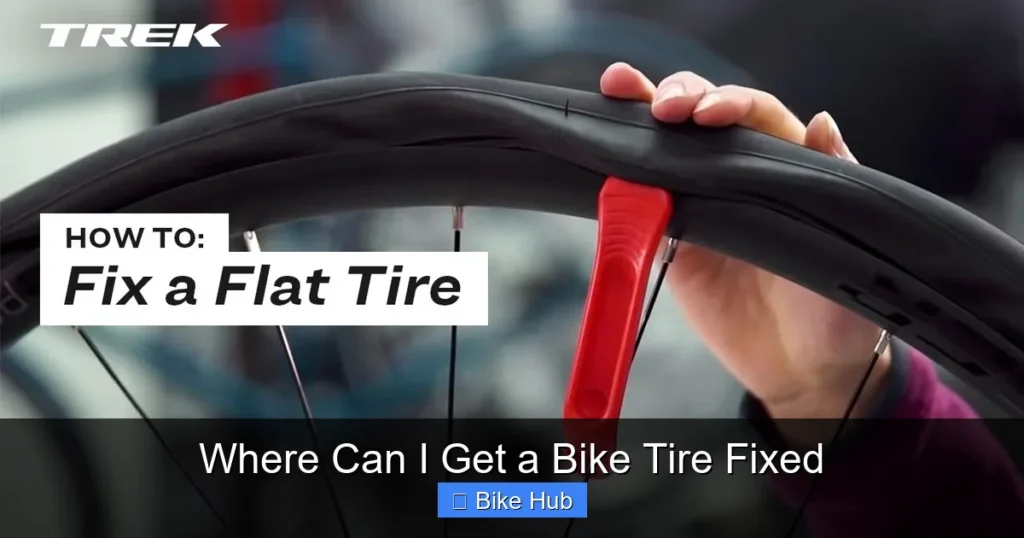
Start by removing the wheel. Use tire levers to pry the tire off the rim. Pull out the old tube and inspect the tire for sharp objects. Insert the new tube, reseat the tire, and inflate. It sounds simple, and with practice, it becomes second nature.
Learning Resources
YouTube is full of excellent tutorials. Channels like Park Tool and GCN Tech offer clear, step-by-step guides. Many local bike shops also host free workshops for beginners.
Pro Tip
Always carry a spare tube and a mini pump when riding. It’s the easiest way to handle a flat without needing outside help.
5. Community Bike Co-Ops: Learn and Fix Together
Community bike co-ops are nonprofit spaces where people come together to repair bikes, share tools, and learn skills. They’re especially popular in college towns and urban areas.
How Co-Ops Work
You pay a small fee (often $5–$10 per visit) to use professional-grade tools and workbenches. Volunteers or staff are usually on hand to guide you through repairs. Some co-ops even offer free services for low-income riders.
Benefits Beyond Repairs
Co-ops foster a sense of community. You’ll meet other cyclists, learn new techniques, and often leave with a better understanding of how your bike works. Many also sell refurbished bikes and parts at affordable prices.
Finding a Co-Op Near You
Search online for “bike co-op near me” or check directories like The Bike Collective Network. Cities like Portland, Austin, and Minneapolis have especially active co-op scenes.
6. When to Repair vs. Replace Your Bike Tire
Not every flat means you need a new tire. But sometimes, the damage is too severe to fix. Knowing the difference can save you money and keep you safe.
When to Repair
If the tire has a small puncture (like from a nail or thorn), a patch or new tube will usually do the trick. Also, if the tire tread is still intact and there’s no sidewall damage, a repair is often sufficient.
When to Replace
Replace the tire if you see cuts, bulges, or worn-down tread. Sidewall damage is especially dangerous—it can lead to blowouts at high speeds. If the tire is more than 5–7 years old, consider replacing it even if it looks fine. Rubber degrades over time.
Cost Comparison
A new inner tube costs $5–$15. A quality tire can range from $20 to $100+, depending on the type (road, mountain, hybrid). While replacing a tire is more expensive upfront, it’s safer and often lasts longer than repeated repairs.
Final Thoughts: Be Prepared, Stay Safe
Getting a bike tire fixed doesn’t have to be stressful. With so many options available—from local shops to DIY fixes—you can choose the solution that best fits your lifestyle, budget, and skill level. The key is to be prepared. Carry a repair kit, know your local resources, and don’t ignore warning signs like frequent flats or uneven wear.
Remember, a flat tire is just a minor setback. With the right knowledge and tools, you’ll be back on the road in no time—stronger, smarter, and ready for your next adventure.
Frequently Asked Questions
How often should I check my bike tires?
Check your tire pressure before every ride. Inspect the tread and sidewalls weekly for cuts, wear, or embedded debris.
What causes bike tires to go flat?
Common causes include punctures from sharp objects, worn-out tubes, improper installation, or valve issues. Slow leaks may indicate a small hole or loose valve core.
Can I use a car tire patch on a bike tube?
No. Bike tubes require flexible, rubber-based patches designed for thin rubber. Car patches are too stiff and may fail.
Do bike shops fix tires for free?
Some shops offer free inspections, but most charge for labor and parts. However, if you bought the tire there, they may honor a warranty.
Is it better to repair or replace a damaged tire?
If the tire has deep cuts, bulges, or worn tread, replace it. Minor punctures can usually be repaired with a new tube.
How do I prevent future flats?
Use puncture-resistant tires, keep proper tire pressure, avoid debris on the road, and inspect your tires regularly for damage.



