
Your bike helmet is more than just an accessory—it’s your first line of defense against the unexpected. But how do you know when it’s time to swap out your trusty helmet for a new one?
The answer isn’t always clear, and riding with an outdated helmet can put your safety at risk. Imagine the peace of mind you’ll have knowing that every ride, every pedal, and every turn is backed by a helmet that’s in top shape.
You’ll uncover the signs that indicate your helmet needs replacing, ensuring that you stay protected on every adventure. Keep reading to discover how to make the smartest choice for your safety and confidence on the road.
Signs Of Helmet Wear And Tear
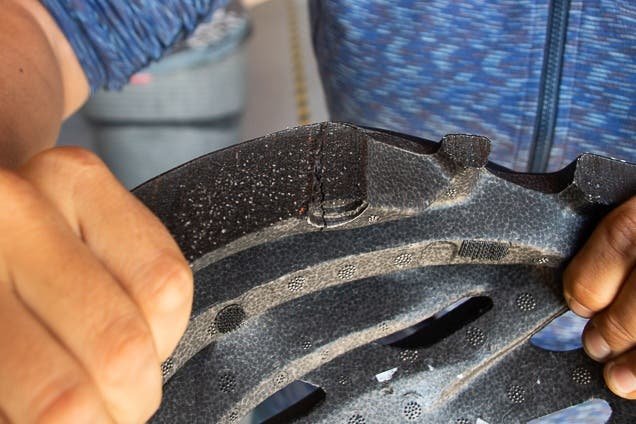
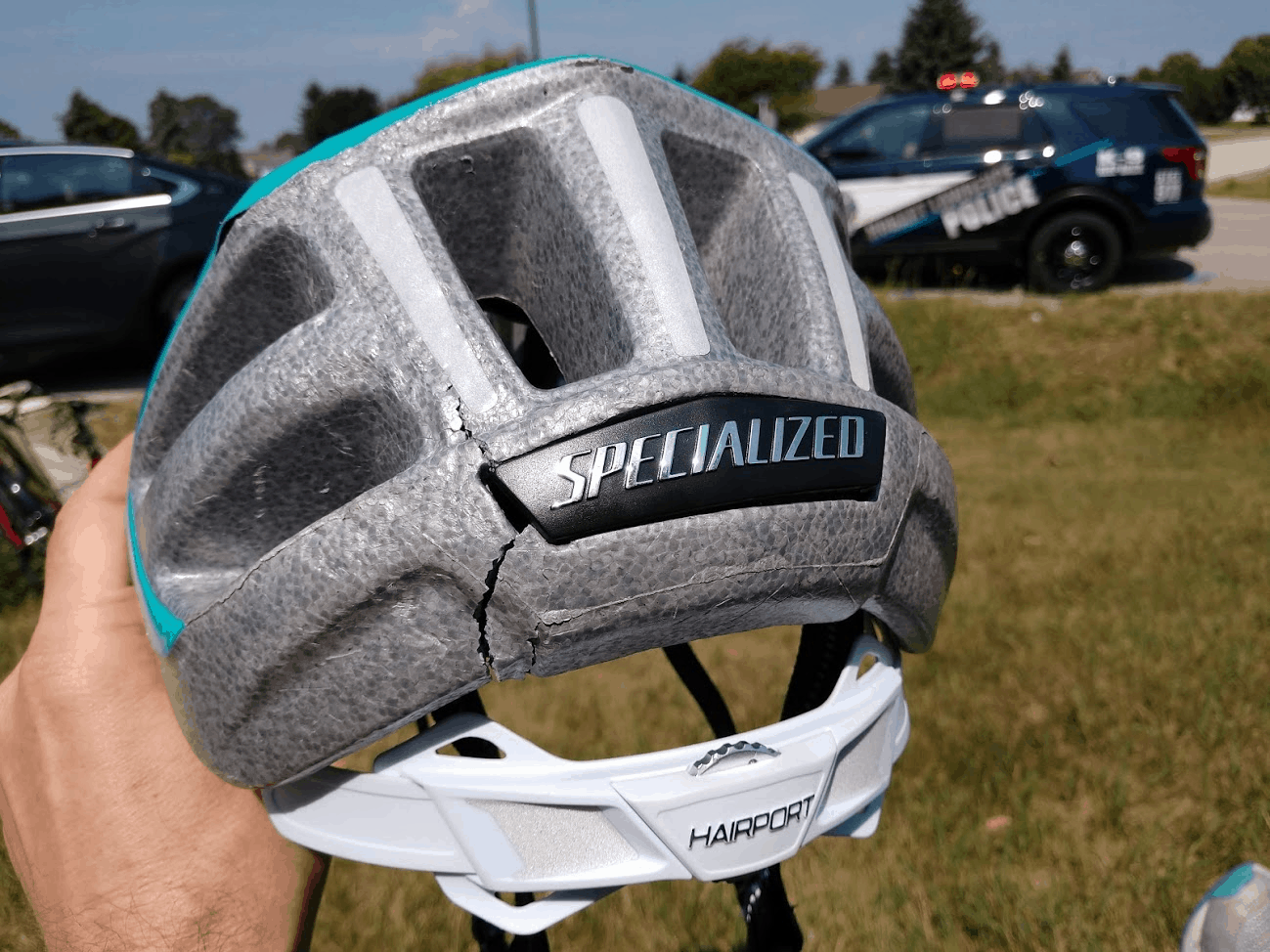
Cracks can be dangerous. Small cracks can grow bigger. Inspect your helmet carefully. Dents mean damage. A dented helmet might not protect well. Safety is important.
Check the strap. It should be strong. Weak straps can break. Look at the buckle. A broken buckle is unsafe. Fasten your helmet securely.
The foam inside absorbs shock. Compressed foam is less effective. Feel the foam for softness. Soft foam means it is compressed. Replace your helmet if foam is soft.

Credit: lazersport.us
Accident Impact
After a crash, check your helmet for damage. Even small cracks can be serious. Dents on the outer shell are a warning sign. Look for crushed foam inside. Foam absorbs the impact during a crash. If it is crushed, it won’t protect you again. Check the straps too. Frayed or damaged straps won’t hold the helmet securely. If any of these signs are present, replace the helmet. Safety is most important.
Visible damage means the helmet is unsafe. Check for scratches and gouges. They can show the helmet hit something hard. Inspect the edges for chips. Chipped edges are weak spots. Do not use a helmet with these problems. Always choose safety first.
Helmet Lifespan
Bike helmets are important for safety. Every helmet comes with manufacturer guidelines. These tell you when to replace your helmet. Most suggest changing helmets every three to five years. It’s because helmets can wear out. New helmets have better safety features. Always read the guidelines for your helmet. Follow their advice to stay safe.
Helmet materials can break down. Sunlight and sweat damage them. The foam inside gets weaker. This makes the helmet less safe. Over time, cracks might appear. Straps can fray or tear. Check your helmet often. Look for signs of wear. If the helmet looks old, replace it. Your safety is important.
Credit: community.terrybicycles.com
Fit And Comfort
A bike helmet must fit well. First, measure your head. Use a tape measure or string. Check the number on the tape. This is your helmet size. Next, wear the helmet. It should sit level on your head. The front should cover your forehead. You should see the helmet edge above your eyebrows. Now, shake your head. The helmet should not move.
A helmet should be easy to adjust. It must have straps and buckles. These help tighten the fit. If the helmet feels loose, adjust the straps. Some helmets have a dial at the back. Turn the dial to make the helmet tighter. A good fit keeps you safe. If you cannot adjust the helmet well, it might be time to replace it.
Safety Standards And Innovations
Bike helmets need to meet safety certifications. These rules keep riders safe. New helmets often have better designs. They protect the head from bumps. Always check for new certification labels. These labels mean the helmet passed tests. Old helmets might not have these labels. They might not protect as well.
Helmet makers use new technologiesto improve safety. Some helmets have special layers. These layers absorb impacts better. Others have cool air vents. These keep your head cool while riding. Some even have built-in lights. These lights help you be seen at night. Always choose a helmet with the best tech you can find.

Credit: lazersport.us
Environmental Factors
Heat can make helmet materials weak. The sun’s UV rays also harm helmets. UV rays can cause cracks and fading. A helmet left in the sun gets damaged faster. Always keep helmets away from direct sunlight.
Safe storage is very important. Don’t leave helmets in hot cars. Extreme temperatures can warp helmets. Store helmets in cool, dry places. A dark closet is a good choice. This keeps them safe and lasts longer.
Regular Maintenance Tips
Keep your bike helmet clean. Use mild soap and water. Avoid strong cleaners. Dry it with a soft cloth. Store in a cool, dry place. Avoid direct sunlight. Sun can damage the helmet. Check for cracks after cleaning. Replace helmet if cracked.
Inspect your helmet often. Look for dents and scratches. Check the straps. They should not be loose. Make sure the buckle works. Replace if it doesn’t snap. Check the foam inside. It should not be squished. A squished foam means less safety. Replace if needed.
Frequently Asked Questions
What Is The Lifespan Of A Bike Helmet?
A bike helmet typically lasts 3 to 5 years. Factors like usage, exposure to sunlight, and impacts can affect its lifespan. Regularly inspect your helmet for cracks or damage. Replace it after a significant impact, even if no visible damage occurs.
Always follow the manufacturer’s guidelines for optimal safety.
Is A 10 Year Old Bicycle Helmet Still Good?
A 10-year-old bicycle helmet may not be safe. Materials degrade over time, reducing protection. Check for cracks and wear. Replace helmets every 5-10 years for optimal safety. Ensure it meets current safety standards for reliable protection. Regular updates in design and technology enhance safety features in newer models.
What Is The 5 Year Rule For Helmets?
The 5-year rule suggests replacing helmets after five years due to material degradation. Regular use, environmental factors, and advancements in safety technology can affect helmet integrity. Always check manufacturer guidelines for specific recommendations. Ensure optimal protection by inspecting for damage and wear, even before the five-year mark.
How Do You Tell If A Bike Helmet Is Expired?
Check the helmet’s manufacture date sticker inside. Helmets typically expire after 3-5 years. Inspect for cracks, wear, or damage. Look for certification labels like CPSC, ASTM, or Snell. Replace if involved in an accident, even if there’s no visible damage.
Safety standards may change, so update regularly.
Conclusion
Replacing your bike helmet is crucial for safety. Helmets wear out over time. Cracks or dents mean it’s time to get a new one. After a crash, always replace the helmet. Protect your head from further risks. Consider the helmet’s age too.
Five years is usually the limit. Newer models often have better protection. Staying safe means staying smart. Regular checks ensure your helmet is ready. Invest in your safety today. Keep riding with peace of mind. Your head will thank you.



