
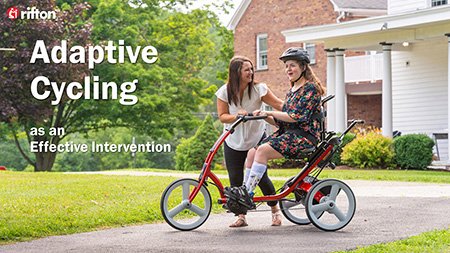
Have you ever wondered how something as simple as cycling could transform your therapy experience? Adaptive cycling isn’t just about riding a bike—it’s about unlocking new ways to heal, strengthen, and boost your confidence.
Whether you’re recovering from an injury or managing a condition, adaptive cycling offers unique benefits that can make a real difference in your progress. Keep reading to discover how this powerful therapy tool can help you move better, feel stronger, and enjoy the ride toward better health.

Credit: everybodyebikes.com.au
Physical Benefits Of Adaptive Cycling
Adaptive cycling helps people with different abilities stay active. It supports physical health and builds strength. This activity suits many therapy needs.
Riding an adaptive bike moves different muscle groups. It also improves heart function and body control. These benefits promote better health overall.
Improved Cardiovascular Health
Adaptive cycling raises the heart rate safely. It strengthens the heart and lungs. This helps the body use oxygen well and lowers disease risk.
Regular rides can lower blood pressure and improve endurance. It is a gentle way to boost heart health.
Enhanced Muscle Strength And Flexibility
Riding an adaptive bike works many muscles at once. It helps build strong legs, arms, and core muscles. Stretching during cycling also improves flexibility.
- Leg muscles get stronger from pedaling
- Arm and shoulder muscles improve with steering
- The core stays stable during balance efforts
- Regular movement keeps joints flexible
Better Coordination And Balance
Adaptive cycling requires control of the bike’s movements. It trains the brain and muscles to work together. This helps improve coordination and balance skills.
| Benefit | How Adaptive Cycling Helps |
| Coordination | Synchronizes hand and foot movements |
| Balance | Improves body control while riding |
| Reaction Time | Sharpens response to changes in terrain |
Mental Health Improvements
Adaptive cycling offers many mental health benefits. It supports emotional balance and mental clarity. People who cycle adaptively often feel calmer and happier.
This therapy is useful for those with stress, anxiety, or cognitive challenges. Riding a cycle helps the mind and body work together well.
Reduced Stress And Anxiety
Adaptive cycling lowers stress hormones in the body. It encourages deep breathing and muscle relaxation. This helps reduce feelings of anxiety and tension.
- Physical activity releases natural mood lifters
- Rhythmic pedaling can calm the nervous system
- Being outdoors during cycling improves relaxation
- Focus on cycling distracts from stressful thoughts
Boosted Mood And Confidence
Cycling builds self-esteem and positive feelings. Achieving small goals on the bike gives a sense of success. This helps people feel more confident in daily life.
| Benefit | How It Helps |
|---|---|
| Endorphin Release | Improves mood naturally |
| Social Interaction | Encourages connection and support |
| Sense of Independence | Builds pride and control |
Increased Cognitive Function
Cycling helps improve memory and focus. It increases blood flow to the brain. This supports clearer thinking and learning ability.
Key cognitive benefits include:
- Improved attention span
- Better problem-solving skills
- Enhanced coordination between brain and body
Social And Emotional Gains
Adaptive cycling helps people connect with others and feel better emotionally. It offers chances to meet new friends and join group activities.
Riding a bike that fits your needs can boost confidence. It helps reduce stress and improves mood by being active and outdoors.
Building Community Connections
Adaptive cycling brings people together in local groups or clubs. Riders share their stories and support each other.
These connections create a sense of belonging. Feeling part of a community helps reduce loneliness and builds friendships.
Encouraging Teamwork And Support
Group rides teach riders how to work with others. They learn to help and encourage teammates during rides.
Teamwork in cycling improves communication skills and trust. Riders feel supported and motivated to keep going.
- Sharing goals and challenges
- Cheering on each other
- Helping with bike adjustments
Fostering Independence
Adaptive cycling allows riders to explore places on their own. This freedom builds self-confidence and pride.
Learning to control the bike improves decision-making and problem-solving skills. Riders gain a sense of control over their lives.
Credit: www.rifton.com
Adaptive Cycling For Rehabilitation
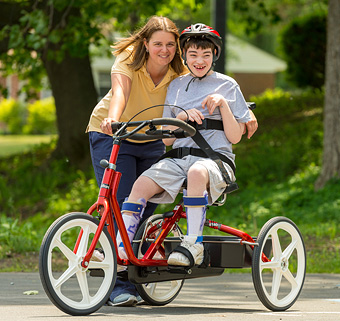
Adaptive cycling uses special bikes designed for people with physical challenges. It helps many individuals regain strength and improve movement.
Therapists often include adaptive cycling in recovery plans. It supports healing and can be adjusted for different needs.
Recovery From Injury Or Surgery
After injury or surgery, adaptive cycling helps rebuild muscle and increase joint flexibility. It offers low-impact exercise that is safe and effective.
- Improves blood flow to healing areas
- Reduces stiffness in joints
- Supports gradual strength rebuilding
- Allows controlled motion without strain
Managing Chronic Conditions
Adaptive cycling helps people manage ongoing health issues like arthritis or multiple sclerosis. It keeps the body active and reduces pain.
| Condition | Benefits of Adaptive Cycling |
| Arthritis | Less joint pain, improved movement |
| Multiple Sclerosis | Maintains muscle strength, boosts endurance |
| Stroke Recovery | Improves balance, aids coordination |
Customizing Therapy Plans
Therapists tailor adaptive cycling to each person’s needs. They adjust bike settings and exercise routines for best results.
Key factors in customizing therapy include:
- Type of physical limitation
- Patient’s endurance level
- Specific rehabilitation goals
- Availability of adaptive equipment
Choosing The Right Adaptive Cycle
Adaptive cycling offers therapy benefits for many people. Picking the right cycle helps maximize those benefits. Understanding the types and safety needs is important.
This guide covers different adaptive bikes, matching equipment to your needs, and safety considerations.
Types Of Adaptive Bikes
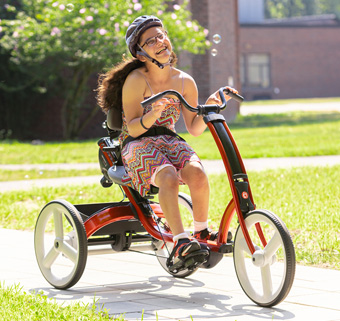
Adaptive bikes come in many forms. Each type suits different physical abilities and therapy goals. Common types include handcycles, tricycles, and tandem bikes.
- Handcycles:Pedaled by hand, ideal for leg impairments.
- Tricycles:Three wheels provide extra balance and support.
- Tandem Bikes:Two riders work together, good for social therapy.
- Recumbent Bikes:Reclined seating reduces pressure on the back.
Matching Equipment To Needs
Choosing the right bike depends on physical strength, balance, and therapy goals. Consider what parts of the body need exercise and support.
| Need | Best Adaptive Bike | Reason |
| Upper body strength | Handcycle | Allows arm pedaling and builds arm muscles |
| Balance issues | Tricycle | Extra wheel base gives stability |
| Social interaction | Tandem bike | Bike with a partner encourages teamwork |
| Back support needed | Recumbent bike | Seated position reduces back strain |
Safety Considerations
Safety is key when choosing and using an adaptive cycle. Look for proper fit, secure seating, and easy controls.
- Check brakes and steering for easy use.
- Use helmets and safety gear every time.
- Ensure the bike fits the rider’s size and strength.
- Practice riding in safe, flat areas first.
- Have regular maintenance checks on the bike.
Credit: www.rifton.com
Frequently Asked Questions
What Are The Physical Benefits Of Adaptive Cycling?
Adaptive cycling improves muscle strength, coordination, and cardiovascular health. It enhances balance and promotes joint flexibility, making physical activity accessible for people with disabilities or limited mobility.
How Does Adaptive Cycling Support Mental Health?
Adaptive cycling reduces stress and boosts mood by releasing endorphins. It increases confidence and independence, helping individuals feel empowered and more socially connected.
Can Adaptive Cycling Improve Cognitive Functions?
Yes, adaptive cycling enhances focus, memory, and problem-solving skills. It stimulates brain activity through coordination and navigation, benefiting overall cognitive health.
Who Can Benefit From Adaptive Cycling Therapy?
Individuals with disabilities, neurological conditions, or mobility challenges can benefit. It suits children and adults seeking physical rehabilitation or inclusive exercise options.
Conclusion
Adaptive cycling offers many therapy benefits for individuals. It improves physical health and enhances mental well-being. Riders often experience increased strength and better balance. Confidence grows as they master new skills. Social interaction also plays a key role. Cycling with others builds community and support.
Adaptive cycling suits different needs and abilities. This inclusivity boosts motivation and joy. Many find it a rewarding and enjoyable activity. A journey toward better health and happiness. Consider adaptive cycling as a positive addition to a therapy plan.



