
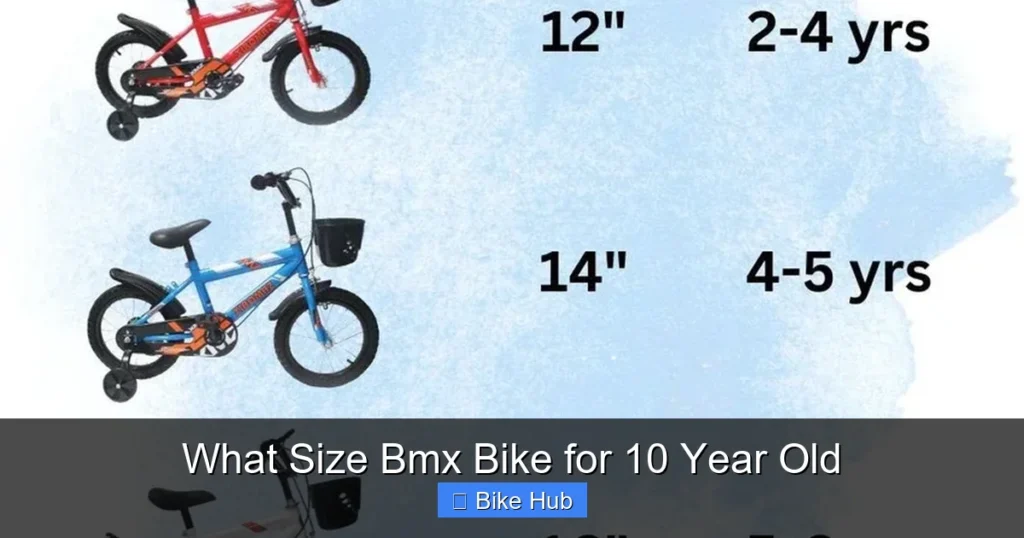
Finding the right BMX bike size for a 10-year-old ensures safety, comfort, and better control. This guide walks you through key measurements, wheel sizes, and expert tips to help your child ride with confidence and joy.
Key Takeaways
- Wheel size matters most: Most 10-year-olds ride 18″ to 20″ wheels, with 20″ being the most common for BMX bikes.
- Height is the best starting point: Kids between 4’2″ and 4’8″ typically fit a 20″ BMX bike perfectly.
- Frame size affects control: A properly sized frame ensures better balance and maneuverability.
- Adjustability is key: Look for seat height and handlebar adjustments to grow with your child.
- Safety first: Always pair the right bike with a helmet and protective gear.
- Test before you buy: Let your child ride the bike to ensure it feels comfortable and responsive.
- Consider riding style: Street, park, or flatland riding may influence the ideal bike setup.
What Size BMX Bike for 10-Year-Old? A Complete Guide
Choosing the right BMX bike for your 10-year-old can feel overwhelming with so many options on the market. But getting the size right is crucial—not just for performance, but for safety and enjoyment. A bike that’s too big or too small can make riding frustrating, increase the risk of accidents, and even discourage your child from continuing the sport.
In this guide, we’ll walk you through everything you need to know to pick the perfect BMX bike size for a 10-year-old. You’ll learn how to measure your child, understand wheel and frame sizes, and choose a bike that fits their height, skill level, and riding style. Whether your kid is into street riding, pump tracks, or just cruising around the neighborhood, we’ve got you covered.
Step 1: Measure Your Child’s Height
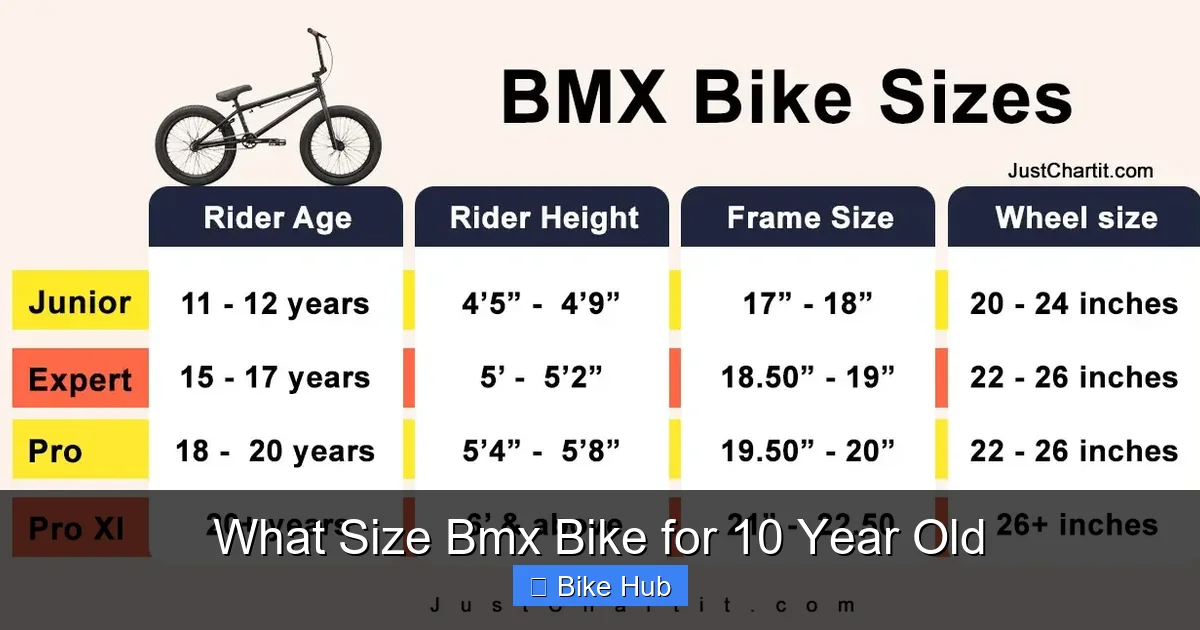
Visual guide about What Size Bmx Bike for 10 Year Old
Image source: justchartit.com
The first and most important step in choosing the right BMX bike is measuring your child’s height. BMX bikes are typically sized by wheel diameter, but height is the best indicator of which size will fit comfortably.
How to Measure Accurately
- Have your child stand barefoot against a flat wall.
- Use a book or flat object to mark the top of their head on the wall.
- Measure from the floor to the mark in inches or centimeters.
Most 10-year-olds fall between 4 feet 2 inches (127 cm) and 4 feet 8 inches (142 cm) tall. This range is key because it directly influences the ideal wheel size.
Height to Wheel Size Guide
- 4’0″ – 4’4″ (122–132 cm): 18″ wheels
- 4’4″ – 4’8″ (132–142 cm): 20″ wheels (most common for 10-year-olds)
- 4’8″ and taller: 20″ or 20.5″ wheels, depending on build and preference
For the majority of 10-year-olds, a 20-inch wheel BMX bike is the sweet spot. It offers the right balance of stability, speed, and agility for tricks and casual riding.
Step 2: Understand BMX Bike Frame Sizes
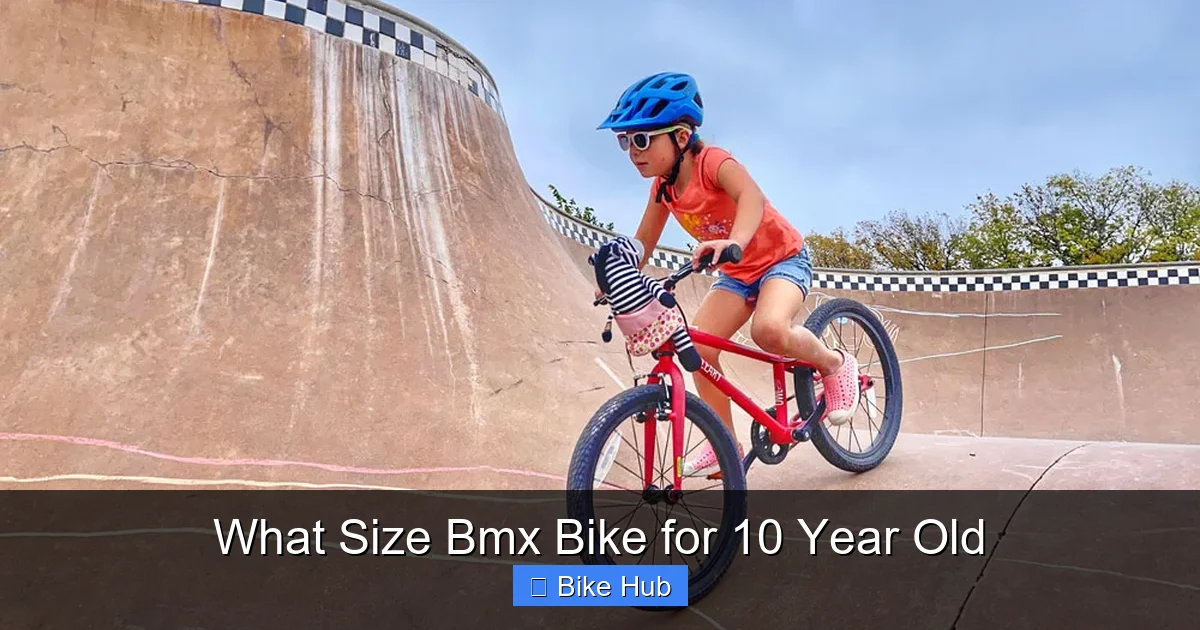
Visual guide about What Size Bmx Bike for 10 Year Old
Image source: twowheelingtots.com
While wheel size gets most of the attention, the frame size plays a big role in how the bike handles. BMX frames are measured by top tube length, which is the horizontal bar from the head tube to the seat tube.
Top Tube Length Recommendations
- 18″ wheels: 18″ to 19″ top tube
- 20″ wheels: 20″ to 21″ top tube (ideal for most 10-year-olds)
- 20.5″ wheels: 21″ to 22″ top tube (better for taller or more advanced riders)
A shorter top tube makes the bike more responsive and easier to control—great for younger or smaller riders. A longer top tube offers more stability at speed and is better for taller kids or those doing street and park riding.
Why Frame Fit Matters
A properly sized frame ensures your child can:
- Reach the handlebars comfortably without stretching
- Stand over the bike with both feet flat on the ground
- Perform tricks like bunny hops and manuals with ease
If the frame is too long, your child may struggle with balance. If it’s too short, they might feel cramped and lose control during jumps or turns.
Step 3: Check Standover Height
Standover height is the distance from the ground to the top of the bike’s top tube. Your child should be able to stand over the bike with both feet flat on the ground and have at least 1 to 2 inches of clearance between their body and the top tube.
How to Test Standover Height
- Have your child stand over the bike in riding position.
- Check that they can touch the ground with both feet.
- Measure the gap between the top tube and their body.
This simple test prevents accidents and gives your child confidence when starting, stopping, or dismounting.
Step 4: Adjust Seat and Handlebar Height
Even with the right frame size, adjustments are essential for comfort and control. Most BMX bikes allow you to raise or lower the seat and handlebars.
Seat Height Tips
- Start with the seat low so your child can touch the ground easily.
- As they gain confidence, raise it so their legs are almost fully extended at the bottom of the pedal stroke.
- Never set the seat so high that they can’t touch the ground when stopped.
Handlebar Position
- Handlebars should be at or slightly above seat height for a comfortable, upright position.
- Lower handlebars are better for aggressive riding and tricks.
- Ensure your child can reach the bars without leaning forward too much.
Many BMX bikes come with adjustable stems and seat posts, so you can fine-tune the fit as your child grows.
Step 5: Consider Riding Style and Use
Not all BMX bikes are the same. The type of riding your child plans to do will influence the best size and setup.
Street and Park Riding
For kids who want to ride skate parks, ramps, or urban environments, a 20-inch BMX bike with a 20.5″ to 21″ top tube is ideal. These bikes are built for durability and trick performance.
Check out our guide on the best BMX bike for street cruising for top recommendations.
Flatland and Tricks
Flatland BMX focuses on balance and precision. A slightly shorter top tube (20″) helps with quick spins and control. Look for lightweight frames and responsive handling.
Learn more in our article: best BMX bike for flatland.
Pump Tracks and Trails
For pump tracks or dirt jumping, a 20″ BMX with strong wheels and suspension (if applicable) works well. These bikes need to absorb impact and maintain speed.
See our picks: best BMX bike for pump tracks.
Step 6: Test Ride Before Buying
Never buy a BMX bike without letting your child try it first. A test ride reveals issues that specs alone can’t show—like comfort, balance, and responsiveness.
What to Look for During a Test Ride
- Can they start and stop easily?
- Do they feel stable when turning or jumping?
- Are the pedals and brakes within easy reach?
- Does the bike feel too heavy or too light?
If possible, visit a local bike shop or attend a BMX event where kids can demo bikes. This hands-on experience is invaluable.
Troubleshooting Common Sizing Issues
Even with the right size, some kids may struggle with fit. Here’s how to fix common problems:
Bike Feels Too Big
- Lower the seat and handlebars.
- Ensure the top tube isn’t too long—consider a smaller frame if needed.
- Practice in a safe, open area to build confidence.
Bike Feels Too Small
- Raise the seat and handlebars to maximum safe height.
- Check if the bike is designed for younger riders (e.g., 18″ wheels).
- Consider upgrading to a 20″ or 20.5″ bike if your child is on the taller side.
Hard to Control During Tricks
- This may be due to incorrect frame size or improper setup.
- Adjust the seat height and handlebar angle.
- Ensure the bike is properly maintained—check tire pressure, brakes, and chain tension.
Safety Tips for Young BMX Riders
No matter the size, safety should always come first. A well-fitting bike is only part of the equation.
Essential Safety Gear
- Helmet: Must fit snugly and meet safety standards (CPSC certified).
- Knee and elbow pads: Protect against falls during tricks or crashes.
- Gloves: Improve grip and protect hands.
- Closed-toe shoes: Avoid sandals or flip-flops.
Teach your child basic bike safety rules, like looking both ways before crossing streets and avoiding busy roads.
Conclusion
Choosing the right size BMX bike for a 10-year-old doesn’t have to be complicated. Start with your child’s height, aim for a 20-inch wheel bike with a 20″ to 21″ top tube, and make sure they can stand over the bike with ease. Adjust the seat and handlebars for comfort, and always prioritize safety with proper gear.
Remember, the best bike is one that fits well, feels fun to ride, and grows with your child’s skills. With the right size, your 10-year-old will be ready to cruise, jump, and explore with confidence.
For younger riders, check out our guide on the best 16-inch bike for 4-year-olds, or explore options for older kids with our article on the best BMX bike for teens.



