
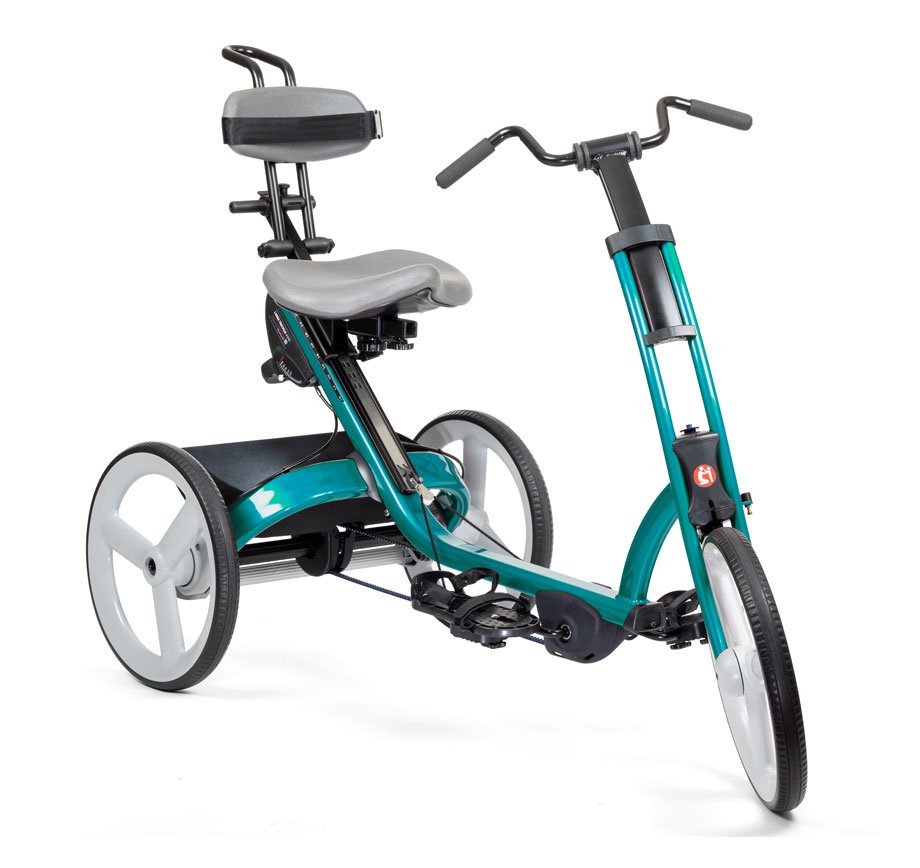
Choosing the right size adaptive trike can make all the difference in your comfort, safety, and overall riding experience. But with so many options out there, how do you know which size fits you best?
This guide will help you understand the key factors to consider, so you can find the perfect adaptive trike tailored to your needs. Keep reading to discover how the right fit can unlock your freedom and confidence on every ride.

Credit: viribusbikes.com
Choosing The Right Frame Size
Picking the right frame size for an adaptive trike is key for comfort and control. The frame size affects how well you can ride and how safe you feel.
It is important to understand your body measurements and how the trike frame fits you. This guide helps you find the best frame size.
Measuring Your Inseam
Your inseam length helps decide the right frame size. It is the distance from the crotch to the floor.
To measure your inseam, stand against a wall with your feet flat. Use a book or ruler between your legs to the floor. Record this length in inches or centimeters.
- Wear shoes you plan to ride with
- Measure twice for accuracy
- Use this number to compare with trike specs
Considering Rider Height
Your overall height also guides frame size choice. Taller riders usually need larger frames to fit well.
Check the height range suggested by the trike maker. Make sure your height falls within this range for comfort and safety.
- Measure height without shoes
- Stand straight for best result
- Compare with manufacturer size charts
Frame Geometry Impact
The shape and angles of the frame affect how the trike fits and rides. Frame geometry changes reach and leg position.
Some frames have low seats for easy mounting. Others have longer frames for more legroom. Choose geometry that matches your comfort needs.
- Look for seat height and angle
- Check pedal reach distance
- Consider turning radius for control
Seat Fit And Comfort
Choosing the right adaptive trike size depends a lot on how well the seat fits. Comfort during rides helps riders enjoy their time and avoid pain. A good seat keeps the body stable and relaxed.
Below are key factors to consider about seat fit and comfort. These help find the best trike size for each rider’s needs.
Seat Width And Depth
The seat width should match the rider’s hips to avoid pressure points. If too wide, the rider might slide; if too narrow, it can pinch. Seat depth supports the thighs but should not press the back of the knees.
| Seat Size | Best Fit | Effect on Comfort |
| Too Narrow | Hips wider than seat | Pressure and discomfort |
| Too Wide | Hips smaller than seat | Sliding and instability |
| Too Shallow | Thighs longer than seat | Poor leg support |
| Too Deep | Seat presses behind knees | Reduced circulation |
Adjustable Seat Positions
Seats that adjust in height, angle, and distance improve fit. They allow riders to change positions for comfort and better control. Adjustments help with growth or changes in body size.
- Height adjustment aligns seat with pedals
- Seat angle supports natural posture
- Forward/back moves for leg length
- Easy to use controls for quick changes
Cushioning And Support
Good cushioning reduces pressure and absorbs shocks. Supportive seats keep the rider upright and prevent sliding. Materials should be soft but firm enough to keep shape.
Look for these features in seat cushioning and support:
- Memory foam or gel padding for comfort
- Breathable covers to reduce sweating
- Side supports to keep hips stable
- Easy to clean and durable materials
Handlebar Reach And Position
Choosing the right handlebar reach and position is key for an adaptive trike. It affects your comfort and how well you control the trike. Proper setup helps you ride longer with less strain.
Different handlebars offer various grips and positions. Adjusting reach lets you find a natural arm stretch. This setup also impacts your safety by improving balance and control.
Types Of Handlebars
Adaptive trikes come with several handlebar styles. Each type suits different riding needs and body types. Knowing these helps you pick the best fit for your trike.
- Flat Handlebars:Straight bars that offer a simple grip. Good for riders who want a relaxed, upright position.
- Drop Handlebars:Curve downward for multiple hand positions. Ideal for riders who want speed and aerodynamics.
- Riser Handlebars:Rise up from the stem for a higher grip. Great for comfort and better control on rough surfaces.
- Recumbent Handlebars:Found on some adaptive trikes. They allow a laid-back arm position, reducing shoulder strain.
Adjusting Reach For Comfort
Handlebar reach means the distance from the seat to the bars. Too far or too close causes discomfort. Adjust reach to keep your arms slightly bent when holding the bars.
| Adjustment | Effect | Tip |
| Too Far | Arm stretch, shoulder strain | Move bars closer or adjust stem length |
| Too Close | Hunched posture, wrist pain | Move bars away or change handlebar type |
| Just Right | Relaxed arms, good control | Elbows slightly bent, shoulders relaxed |
Impact On Control And Safety
Correct handlebar position improves your ability to steer and balance. It also reduces fatigue, letting you focus on the road. Poor setup can cause loss of control and accidents.
- Better grip reduces hand slipping.
- Proper reach helps quick reactions.
- Comfortable position lowers muscle tension.
- Good control improves balance during turns.

Credit: www.rifton.com
Wheel Size And Stability
Choosing the right size adaptive trike is important for comfort and safety. Wheel size plays a big role in how stable the trike feels.
Stability depends on more than just wheel size. The design and terrain also affect how steady the trike will be.
Common Wheel Sizes
Adaptive trikes usually have wheel sizes between 12 and 26 inches. Smaller wheels make the trike lighter. Larger wheels help with smooth rides.
- 12-16 inches: Good for kids and small adults
- 20 inches: Most common size for balance and speed
- 24-26 inches: Better for rough terrain and long rides
Effect On Maneuverability
Smaller wheels turn easier and help with tight spaces. Large wheels need more space but keep speed better. Choosing the right wheel size affects how you steer the trike.
- Small wheels: Easier to turn and control
- Large wheels: Smoother ride but less agile
- Medium wheels: Balance between control and speed
Terrain Considerations
Wheel size matters more on different surfaces. Large wheels handle bumps and rough ground better. Small wheels work well on flat, smooth paths.
- Flat pavement: Small or medium wheels work fine
- Gravel or dirt paths: Larger wheels offer stability
- Grass or sand: Big wheels prevent getting stuck
Weight Capacity And Durability
Choosing the right size adaptive trike depends a lot on weight capacity and durability. These factors ensure safety and long use.
Trikes that match weight limits and use strong materials last longer and perform better. Let’s explore these key points.
Matching Weight Limits
Each adaptive trike has a weight limit set by the manufacturer. This limit keeps the rider safe and protects the trike parts.
- Check the weight limit before buying
- Do not exceed the max weight
- Consider the rider’s weight plus any extra gear
- Choose a trike with a higher capacity if unsure
Material Choices
Adaptive trikes use different materials for frames and parts. The right choice improves strength and wear resistance.
| Material | Durability | Weight |
| Aluminum | Good | Light |
| Steel | Very Strong | Heavy |
| Carbon Fiber | Strong | Very Light |
Long-term Performance
Durability affects how well the trike lasts over time. Look for features that support long-term use.
Consider these for lasting performance:
- Rust-resistant coatings
- Replaceable parts
- Strong welds and joints
- Easy maintenance options

Credit: amtryke.org
Test Riding Tips
Choosing the right size adaptive trike is important for comfort and safety. Test riding helps you find the best fit.
This guide offers tips for what to look for and how to adjust the trike during your test ride.
What To Look For
Check if the trike feels stable and easy to control. Notice how it handles turns and stops.
Look for a comfortable seat and easy access to pedals and handlebars.
- Stable frame and good balance
- Comfortable seat and back support
- Pedals within easy reach
- Handlebars that feel natural
- Clear view of the path ahead
Adjustments During Test Ride
Try adjusting the seat height and handlebar position. Small changes can improve comfort and control.
Test different pedal positions to find what feels best for your legs and feet.
- Raise or lower the seat for leg reach
- Move handlebars closer or farther
- Adjust pedal straps or position
- Check if brakes and gears work easily
Evaluating Overall Fit
Think about how the trike feels after riding for several minutes. It should not cause discomfort.
Make sure you can reach controls without strain. Your body should feel supported and relaxed.
- No pain or pressure on your back or legs
- Easy to pedal and steer
- Good visibility while riding
- Comfortable seat for longer rides
Customizing Your Adaptive Trike
Choosing the right size adaptive trike is just the start. Customizing your trike helps you get the best comfort and control. Adjustments and accessories make it fit your body and needs better.
This guide covers add-ons, professional fitting, and maintenance tips. These steps keep your trike comfortable and safe over time.
Add-ons And Accessories
You can add many accessories to improve your trike’s function and comfort. These include seats, pedals, and storage options. Some add-ons help with balance and safety.
- Adjustable seats and backrests for better posture
- Different pedal sizes and straps for foot support
- Handlebar grips that fit your hand size
- Storage baskets or bags for carrying items
- Lights and reflectors for safety
Professional Fitting Services
Getting a professional fitting helps match the trike to your body. Experts measure your height, leg length, and reach. They adjust the trike parts for your comfort and control.
| Fitting Step | Purpose |
| Seat Height | Allows proper leg extension |
| Handlebar Position | Ensures easy steering and comfort |
| Pedal Placement | Supports efficient pedaling |
| Backrest Angle | Improves posture and support |
Maintenance For Fit Retention
Regular maintenance keeps your trike fitting well. Parts can loosen or wear down. Checking and fixing these helps maintain comfort and safety.
- Check seat bolts and tighten if needed
- Inspect pedals and straps for wear
- Adjust handlebar grips if loose
- Lubricate moving parts to avoid stiffness
- Replace worn accessories promptly
Frequently Asked Questions
What Size Adaptive Trike Fits Beginners Best?
Beginners should choose adaptive trikes with adjustable seats and handlebars. Medium size trikes offer better control and comfort. Check weight limits and ensure easy mounting for safety. A trike that suits your height and mobility level is ideal for starting.
How To Measure For The Right Adaptive Trike Size?
Measure your inseam, height, and weight before buying. Compare these with the trike’s specifications. Ensure seat height allows feet to reach pedals comfortably. Proper measurements prevent discomfort and improve riding efficiency.
Does Rider Weight Affect Adaptive Trike Size Choice?
Yes, weight limits are crucial for safety and performance. Choose a trike that supports your weight plus any gear. Exceeding weight limits can cause damage and unsafe rides. Always check manufacturer guidelines.
Are Adjustable Adaptive Trikes Better For Growing Riders?
Adjustable trikes offer longer usability for children and teens. They adapt to height and leg length changes. This flexibility provides better comfort and cost-effectiveness. Look for models with easy seat and handlebar adjustments.
Conclusion
Finding the right adaptive trike size ensures comfort and safety. Always measure carefully before buying. Consider the rider’s age, height, and ability. These factors affect the trike’s fit. A well-fitted trike improves the riding experience. Consult experts if unsure about choices.
Test different sizes if possible. This helps find the perfect match. Remember, a good fit boosts confidence and enjoyment. Enjoy exploring the world on your new trike!



