
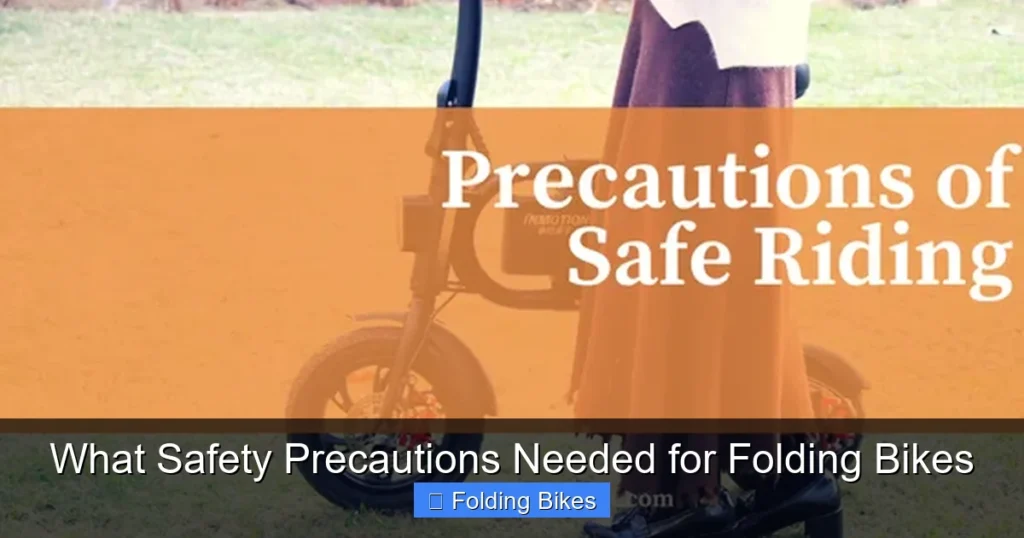
Riding a folding bike is convenient and fun, but it requires specific safety precautions to ensure a smooth, secure journey. Proper folding mechanisms, regular maintenance, and pre-ride inspections are key to avoiding accidents and extending your bike’s life.
Key Takeaways
- Always inspect folding mechanisms before riding: Loose hinges or latches can lead to sudden collapses mid-ride.
- Check tire pressure regularly: Underinflated tires reduce control and increase the risk of punctures.
- Use a reliable folding bike pump: A compact, high-quality pump ensures you can maintain proper tire pressure on the go.
- Secure all locking levers and clamps: Double-check that handlebars, seat post, and frame locks are fully engaged.
- Wear appropriate safety gear: Helmets, lights, and reflective clothing are essential, especially in low-light conditions.
- Store and transport safely: Use padded bags or cases to protect your bike and prevent accidental unfolding.
- Follow manufacturer guidelines: Each folding bike model has unique safety instructions—never skip the manual.
What Safety Precautions Needed for Folding Bikes
Folding bikes are a fantastic choice for commuters, travelers, and city dwellers who value portability and convenience. However, their unique design—compact frames, hinges, and folding mechanisms—requires special attention to safety. Unlike traditional bikes, folding bikes have moving parts that must be securely locked before every ride. Neglecting these can lead to serious accidents.
In this guide, you’ll learn the essential safety precautions every folding bike rider should follow. From pre-ride inspections to proper storage, we’ll cover everything you need to ride safely and confidently. Whether you’re a daily commuter or an occasional rider, these tips will help you avoid common pitfalls and keep your bike in top condition.
1. Inspect Folding Mechanisms Before Every Ride
The most critical safety step is checking all folding points before you start riding. Folding bikes rely on hinges, latches, and locking levers to stay rigid during use. If any of these fail, your bike could collapse while you’re moving.
Check the Main Frame Hinge
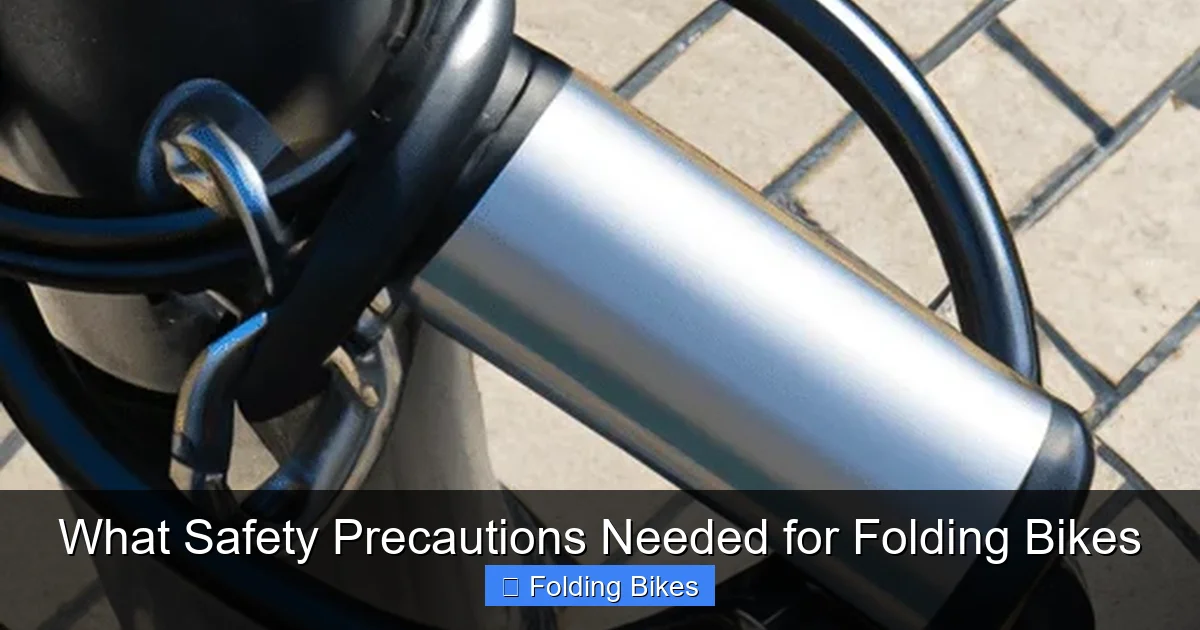
Most folding bikes have a central hinge that allows the frame to fold in half. Look for cracks, rust, or loose bolts. Open and close the hinge slowly to ensure it moves smoothly and locks securely. If it feels wobbly or doesn’t click into place, stop riding and consult a technician.
Visual guide about What Safety Precautions Needed for Folding Bikes
Image source: bikeget.com
Test Handlebar and Stem Locks
The handlebars often fold down or swivel to reduce width. Make sure the locking mechanism is fully engaged. Give the handlebars a firm shake—there should be no movement. A loose stem can cause steering failure, especially at high speeds.
Verify Seat Post Clamp
The seat post must be locked at the correct height. A slipping seat can throw off your balance and lead to falls. Use a quick-release lever or bolt-style clamp, depending on your model, and tighten it properly. For added security, consider a secondary locking mechanism.
Secure Rear Triangle or Wheel Folds
Some models allow the rear wheel or triangle to fold. Ensure these parts are locked and aligned with the front wheel. Misalignment can cause handling issues or chain derailment.
2. Perform Regular Maintenance Checks
Folding bikes endure more stress due to repeated folding and unfolding. Regular maintenance is crucial to prevent mechanical failures.
Lubricate Hinges and Pivots
Apply a light bike lubricant to all moving parts every few months. This prevents rust and ensures smooth operation. Avoid over-lubricating, as excess oil can attract dirt and grime.
Inspect Cables and Housing
Brake and gear cables on folding bikes can wear faster due to bending at joints. Check for fraying, kinks, or stiffness. Replace damaged cables immediately to maintain reliable braking and shifting.
Tighten Bolts and Fasteners
Vibration from riding can loosen bolts over time. Use a torque wrench to check critical areas like the stem, hinge, and brake mounts. Follow your bike’s manual for recommended torque settings.
3. Check Tire Pressure and Condition
Proper tire inflation is vital for safety, especially on compact wheels that are more sensitive to pressure changes.
Use a Folding Bike Pump
Carry a best folding bike pump designed for high pressure and small valves. Many folding bikes use Schrader or Presta valves, so ensure your pump is compatible. Check pressure before every ride—underinflated tires increase rolling resistance and puncture risk.
Inspect for Wear and Damage
Look for cuts, bulges, or worn tread. Folding bike tires are often narrower and more prone to punctures. Replace tires when tread is smooth or cracks appear. Consider puncture-resistant tires for city riding.
Avoid Overloading
Folding bikes have weight limits. Exceeding them can damage the frame, wheels, or folding mechanisms. Check your bike’s maximum load capacity and distribute weight evenly if using a rack or basket.
4. Secure All Locking Levers and Clamps
One of the most common causes of folding bike accidents is failing to lock mechanisms properly.
Double-Check Before Riding
Make it a habit: before every ride, go through a quick checklist. Are the frame, handlebars, seat post, and wheels all locked? A simple 10-second check can prevent a dangerous failure.
Use Visual and Tactile Cues
Many modern folding bikes have color-coded or audible indicators when locks are engaged. Learn these cues. If your bike doesn’t have them, consider adding aftermarket safety stickers or indicators.
Avoid Quick-Release Over-Tightening
While it’s important to secure locks, over-tightening can damage components. Use moderate force—enough to prevent movement, but not so much that you strip threads or crack parts.
5. Wear Proper Safety Gear
Safety isn’t just about the bike—it’s also about you.
Always Wear a Helmet
Even on short rides, a helmet can prevent serious head injuries. Choose one that fits snugly and meets safety standards like CPSC or EN 1078.
Use Lights and Reflectors
Folding bikes are often used in urban areas with traffic. Front and rear lights are essential, especially at dawn, dusk, or night. Add reflective tape to your frame, pedals, and clothing for better visibility.
Dress for Safety
Avoid loose clothing that can get caught in wheels or chains. Bright or reflective clothing increases your visibility to drivers. For long rides, consider padded cycling shorts for comfort and protection.
6. Store and Transport Safely
How you store and carry your folding bike affects its longevity and safety.
Use a Protective Bag or Case
When transporting your bike on public transit or in a car, use a padded bag. This prevents scratches, dents, and accidental unfolding. It also makes carrying easier and more discreet.
Avoid Extreme Temperatures
Don’t leave your bike in a hot car or freezing garage for long periods. Extreme heat can degrade rubber components, while cold can make plastics brittle. Store in a cool, dry place.
Lock It Properly
Even though folding bikes are portable, they’re still theft targets. Use a sturdy U-lock or chain to secure the frame and wheels to a fixed object. For extra security, consider a best U lock for bikes designed for compact frames.
7. Follow Manufacturer Guidelines
Every folding bike model is different. Always refer to the user manual for specific safety instructions.
Read the Manual
Don’t skip this step. The manual includes torque specs, maintenance schedules, and folding procedures tailored to your bike. If you’ve lost it, download a copy from the manufacturer’s website.
Register Your Bike
Some brands offer registration for warranty and theft recovery. It’s a simple step that can pay off if your bike is lost or damaged.
Get Professional Servicing
Even with regular DIY checks, have your bike serviced by a professional once a year. They can spot issues you might miss, like micro-cracks or worn bearings.
Troubleshooting Common Safety Issues
Even with precautions, problems can arise. Here’s how to handle common issues:
Bike Feels Unstable or Wobbly
This usually points to loose hinges or misaligned wheels. Stop riding immediately. Check all locks and tighten bolts. If the problem persists, take it to a bike shop.
Brakes Feel Spongy or Weak
Air in the brake lines or worn pads could be the cause. For rim brakes, check pad alignment and wear. For disc brakes, consider bleeding the system or replacing pads.
Difficulty Folding or Unfolding
This often means dirt or rust in the hinges. Clean and lubricate the mechanism. Avoid forcing it—gentle, consistent pressure is key.
Chain Slips or Skips
Check chain tension and wear. Folding bikes with internally geared hubs may need professional adjustment. Replace the chain if it’s stretched beyond 0.5% elongation.
Conclusion
Folding bikes offer unmatched convenience, but their unique design demands extra attention to safety. By inspecting folding mechanisms, maintaining your bike, checking tire pressure, and wearing proper gear, you can enjoy safe, worry-free rides. Remember, a few minutes of prevention can prevent a serious accident.
Make safety a habit—not an afterthought. Whether you’re commuting to work or exploring a new city, these precautions will keep you and your folding bike in great shape. For more tips on gear and accessories, check out our guide on the best folding mountain bikes for bikepacking or learn how to choose a pump for e-bikes if you ride an electric model. Stay safe, stay smart, and keep rolling!



