
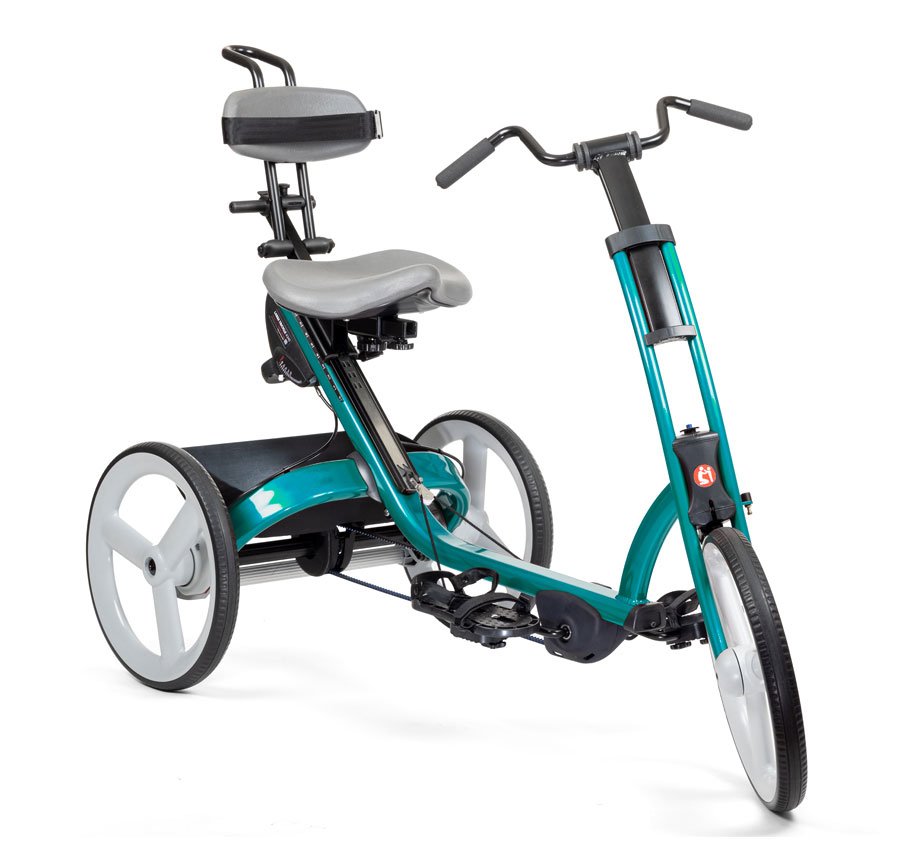
Are you thinking about trying an adaptive bike but worried about your safety? You’re not alone.
When it comes to riding, feeling secure is key to enjoying every moment on the road or trail. Adaptive bikes come with special safety features designed just for you. These features make sure you stay balanced, protected, and in control, no matter your ability.
Keep reading to discover how these smart safety elements work together to give you confidence and peace of mind every time you ride.
Frame Design
The frame is a key part of adaptive bikes. It supports the rider and parts of the bike. Safety depends a lot on how the frame is made.
Good frame design helps keep riders safe and comfortable. It makes the bike stable and easy to control.
Material Strength
Frames use strong materials to hold weight and resist damage. Strong materials make the bike last longer and stay safe.
Common materials are steel, aluminum, and carbon fiber. Each has good strength and different weights.
- Steel is very strong and tough.
- Aluminum is light and still strong.
- Carbon fiber is very light and stiff.
Low Center Of Gravity
A low center of gravity helps keep the bike steady. It lowers the risk of tipping over during turns or stops.
Designers place heavy parts close to the ground. This balance makes it easier to ride safely.
- Place the battery or motor low on electric bikes.
- Use frame shapes that keep weight near the ground.
- Make sure the rider sits low and balanced.
Adjustable Components
Adjustable parts let riders change the bike to fit their body. This improves comfort and control.
Adjustments include seat height, handlebar position, and pedal placement. Proper fit helps avoid injuries.
- Seats that move up and down.
- Handlebars that tilt or slide forward and backward.
- Pedals that adjust for leg length.
Braking Systems
Adaptive bikes have special brakes to keep riders safe. Braking systems help control speed and stop smoothly.
Different types of brakes fit different needs. They give riders better control and confidence.
Hand Brakes
Hand brakes use levers on the handlebars. Riders squeeze the levers to slow down or stop.
They offer precise control and quick response. Hand brakes work well for riders with good hand strength.
Coaster Brakes
Coaster brakes stop the bike when the rider pedals backward. This system is simple and easy to use.
Coaster brakes need less hand effort. They are good for riders with limited hand movement.
Electronic Brakes
Electronic brakes use sensors and motors to slow the bike. Riders press buttons instead of levers or pedals.
They provide smooth and consistent stopping power. Electronic brakes help riders with very limited strength.
Stability Enhancements
Adaptive bikes include safety features to improve balance and control. Stability is key for riders with different needs.
These bikes use special parts and designs to help riders stay steady and enjoy their ride safely.
Training Wheels
Training wheels help riders keep balance while learning to pedal. They stop the bike from tipping sideways.
- Attach to the rear wheel for extra support
- Adjust height to match rider skill level
- Easy to remove when the rider gains confidence
Wide Tires
Wide tires increase the bike’s contact with the ground. This improves grip and reduces slipping on rough surfaces.
| Benefit | Description |
| Better Balance | More surface area helps keep the bike steady |
| Shock Absorption | Wide tires absorb bumps for a smoother ride |
| Improved Traction | Less chance of sliding on wet or loose ground |
Three-wheel Configurations
Three-wheel designs, like tricycles, offer strong stability. They prevent tipping and make balancing easier for riders.
Common three-wheel setups include:
- Two wheels at the back and one in front
- Two wheels at the front and one at the back

Credit: kent.bike
Rider Support
Adaptive bikes have special features to keep riders safe and comfortable. These features help support the rider’s body. They prevent slipping or falling during rides.
Rider support is important for people with different needs. It helps them enjoy biking safely and with confidence.
Harnesses And Straps
Harnesses and straps keep the rider securely in place. They prevent the rider from sliding or falling off the bike. These supports adjust to fit different body shapes and sizes.
- Chest harnesses support upper body stability
- Waist straps secure the rider’s hips
- Shoulder straps keep the rider upright
- Adjustable buckles allow easy fitting
Custom Seating
Custom seating fits the rider’s unique body shape. It offers extra comfort and support. These seats reduce pressure points and improve posture.
| Seat Type | Benefit | Material |
|---|---|---|
| Contoured Foam | Supports natural body curves | Soft and durable |
| Adjustable Backrest | Improves spine alignment | Rigid frame with padding |
| Side Supports | Keeps rider stable | Firm cushioning |
Footrests And Pedal Straps
Footrests and pedal straps help keep feet safe and steady. They stop feet from slipping off pedals. This support improves control and balance on the bike.
- Adjustable footrests fit different leg lengths
- Pedal straps hold feet firmly in place
- Non-slip surfaces prevent foot movement
- Easy-release straps allow quick foot removal
Visibility Features
Adaptive bikes include special features to help riders stay visible. These features improve safety, especially in low light. Visibility is important for all riders on the road.
Visibility features help others see the bike and rider from a distance. This reduces the risk of accidents and keeps everyone safer.
Reflectors
Reflectors bounce light back to its source. They work well at night or in dim places. Most adaptive bikes have reflectors on wheels, pedals, and the frame.
- Wheel reflectors increase side visibility
- Pedal reflectors catch light from cars
- Front and rear reflectors show direction
Led Lights
LED lights add active lighting to adaptive bikes. They shine bright and use little power. Lights can be attached to the front, back, and even the wheels.
| Light Type | Placement | Purpose |
| White LED | Front | See and be seen |
| Red LED | Rear | Warn traffic behind |
| Spoke LEDs | Wheels | Improve side visibility |
Bright Colors
Bright colors make adaptive bikes easy to spot. They stand out in traffic and on trails. Popular colors include neon yellow, orange, and green.
Key benefits of bright colors:
- Help drivers see riders sooner
- Make riders stand out in crowds
- Reduce chances of accidents

Credit: www.rifton.com
Impact Protection
Adaptive bikes have special safety features to protect riders. Impact protection helps reduce injury during falls or bumps. These features make adaptive bikes safer and more comfortable.
There are several key parts designed to absorb impact. These include padded frames, bumpers, and crash bars. Each one plays a role in protecting the rider.
Padded Frames
Padded frames cover the bike’s metal parts with soft materials. This padding cushions any impact and lowers the chance of cuts or bruises. It helps protect both the rider and the bike.
The padding is usually made from foam or rubber. It wraps around areas where the rider might hit during a fall. This adds an extra layer of safety on the bike.
Bumpers
Bumpers are added to the front and back of adaptive bikes. They absorb shocks from hitting objects or obstacles. Bumpers reduce damage to the bike and protect the rider from hard impacts.
These parts are often made of rubber or plastic. They act like shock absorbers, softening any sudden hits. Bumpers help keep the bike stable and safe.
Crash Bars
Crash bars are metal bars attached to the sides of adaptive bikes. They protect the rider’s legs and the bike’s frame. Crash bars take the force of a fall or collision first, lowering injury risk.
These bars are strong but have some padding. They create a barrier between the rider and hard surfaces. Crash bars add important protection in case of crashes.
Control Accessibility
Adaptive bikes include safety features that help riders control the bike easily. These features focus on making controls reachable and simple to use. Good control accessibility improves safety and comfort.
Below are key areas that help with control accessibility: ergonomic handles, adaptive controls, and remote assistance options.
Ergonomic Handles
Ergonomic handles fit the shape of the rider’s hands. They reduce strain and help maintain a firm grip. These handles often have soft, textured materials to prevent slipping.
- Curved grips that follow natural hand positions
- Non-slip surfaces for better hold
- Adjustable size to fit different hand shapes
- Easy to reach brake levers and gear shifters
Adaptive Controls
Adaptive controls allow riders to manage the bike using customized setups. These controls can include switches, buttons, or levers placed for easy reach.
| Control Type | Description | Benefit |
| Hand-operated switches | Buttons for brakes or gears | Easy access without moving hands far |
| Foot pedals with sensors | Detect light pressure for control | Good for riders with limited hand use |
| Joystick controls | Directional and speed control | Simple for users with limited strength |
Remote Assistance Options
Remote assistance lets a caregiver or helper control the bike from a distance. It adds safety when the rider needs extra help.
Common remote assistance features include:
- Remote braking controls
- Speed limit settings
- Emergency stop buttons
- Communication systems between rider and assistant
Maintenance And Durability
Adaptive bikes need strong maintenance to keep users safe. Durability helps the bike last longer and work well.
Regular care stops parts from breaking and keeps the bike steady during rides.
Rust Resistance
Rust can damage the frame and parts of adaptive bikes. Bikes with rust-resistant coatings last longer. These coatings protect metal from water and air.
Using rust-resistant materials means less repair and safer rides.
Easy-to-replace Parts
Parts that wear out must be easy to replace. This helps keep the bike working well without long delays.
- Standardized parts fit many bike models
- Simple tools help quick repairs
- Clear guides show how to change parts
- Spare parts are affordable and available
Regular Safety Checks
Checking the bike often finds problems before they cause accidents. Safety checks include brakes, tires, and frame.
| Part | Check | Frequency |
| Brakes | Brake pads and cables | Monthly |
| Tires | Air pressure and tread | Weekly |
| Frame | Cracks and rust spots | Monthly |
| Chain | Lubrication and tension | Monthly |

Credit: www.citizensvoice.com
Frequently Asked Questions
What Are Common Safety Features On Adaptive Bikes?
Adaptive bikes often include features like stability-enhancing frames, secure harnesses, hand and foot brakes, and reflective materials for visibility. These ensure rider safety by providing support, control, and protection during use.
How Do Adaptive Bikes Improve Rider Stability?
Adaptive bikes use wider wheelbases, low centers of gravity, and additional supports like outriggers or training wheels. These features help maintain balance, reducing the risk of falls and increasing rider confidence.
Are Adaptive Bike Brakes Different From Regular Bikes?
Yes, adaptive bikes often have hand or foot-operated brakes designed for ease of use. They provide reliable stopping power tailored to the rider’s specific physical abilities.
What Safety Harnesses Are Used On Adaptive Bikes?
Safety harnesses on adaptive bikes include adjustable straps and padded belts. These secure the rider firmly, preventing falls or slips while ensuring comfort during rides.
Conclusion
Adaptive bikes enhance safety with thoughtful features. Riders enjoy stability and control. These bikes have sturdy frames. Designed to prevent tipping, they offer a safer ride. Adjustable seating helps comfort and balance. Hand controls ensure easier maneuvering. Reflective gear boosts visibility in low light.
Safety harnesses provide extra security. Brakes are easy to reach and effective. These features cater to various needs. Adaptive bikes prioritize safety for all riders. Riding becomes more accessible and enjoyable. Choosing the right bike enhances confidence and independence. Always prioritize safety when riding.
Enjoy the freedom adaptive bikes offer!



