
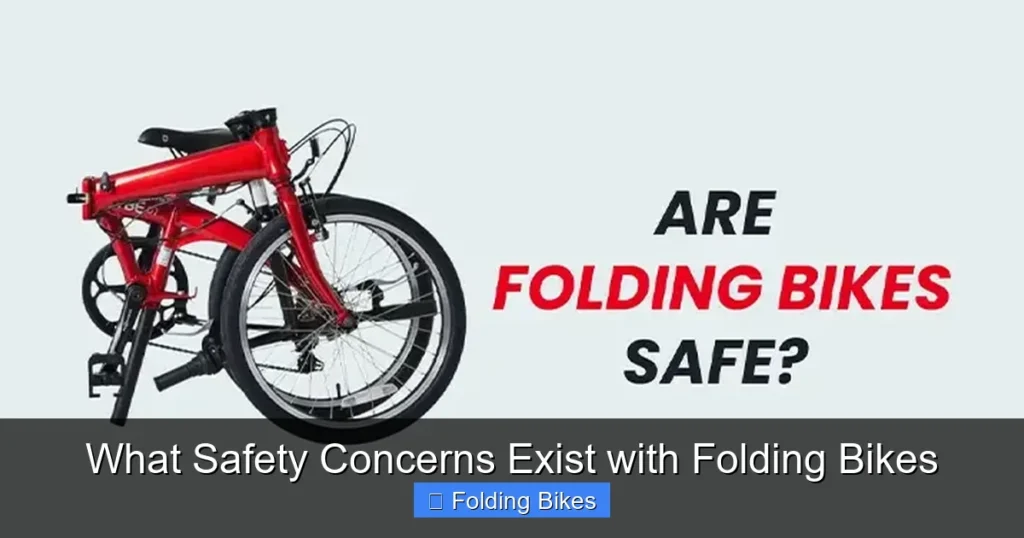
Folding bikes offer convenience and portability, but they come with unique safety concerns that riders must understand. This guide covers common risks like hinge failures, braking issues, and stability problems—plus how to avoid them.
Key Takeaways
- Hinge and frame integrity are critical: Weak or worn folding mechanisms can fail mid-ride, causing accidents. Always inspect hinges before each use.
- Braking performance may be compromised: Smaller wheels and compact designs can reduce braking efficiency. Regular brake checks are essential.
- Stability at high speeds is reduced: Shorter wheelbases make folding bikes less stable than full-sized bikes, especially on uneven terrain.
- Tire pressure and size matter: Underinflated or worn tires increase the risk of blowouts and loss of control.
- Proper locking prevents theft and tampering: Use a high-quality lock and secure both frame and wheels to avoid damage or unauthorized use.
- Visibility is often overlooked: Many folding bikes lack built-in reflectors or lights. Add reflective gear and lights for safer riding.
- Regular maintenance is non-negotiable: Due to frequent folding, components loosen faster. A routine check-up every few weeks is recommended.
Introduction: Why Folding Bike Safety Matters
Folding bikes are a fantastic solution for commuters, travelers, and urban dwellers who value portability and space-saving design. However, their unique construction—especially the folding mechanisms and compact frames—introduces specific safety concerns that don’t affect traditional bicycles as much. While these bikes are engineered for convenience, overlooking safety can lead to serious accidents, mechanical failures, or theft.
In this guide, you’ll learn about the most common safety risks associated with folding bikes, how to spot them early, and practical steps to keep yourself safe on every ride. Whether you’re a daily commuter or an occasional rider, understanding these concerns will help you enjoy your folding bike with confidence.
1. Inspect the Folding Mechanism Before Every Ride
The folding hinge is the heart of your bike’s design—and also its most vulnerable point. A failure here can cause the bike to collapse while riding, leading to falls or collisions.
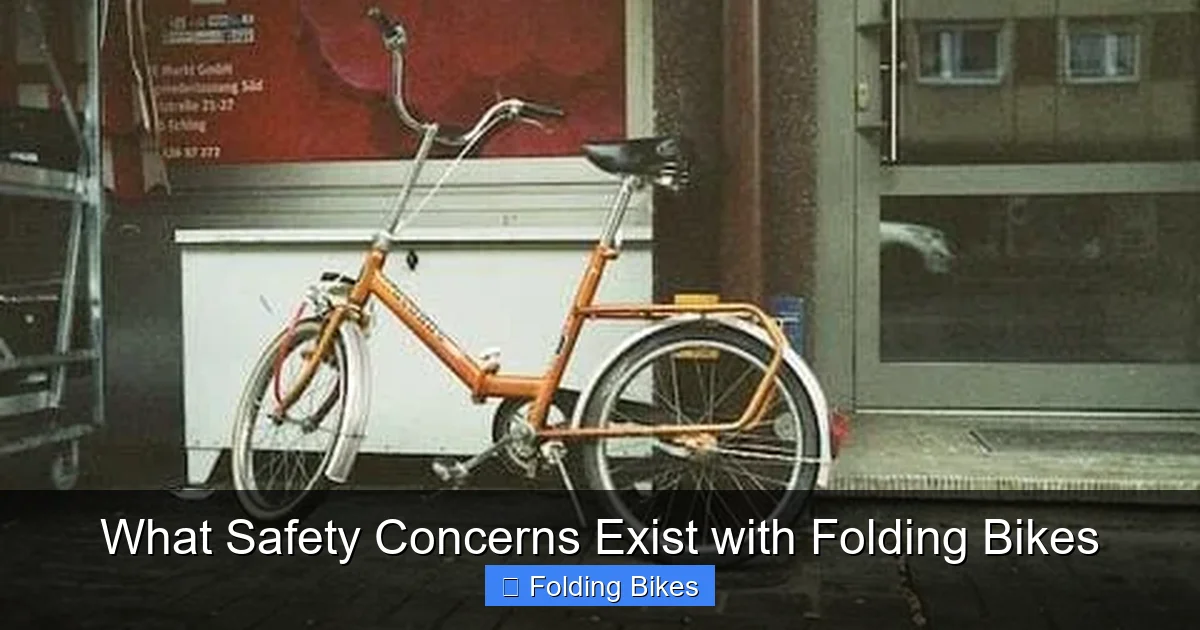
Visual guide about What Safety Concerns Exist with Folding Bikes
Image source: foldingbikeguy.com
Check for Loose Bolts and Worn Parts
Open and close the bike several times before mounting. Listen for creaking or grinding sounds. Use a wrench to ensure all locking levers and bolts are tight. Even a slightly loose hinge can worsen over time.
Look for Cracks or Deformation
Inspect the frame joints and hinge area for hairline cracks, rust, or bending. These signs indicate metal fatigue, especially if the bike has been dropped or overloaded. If you spot damage, stop using the bike and consult a professional.
Lubricate Moving Parts Regularly
Dirt and moisture can cause hinges to stiffen or corrode. Apply a light bike-specific lubricant to pivot points every few weeks. Avoid over-lubricating, as excess grease attracts grime.
2. Ensure Reliable Braking Performance
Folding bikes often use smaller wheels and compact brake systems, which can reduce stopping power—especially in wet or hilly conditions.
Test Brakes Before Riding
Spin the wheels and apply both front and rear brakes. They should stop the wheel quickly without slipping. If the levers feel spongy or require full compression to work, the brakes need adjustment.
Check Brake Pads and Cables
Worn brake pads reduce friction and increase stopping distance. Replace them when the grooves disappear. Also, inspect cables for fraying or rust. Consider upgrading to higher-quality brakes if you ride frequently or in traffic.
Adjust for Weather Conditions
Wet roads reduce brake efficiency. If you ride in rain, allow extra stopping distance and consider installing fenders to keep brakes dry. For tips on protecting your bike from the elements, see our guide on weatherproofing tips for mountain bikes, which includes useful advice applicable to folding models.
3. Maintain Proper Tire Pressure and Condition
Smaller tires on folding bikes are more sensitive to underinflation, which can lead to pinch flats, poor handling, and blowouts.
Use a Reliable Pump
Always carry a compact pump designed for folding bikes. A best folding bike pump ensures you can inflate tires on the go. Check pressure weekly—most folding bikes require 60–80 PSI, but refer to your tire sidewall for exact numbers.
Inspect Tires for Wear and Damage
Look for cracks, bulges, or worn tread. Replace tires at the first sign of damage. Underinflated tires also increase rolling resistance, making pedaling harder and reducing control.
Avoid Overloading the Bike
Excess weight strains tires and frame. Most folding bikes have a weight limit of 220–275 lbs. If you carry heavy bags, use a rear rack with secure straps. For safe cargo options, explore our guide on the best rear basket for bikes.
4. Improve Visibility and Use Safety Gear
Many folding bikes come with minimal reflectors and no lights, making them hard to see in low-light conditions.
Add Front and Rear Lights
Install a bright white front light and a red rear light. USB-rechargeable options are convenient and eco-friendly. Flashing modes increase visibility during the day.
Wear Reflective Clothing
Even with bike lights, wearing reflective gear helps drivers spot you sooner. Consider a reflective vest or jacket, especially during dawn, dusk, or night rides. For more on staying visible, read our article on how to ride with reflective clothing.
Use Reflective Accessories
Add reflective tape to your helmet, pedals, and bike frame. Some folding bikes have narrow profiles, so extra reflectivity helps other road users judge your size and speed.
5. Secure Your Bike to Prevent Theft and Tampering
Folding bikes are attractive to thieves due to their portability. A stolen bike not only costs money but can also be tampered with and resold unsafe.
Use a High-Quality Lock
Invest in a sturdy U-lock or folding lock. Avoid cable locks—they’re easy to cut. When parking, secure the frame and both wheels to a fixed object. For guidance, see our guide on how to use a folding lock.
Lock in Well-Lit, Busy Areas
Thieves prefer dark, isolated spots. Park near security cameras or in high-traffic zones. If possible, bring your bike indoors—especially in high-theft areas.
Register Your Bike
Register your folding bike with a national database like Bike Index. Take photos and note the serial number. This increases recovery chances if stolen.
6. Practice Safe Riding Techniques
Folding bikes handle differently than standard bikes due to their shorter wheelbase and smaller wheels.
Avoid Sudden Maneuvers
Sharp turns or quick lane changes can cause instability. Slow down before corners and signal early. Practice emergency stops in a safe area to understand your bike’s limits.
Be Cautious on Uneven Surfaces
Gravel, potholes, and curbs can destabilize a folding bike. Ride slowly over rough terrain and stand on pedals to absorb shocks. If you plan off-road adventures, consider a best folding mountain bike for bikepacking designed for tougher conditions.
Adjust the Seat and Handlebars Properly
An incorrect riding position can cause fatigue and reduce control. Ensure the seat height allows a slight bend in your knee at the bottom of the pedal stroke. Handlebars should be at a comfortable reach.
Troubleshooting Common Safety Issues
Even with regular care, problems can arise. Here’s how to handle them:
Bike Feels Wobbly or Unstable
This could be due to loose hinges, underinflated tires, or misaligned wheels. Check all connections and inflate tires. If the issue persists, have a mechanic inspect the frame alignment.
Brakes Squeak or Don’t Engage Fully
Clean brake pads and rims with isopropyl alcohol. If pads are glazed, sand them lightly. Adjust cable tension or replace worn components.
Folding Mechanism Sticks or Won’t Lock
Lubricate the hinge and clean out debris. Ensure the locking lever clicks securely into place. Never force the mechanism—this can cause permanent damage.
Chain Slips or Makes Noise
A dry or loose chain can slip under load. Lubricate the chain and check tension. If the chain is stretched or gears are worn, replace them promptly.
Conclusion: Ride Smart, Ride Safe
Folding bikes are innovative, space-saving, and perfect for modern lifestyles—but their unique design demands extra attention to safety. By regularly inspecting hinges, maintaining brakes and tires, improving visibility, and using proper locks, you can prevent most common risks. Remember, a few minutes of maintenance each week can save you from a serious accident.
Stay proactive, ride defensively, and enjoy the freedom your folding bike offers. With the right habits, you’ll get years of safe, reliable use from your compact companion.



