
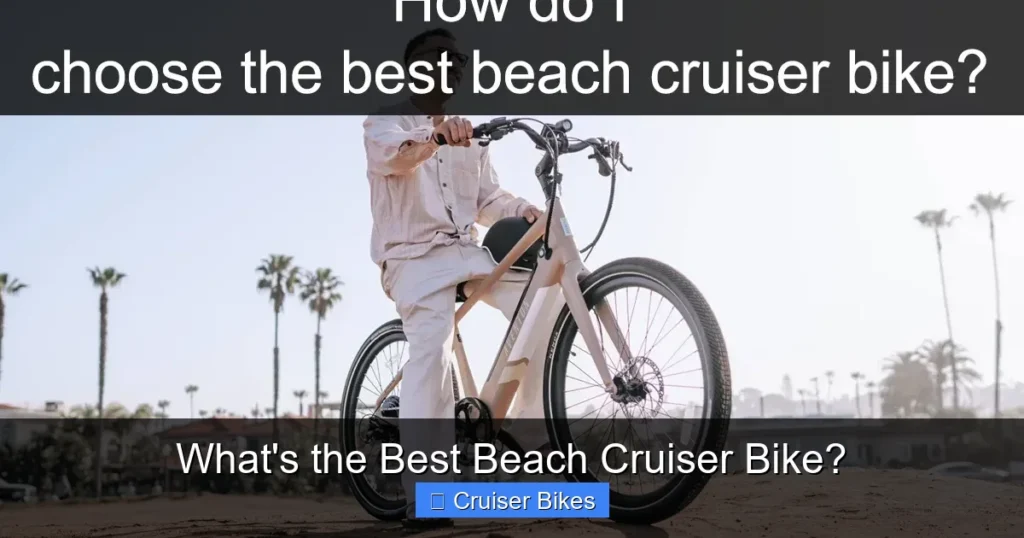
Looking for a smooth, stylish ride along the shore? The best beach cruiser bike blends comfort, durability, and classic charm for unforgettable seaside adventures. Whether you’re strolling on sandy paths or cruising boardwalks, a quality cruiser delivers relaxed pedaling, easy handling, and head-turning design. We’ve tested top models to bring you honest recommendations so you can choose with confidence—no flat tires, no sore backs, just pure joy on two wheels.
What’s the Best Beach Cruiser Bike?
There’s something magical about riding a beach cruiser along a sun-drenched shoreline. Picture this: warm sand beneath your feet, ocean breeze in your hair, and a smooth, easy-going bike that glides with every pedal stroke. Whether you’re starting your morning at dawn or winding down after sunset, a beach cruiser isn’t just transportation—it’s pure relaxation on two wheels.
But not all cruisers are created equal. With so many models flooding the market, it’s easy to get overwhelmed by flashy colors, fancy accessories, or misleading claims. So how do you pick the right one? And more importantly, what truly makes a beach cruiser stand out from the rest?
In this guide, we’ll break down everything you need to know—from frame materials and tire types to gear systems and comfort features. By the end, you’ll be ready to hop on your dream bike and hit the coast with confidence.
Key Takeaways
- Comfort is king: Wide saddles, upright seating, and cushioned grips make long rides feel effortless.
- Sturdy frames matter: Steel frames offer durability and a smooth ride; aluminum keeps things light but less forgiving.
- Tires define the experience: Fat tires provide stability on sand, while narrower ones glide better on pavement.
- Gearing options vary: Single-speed models are low-maintenance; multi-speed cruisers add versatility for hills.
- Style counts: From banana seats to retro handlebars, the best beach cruiser bikes look as good as they feel.
- Budget vs. features: You can find great options under $300, but investing more ensures lasting quality.
- Maintenance is simple: Regular cleaning and basic upkeep keep your cruiser rolling for years.
📑 Table of Contents
Why Choose a Beach Cruiser Bike?
Beach cruisers were born for leisurely rides. Unlike high-performance road bikes or rugged mountain bikes, cruisers prioritize comfort over speed. They feature wide, balloon-style tires that absorb bumps, swept-back handlebars that encourage an upright posture, and heavy-duty steel frames that soak up vibrations. These design choices aren’t random—they’re intentional, crafted to make cycling feel like floating.
One of the biggest perks? No complicated shifting or technical adjustments. Most cruiser bikes come with single-speed or internally geared setups that require little maintenance. That means fewer headaches and more time enjoying the ride. Plus, their timeless aesthetic turns heads wherever you go—whether it’s a seaside promenade or a neighborhood park.
And let’s be real: sometimes, the best part of biking isn’t the destination. It’s the act of simply riding. A good beach cruiser makes those quiet moments extra special.
Top Features to Look For in a Beach Cruiser
Visual guide about What’s the Best Beach Cruiser Bike?
Image source: m.media-amazon.com
Not every cruiser offers the same level of quality or performance. To help you narrow your search, here are the must-have features to prioritize:
1. Frame Material and Build Quality
The frame sets the foundation for your entire riding experience. Steel is the traditional choice for beach cruisers because it’s strong, durable, and naturally dampens road vibrations. This results in a smoother, more comfortable ride—perfect for bumpy boardwalks or uneven paths. However, steel adds weight, which might matter if portability is a concern.
Aluminum frames are lighter and often more affordable, but they transmit more road shock. While still suitable for casual riders, aluminum may not deliver the same plush feel as steel.
Titanium offers the best of both worlds—lightweight yet incredibly resilient—but comes with a hefty price tag. For most people, a well-built steel frame strikes the ideal balance between comfort, longevity, and value.
2. Tire Size and Type
Tires play a huge role in traction, stability, and overall ride quality. Beach cruiser tires typically range from 26×2.125 inches to 26×3.0 inches. Wider tires (closer to 3 inches) provide excellent floatation on soft sand, making them ideal if you plan to ride off-road or explore dunes. Narrower tires roll faster on paved surfaces and require less effort to pedal.
Look for puncture-resistant treads and reinforced sidewalls. Some models even include reflective strips for safer nighttime visibility. Keep in mind: larger tires also mean more weight, so consider your terrain before deciding.
3. Gearing System
Most traditional beach cruisers use single-speed drivetrains. This simplicity reduces maintenance needs and keeps costs down. If you’re riding mostly flat, level paths—like a beachfront promenade—a single-speed works beautifully.
However, if your route includes gentle inclines or longer distances, a 3- or 7-speed internal hub gear system gives you more flexibility. Internal gears are enclosed, protecting components from dirt and moisture, and they shift smoothly without chain slippage.
4. Comfort Accessories
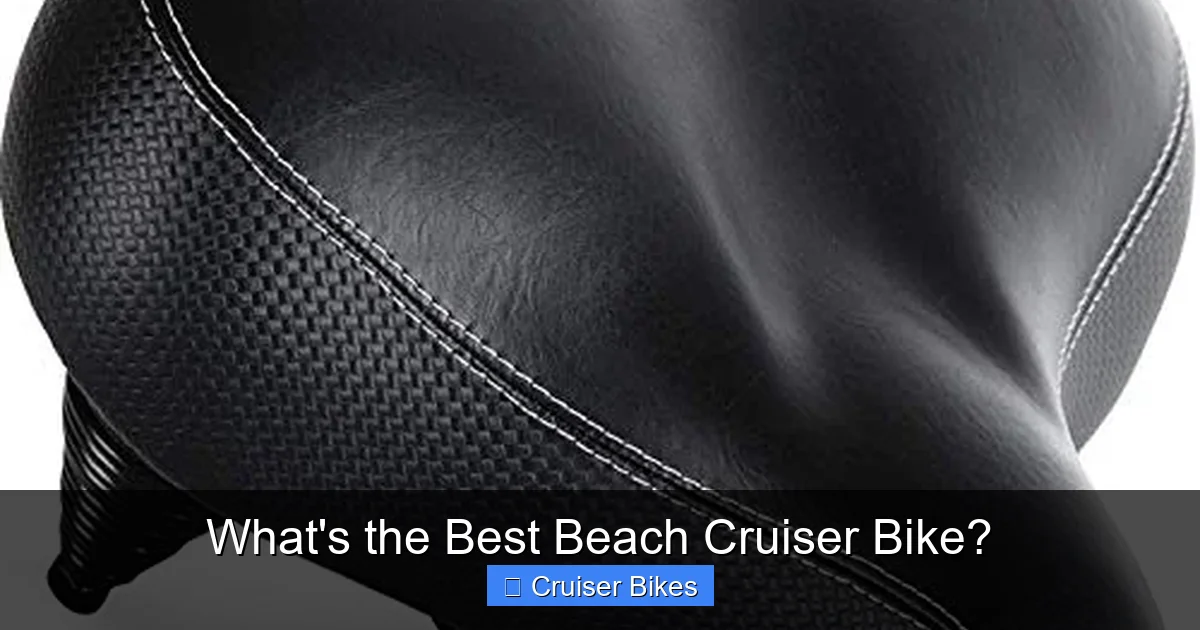
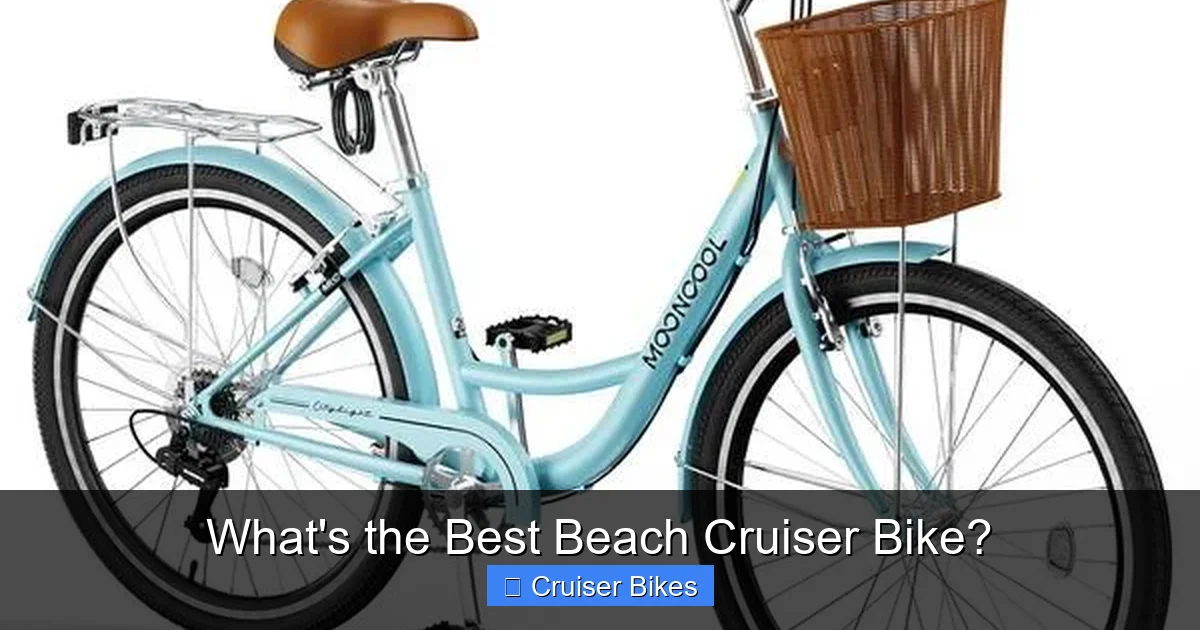
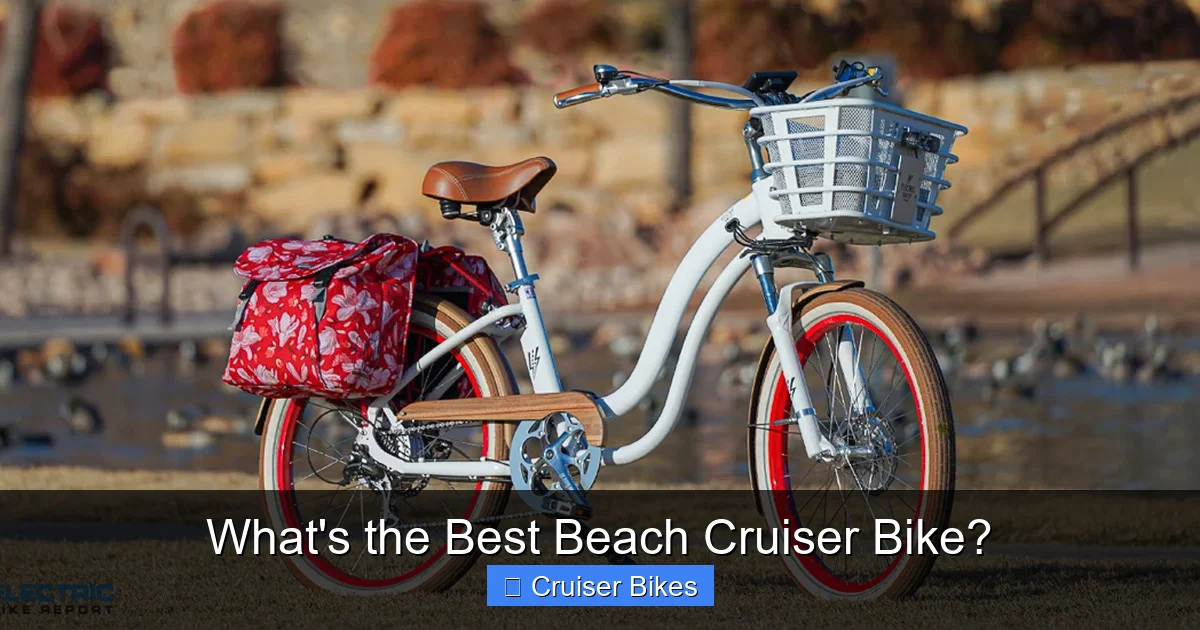
True cruiser bliss comes from thoughtful details. A wide, padded saddle with springs absorbs bumps and supports your hips. Swept-back handlebars allow you to relax your shoulders and maintain an upright position—great for avoiding back strain. Cruiser bikes often include fenders to shield you from splashes, kickstands for easy parking, and even baskets or rear racks for carrying essentials like sunscreen or snacks.
Some models go further with dual suspension seats, ergonomic grips, or LED lighting for added convenience.
5. Weight and Portability
While cruisers aren’t built for racing, their weight still affects maneuverability. Heavier bikes offer stability and durability but can be tough to lift onto racks or carry up stairs. Lighter models are easier to transport but may feel twitchy in crosswinds or on loose sand.
If you’ll be loading your bike into a car trunk regularly, look for cruisers with integrated stands or lightweight designs without sacrificing structural integrity.
Best Beach Cruiser Bikes Under $300
Visual guide about What’s the Best Beach Cruiser Bike?
Image source: images.thdstatic.com
You don’t need to spend a fortune to enjoy a quality beach cruiser. Several brands deliver solid performance and style at budget-friendly prices:
The **Schwinn Sanctuary** is a fan favorite for its retro look and reliable steel frame. With a single-speed drivetrain, swept-back handlebars, and a plush saddle, it’s built for comfort. Though it lacks gears, it shines on flat terrain and handles well on pavement.
Another great option is the **Electra Townie Go!**, which combines classic cruiser styling with electric assist. This e-bike lets you cruise effortlessly even against mild winds or slight inclines—ideal for longer rides or riders who want a little extra push.
For those prioritizing affordability without sacrificing safety, the **Sixthreezero Around The Block** offers a 7-speed internal hub, front suspension fork, and step-through frame. Its versatility makes it suitable for both beachside jaunts and city commuting.
These models prove that smart engineering and attention to detail can deliver exceptional value—even on a tight budget.
Mid-Range Picks: Where Comfort Meets Performance
Visual guide about What’s the Best Beach Cruiser Bike?
Image source: electricbikereport.com
If you’re willing to invest a bit more, mid-range beach cruisers unlock premium features without breaking the bank. These bikes often boast upgraded components, refined aesthetics, and enhanced usability.
The **Surly Big Dummy** stands out for its utility-focused design. While primarily a cargo bike, its robust steel frame and relaxed geometry make it surprisingly adept at casual cruising. Add panniers and you’ve got a mobile cooler or picnic kit ready for the beach.
For purists who love the vintage vibe, the **Retrospec Copenhagen** nails the retro-modern blend. Its 3-speed Shimano Nexus hub ensures smooth shifts, while the banana seat and floral fenders add playful flair. The step-through frame makes mounting and dismounting a breeze—especially helpful for older riders or those wearing dresses.
Another standout is the **Hawley Rider Beach Cruiser**. Known for handcrafted American craftsmanship, these bikes use chromoly steel frames and custom components. Every detail is meticulously chosen for performance and elegance, making it a collector’s item as much as a functional ride.
Electric Beach Cruisers: Effortless Coastal Adventures
Modern technology has breathed new life into the cruiser genre. Electric beach cruisers combine the laid-back feel of traditional models with motorized assistance, letting you cover more ground with less effort.
The **Rad Power RadCity 5 Plus** is a top-tier electric cruiser designed for comfort and capability. With a powerful rear hub motor, extended battery life, and upright seating, it’s perfect for exploring beyond the shoreline. Its fat tires grip sand well, and the step-thru frame accommodates riders of all sizes.
For a more affordable e-cruiser, check out the **ECOTRIC Electric Fat Tire Bike**. It offers throttle-on-demand or pedal-assist modes, a 25-mile range, and a stylish retro frame. While not quite as refined as higher-end models, it delivers impressive bang for your buck.
Keep in mind: e-cruisers require charging, have legal speed limits (usually 20 mph), and may need registration depending on local laws. But for riders seeking extended adventures or reduced physical strain, they’re a game-changer.
How to Maintain Your Beach Cruiser
Proper maintenance extends your bike’s lifespan and keeps it performing at its best. Here’s a quick checklist:
– **Clean regularly:** Rinse off saltwater and sand after each ride. Use mild soap and water; avoid high-pressure washers that can force debris into bearings.
– **Lubricate the chain:** Apply bike-specific lubricant every few weeks, especially after riding in wet conditions. Wipe away excess to prevent grime buildup.
– **Check tire pressure:** Even wide cruiser tires benefit from proper inflation. Refer to sidewall markings for recommended PSI—typically between 25–40 psi.
– **Inspect brakes:** Ensure brake pads align evenly and don’t drag. Replace worn pads promptly.
– **Store indoors when possible:** Prolong exposure to rain, humidity, or direct sunlight degrades rubber and metal parts.
For deeper servicing, consider visiting a local bike shop annually. Simple tasks like adjusting handlebar height or tightening bolts can make a big difference in comfort and safety.
Final Thoughts: Ride With Confidence
Finding the best beach cruiser bike boils down to matching your lifestyle, terrain, and personal preferences. Do you crave retro charm and simplicity? Or do you want modern conveniences like gears or electric assist? Will you stick to paved paths or venture onto the sand?
Whatever your answer, there’s a cruiser out there waiting to become your new favorite sidekick. Prioritize comfort, test ride when possible, and don’t overlook the importance of quality construction. After all, the goal isn’t just to get from point A to B—it’s to savor every moment along the way.
Ready to upgrade your ride? Check out our guide on choosing the best bike lock to protect your investment, or explore our picks for the best cruiser bikes for women beach rides if you’re shopping for someone special.
Frequently Asked Questions
What makes a beach cruiser different from other bikes?
A beach cruiser is designed specifically for relaxed, scenic rides. It features wide, balloon tires for stability, an upright riding position, and a single-speed or internally geared drivetrain that minimizes maintenance. Unlike road or mountain bikes, cruisers prioritize comfort and style over speed or technical performance.
Can I ride a beach cruiser on paved roads?
Absolutely! Most beach cruisers perform excellently on smooth pavement. Their wide tires provide a cushioned ride, and the upright stance reduces fatigue during longer stretches. Just avoid rough or uneven surfaces where the lack of suspension could become uncomfortable.
Are electric beach cruisers worth it?
If you want to extend your range or reduce physical effort—especially on hilly routes or hot days—an electric cruiser is a fantastic choice. Models like the Rad City or ECOTRIC offer reliable motors and long battery life while retaining the classic cruiser feel. Consider local e-bike regulations before purchasing.
How much should I spend on a beach cruiser?
Entry-level cruisers start around $200–$300 and offer solid basics for casual riders. Mid-range models ($400–$800) include upgrades like multiple speeds, better components, and enhanced comfort. High-end or handcrafted cruisers can exceed $1,000 but deliver superior build quality and longevity.
Do I need special tools to maintain my beach cruiser?
Not really. Basic maintenance requires only a few common tools: a wrench for adjusting bolts, lubricant for the chain, and a pump for tires. For complex repairs, visit a local bike shop. Keeping a compact tool kit handy ensures you’re prepared for minor fixes on the go.
Can kids ride adult-sized beach cruisers?
It depends on the child’s height and confidence level. Many adults prefer smaller frames for better control, but some cruisers come in youth sizes or adjustable designs. Always ensure the rider can reach the ground comfortably and operate brakes safely before letting them ride unsupervised.



