
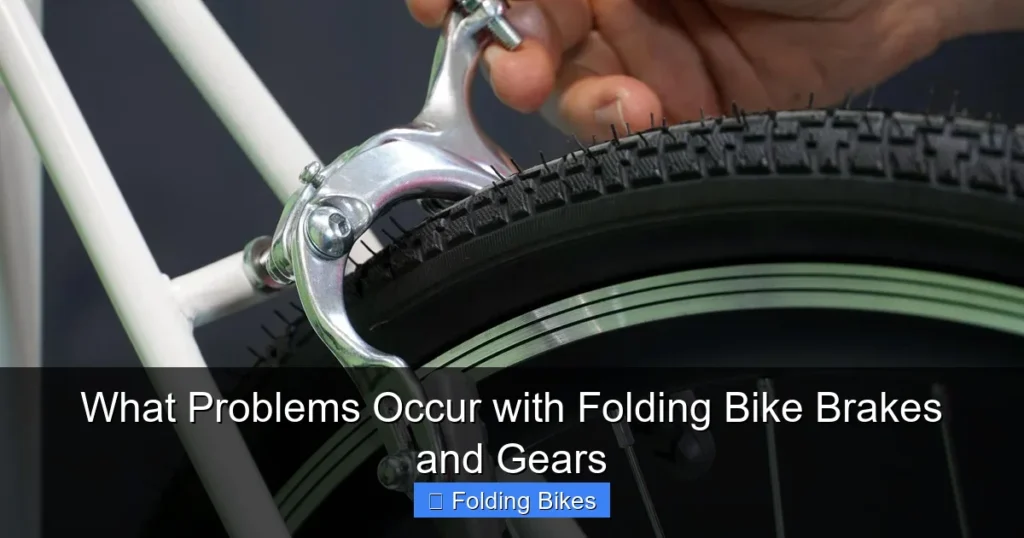
Folding bikes are convenient and portable, but their compact design can lead to unique brake and gear issues. This guide covers the most common problems—like spongy brakes, poor shifting, and cable wear—and shows you how to diagnose and fix them easily at home.
Key Takeaways
- Brake cables often fray or stretch due to frequent folding and unfolding. Regular inspection prevents sudden brake failure.
- Hydraulic brakes may develop air bubbles from repeated folding. Bleeding the system restores firm, responsive braking.
- Gear shifting problems are usually caused by misaligned derailleurs or worn cables. Simple adjustments can fix most issues.
- Small wheels on folding bikes wear brake pads faster. Check pad thickness every few months.
- Folding mechanisms can loosen over time, affecting brake and gear performance. Always check hinge bolts before riding.
- Lubrication and cleaning are essential for smooth operation. Use bike-specific lubricants and avoid WD-40 on cables.
- Carrying a portable repair kit helps fix minor issues on the go. Include tools like a multi-tool, spare cables, and tire levers.
Introduction: Why Folding Bike Brakes and Gears Fail
Folding bikes are perfect for commuters, travelers, and city riders who value portability. But their unique design—especially the hinges and compact frames—can make brakes and gears more prone to problems. The constant folding and unfolding puts extra stress on cables, pivots, and connectors. Over time, this leads to issues like weak braking, poor shifting, or complete failure.
In this guide, you’ll learn the most common problems with folding bike brakes and gears, how to spot them early, and step-by-step fixes you can do at home. Whether you ride a Brompton, Dahon, or Tern, these tips will help keep your bike safe and reliable.
Common Brake Problems on Folding Bikes
Brake issues are the top concern for folding bike riders. Because these bikes are folded and unfolded often, their brake systems endure more movement and stress than regular bikes. Here are the most frequent problems and how to fix them.
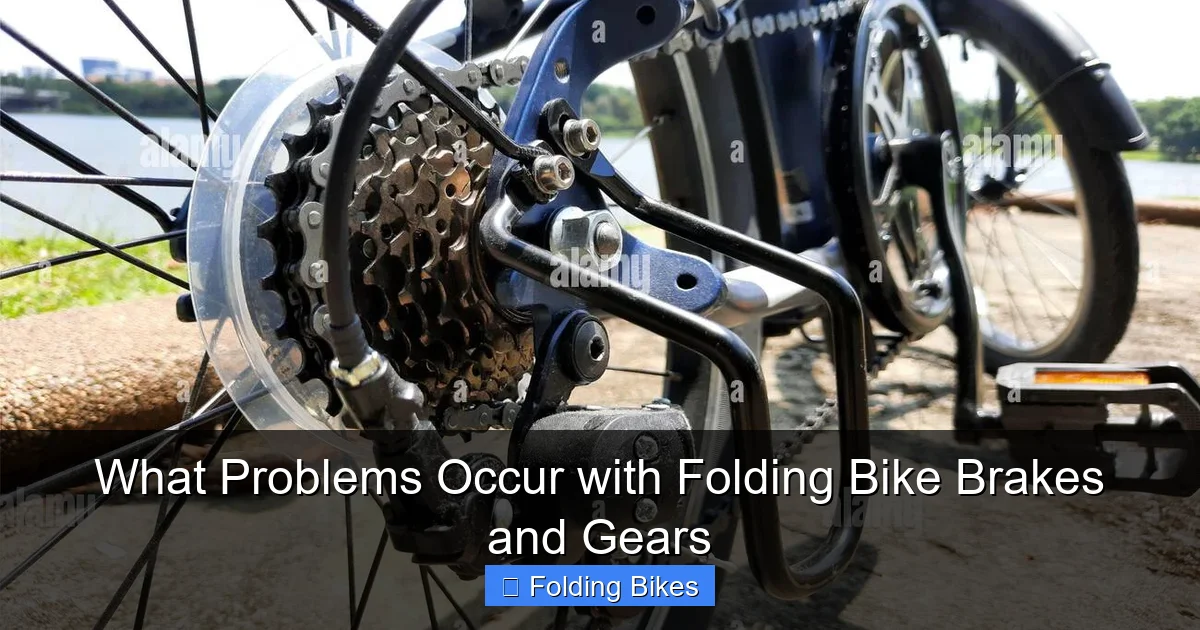
Visual guide about What Problems Occur with Folding Bike Brakes and Gears
Image source: c8.alamy.com
1. Spongy or Soft Brake Levers
If your brake levers feel mushy or sink to the handlebar when squeezed, air may have entered the system—especially in hydraulic brakes. This is common after folding, which can shift fluid and trap air bubbles.
How to fix it: For hydraulic brakes, you’ll need to bleed the system. Use a brake bleed kit compatible with your brake brand (like Shimano or Magura). Follow the manufacturer’s instructions carefully. For mechanical (cable) brakes, check for cable stretch or wear. Tighten the cable using the barrel adjuster on the brake lever or caliper.
2. Brake Pads Worn Too Thin
Folding bikes often have smaller wheels, which means brake pads wear down faster. Thin pads reduce stopping power and can damage the rim.
How to check: Look at the grooves on the brake pads. If they’re gone or the pad is less than 1mm thick, it’s time to replace them. Most folding bikes use standard V-brake or caliper pads, which are easy to find.
3. Misaligned Brake Calipers
After folding, brake calipers can shift slightly, causing one pad to rub against the rim. This creates noise, reduces efficiency, and wears pads unevenly.
How to realign: Loosen the mounting bolt on the brake caliper, squeeze the brake lever to center it, then tighten the bolt while holding the lever. Spin the wheel to check for rubbing. Adjust as needed.
4. Frayed or Rusted Brake Cables
Cables on folding bikes bend sharply at the hinges. Over time, this causes fraying or rust, especially if the bike is stored in damp places.
How to replace: Remove the old cable by loosening the anchor bolt on the brake caliper. Thread the new cable through the housing and lever, then reattach and tension it. Use a cable cutter for a clean end, and add a cable end cap to prevent fraying.
Common Gear Problems on Folding Bikes
Gear shifting issues are another frequent complaint. Folding bikes often use compact drivetrains with short derailleur cages, making them sensitive to misalignment and wear.
1. Skipping Gears or Poor Shifting
If your chain skips under load or won’t shift smoothly, the derailleur may be misaligned or the cable tension off.
How to fix: Start by checking the derailleur hanger alignment. Use a derailleur alignment tool or eyeball it—it should be parallel to the cassette. Then adjust the cable tension using the barrel adjuster on the shifter or derailleur. Turn it clockwise to increase tension, counterclockwise to reduce it.
2. Chain Rub or Noise in Certain Gears
This happens when the chain is not perfectly aligned with the cassette. On folding bikes, the short chainstay can exaggerate this issue.
How to fix: Use the barrel adjuster to fine-tune indexing. If the noise persists, check if the chain is worn. A chain checker tool can measure stretch. Replace the chain if it’s over 0.75% stretched to avoid damaging the cassette.
3. Derailleur Hitting the Wheel or Frame
Folding bikes have tight clearances. If the derailleur is bent or the hanger is misaligned, it can hit the wheel when folded or during riding.
How to fix: Inspect the derailleur for bends. Gently straighten it with a derailleur tool or pliers if minor. If it’s severely damaged, replace it. Always check clearance after folding to ensure nothing is pinched.
4. Worn or Stiff Gear Cables
Like brake cables, gear cables suffer from repeated folding. Stiff or frayed cables cause sluggish shifting.
How to replace: Shift to the smallest cog, then disconnect the cable at the derailleur. Remove the old cable and housing, then install a new one. Reconnect and adjust tension using the barrel adjuster.
Troubleshooting Tips for Folding Bike Brakes and Gears
Regular maintenance is key to avoiding problems. Here’s a simple checklist to keep your folding bike in top shape.
1. Inspect Before Every Ride
- Check brake lever feel—should be firm, not spongy.
- Spin wheels to ensure no rubbing.
- Test shifting through all gears.
- Look for loose bolts, especially at folding joints.
2. Clean and Lubricate Regularly
Use a degreaser to clean the chain, cassette, and derailleur. Wipe off excess grime, then apply a light bike-specific lubricant. Avoid over-lubing—it attracts dirt. For cables, a drop of light oil can keep them moving smoothly.
For more on maintaining bike components, check out our guide on how to store bike lubricant to keep your supplies effective longer.
3. Carry a Portable Repair Kit
Always have a small kit with you. Include a multi-tool, spare brake and gear cables, tire levers, a mini pump, and a patch kit. A best bike tool set with case makes it easy to stay prepared.
4. Store Your Bike Properly
Avoid leaving your folding bike in damp or hot places. Moisture causes rust, and heat can degrade lubricants. If you store it folded, make sure cables aren’t pinched.
5. Know When to Seek Professional Help
Some issues—like internal hub problems or hydraulic brake bleeding—are best left to experts. If you’ve tried basic fixes and the problem persists, visit a local bike shop.
Preventing Problems: Best Practices for Folding Bike Owners
Prevention is always better than repair. Follow these habits to extend the life of your brakes and gears.
Fold and Unfold Carefully
Always follow the manufacturer’s folding sequence. Rushing can bend parts or pinch cables. After unfolding, double-check that all latches are secure.
Lubricate Hinges and Pivots
Apply a small amount of grease to folding joints and brake pivots every few months. This reduces wear and keeps mechanisms smooth.
Use Quality Replacement Parts
Don’t skimp on brake pads or cables. Cheap parts wear faster and can compromise safety. Stick to reputable brands like Shimano, SRAM, or Kool Stop.
Adjust Brake Pads for Even Wear
Make sure both pads contact the rim at the same time. If one hits first, adjust the spring tension using the small screw on the brake arm.
Check Tire Pressure Regularly
Underinflated tires increase braking distance and strain the drivetrain. Use a best folding bike pump with a pressure gauge to maintain optimal PSI.
Conclusion: Keep Your Folding Bike Running Smoothly
Folding bikes are incredibly convenient, but their unique design demands extra care. Brake and gear problems are common, but most are easy to fix with basic tools and knowledge. By inspecting your bike regularly, replacing worn parts, and following proper folding techniques, you can enjoy safe, reliable rides for years.
Remember: a well-maintained folding bike is not just safer—it’s more fun to ride. Whether you’re commuting, touring, or just exploring the city, take a few minutes each week to check your brakes and gears. Your future self will thank you.



