
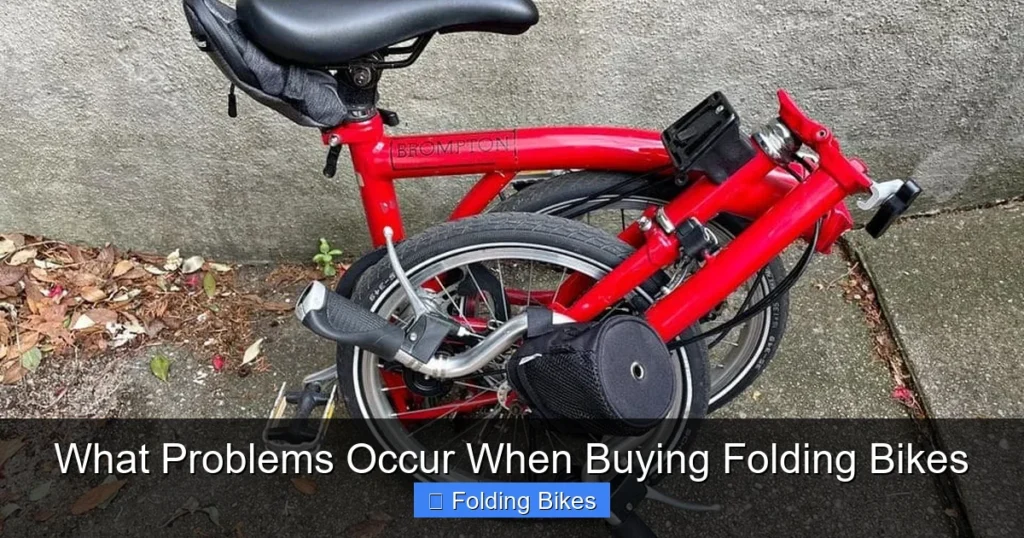
Buying a folding bike can be tricky if you’re not prepared. This guide reveals the most common issues shoppers face—from poor build quality to uncomfortable rides—and shows you how to avoid them. Make an informed decision and enjoy a bike that fits your lifestyle.
Key Takeaways
- Size and fit matter: Many folding bikes have smaller wheels and frames, which can lead to discomfort if not properly adjusted for your height and riding style.
- Build quality varies widely: Cheaper models often use weak hinges, flimsy frames, or low-grade components that wear out quickly or fail under stress.
- Folding mechanisms can be unreliable: Poorly designed latches or joints may loosen over time, creating safety hazards during rides.
- Limited gear options on budget models: Entry-level folding bikes often come with fewer gears, making hills and long rides more difficult.
- Weight can be misleading: Some “lightweight” folding bikes are heavier than expected due to added mechanisms, reducing portability.
- Accessories are often an afterthought: Many folding bikes lack mounts for racks, fenders, or water bottles, limiting practicality for commuting or touring.
- Test rides are essential: Always try before you buy—comfort, handling, and folding ease can’t be judged from specs alone.
Introduction: Why Folding Bikes Are Great—But Not Without Pitfalls
Folding bikes are perfect for city commuters, travelers, and anyone with limited storage space. They’re compact, convenient, and increasingly popular. But while they offer amazing benefits, buying one isn’t always straightforward. Many riders run into problems that could have been avoided with the right knowledge.
In this guide, we’ll walk you through the most common issues people face when buying folding bikes. You’ll learn what to look for, what to avoid, and how to make a smart purchase that suits your needs. Whether you’re a daily commuter or a weekend explorer, this guide will help you skip the headaches and ride with confidence.
1. Poor Fit and Uncomfortable Riding Position
One of the biggest mistakes buyers make is assuming all folding bikes fit everyone. Because of their compact design, many folding bikes have smaller wheels—typically 16” or 20”—and shorter top tubes. This can lead to a cramped or awkward riding position, especially for taller riders.
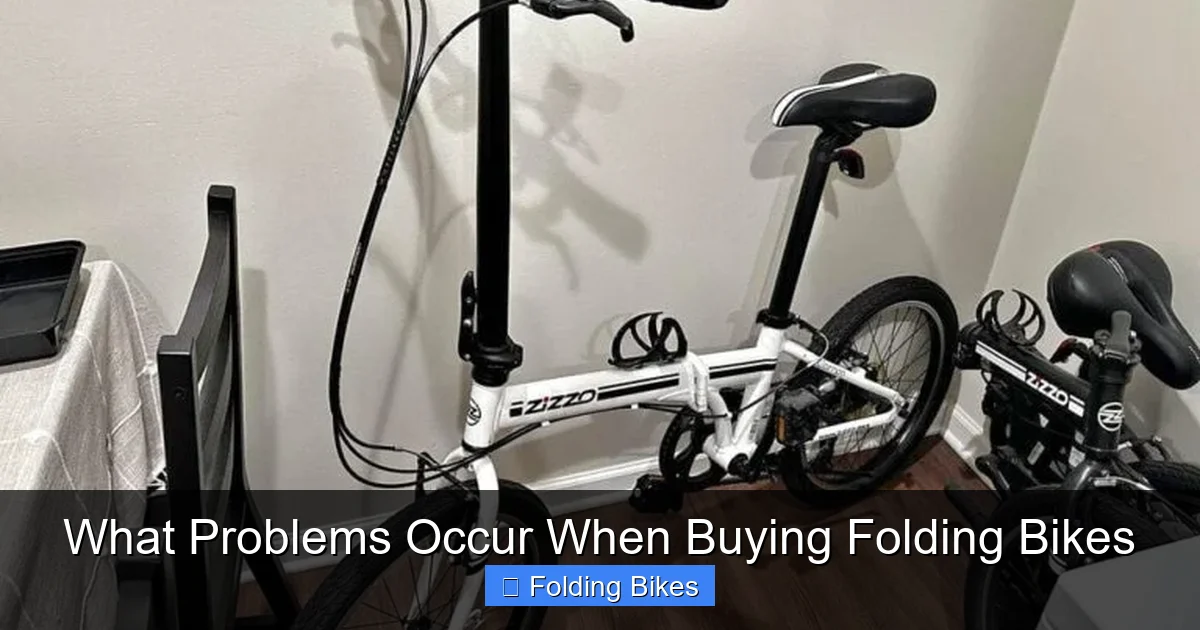
Visual guide about What Problems Occur When Buying Folding Bikes
Image source: foldingbikeguy.com
How to Avoid Fit Issues
- Check your height against the manufacturer’s size chart: Most brands provide recommended height ranges. If you’re over 6 feet, look for models with adjustable seat posts and handlebars.
- Test ride before buying: Visit a local bike shop or attend a demo event. Pay attention to knee clearance, back strain, and arm reach.
- Look for extended seat posts: Some folding bikes offer aftermarket or built-in extended posts for taller riders. For example, the best seatpost for road bikes can offer inspiration for adjustability features to look for.
Pro tip: If you’re between 5’10” and 6’2″, consider models like the Brompton M6L or Tern Link D8, which offer better ergonomics for taller users.
2. Low-Quality Folding Mechanisms
The folding mechanism is the heart of a folding bike. Unfortunately, it’s also where many manufacturers cut corners. Weak latches, loose hinges, or poorly aligned joints can make the bike unsafe or frustrating to use.
Red Flags to Watch For
- Wobbly or stiff folding action: The bike should fold smoothly and lock securely without excessive force.
- Plastic components in the hinge: High-quality folding bikes use steel or aluminum hinges. Plastic parts are prone to cracking.
- No secondary safety latch: A good folding bike has a primary latch and a backup lock to prevent accidental unfolding.
Example: The Dahon Mariner D8 uses a patented ViseGrip hinge system that’s both strong and easy to operate. In contrast, budget brands often use simple clamp-style latches that wear out quickly.
How to Test the Folding System
- Fold and unfold the bike 3–5 times in the store.
- Check for play or movement in the frame when locked.
- Ask if the mechanism is serviceable—some brands allow hinge adjustments or part replacements.
If the salesperson can’t answer these questions, consider it a warning sign.
3. Heavy Weight Despite “Lightweight” Claims
Many folding bikes advertise themselves as “ultra-light” or “easy to carry.” But the reality? Some weigh over 30 pounds—especially models with suspension, electric assist, or full-size components.
Why Weight Matters
Heavier bikes are harder to carry up stairs, onto trains, or into apartments. If you plan to use public transit or store your bike indoors, every pound counts.
How to Choose a Lightweight Model
- Look for aluminum or carbon frames: Steel is durable but heavy. Aluminum offers a good balance of strength and weight.
- Avoid unnecessary features: Suspension forks and rear racks add weight. Only get them if you truly need them.
- Check the spec sheet: Don’t rely on marketing claims. Compare actual weights across models.
For example, the Brompton weighs around 24–28 lbs depending on the model, while some electric folding bikes exceed 40 lbs. If portability is key, stick to non-electric models under 28 lbs.
4. Limited Gear Range and Poor Hill Performance
Budget folding bikes often come with only 3–7 speeds, which can make climbing hills or riding long distances exhausting. This is especially true for riders in hilly cities or those carrying cargo.
What to Look For in Gearing
- Wide gear range: Aim for a low gear (around 20–25 gear inches) for climbing and a high gear for speed.
- Internal hub vs. derailleur: Internal hubs (like Shimano Nexus) are low-maintenance but limited in range. Derailleurs offer more gears but require more care.
- Consider upgrading later: Some folding bikes allow gear upgrades. Check compatibility before buying.
If you live in a hilly area, consider models with 8+ speeds or electric assist. For inspiration on gear performance, check out our guide on the best high gear mountain bikes, which highlights how gear range affects ride quality.
5. Lack of Mounting Points for Accessories
Many folding bikes are designed purely for portability, not utility. As a result, they often lack eyelets for racks, fenders, or water bottle cages. This limits their usefulness for commuting, touring, or carrying groceries.
Why Mounts Matter
Without a rack mount, you can’t attach panniers. Without fender mounts, you’ll get soaked in the rain. And without a bottle cage, long rides become uncomfortable.
How to Check for Mounts
- Inspect the frame: Look for small threaded holes near the fork, seat stays, and rear dropout.
- Ask about compatibility: Some brands sell add-on mounts or modified frames.
- Consider aftermarket solutions: Clamp-on racks and bottle cages exist, but they’re less secure.
For example, the Tern Verge X11 includes multiple mounts and is compatible with a rear rack, making it a great choice for bikepacking. You can learn more about setups like this in our article on the best folding mountain bikes for bikepacking.
6. Short Lifespan Due to Cheap Components
To keep prices low, many folding bikes come with entry-level components—think basic brakes, low-end shifters, and thin tires. These parts wear out faster and offer poor performance.
Components to Evaluate
- Brakes: Avoid rim brakes on wet-weather commuters. Disc brakes (mechanical or hydraulic) offer better stopping power.
- Tires: Narrow, high-pressure tires are fast but fragile. Look for puncture-resistant models like Schwalbe Marathon.
- Drivetrain: Shimano Tourney is common on budget bikes but wears quickly. Altus or Acera are better long-term choices.
Tip: If you plan to ride daily, invest in a model with upgradeable parts. This lets you improve components over time without replacing the whole bike.
7. Difficulty Folding and Unfolding
Some folding bikes are so complicated to fold that riders give up after a few tries. Others require tools or multiple steps that aren’t practical on the go.
What Makes a Bike Easy to Fold
- One-step or two-step folding: The best models fold in under 20 seconds with minimal effort.
- Clear instructions: Look for color-coded latches or visual guides.
- Compact folded size: Measure the folded dimensions. A good folding bike should fit in a car trunk or under a train seat.
Brompton bikes are known for their quick, tool-free folding. In contrast, some Chinese brands require you to remove the seat post or pedals—defeating the purpose of a “folding” bike.
Troubleshooting Common Post-Purchase Issues
Even with careful shopping, problems can arise. Here’s how to handle them:
Bike Feels Unstable When Riding
This is often due to loose hinges or improper folding. Tighten all latches and check for frame flex. If the problem persists, contact the manufacturer—some offer hinge adjustments.
Folding Mechanism Gets Stuck
Lubricate the hinges with bike-specific grease. Avoid WD-40, which attracts dirt. If parts are bent or damaged, seek professional repair.
Seat Post Slips During Rides
Use a high-quality seat post clamp or upgrade to a locking model. Some riders add a small piece of rubber to improve grip.
Conclusion: Buy Smart, Ride Happy
Folding bikes are a fantastic solution for modern riders—but only if you choose wisely. By understanding the common problems—poor fit, weak mechanisms, heavy weight, and limited features—you can avoid disappointment and find a bike that truly works for you.
Always test ride, check component quality, and prioritize your needs. Whether you’re commuting, traveling, or just saving space, the right folding bike will make your life easier, not harder. Take your time, do your research, and enjoy the ride.



