
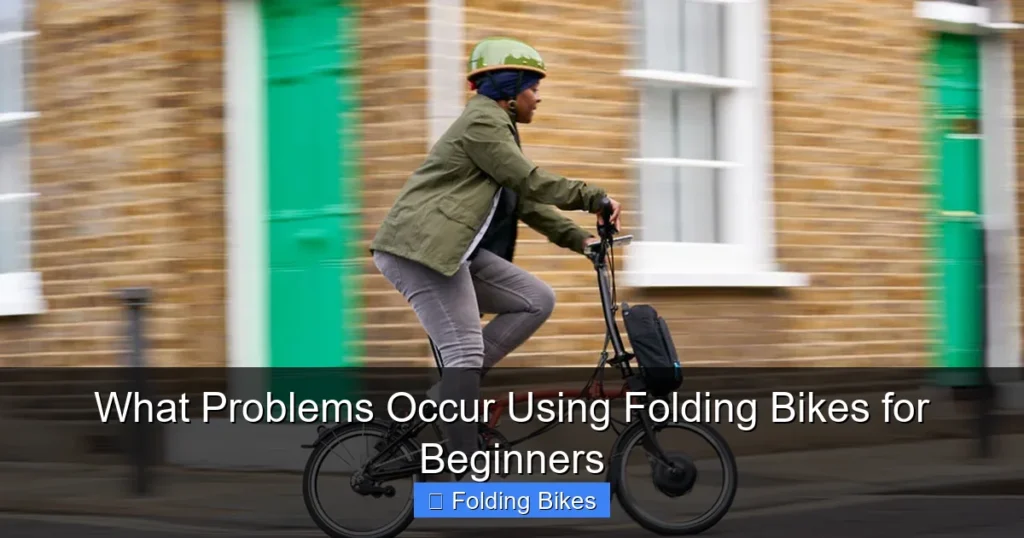
Folding bikes are convenient and portable, but beginners often run into unexpected issues. This guide covers the most common problems—like poor fit, maintenance challenges, and safety concerns—and offers simple solutions to help you ride with confidence.
Key Takeaways
- Improper bike fit can cause discomfort and fatigue: Many beginners choose folding bikes without adjusting the seat or handlebars, leading to poor posture and pain.
- Folding mechanisms require regular maintenance: Hinges and latches can loosen over time, creating safety risks if not checked regularly.
- Smaller wheels affect stability and speed: Folding bikes often have 16″ or 20″ wheels, which can feel less stable on rough terrain or at higher speeds.
- Limited gear options may hinder performance: Entry-level models often have fewer gears, making hills and long rides more challenging.
- Carrying and storage can be tricky: While foldable, some models are heavier or bulkier than expected, complicating transport and storage.
- Punctures are more common with narrow tires: Many folding bikes use thin tires that are prone to flats, especially on city streets.
- Beginners may overlook essential accessories: Lights, locks, and pumps are often forgotten but critical for safety and convenience.
What Problems Occur Using Folding Bikes for Beginners
Folding bikes are a fantastic choice for commuters, travelers, and city dwellers who value portability and space-saving design. But while they offer convenience, beginners often face a range of unexpected challenges. From discomfort during rides to mechanical issues, these problems can turn an exciting new hobby into a frustrating experience.
This guide walks you through the most common problems beginners encounter with folding bikes. You’ll learn how to identify, prevent, and fix these issues so you can enjoy a smooth, safe, and comfortable ride. Whether you’re using your bike for daily commuting or weekend adventures, understanding these pitfalls will help you get the most out of your folding bike.
1. Poor Bike Fit Leads to Discomfort
One of the biggest mistakes beginners make is riding a folding bike without adjusting it to their body. Unlike standard bikes, folding bikes come in fewer sizes and often rely on adjustable components. If the seat height, handlebar position, or reach isn’t set correctly, you may experience back pain, numb hands, or knee strain.
How to Fix It
- Adjust the seat height: When seated, your leg should be almost fully extended at the bottom of the pedal stroke, with a slight bend in the knee.
- Set the handlebars at a comfortable height: Beginners often benefit from a more upright position to reduce strain on the back and shoulders.
- Test the reach: You should be able to comfortably grip the handlebars without leaning too far forward.
If your bike doesn’t offer enough adjustability, consider upgrading the seatpost or handlebars for better ergonomics.
2. Folding Mechanism Maintenance Issues
The folding mechanism is what makes these bikes unique—but it’s also a potential weak point. Latches, hinges, and locking systems can wear out or loosen over time, especially if the bike is folded and unfolded frequently.
Common Problems
- Latches that don’t lock securely
- Hinges that squeak or feel loose
- Difficulty folding or unfolding the bike
How to Prevent and Fix
- Lubricate hinges and latches monthly: Use a light bike lubricant to keep moving parts smooth.
- Check tightness before every ride: Give the frame a gentle shake to ensure everything is locked in place.
- Follow the manufacturer’s folding instructions: Forcing the bike can damage the mechanism.
Regular maintenance ensures your bike stays safe and functional. Think of it like checking your car’s tires—small efforts prevent big problems.
3. Smaller Wheels Affect Stability and Ride Quality
Most folding bikes use 16-inch or 20-inch wheels to keep the design compact. While this helps with portability, it can impact ride quality. Smaller wheels don’t roll over bumps as smoothly and may feel less stable at higher speeds or on uneven surfaces.
Tips for Better Handling
- Inflate tires to the recommended pressure: Properly inflated tires improve grip and reduce the risk of pinch flats.
- Avoid rough terrain when possible: Stick to paved paths and smooth roads until you gain confidence.
- Consider wider tires: Some folding bikes allow tire upgrades. Wider tires (like 1.75” instead of 1.25”) offer better cushioning and traction.
If you plan to ride on trails or gravel, look into models designed for off-road use, such as the best folding mountain bikes for bikepacking.
4. Limited Gearing Makes Hills and Long Rides Tough
Many entry-level folding bikes come with only 3 to 7 speeds. While this is fine for flat city streets, it can make climbing hills or riding long distances exhausting.
Solutions for Better Performance
- Choose a model with more gears: Look for bikes with 8-speed or 9-speed drivetrains for better versatility.
- Use lower gears on inclines: Shift down early to maintain a steady cadence without straining.
- Plan your route: Use apps to find flatter paths or avoid steep hills until you build endurance.
If you’re serious about longer rides, consider upgrading to a folding bike with a wider gear range or even an electric assist model like those in our guide to the best electric bikes for city commuting.
5. Carrying and Storage Challenges
While folding bikes are designed to be portable, not all are equally easy to carry. Some models weigh 25–30 pounds, and the folded shape can be awkward to manage—especially on public transit or up stairs.
How to Make It Easier
- Look for lightweight models: Aluminum frames are lighter than steel. Aim for bikes under 25 lbs if portability is a priority.
- Use a carrying bag or strap: A padded bag protects the bike and makes it easier to carry.
- Practice folding and unfolding: The more familiar you are with the process, the quicker and smoother it becomes.
Also, consider where you’ll store the bike at home or work. A compact folded size helps, but you’ll still need a dry, secure spot.
6. Puncture-Prone Tires
Many folding bikes come with narrow, high-pressure tires that are efficient but vulnerable to punctures. Glass, thorns, and sharp debris on city streets can easily cause flats.
How to Reduce Flat Tires
- Use puncture-resistant tires: Brands like Schwalbe and Continental offer durable options designed for urban riding.
- Install tire liners: These thin strips sit between the tire and tube to block sharp objects.
- Carry a repair kit: A small bike tool kit with patches, a spare tube, and a mini pump can save your ride.
For quick inflation on the go, consider a folding bike pump that fits in your bag or mounts on the frame.
7. Overlooking Essential Accessories
Beginners often focus on the bike itself and forget about accessories that enhance safety and convenience. Riding without lights, a lock, or a helmet is risky—especially in traffic or low-light conditions.
Must-Have Accessories
- Front and rear lights: Required by law in many areas and essential for visibility.
- U-lock or chain lock: Protect your investment with a high-quality lock like those in our guide to the best U-locks for bikes.
- Helmet: Always wear one, even on short rides.
- Rear rack or basket: Useful for carrying bags, groceries, or a change of clothes. Check out the best rear basket for bikes for stylish and functional options.
Investing in these items upfront saves time, money, and stress down the road.
Troubleshooting Common Issues
Even with proper care, problems can arise. Here’s how to handle some frequent issues:
Bike Won’t Fold Smoothly
Check for dirt or rust in the hinges. Clean and lubricate the mechanism. Ensure all latches are fully released before folding.
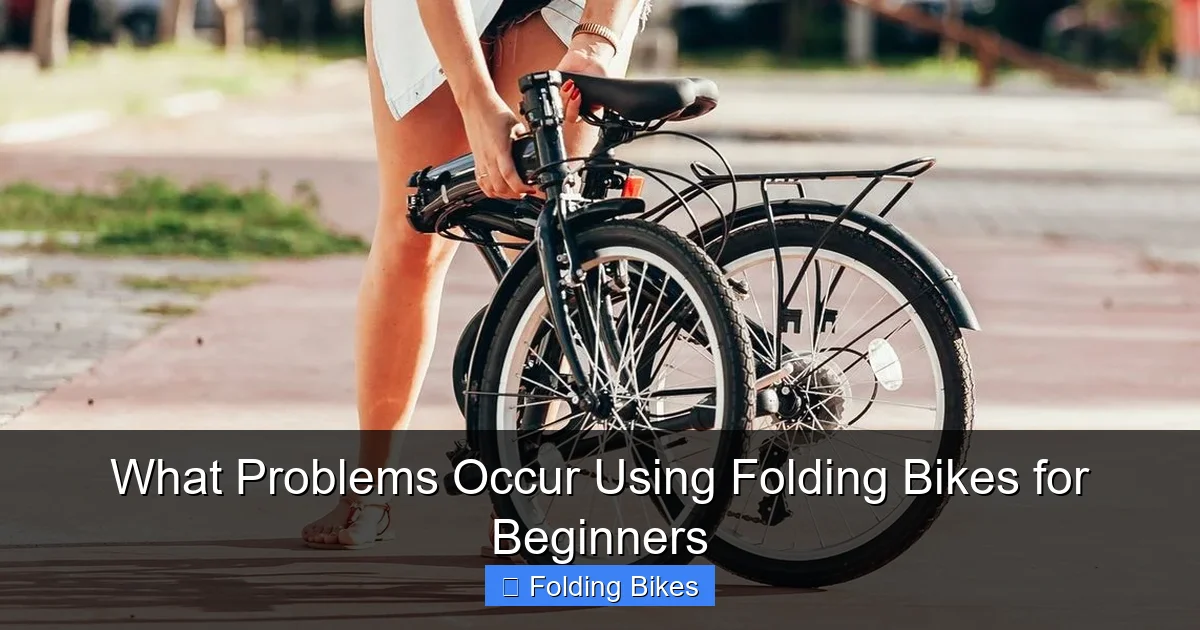
Visual guide about What Problems Occur Using Folding Bikes for Beginners
Image source: blogger.googleusercontent.com
Squeaky Brakes
This is often due to dirt or moisture. Clean the brake pads and rims with rubbing alcohol. If the noise persists, the pads may need replacing.
Chain Slips or Skips
This could mean the chain is worn or the derailleur is misaligned. Clean and lubricate the chain first. If the problem continues, visit a bike shop for a professional check.
Conclusion
Folding bikes are a smart, space-saving solution for modern riders—but they come with unique challenges, especially for beginners. By understanding common problems like poor fit, maintenance needs, and limited performance, you can take proactive steps to avoid frustration.
The key is preparation: adjust your bike properly, maintain the folding mechanism, choose the right tires and gears, and equip yourself with essential accessories. With a little attention and care, your folding bike can deliver reliable, enjoyable rides for years to come.
Whether you’re commuting to work, exploring the city, or packing your bike for a trip, these tips will help you ride with confidence. Start smart, stay safe, and enjoy the freedom that comes with folding bike ownership.



