
Storing folding bikes in small apartments can lead to clutter, damage, and safety hazards if not done properly. This guide covers the top issues riders face and offers practical, space-saving solutions to keep your bike secure and your home tidy.
Key Takeaways
- Limited floor space makes it hard to store a folded bike without tripping hazards or blocking walkways.
- Scratches and dents are common when bikes are leaned against walls or furniture without proper protection.
- Moisture and rust can build up if bikes are stored in damp areas like basements or near windows.
- Difficulty accessing the bike happens when it’s buried under clutter or stored in hard-to-reach spots.
- Security risks increase when bikes are visible from windows or stored in shared hallways.
- Improper folding techniques can damage hinges and mechanisms over time.
- Noise and vibration from loose parts may disturb neighbors in apartment buildings.
Introduction: Why Folding Bike Storage Matters in Small Spaces
If you live in a small apartment, you already know how precious every square foot is. Adding a folding bike to the mix might seem like a smart solution—after all, it’s designed to be compact. But even folded, these bikes can create unexpected problems if not stored correctly. From tripping over handlebars to rust forming on neglected chains, the challenges are real.
In this guide, we’ll walk you through the most common issues people face when storing folding bikes in tight living spaces. You’ll learn how to avoid damage, maximize space, and keep your bike ready to ride—without turning your home into a bike shop. Whether you’re a daily commuter or a weekend explorer, these tips will help you store your folding bike safely and efficiently.
Problem 1: Limited Floor Space Creates Tripping Hazards
Even when folded, most folding bikes still take up a surprising amount of floor space. In a small apartment, that can mean blocking doorways, cluttering hallways, or getting in the way of furniture.
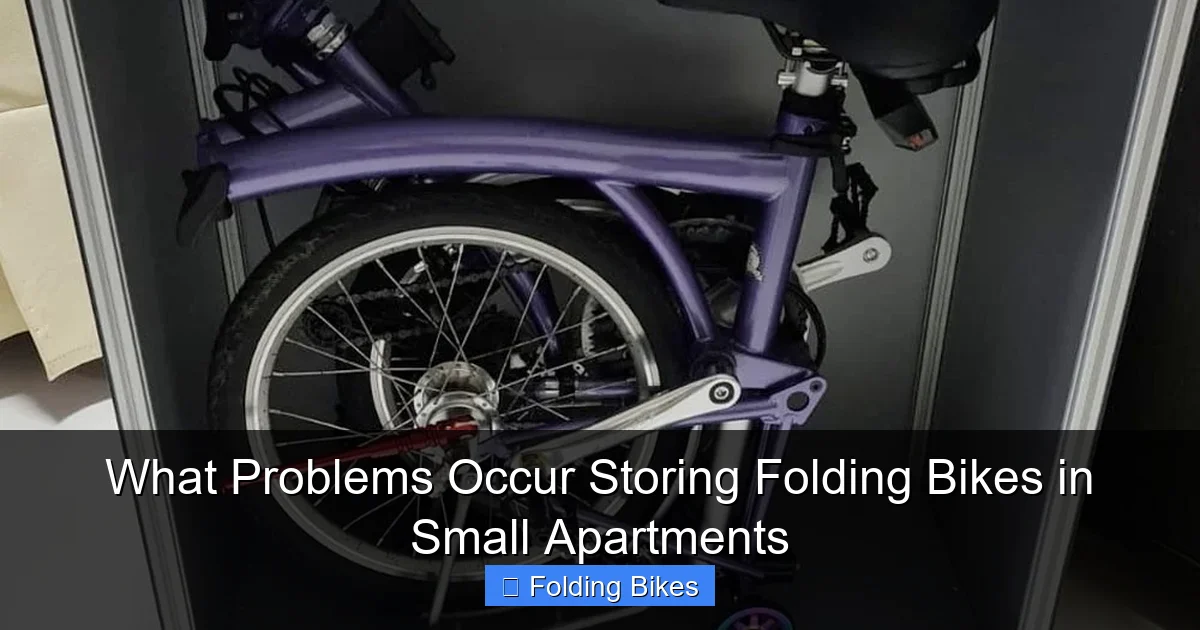
Visual guide about What Problems Occur Storing Folding Bikes in Small Apartments
Image source: media.polygonbikes.com
Why It’s a Problem
A typical folded bike is about 30–36 inches long and 24–30 inches tall. That’s enough to trip over, especially in low-light conditions or when rushing out the door. Over time, this can lead to accidents or damage to both the bike and your belongings.
How to Fix It
- Use vertical storage: Mount a wall rack or use a freestanding vertical stand to keep the bike upright and off the floor.
- Choose corner placement: Tuck the bike into an unused corner where it won’t interfere with foot traffic.
- Measure first: Before buying any storage solution, measure your space and the folded dimensions of your bike.
For example, the best folding bike pump can also help maintain tire pressure, ensuring your bike stays compact and ready to roll.
Problem 2: Scratches, Dents, and Frame Damage
Leaning a folded bike against a wall or stacking it with other items might seem harmless, but it can lead to cosmetic and structural damage over time.
Why It’s a Problem
Folding bikes often have exposed hinges, cables, and lightweight frames. Constant contact with hard surfaces can scratch paint, bend components, or weaken joints. In worst cases, a poorly supported bike can fall and crack the frame.
How to Fix It
- Use padded hooks or racks: Look for storage systems with rubber or foam padding to protect the frame.
- Avoid stacking: Never place heavy items on top of a folded bike.
- Store with care: If leaning it against a wall, use a soft cloth or bike cover as a buffer.
Investing in a dedicated bike storage solution, like those recommended in our guide to the best rack for hybrid bikes, can also work well for folding models with minor adjustments.
Problem 3: Moisture and Rust in Damp Environments
Many apartment dwellers store bikes in basements, garages, or near windows—areas prone to humidity and temperature swings.
Why It’s a Problem
Moisture accelerates rust on chains, bolts, and gears. Even a little condensation can weaken metal parts and shorten your bike’s lifespan. Worse, rust can spread silently until shifting or braking becomes unreliable.
How to Fix It
- Use a dehumidifier: If storing in a basement, run a small dehumidifier to keep air dry.
- Apply lubricant regularly: Wipe down the chain and moving parts with bike-specific lubricant every few weeks.
- Cover the bike: Use a breathable bike cover to protect from dust and moisture without trapping humidity.
For extra protection, consider weatherproofing tips for mountain bikes, which also apply to folding bikes stored in damp conditions.
Problem 4: Difficulty Accessing the Bike Quickly
When a folded bike is buried under coats, boxes, or furniture, it defeats the purpose of owning a convenient, portable ride.
Why It’s a Problem
If you have to move three bags and a suitcase just to get your bike out, you’re less likely to use it regularly. This leads to underuse, flat tires, and neglected maintenance.
How to Fix It
- Designate a “bike zone”: Create a small, accessible area near your exit door just for the bike and gear.
- Use under-bed storage: Some folding bikes fit under beds with the right storage bags.
- Install overhead racks: Ceiling-mounted pulleys can lift the bike out of the way but keep it within reach.
Keeping your bike visible and easy to grab encourages daily use—and that’s the whole point of owning a folding bike.
Problem 5: Security Risks in Shared or Visible Spaces
Storing a bike in a shared hallway or near a window can make it a target for theft—even when folded.
Why It’s a Problem
Folding bikes are valuable and portable. If left in plain sight, they attract attention. In apartment buildings, shared storage areas are especially risky.
How to Fix It
- Lock it even at home: Use a compact folding lock to secure the bike to a fixed object indoors.
- Avoid window visibility: Store the bike away from street-facing windows.
- Use a bike cover: A simple cover hides the bike’s shape and brand, reducing temptation.
For added peace of mind, consider indoor bike alarms or GPS trackers designed for small spaces.
Problem 6: Improper Folding Damages Mechanisms
Many riders fold their bikes incorrectly, leading to worn hinges, misaligned parts, or stuck latches.
Why It’s a Problem
Folding bikes rely on precise mechanisms. Forcing a fold or skipping steps can bend frames, break cables, or make the bike unsafe to ride.
How to Fix It
- Follow the manual: Always fold and unfold your bike according to the manufacturer’s instructions.
- Practice regularly: Make folding a habit so it becomes second nature.
- Check hinges monthly: Look for looseness or wear and tighten bolts as needed.
Taking 30 seconds to fold correctly can save hours of repairs later.
Problem 7: Noise and Vibration Disturbs Neighbors
In apartment buildings, even small noises can travel through walls and floors.
Why It’s a Problem
Loose pedals, rattling chains, or a bike shifting against a wall can create constant clicking or thumping sounds—especially at night.
How to Fix It
- Secure all parts: Use zip ties or Velcro straps to keep pedals and handlebars from moving.
- Add rubber feet: Place rubber pads under the bike or rack to absorb vibration.
- Store on carpet: If possible, keep the bike on a rug or mat to reduce noise transmission.
A little noise control goes a long way in maintaining good neighbor relations.
Troubleshooting Common Storage Mistakes
Even with the best intentions, mistakes happen. Here’s how to fix the most common ones:
- Bike won’t stay folded: Check latch mechanisms and ensure no cables are caught. Lubricate hinges if stiff.
- Storage rack doesn’t fit: Measure your folded bike’s dimensions and compare with rack specs before buying.
- Bike smells musty: Clean and dry it thoroughly, then store with silica gel packs to absorb moisture.
- Hard to unfold: This usually means dirt or rust in the joints. Clean and lubricate the folding mechanism.
Conclusion: Smart Storage = Happy Riding
Storing a folding bike in a small apartment doesn’t have to be a headache. By understanding the common problems—space, damage, moisture, access, security, folding errors, and noise—you can take simple steps to protect your investment and your living space.
The key is planning ahead. Choose the right storage method for your layout, maintain your bike regularly, and keep it accessible and secure. With these tips, your folding bike will stay in great shape and be ready to go whenever you are—no matter how small your home.



