

Electric folding bikes are convenient and portable, but they come with unique challenges like battery issues, hinge wear, and tire problems. This guide helps you identify, fix, and prevent common issues so you can enjoy reliable, hassle-free rides every time.
Key Takeaways
- Battery degradation is common: Over time, e-bike batteries lose capacity. Store them at 50–80% charge and avoid extreme temperatures to extend lifespan.
- Folding mechanisms wear out: Hinges and latches endure stress with frequent folding. Regular cleaning and lubrication prevent stiffness and failure.
- Small wheels increase puncture risk: Compact tires are more prone to flats. Use puncture-resistant tires and check pressure weekly.
- Electrical connections loosen over time: Vibrations from riding can disconnect wires. Inspect connectors monthly and secure loose parts.
- Brake performance suffers with wear: Disc or rim brakes need regular adjustment. Test braking power before every ride and replace worn pads promptly.
- Motor overheating can occur: Heavy loads or long climbs strain motors. Allow cooling breaks during extended use to avoid damage.
- Storage and transport cause hidden damage: Improper packing can bend frames or crack components. Use padded cases and avoid stacking heavy items on folded bikes.
What Problems Happen with Electric Folding Bikes (And How to Fix Them)
Electric folding bikes combine the convenience of compact design with the power of electric assist—making them ideal for city commuters, travelers, and apartment dwellers. But like any complex piece of machinery, they come with their own set of challenges. While these bikes are built for portability and efficiency, their unique design introduces specific problems that riders should know how to spot and solve.
In this guide, you’ll learn about the most common issues electric folding bikes face—from battery troubles to mechanical wear—and get practical, step-by-step solutions. Whether you’re a daily rider or an occasional user, understanding these problems will help you maintain your bike, extend its life, and enjoy safer, smoother rides.
Battery Issues: The Heart of Your E-Bike
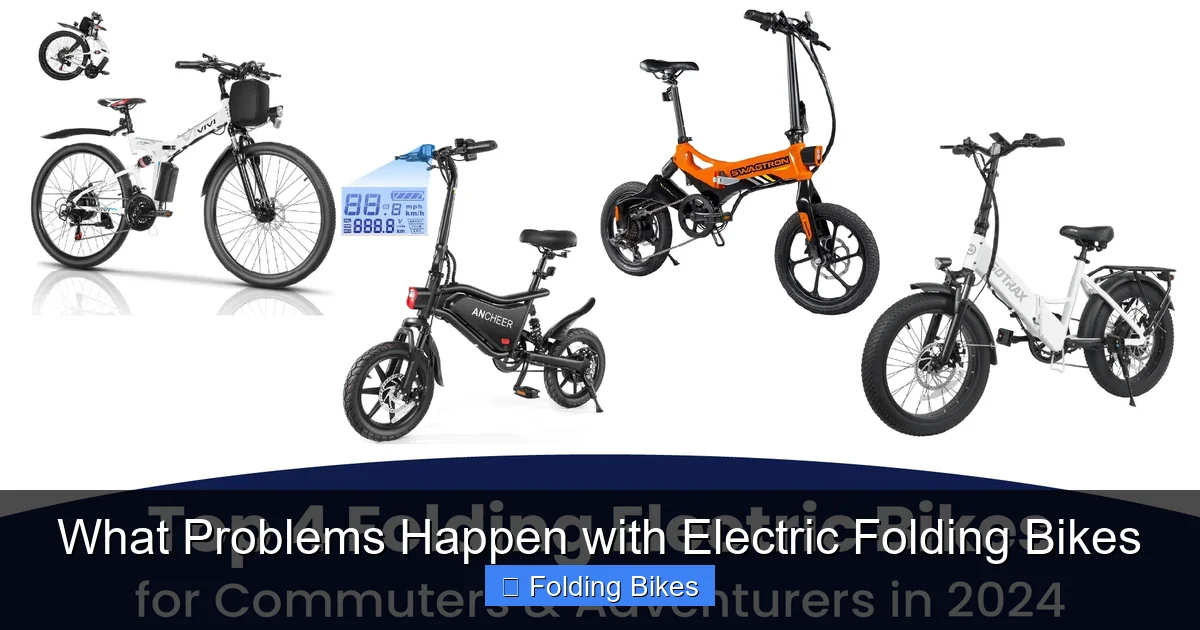
Visual guide about What Problems Happen with Electric Folding Bikes
Image source: electricridelab.com
The battery is the most critical—and often most problematic—component of an electric folding bike. Most use lithium-ion batteries, which are lightweight and powerful but degrade over time.
Symptoms of Battery Problems
- Reduced range (e.g., dropping from 40 to 20 miles per charge)
- Slow charging or failure to charge fully
- Battery swelling or unusual heat during use
How to Prevent and Fix Battery Issues
Store your battery at 50–80% charge if not using the bike for weeks. Avoid leaving it fully charged or completely drained. Keep it away from extreme heat or cold—don’t charge it in a hot car or leave it outside in winter.
If your battery isn’t holding a charge, try recalibrating it: fully charge it, then ride until it dies completely before recharging. If problems persist, consider replacing the battery. Most manufacturers offer replacement packs, though they can cost $300–$800.
For city commuters who rely on daily rides, investing in a high-quality battery from the start is wise. Check out our guide on the Best Electric Bikes For City Commuting to find models with reliable battery systems.
Folding Mechanism Wear and Tear
The folding hinge is what makes these bikes so convenient—but it’s also a weak point. Constant folding and unfolding puts stress on latches, bolts, and joints.
Common Signs of Hinge Problems
- Stiff or difficult folding
- Loose or wobbly frame when unfolded
- Rattling sounds during rides
Maintenance Tips for Smooth Folding
Clean the hinge area monthly with a dry cloth to remove dirt and grime. Apply a small amount of silicone-based lubricant to moving parts—avoid oil-based lubricants, which attract dust.
Check all bolts and latches before each ride. Tighten any that feel loose, but don’t over-tighten, as this can strip threads. If a latch feels weak or won’t lock securely, replace it immediately. A failed latch while riding can cause the bike to collapse.
For riders who frequently pack their bikes for travel, consider models with reinforced hinges. The Best Foldable Fat Tire Electric Bike features a robust folding system designed for durability.
Tire and Wheel Problems
Smaller wheels (typically 16″ to 20″) are standard on folding bikes, which makes them agile but more vulnerable to punctures and instability.
Why Punctures Happen More Often
Smaller tires have less air volume, so they’re more sensitive to sharp objects. They also tend to ride closer to the ground, increasing exposure to debris.
How to Reduce Flat Tires
Use puncture-resistant tires with built-in liners or Kevlar belts. Keep tire pressure at the recommended PSI—usually printed on the tire sidewall. Underinflated tires are more prone to pinch flats.
Carry a portable pump and patch kit. For quick fixes, consider tubeless sealant. Learn how to install it with our guide: How To Install Bike Tires With Sealant.
If you’re riding on rough terrain or gravel, wider tires offer better cushioning. However, most folding bikes have limited clearance, so check compatibility before upgrading.
Electrical and Motor Issues
Electric components are sensitive to moisture, vibration, and wear. Over time, wires can fray, connectors can loosen, and motors can overheat.
Common Electrical Problems
- Display screen flickering or not turning on
- Motor cutting out during rides
- Inconsistent pedal assist levels
Diagnosing and Fixing Electrical Faults
Start by inspecting all visible wires and connectors. Look for cracks, bends, or corrosion. Gently wiggle connectors to see if the display or motor responds—this can reveal loose connections.
Keep electrical parts dry. If you ride in rain, wipe down the bike after use and avoid submerging it in water. Use a waterproof cover if storing outdoors.
Motor overheating usually happens during long climbs or when carrying heavy loads. If your motor feels hot to the touch, stop and let it cool for 10–15 minutes. Avoid sustained high-power use on steep hills.
For reliable performance, choose a bike with a well-sealed motor and controller. Brands like Bosch and Bafang are known for durability.
Brake Maintenance and Safety
Brakes are critical for safety, especially on compact bikes that may feel less stable at speed.
Signs Your Brakes Need Attention
- Squeaking or grinding noises
- Longer stopping distances
- Spongy brake levers
How to Maintain Your Brakes
Check brake pads every month. If they’re thinner than 1mm, replace them. Clean rotors (on disc brakes) with isopropyl alcohol to remove oil and dirt.
Adjust cable tension if levers feel loose. Most folding bikes use mechanical disc or V-brakes, which are easy to tune with basic tools. For hydraulic brakes, bleeding may be needed—consider professional service.
Never ride with worn or malfunctioning brakes. A quick test before each ride can prevent accidents. For more on safe braking, see our article on the Best Brakes For E Bikes.
Frame and Structural Weaknesses
Folding bikes have more joints and hinges than standard bikes, which can lead to frame flex or cracking over time.
How to Spot Frame Issues
- Cracks near welds or hinges
- Unusual creaking or flexing when pedaling
- Misalignment after folding
Preventing Frame Damage
Avoid overloading your bike. Most folding e-bikes have weight limits of 220–300 lbs. Exceeding this can stress the frame.
When transporting, use a padded bike bag or case. Don’t stack heavy items on top of a folded bike—this can bend the frame or damage components.
Inspect the frame monthly, especially if you ride on bumpy roads. Early detection of cracks can prevent catastrophic failure.
Troubleshooting Common Problems
Even with good maintenance, issues can arise. Here’s how to handle the most frequent ones:
Bike Won’t Turn On
Check the battery charge and ensure it’s properly seated. Reset the system by turning the battery off and on. If the display still doesn’t work, inspect the main power cable.
Pedal Assist Not Working
Test the sensor near the crank arm. Clean it and ensure it’s aligned with the magnet ring. If the sensor is dirty or misaligned, the motor won’t engage.
Folding Feels Stiff
Lubricate hinges and check for debris. If a latch is stuck, gently tap it with a rubber mallet—never use excessive force.
Strange Noises While Riding
Identify the source: Is it from the chain, motor, or frame? A loose chain can cause clicking; motor whine may indicate bearing wear. Address noise early to avoid bigger repairs.
Conclusion
Electric folding bikes are incredibly useful, but they require regular care to perform at their best. From battery care to brake checks, staying proactive prevents most common problems. By understanding what can go wrong—and how to fix it—you’ll save money, avoid breakdowns, and enjoy more reliable rides.
Remember: a little maintenance goes a long way. Clean your bike, check connections, and listen for changes in performance. With the right habits, your electric folding bike can last for years of smooth, efficient travel.
Whether you’re commuting to work or exploring new cities, a well-maintained e-bike is your best companion. For more tips on keeping your ride in top shape, explore our full range of How To Choose Pump For E Bikes and other maintenance guides.



