
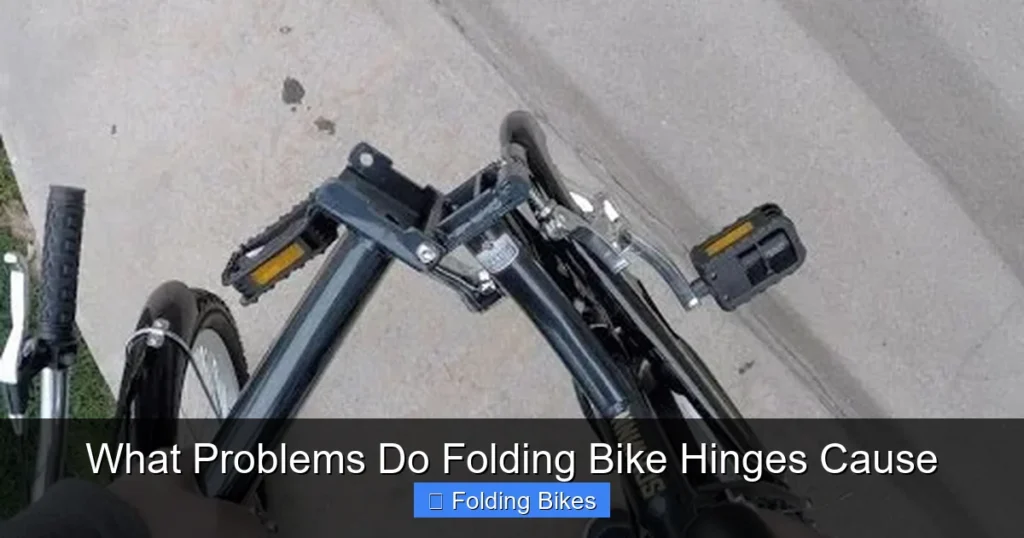
Folding bike hinges are essential for portability but can cause issues like wobbling, stiffness, or wear over time. This guide explains the most common hinge problems, how to diagnose them, and simple steps to maintain or repair your folding bike for a safer, smoother ride.
Key Takeaways
- Hinge looseness causes wobbling: Over time, hinges can become loose, leading to instability and unsafe riding conditions.
- Corrosion affects performance: Exposure to moisture and salt can rust hinges, especially on budget or older models.
- Misalignment leads to uneven wear: If hinges aren’t aligned properly, it can strain the frame and reduce folding efficiency.
- Lack of lubrication causes stiffness: Dry hinges make folding difficult and increase wear on moving parts.
- Worn bushings reduce smoothness: Plastic or metal bushings inside hinges degrade, causing play or squeaking.
- Improper storage accelerates damage: Storing your bike in damp or dirty areas speeds up hinge deterioration.
- Regular maintenance prevents major issues: Simple checks and cleaning every few months can extend hinge life significantly.
What Problems Do Folding Bike Hinges Cause?
Folding bikes are perfect for commuters, travelers, and city dwellers who need a compact, portable ride. But while their folding mechanism is a major advantage, it also introduces unique challenges—especially with the hinges. These small but critical joints allow the bike to fold, but they’re also prone to wear, damage, and malfunction if not properly maintained.
In this guide, you’ll learn about the most common problems caused by folding bike hinges, how to identify them early, and what you can do to fix or prevent them. Whether you’re a daily rider or use your folding bike occasionally, understanding these issues will help you keep your bike safe, reliable, and ready to roll.
Common Folding Bike Hinge Problems
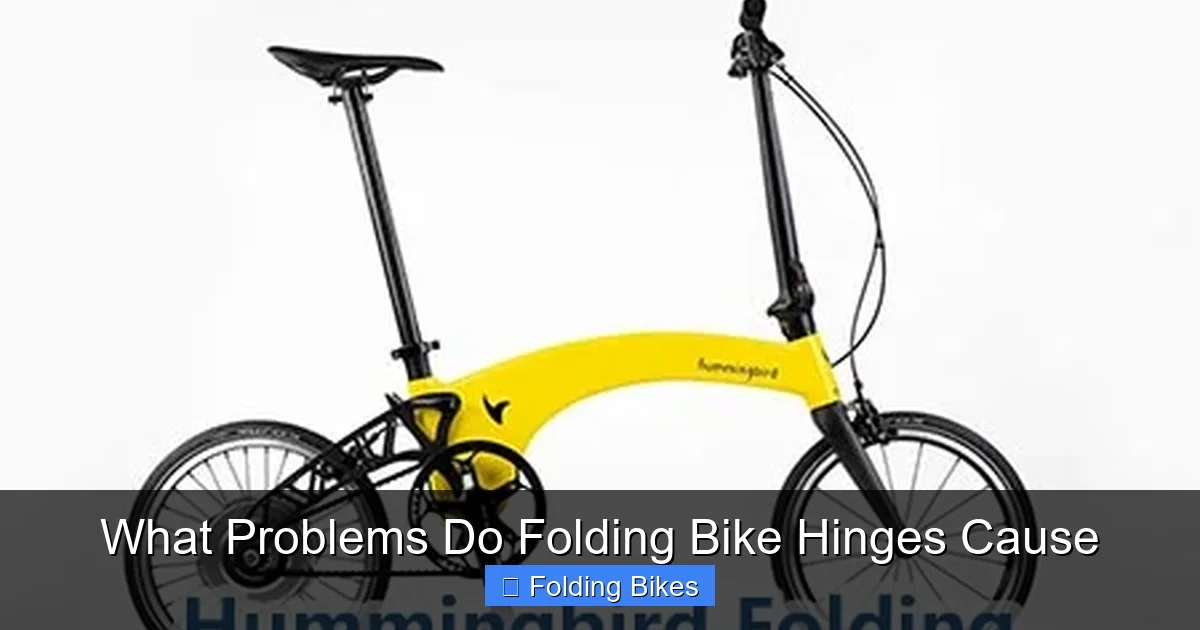
Visual guide about What Problems Do Folding Bike Hinges Cause
Image source: biketroubleshooting.com
Folding bike hinges are mechanical joints that connect different parts of the frame, allowing the bike to collapse into a smaller size. While they’re built to last, they’re subject to stress, weather, and frequent use. Over time, this leads to several recurring issues.
1. Loose or Wobbly Hinges
One of the most frequent complaints from folding bike riders is a wobbly or unstable feel when riding. This is often caused by loose hinge bolts or worn components.
When hinge bolts aren’t tightened properly, the connection between frame sections becomes slack. This creates a “play” in the frame, making the bike feel unstable, especially at higher speeds or on bumpy roads.
How to spot it: Try gently rocking the bike side to side while holding the handlebars. If you feel movement at the hinge area, it’s likely loose.
How to fix it: Use a wrench or Allen key to check and tighten all hinge bolts. Be careful not to overtighten, as this can damage the threads or crack the frame. If the bolts keep loosening, consider using a thread-locking compound like Loctite.
2. Corrosion and Rust
Moisture is the enemy of metal hinges. If your folding bike is exposed to rain, snow, or high humidity—especially if you store it outdoors—rust can develop quickly.
Corrosion weakens the hinge structure and can cause parts to seize up, making folding difficult or impossible. It’s especially common in lower-end models that use untreated steel instead of stainless steel or aluminum.
How to spot it: Look for orange or brown flaky residue around the hinge. You might also notice stiffness when folding or unfolding the bike.
How to fix it: For light rust, use a wire brush or fine sandpaper to remove surface corrosion. Wipe clean and apply a rust inhibitor. For severe rust, you may need to replace the hinge or consult a professional. To prevent future issues, store your bike in a dry place and wipe it down after wet rides.
3. Misaligned Hinges
Hinges must be perfectly aligned for smooth folding and structural integrity. If the bike is dropped, bumped, or improperly assembled, the hinge may become misaligned.
Misalignment causes uneven stress on the frame and can lead to premature wear, difficulty folding, or even frame damage over time.
How to spot it: When folding the bike, notice if one side folds more easily than the other, or if the frame doesn’t sit flush when closed.
How to fix it: Loosen the hinge bolts slightly, realign the frame so both sides fold evenly, then retighten. Use a straight edge or ruler to check alignment if needed. If the frame is bent, professional repair may be required.
4. Stiff or Hard-to-Fold Hinges
Nothing is more frustrating than a folding bike that won’t fold easily. Stiff hinges are usually caused by lack of lubrication, dirt buildup, or dried-out bushings.
Over time, grease dries up and dust accumulates in the hinge mechanism, creating friction that makes folding a chore.
How to spot it: The bike requires extra force to fold or unfold, or you hear grinding or squeaking sounds.
How to fix it: Clean the hinge area with a damp cloth and mild detergent. Dry thoroughly. Then apply a light lubricant like silicone spray or bike-specific hinge grease. Avoid heavy oils that attract dirt. For internal bushings, a drop of light machine oil can help.
5. Worn or Damaged Bushings
Inside most folding hinges are small bushings—usually made of plastic or bronze—that reduce friction and absorb shock. These wear out over time, especially on heavily used bikes.
Worn bushings cause play in the hinge, leading to wobbling, noise, and reduced ride quality.
How to spot it: You’ll notice excessive movement at the hinge even when bolts are tight. You might also hear a clicking or rattling sound when riding.
How to fix it: Replacing bushings requires disassembling the hinge. Check your bike’s manual for part numbers. Many manufacturers sell replacement kits. If you’re not comfortable doing this yourself, take it to a bike shop.
How to Maintain Folding Bike Hinges
Prevention is always better than repair. With regular maintenance, you can avoid most hinge problems and extend the life of your folding bike.
Step 1: Inspect Hinges Monthly
Set a reminder to check your hinges every month. Look for:
– Loose bolts
– Signs of rust or corrosion
– Misalignment
– Stiff movement
– Unusual noises
Catching problems early saves time and money.
Step 2: Clean and Lubricate
After every few rides—especially in wet or dirty conditions—wipe down the hinges with a clean, dry cloth. Use a mild cleaner for stubborn grime.
Apply a light lubricant to the moving parts. A silicone-based spray works well because it repels water and doesn’t attract dirt. Avoid WD-40 as a long-term solution—it’s a cleaner, not a lubricant.
For internal components, use a needle oiler to apply a drop of light machine oil to bushings and pivot points.
Step 3: Tighten Bolts Properly
Use the correct size Allen key or wrench to check hinge bolts. Tighten them to the manufacturer’s recommended torque if specified. If not, tighten until snug—don’t force it.
Consider using a torque wrench for precision, especially on carbon fiber frames.
Step 4: Store Your Bike Correctly
Store your folding bike in a dry, cool place. Avoid garages or balconies where temperature and humidity fluctuate. If you must store it outside, use a waterproof cover.
For long-term storage, apply a light coat of protective grease to the hinges and fold the bike partially to relieve stress on the mechanism.
Troubleshooting Common Hinge Issues
Even with good care, problems can still arise. Here’s how to handle them:
Bike Won’t Fold Smoothly
– Check for dirt or debris in the hinge.
– Ensure bolts aren’t overtightened.
– Apply lubricant and work the hinge back and forth.
Hinge Makes Noise When Riding
– Likely caused by loose bolts or worn bushings.
– Tighten bolts first. If noise persists, inspect bushings.
Bike Feels Unstable
– Test for hinge looseness.
– Check tire pressure—low pressure can mimic instability. For guidance, see our guide on Mountain Bike Tire Pressure Guide.
Hinge Won’t Stay Closed
– The locking mechanism may be worn or misaligned.
– Adjust or replace the latch if necessary.
When to Replace Hinge Components
No part lasts forever. If you notice:
– Cracks in the hinge
– Severe rust that can’t be cleaned
– Persistent wobbling after tightening
– Bushings that are cracked or missing
It’s time to replace the affected parts. Contact the manufacturer for replacement hinges or bushings. Many popular folding bike brands like Brompton, Dahon, and Tern offer service kits.
For DIY repairs, ensure you use compatible parts. Mixing components from different models can lead to further issues.
Conclusion
Folding bike hinges are both a strength and a potential weakness. While they enable the compact design that makes these bikes so convenient, they also require attention and care. Problems like looseness, rust, misalignment, and wear are common—but entirely manageable with regular maintenance.
By inspecting your hinges monthly, keeping them clean and lubricated, and addressing issues early, you’ll enjoy a smoother, safer, and more reliable ride. Remember, a little effort goes a long way. Your folding bike is an investment in convenience and mobility—treat it well, and it will serve you for years.
For more tips on keeping your bike in top shape, check out our guide on Best Bike Tool Kit For Beginners to ensure you have the right tools for the job. And if you’re dealing with tire issues, our How to Repair a Flat Bike Tire guide can help you get back on the road fast.



