
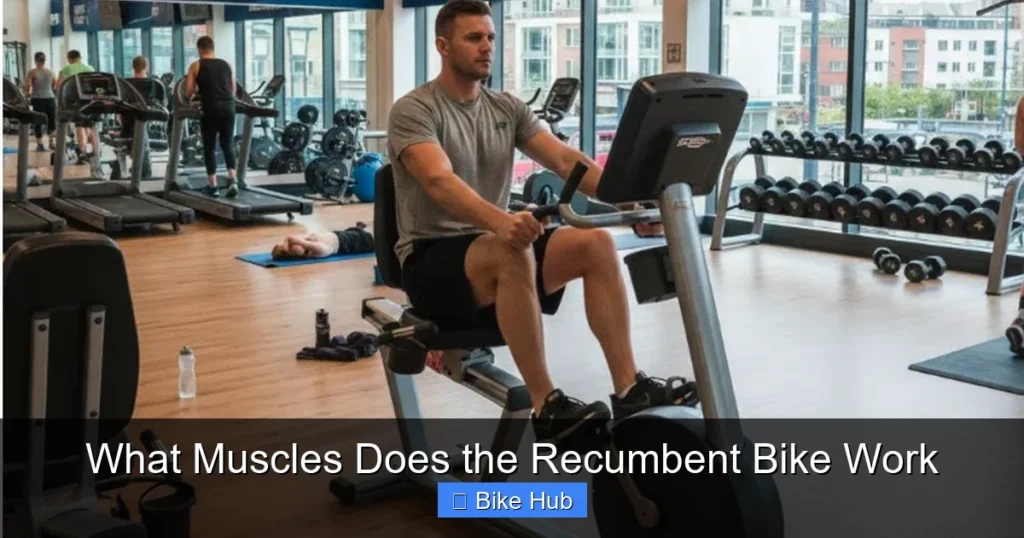
The recumbent bike targets major lower-body muscles like quadriceps, hamstrings, glutes, and calves while offering low-impact cardio. It also engages core and stabilizing muscles for balanced strength and endurance.
Key Takeaways
- Primary muscles worked: Quadriceps, hamstrings, glutes, and calves are the main muscle groups activated during recumbent biking.
- Low-impact exercise: Ideal for joint-friendly cardio that reduces strain on knees, hips, and lower back.
- Core engagement: Stabilizing your torso during pedaling helps strengthen abdominal and lower back muscles.
- Adjustable resistance: Increasing resistance levels intensifies muscle activation, especially in the legs and glutes.
- Endurance and tone: Regular use improves muscular endurance and helps tone the lower body over time.
- Proper form matters: Correct seat position and pedal stroke ensure maximum muscle engagement and prevent injury.
- Complement with strength training: Pair recumbent biking with resistance exercises for full-body fitness.
What Muscles Does the Recumbent Bike Work?
If you’re looking for a comfortable, effective way to strengthen your legs and improve cardiovascular health, the recumbent bike is a fantastic choice. Unlike upright bikes, recumbent bikes feature a reclined seating position with back support, making them ideal for people with joint issues, back pain, or those recovering from injury. But beyond comfort, you might be wondering: what muscles does the recumbent bike work?
In this guide, you’ll learn exactly which muscle groups are activated during a recumbent bike workout, how to optimize your form for maximum results, and tips to get the most out of your training. Whether you’re a beginner or a seasoned rider, understanding muscle engagement helps you tailor your workouts for strength, endurance, and overall fitness.
Primary Muscle Groups Targeted
The recumbent bike primarily works the muscles of the lower body. Because your feet move in a circular motion against resistance, your legs do most of the work. Here’s a breakdown of the key muscles involved:
Quadriceps (Front of Thighs)
The quadriceps are the primary drivers during the downward phase of the pedal stroke. These four muscles on the front of your thigh extend your knee and power your pedaling motion. The higher the resistance, the more your quads engage. Over time, consistent use builds strength and definition in this area.
Hamstrings (Back of Thighs)
Your hamstrings come into play during the upward and backward part of the pedal stroke. They help flex the knee and assist in pulling the pedal back. While not as dominant as the quads, strong hamstrings are essential for balanced leg development and injury prevention.
Glutes (Buttocks)
Your gluteal muscles—especially the gluteus maximus—are highly activated, particularly when you increase resistance or pedal at a faster pace. The reclined position of the recumbent bike allows for a deeper hip extension, which enhances glute engagement compared to upright bikes. This makes it a great tool for toning and strengthening your backside.
Calves (Gastrocnemius and Soleus)
The calf muscles help stabilize your ankles and assist in the pedal stroke, especially during the push-off phase. The soleus, a deeper calf muscle, is particularly active during sustained, low-resistance pedaling, contributing to endurance. Strong calves also improve balance and reduce the risk of cramps.
Secondary and Stabilizing Muscles
While the lower body does the heavy lifting, other muscles play supportive roles during your ride.
Core Muscles (Abdominals and Lower Back)
Even though you’re seated, your core helps maintain posture and stability. The reclined position reduces the need for intense abdominal engagement compared to upright cycling, but your transverse abdominis and obliques still activate to keep your torso steady. Over time, this can contribute to improved core endurance.
Hip Flexors
These muscles, including the iliopsoas, help lift your legs during the upward pedal motion. They work in tandem with the hamstrings and are especially active during high-cadence rides or when standing on the pedals (if your model allows).
Lower Back and Glute Medius (Stabilizers)
The recumbent bike’s backrest supports your spine, but your lower back and hip stabilizers still engage to maintain alignment. This is especially true if you shift positions or increase intensity. Proper seat adjustment minimizes strain and maximizes muscle activation.
How to Maximize Muscle Engagement
To get the most out of your recumbent bike workout, focus on form, resistance, and routine.
Adjust Your Seat Correctly
Start by setting the seat so your knees are slightly bent at the bottom of the pedal stroke. If your legs are fully extended, you risk hyperextension and reduced muscle activation. A slight bend ensures your quads and glutes work efficiently throughout the full range of motion.
Increase Resistance Gradually
Low resistance is great for warm-ups and endurance, but to build strength, gradually increase the load. Higher resistance forces your muscles to work harder, leading to greater strength gains in the quads, hamstrings, and glutes. Aim for a level where you can maintain proper form but feel challenged after 10–15 minutes.
Focus on Pedal Technique
Instead of just pushing down, try to pedal in smooth, circular motions. Imagine “scrubbing” the bottom of the pedal with your foot and pulling up slightly at the top. This engages more muscle fibers, especially in the hamstrings and calves.
Incorporate Interval Training
Alternate between high-intensity bursts and low-resistance recovery periods. For example, pedal hard for 1 minute, then ease off for 2 minutes. This not only boosts calorie burn but also increases muscle fatigue and growth over time.
Add Upper Body Movements (Optional)
Some recumbent bikes come with moving handles or allow you to use light resistance bands. While not standard, adding arm movements can engage your shoulders, chest, and back, turning your workout into a full-body session.
Benefits of Recumbent Bike Workouts
Beyond muscle engagement, recumbent biking offers several advantages:
- Joint-Friendly: The seated position reduces impact on knees, hips, and spine, making it ideal for seniors or those with arthritis.
- Improved Circulation: Regular cardio boosts blood flow, supporting muscle recovery and heart health.
- Enhanced Endurance: Over time, your muscles adapt, allowing you to ride longer and with greater resistance.
- Weight Management: A 30-minute session can burn 200–400 calories, depending on intensity, aiding in fat loss and muscle toning.
- Rehabilitation Friendly: Often recommended in physical therapy for knee or back rehab due to its controlled motion.
Troubleshooting Common Issues
Even with proper form, you might encounter challenges. Here’s how to address them:
“I Don’t Feel My Legs Working”
This usually means the resistance is too low or your seat is too far forward. Adjust the seat so your knee has a slight bend at the bottom of the stroke, and increase resistance until you feel a burn after 10 minutes.
“My Back Hurts After Riding”
Ensure the backrest supports your lower back fully. If your bike allows, adjust the angle slightly forward or backward. Avoid slouching—keep your shoulders relaxed and spine aligned.
“My Calves Cramp During Workouts”
Calf cramps can result from dehydration, tight muscles, or poor pedal technique. Stay hydrated, stretch before and after, and focus on smooth, circular pedaling. Consider a proper warm-up routine to prepare your muscles.
“I’m Not Seeing Results”
Consistency and progression are key. Aim for at least 3–5 sessions per week, gradually increasing duration and resistance. Pair your rides with a balanced diet and strength training for visible toning. For endurance goals, check out the best recumbent bike for endurance training to find a model that suits your needs.
Complementing Your Routine
While the recumbent bike excels at lower-body conditioning, it’s best used as part of a balanced fitness plan. Add upper-body strength training, flexibility exercises, and core workouts to build overall fitness. For example, pair your bike sessions with bodyweight exercises like push-ups, planks, and lunges.
If you’re setting up a home gym, consider the best recumbent bike for home gym use—look for quiet operation, adjustable resistance, and compact design.
Conclusion
The recumbent bike is a powerful tool for strengthening and toning your lower body. It primarily targets the quadriceps, hamstrings, glutes, and calves, while also engaging core and stabilizing muscles. Its low-impact design makes it accessible for all fitness levels, from beginners to rehab patients.
By adjusting your seat, increasing resistance, and focusing on proper pedal technique, you can maximize muscle engagement and see real results. Combine regular rides with a healthy lifestyle, and you’ll build endurance, strength, and confidence on and off the bike.
Whether you’re looking to recover from injury, stay active in retirement, or simply add variety to your cardio routine, the recumbent bike delivers a comfortable, effective workout. So hop on, pedal with purpose, and feel the burn in all the right places.



