
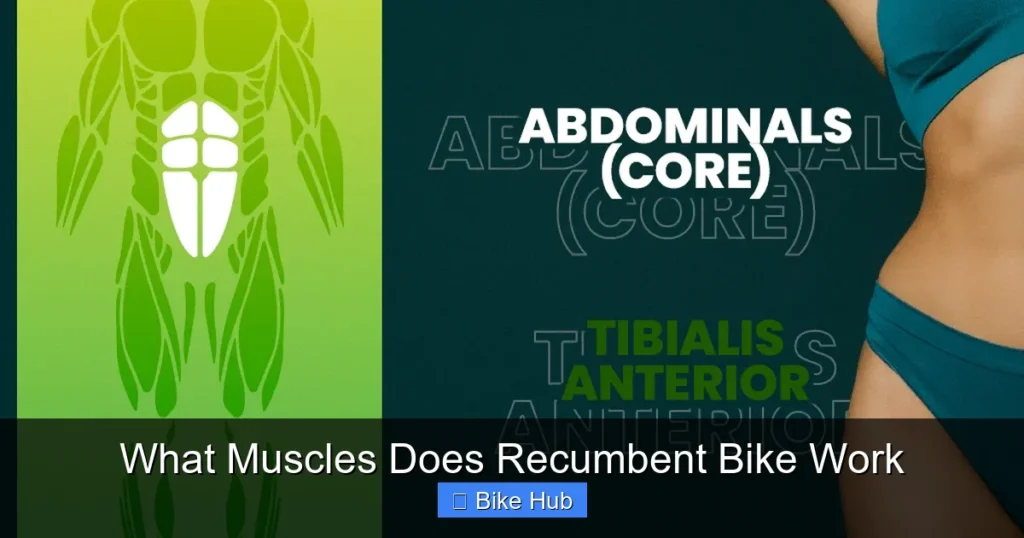
A recumbent bike offers a comfortable, low-impact way to strengthen key muscle groups, especially in the lower body. It primarily targets your glutes, quads, hamstrings, and calves, while also engaging your core and improving cardiovascular endurance.
Key Takeaways
- Primary muscle focus: Recumbent bikes mainly work the glutes, quadriceps, hamstrings, and calves.
- Low-impact cardio: Ideal for joint-friendly workouts, especially for seniors or those with injuries.
- Core engagement: While minimal, proper posture activates core muscles for stability.
- Adjustable resistance: Increasing resistance levels helps build strength and endurance over time.
- Full-session benefits: Regular use improves cardiovascular health, muscle tone, and calorie burn.
- Comfort advantage: The reclined position reduces strain on the back and neck during longer rides.
- Complement with other exercises: Pair with upper-body or strength training for a balanced fitness routine.
What Muscles Does a Recumbent Bike Work? A Complete Guide
If you’re looking for a comfortable yet effective way to stay active, the recumbent bike might just be your perfect fitness companion. Unlike upright bikes, recumbent bikes feature a reclined seating position with back support, making them ideal for people with back pain, joint issues, or those recovering from injury. But beyond comfort, many wonder: what muscles does a recumbent bike work?
In this guide, you’ll learn exactly which muscle groups are activated during a recumbent bike workout, how to maximize muscle engagement, and tips for getting the most out of your sessions. Whether you’re a beginner or a seasoned rider, understanding the mechanics of your workout helps you train smarter—not harder.
Primary Muscle Groups Targeted
Visual guide about What Muscles Does Recumbent Bike Work
Image source: fitkituk.com
The recumbent bike is a powerhouse for lower-body conditioning. While it’s not as intense as running or weightlifting, it delivers consistent, measurable results when used regularly. Let’s break down the main muscles worked during a typical session.
Glutes (Gluteus Maximus)
Your glutes—the largest muscles in your body—are heavily engaged during recumbent cycling, especially during the pushing phase of the pedal stroke. Because the seat supports your back and hips in a relaxed position, your glutes can fire efficiently without compensation from other muscles. This makes the recumbent bike excellent for toning and strengthening your backside.
Quadriceps (Front of Thighs)
The quads are the primary drivers during the downward push of pedaling. These four muscles on the front of your thighs extend your knee and are constantly active, especially at higher resistance levels. Over time, consistent use builds strength and definition in this area.
Hamstrings (Back of Thighs)
While the quads do the pushing, the hamstrings assist during the upward pull of the pedal stroke—especially if you use clipless pedals or toe straps. Though less dominant than the quads, the hamstrings still contribute significantly, helping balance muscle development and reduce injury risk.
Calves (Gastrocnemius and Soleus)
Your calf muscles stabilize your feet on the pedals and assist in the circular motion of pedaling. The soleus, in particular, works during seated cycling because it’s optimized for endurance activities. Strong calves improve pedal efficiency and reduce fatigue during longer rides.
Secondary and Stabilizing Muscles
Visual guide about What Muscles Does Recumbent Bike Work
Image source: fitkituk.com
While the lower body does most of the work, several other muscles play supporting roles to maintain posture and control.
Core Muscles (Abdominals and Lower Back)
You might not feel your abs burning, but your core is quietly at work. The reclined position reduces the need for intense abdominal engagement, but maintaining an upright torso still activates your transverse abdominis and obliques. This helps improve posture and spinal stability over time.
Hip Flexors
These muscles, including the iliopsoas, help lift your legs during the recovery phase of pedaling. Though not as taxed as the quads or glutes, they contribute to smooth, fluid motion and help prevent stiffness in the hips.
Lower Back and Gluteal Support
Thanks to the ergonomic seat design, the recumbent bike minimizes strain on the lower back. However, the muscles around your lumbar region still engage slightly to maintain alignment—especially if you’re not fully reclined. This passive engagement supports long-term spinal health.
How to Maximize Muscle Engagement on a Recumbent Bike
Now that you know what muscles does a recumbent bike work, let’s talk about how to get the most out of your workout. A few simple adjustments can turn a casual ride into a targeted strength and endurance session.
Adjust Your Seat Position
Proper seat alignment ensures optimal muscle activation. Your knee should have a slight bend (about 25–30 degrees) at the bottom of the pedal stroke. If your leg is fully extended, you risk hyperextension and reduced quad engagement. If it’s too bent, you’ll limit range of motion and strain your hips.
Increase Resistance Gradually
Low resistance is great for warm-ups or recovery, but to build muscle, you need challenge. Gradually increase the resistance level to make your legs work harder. Aim for a pace where you can still maintain good form but feel your muscles burning after 10–15 minutes.
Focus on Pedal Technique
Instead of just pushing down, try to pedal in smooth, circular motions. Imagine scraping mud off your shoe at the bottom of the stroke and pulling up with your hamstrings. This “ankling” technique engages more muscle fibers and improves pedaling efficiency.
Use Toe Straps or Clipless Pedals
Toe straps help you pull up on the pedals, activating your hamstrings and hip flexors more effectively. If your bike supports it, clipless pedals offer even greater control and muscle engagement. This is especially helpful for building balanced leg strength.
Incorporate Interval Training
Alternate between high-resistance bursts (30–60 seconds) and low-resistance recovery periods. This not only boosts calorie burn but also challenges your muscles in different ways, promoting growth and endurance. For example, try 5 minutes warm-up, 3 rounds of 1 minute hard / 2 minutes easy, then 5 minutes cool-down.
Benefits Beyond Muscle Building
While muscle engagement is important, the recumbent bike offers broader health benefits that make it a smart choice for long-term fitness.
Cardiovascular Health
Regular recumbent cycling improves heart and lung function. Even moderate sessions (20–30 minutes, 3–5 times per week) can lower blood pressure, improve circulation, and reduce the risk of heart disease.
Joint-Friendly Exercise
Because your weight is supported by the seat and backrest, there’s minimal impact on your knees, hips, and spine. This makes it ideal for people with arthritis, osteoporosis, or previous injuries. You get the benefits of cardio without the pounding.
Weight Management
A 30-minute session at moderate intensity can burn 200–400 calories, depending on your weight and effort level. Combined with a healthy diet, this supports fat loss and lean muscle development.
Mental Wellness
Cycling releases endorphins, reduces stress, and can even improve sleep. The relaxed position of a recumbent bike makes it easier to enjoy longer rides while watching TV or listening to music—making exercise feel less like a chore.
Troubleshooting Common Issues
Even with its many benefits, you might run into a few hiccups. Here’s how to fix them.
“I Don’t Feel My Muscles Working”
This usually means the resistance is too low or your form is off. Increase the resistance and focus on full pedal rotations. Also, ensure your seat is positioned correctly—too far forward or back can reduce muscle activation.
“My Back Hurts After Riding”
While recumbent bikes are designed for comfort, poor posture can still cause discomfort. Sit all the way back in the seat, keep your shoulders relaxed, and avoid leaning forward. If pain persists, check if your bike’s lumbar support is adjustable.
“I Get Bored Easily”
Long rides can feel monotonous. Try adding entertainment features like a tablet mount or Bluetooth speakers. You can also vary your routine with interval training or scenic virtual rides. For tips, check out our guide on how to add entertainment features to your recumbent bike.
“My Feet Slide Off the Pedals”
This is a sign you need toe straps or better shoes. Consider upgrading to pedals with secure foot retention, or wear cycling shoes if your model supports them.
Who Should Use a Recumbent Bike?
The recumbent bike is versatile and suitable for a wide range of users:
- Seniors: Low-impact and stable, ideal for maintaining mobility and strength.
- Rehab patients: Gentle on joints, great for post-injury recovery.
- Beginners: Easy to use with minimal learning curve.
- People with back pain: The reclined position reduces spinal pressure.
- Endurance trainers: Perfect for long, steady-state cardio sessions. Learn more in our article on the best recumbent bike for endurance training.
Tips for Long-Term Success
To keep your workouts effective and enjoyable:
- Warm up before each session: Spend 5 minutes at low resistance to prepare your muscles. See our guide on how to warm up before using a recumbent bike for a simple routine.
- Clean and maintain your bike: A smooth ride ensures consistent resistance and muscle engagement. Regularly clean the flywheel and check for loose parts. For help, read our guide on how to clean a recumbent bike flywheel.
- Track your progress: Use built-in monitors or a fitness app to log distance, time, and calories.
- Combine with other exercises: Add upper-body strength training or stretching to create a balanced routine.
Conclusion
So, what muscles does a recumbent bike work? The answer is clear: it’s a fantastic tool for strengthening your glutes, quads, hamstrings, and calves, while also supporting core stability and cardiovascular health. Its low-impact design makes it accessible for nearly everyone, from seniors to athletes in recovery.
By adjusting your seat, increasing resistance, and focusing on proper form, you can turn every ride into an effective muscle-building and fat-burning session. And with the right setup—like entertainment features or interval training—you’ll stay motivated and engaged.
Whether you’re setting up a home gym or looking for a joint-friendly cardio option, the recumbent bike delivers results without the strain. Ready to ride? Your muscles will thank you.



