
This guide covers the most common folding bike motor performance issues, including power loss, overheating, and battery drain. You’ll learn how to diagnose, fix, and prevent these problems to keep your ride reliable and efficient.
Key Takeaways
- Motor overheating is often caused by prolonged use on steep hills or carrying heavy loads—allow cooling breaks during long rides.
- Battery degradation leads to reduced range; avoid full discharges and store the battery at 50–70% charge when not in use.
- Loose or damaged wiring can cause intermittent power loss—regularly inspect connections and secure loose cables.
- Controller malfunctions may result from water exposure or electrical surges—keep the controller dry and protected.
- Throttle or pedal-assist sensor failure disrupts power delivery—clean sensors and check for alignment or wear.
- Incorrect tire pressure increases motor strain—maintain proper inflation using a reliable folding bike pump.
- Firmware issues can cause erratic behavior—update your motor’s software regularly via the manufacturer’s app or tools.
Introduction: Why Motor Performance Matters on Folding E-Bikes
Folding electric bikes combine portability with pedal-assist power, making them ideal for commuters, travelers, and urban riders. But like any electric vehicle, their motors can develop performance issues over time. Whether you’re climbing a hill or cruising through the city, a weak or inconsistent motor can ruin your ride. In this guide, you’ll learn what causes common folding bike motor problems, how to spot them early, and—most importantly—how to fix them.
We’ll walk you through step-by-step troubleshooting, maintenance tips, and preventive care to keep your motor running smoothly. From battery care to sensor alignment, this guide covers everything you need to know to maximize your e-folding bike’s lifespan and performance.
Common Folding Bike Motor Performance Issues
Understanding the root causes of motor problems is the first step to solving them. Below are the most frequent issues riders face with folding e-bike motors.
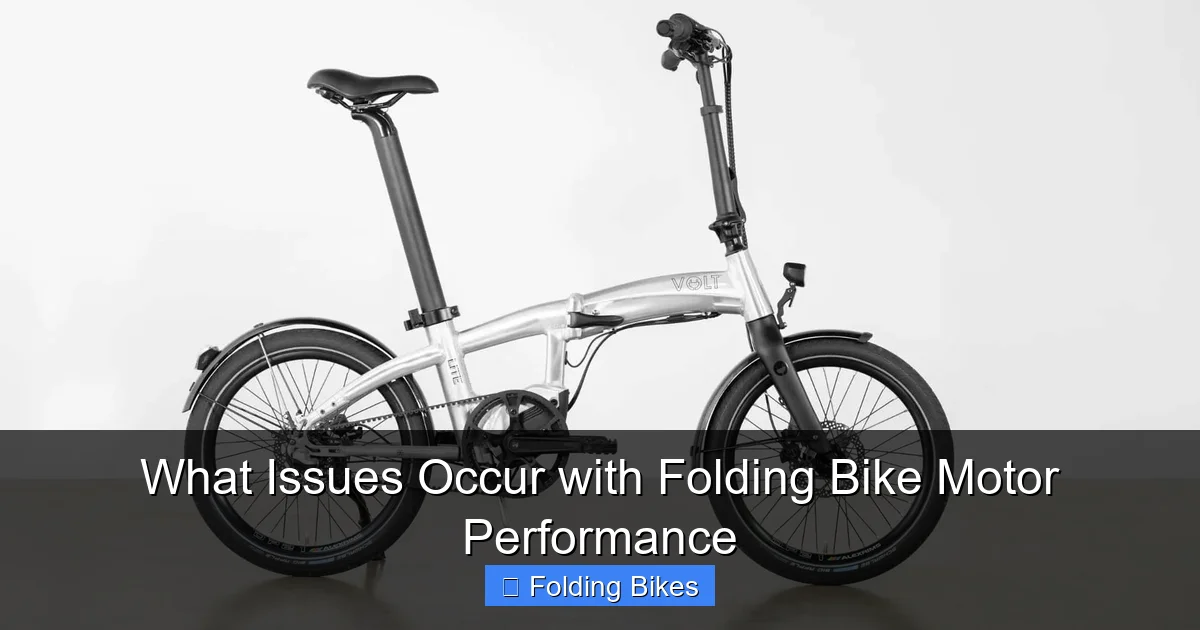
Visual guide about What Issues Occur with Folding Bike Motor Performance
Image source: cdn.motor1.com
1. Sudden Power Loss or Weak Assistance
If your motor cuts out or feels sluggish, it could be due to a drained battery, loose connections, or a faulty controller. Start by checking the battery level—many riders assume the battery is full when it’s actually low. Use the display panel to confirm charge status.
Next, inspect the wiring between the battery, motor, and controller. Vibration from riding can loosen connectors over time. Gently wiggle each connection while the bike is on to see if power flickers. If it does, disconnect and reconnect the cables securely.
Pro Tip: Carry a small multimeter to test voltage at key points. A healthy battery should read close to its rated voltage (e.g., 36V or 48V). If it drops significantly under load, the battery may be failing.
2. Motor Overheating
Overheating is a common issue, especially on long climbs or in hot weather. Folding bikes often have compact motors with limited cooling, making them prone to heat buildup. Signs include reduced power, automatic shutdowns, or a burning smell.
To prevent overheating, avoid sustained high-power use. Take breaks on steep inclines and let the motor cool. Never cover the motor with bags or accessories that block airflow.
If overheating persists, check for mechanical resistance. A misaligned wheel, tight brakes, or underinflated tires can force the motor to work harder. Use a quality electric bike pump to maintain proper tire pressure and reduce strain.
3. Intermittent or No Throttle Response
A sticky or unresponsive throttle can make riding dangerous. This is often caused by dirt, moisture, or wear in the throttle grip. Clean the throttle with a damp cloth and check for smooth rotation.
If cleaning doesn’t help, the internal potentiometer may be worn. Replacement throttles are inexpensive and easy to install. For pedal-assist systems, the issue might be the torque or cadence sensor. These sensors detect pedaling motion and signal the motor to engage.
To test the sensor, pedal slowly while watching the motor response. If it’s delayed or inconsistent, clean the sensor (usually near the bottom bracket) and ensure it’s properly aligned with the magnet ring on the crank.
4. Reduced Range and Battery Drain
If your bike doesn’t go as far as it used to, the battery may be degrading. Lithium-ion batteries lose capacity over time, especially if frequently drained to 0% or stored in extreme temperatures.
To extend battery life, avoid full discharges. Recharge when the battery hits 20–30%. Store the battery indoors at room temperature, and keep it at 50–70% charge if not riding for weeks.
Also, check for parasitic drain. Some bikes have lights or displays that stay on when the bike is off. Turn off all electronics when parked to preserve charge.
5. Strange Noises or Vibrations
Grinding, clicking, or whining sounds from the motor indicate mechanical issues. Loose gears, worn bearings, or debris in the motor housing can cause these noises.
First, inspect the motor casing for cracks or loose screws. Tighten any fasteners. If the noise continues, the internal gears may be damaged. Most folding bike motors are sealed units, so professional repair or replacement is usually required.
Vibrations can also stem from unbalanced wheels or loose spokes. Spin the wheels and check for wobbling. True the wheels or replace damaged spokes as needed.
Step-by-Step Troubleshooting Guide
When your folding e-bike motor acts up, follow this systematic approach to identify and fix the problem.
Step 1: Check the Battery
- Turn on the display and confirm charge level.
- Test voltage with a multimeter if possible.
- Recharge fully and test ride.
Step 2: Inspect Wiring and Connections
- Look for frayed wires, loose plugs, or corrosion.
- Disconnect and reconnect all motor and battery connectors.
- Ensure waterproof seals are intact.
Step 3: Test Throttle and Sensors
- Rotate the throttle smoothly—listen for clicks or resistance.
- Pedal slowly to test pedal-assist response.
- Clean sensors with isopropyl alcohol and a soft cloth.
Step 4: Monitor Motor Temperature
- Feel the motor after a 10-minute ride—it should be warm, not hot.
- Allow cooling breaks on long rides.
- Check for blocked airflow around the motor.
Step 5: Update Firmware
- Visit the manufacturer’s website for software updates.
- Use a compatible app or cable to install updates.
- Reset the system after updating.
Preventive Maintenance Tips
Regular care can prevent most motor issues before they start. Here’s how to keep your folding e-bike in top shape.
Clean Your Bike Weekly
Wipe down the motor, battery, and frame with a damp cloth. Avoid high-pressure water, which can damage seals. Dry thoroughly after cleaning.
Lubricate Moving Parts
Apply bike-specific lubricant to the chain, pivot points, and folding mechanisms. Wipe off excess to prevent dirt buildup.
Store Properly
Keep your bike in a dry, temperature-controlled space. Use a bike cover if storing outdoors. Remove the battery if storing for more than a month.
Use the Right Tools
Invest in a compact bike tool set for on-the-go adjustments. Include a tire lever, hex keys, and a chain tool.
When to Seek Professional Help
Some issues require expert attention. If you’ve tried troubleshooting and the problem persists, take your bike to a certified e-bike technician. This includes:
- Internal motor damage
- Controller failure
- Battery replacement
- Water damage to electronics
Attempting complex repairs without experience can void warranties or cause further damage. Always consult your manufacturer’s support team first.
Conclusion: Keep Your Folding E-Bike Running Strong
Folding bike motor performance issues are common but manageable with the right knowledge. By understanding causes like overheating, battery wear, and sensor problems, you can diagnose and fix most issues at home. Regular maintenance, proper storage, and timely updates go a long way in preventing breakdowns.
Remember, a well-cared-for motor lasts longer and delivers better performance. Whether you’re commuting daily or exploring on weekends, these tips will help you enjoy a smooth, reliable ride every time.



