
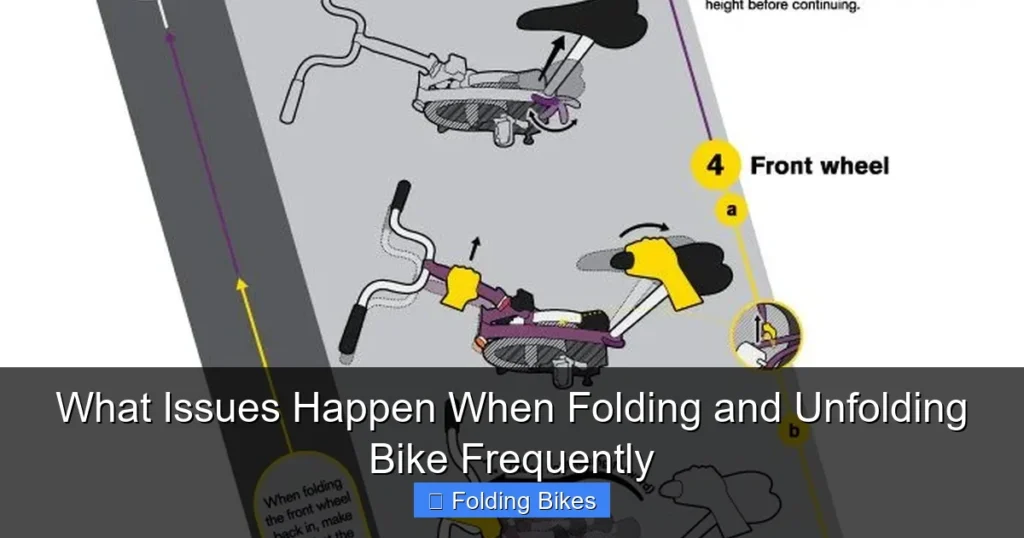
Folding and unfolding a bike frequently can lead to mechanical wear, alignment issues, and safety risks if not done properly. This guide explains the most common problems and how to avoid them with proper maintenance and technique.
Key Takeaways
- Hinge and latch wear: Repeated folding stresses hinges and latches, leading to loosening or failure over time.
- Frame misalignment: Improper folding can cause frame parts to shift, affecting ride stability and safety.
- Cable and brake damage: Folding can pinch or stretch brake and gear cables, reducing performance.
- Tire and wheel strain: Frequent compression may deform tires or misalign wheels, especially on compact models.
- Increased maintenance needs: Regular inspection and lubrication are essential to keep folding mechanisms smooth.
- Safety risks from loose parts: Worn latches or hinges can cause sudden unfolding during rides.
- Reduced lifespan: Without care, frequent folding shortens the bike’s overall durability and value.
What Issues Happen When Folding and Unfolding Bike Frequently
If you rely on a folding bike for daily commuting, travel, or storage in tight spaces, you probably fold and unfold it multiple times a week—or even multiple times a day. While folding bikes are designed for convenience, frequent use of the folding mechanism can introduce a range of mechanical and safety issues if not managed properly. Understanding these potential problems is the first step to keeping your bike safe, functional, and long-lasting.
In this guide, you’ll learn about the most common issues that arise from frequent folding and unfolding, how to spot them early, and—most importantly—how to prevent or fix them. We’ll walk you through step-by-step maintenance routines, practical tips, and troubleshooting advice to help you get the most out of your folding bike without compromising performance or safety.
Common Problems from Frequent Folding
Folding bikes are built with hinges, latches, and locking mechanisms that allow the frame to collapse. While these parts are engineered for repeated use, they’re not immune to wear and tear. Here are the top issues you may encounter:
1. Hinge and Latch Wear
The hinges and latches are the heart of any folding bike. Every time you fold or unfold, these components endure stress. Over time, the repeated motion can cause metal fatigue, loosening of bolts, or even cracking in the hinge joints.
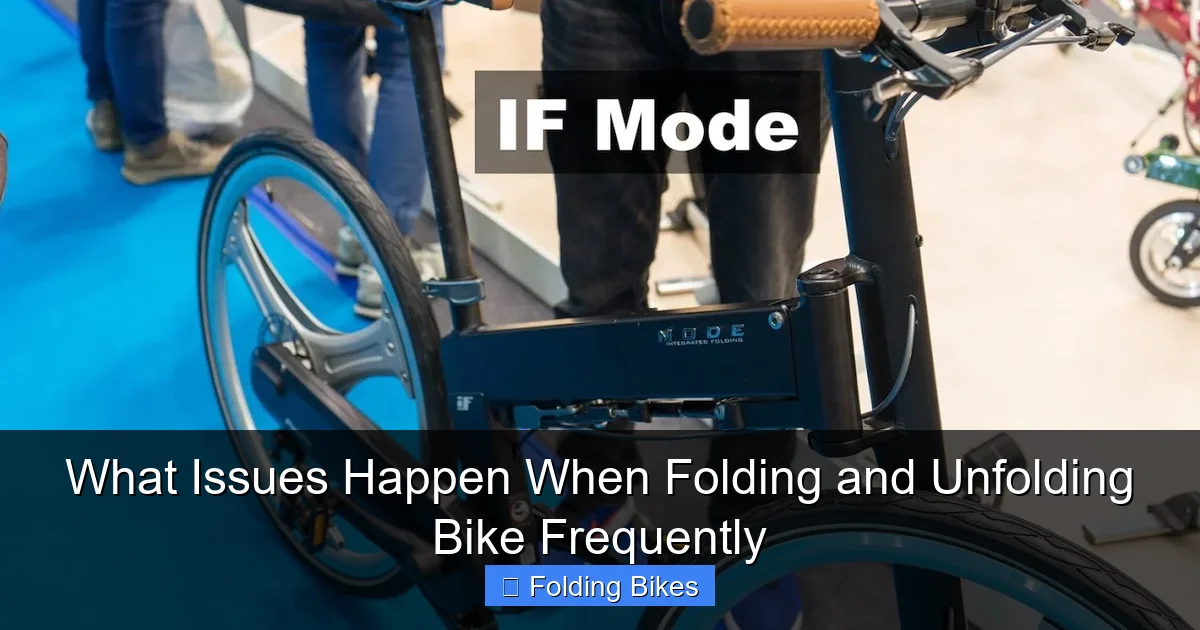
Visual guide about What Issues Happen When Folding and Unfolding Bike Frequently
Image source: i.ytimg.com
Signs of wear include:
- Squeaking or grinding noises during folding
- Loose or wobbly joints when the bike is unfolded
- Difficulty locking the frame securely
To prevent this, inspect hinges weekly. Tighten bolts with the correct tools and apply a light lubricant like bike-specific grease. Avoid forcing the mechanism—if it doesn’t fold smoothly, something is likely misaligned or damaged.
2. Frame Misalignment
Frequent folding can gradually shift frame components out of alignment. This happens when the folding action isn’t smooth or when the bike is folded unevenly. Misalignment affects ride quality, making the bike feel unstable or harder to control.
Check alignment by:
- Ensuring both wheels sit level when the bike is unfolded
- Looking for gaps or uneven spacing at the hinge points
- Testing steering—handlebars should turn smoothly without resistance
If you notice misalignment, consult your user manual or take the bike to a professional. Some models allow minor adjustments, but others may require specialized tools.
3. Cable and Brake Damage
Brake and gear cables run along the frame and can get pinched, stretched, or frayed during folding. This is especially common in bikes with internal cable routing that bends sharply at the hinge.
Warning signs include:
- Spongy or unresponsive brakes
- Gears that skip or won’t shift
- Visible kinks or wear on exposed cables
To protect cables, avoid over-tightening folds and ensure cables have enough slack. If damage occurs, replace cables promptly. For electric folding bikes, also check motor and battery connections, as these are sensitive to movement.
4. Tire and Wheel Strain
Some folding bikes compress the rear wheel against the frame or seat post when folded. Over time, this pressure can deform tires or cause wheel misalignment. Smaller wheels, common on folding bikes, are especially vulnerable.
Check for:
- Flat spots or bulges on tires
- Wobbling wheels when spinning
- Uneven tire wear
Rotate tires regularly and avoid storing the bike in a folded position for long periods. If you’re using your bike daily, consider upgrading to high-quality tires designed for durability. For recommendations, check out our guide on the best bike tires for speed and comfort.
5. Increased Maintenance Needs
Frequent folding means more moving parts in motion, which increases the need for regular maintenance. Dust, dirt, and moisture can accumulate in hinges and latches, accelerating wear.
Create a simple maintenance routine:
- Wipe down the frame and hinges after rainy rides
- Lubricate moving parts every 2–4 weeks
- Check tire pressure weekly—low pressure increases rolling resistance and strain
Keeping your bike clean and well-lubricated not only prevents issues but also extends its lifespan. For help with tire inflation, see our guide on the best folding bike pump.
How to Fold and Unfold Safely
Proper technique is key to minimizing wear. Follow these steps to protect your bike:
Step 1: Prepare the Bike
Before folding, shift into the smallest gear to reduce cable tension. Lower the seat post if your model allows it. Remove any heavy accessories like lights or bags to reduce strain on the frame.
Step 2: Follow the Manufacturer’s Sequence
Every folding bike has a specific folding order—usually detailed in the manual. Common steps include:
- Unlock the main hinge latch
- Fold the handlebars down or in
- Collapse the frame at the center hinge
- Secure the rear wheel or seat post in place
Never skip steps or force the bike into position. If something doesn’t move easily, stop and check for obstructions or misalignment.
Step 3: Secure All Latches
After folding, ensure every latch and lock is fully engaged. A loose latch can cause the bike to unfold unexpectedly—especially dangerous if it happens while riding.
Test the fold by gently shaking the bike. If it moves or creaks, recheck the locks.
Step 4: Store Properly
When not in use, store your folded bike in a dry, upright position. Avoid stacking heavy items on top, which can damage hinges or wheels. For travel tips, read our article on how to secure your bike when traveling.
Troubleshooting Common Issues
Even with care, problems can arise. Here’s how to fix the most frequent ones:
Squeaky or Stiff Hinges
Clean the hinge area with a dry cloth, then apply a drop of bike lubricant. Avoid WD-40—it attracts dirt. If stiffness persists, the hinge may need disassembly and regreasing.
Latches Won’t Lock
Check for dirt or debris in the latch mechanism. Clean with compressed air or a soft brush. If the latch is bent or worn, contact the manufacturer for a replacement part.
Bike Feels Unstable When Riding
This could be due to frame misalignment or loose bolts. Tighten all frame bolts and test ride in a safe area. If the issue continues, have a professional inspect the bike.
Cables Are Fraying
Replace damaged cables immediately. Use a bike pump and repair kit combo that includes cable cutters and housing for on-the-go fixes.
Prevention Tips for Long-Term Use
Prevention is always better than repair. Follow these best practices:
- Inspect weekly: Spend 5 minutes checking hinges, latches, and cables.
- Lubricate regularly: Use bike-specific lubricants on moving parts.
- Avoid over-folding: Don’t fold just to move the bike a few feet—only fold when necessary.
- Use a carrying case: Protects the bike during transport and reduces accidental damage.
- Follow the manual: Every model is different—stick to the recommended folding procedure.
Conclusion
Folding bikes offer unmatched convenience, but frequent folding and unfolding can lead to mechanical wear, safety risks, and reduced performance if not managed properly. By understanding the common issues—like hinge wear, cable damage, and frame misalignment—you can take proactive steps to protect your investment.
Regular maintenance, proper folding technique, and timely repairs are essential. With a little care, your folding bike can remain safe, smooth, and reliable for years of daily use. Remember: a well-maintained folding bike isn’t just convenient—it’s safe.



