
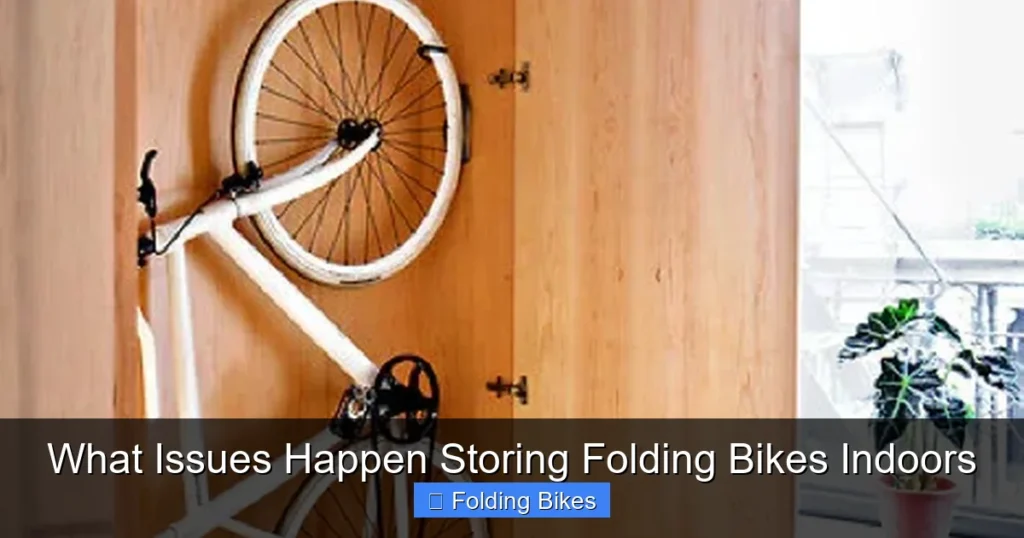
Storing folding bikes indoors can cause problems like rust, tire damage, clutter, and component wear if not done properly. This guide covers the most common indoor storage issues and how to avoid them, helping you keep your bike in top shape year-round.
Storing your folding bike indoors seems like the safest option—after all, it’s protected from rain, snow, and thieves. But even inside your home, garage, or apartment, your compact ride can face a surprising number of issues. From rust and tire damage to clutter and mechanical wear, indoor storage comes with its own set of challenges. The good news? Most of these problems are preventable with the right habits and tools.
In this guide, we’ll walk you through the most common issues that happen when storing folding bikes indoors. You’ll learn how to spot potential problems early, what storage methods work best, and how to maintain your bike so it’s always ready to roll. Whether you live in a small apartment or a house with a garage, these tips will help you protect your investment and keep your folding bike in peak condition.
Key Takeaways
- Moisture buildup can lead to rust and corrosion on metal parts, especially in damp garages or basements.
- Improper tire storage causes flat spots or dry rot when bikes sit unused for long periods.
- Clutter and poor organization increase tripping hazards and make it hard to access your bike quickly.
- Folding mechanisms may seize or wear out if not maintained and stored correctly.
- Indoor pollutants like dust and chemicals can damage paint, rubber, and electronic components over time.
- Using the right storage tools—like wall mounts or stands—can prevent damage and save space.
- Regular maintenance before and after storage extends your bike’s lifespan and ensures safe rides.
1. Moisture and Humidity Cause Rust and Corrosion
One of the biggest threats to indoor-stored folding bikes is moisture. Even if your home feels dry, areas like basements, garages, and laundry rooms often have higher humidity levels. Over time, this moisture can lead to rust on chains, bolts, and other metal components.
Why It Happens
Folding bikes have many small metal parts—hinges, bolts, and folding joints—that are prone to corrosion when exposed to damp air. Unlike full-sized bikes, folding models often have more complex mechanisms that trap moisture, making them especially vulnerable.
How to Prevent It
- Store your bike in a dry, climate-controlled area whenever possible. Avoid garages or sheds without insulation.
- Use a dehumidifier in storage spaces, especially during humid seasons.
- Wipe down your bike after every ride, especially if you’ve been in wet conditions. A quick dry with a microfiber cloth can prevent water from settling into crevices.
- Apply a light coat of bike-specific lubricant to the chain and hinges every few weeks. This creates a protective barrier against moisture.
Pro Tip
If you must store your bike in a damp area, consider using a breathable bike cover. Avoid plastic bags—they trap moisture and can actually increase rust risk.
2. Tire Damage from Prolonged Pressure or Flat Spots
Visual guide about What Issues Happen Storing Folding Bikes Indoors
Image source: media.polygonbikes.com
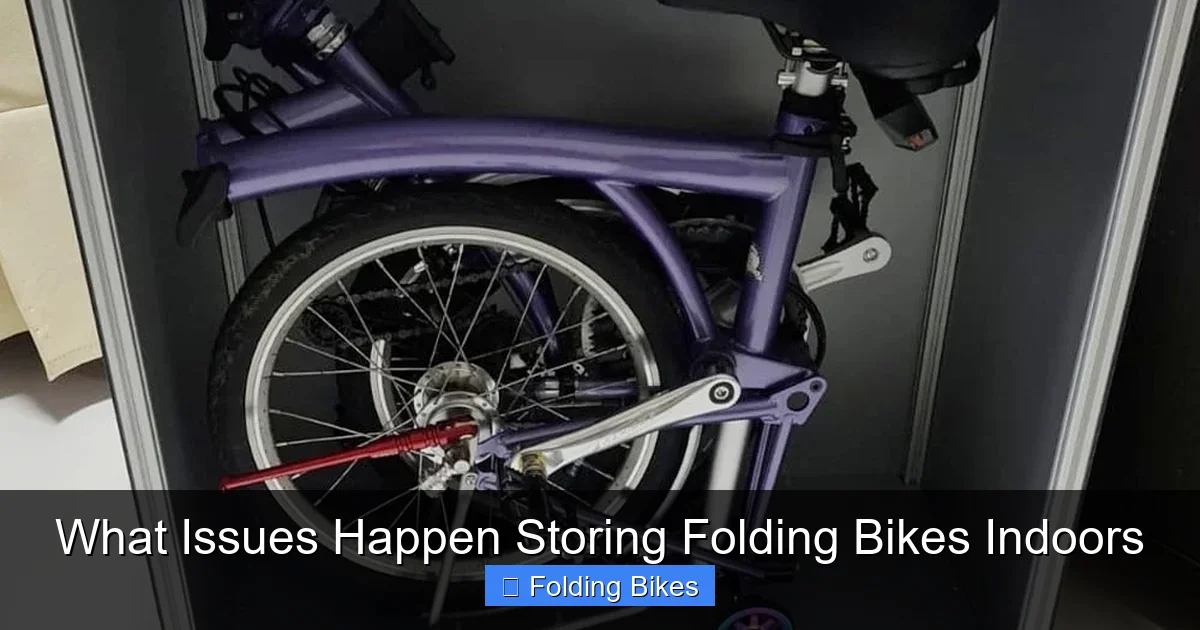
Leaving your folding bike folded and stationary for weeks or months can damage the tires. Rubber can develop flat spots or dry rot, especially if the bike is stored in a tight space where tires press against walls or other objects.
Why It Happens
Tires are made of rubber compounds that degrade over time, especially when exposed to heat, cold, or constant pressure. Folding bikes often have smaller wheels, which are more susceptible to deformation when left under load.
How to Prevent It
- Store your bike with tires slightly inflated—just above the recommended pressure. This helps maintain shape and prevents flat spots.
- Use a bike stand or wall mount to keep the bike upright and off the ground. This reduces pressure on the tires.
- Rotate the bike occasionally if it’s stored for long periods. Simply turning it a few degrees can shift pressure points.
- Check tire condition every month. Look for cracks, bulges, or dry rot. Replace tires every 3–5 years, even if they look fine.
Pro Tip
For long-term storage (3+ months), consider removing the wheels and storing them separately. This takes up more space but greatly reduces tire stress.
3. Clutter and Poor Organization Create Safety Hazards
Folding bikes are designed to save space, but if not stored properly, they can become part of the problem. Leaning a folded bike against a wall or tossing it in a corner can lead to tripping, scratches, or even damage to the frame.
Why It Happens
Many people assume that because a folding bike is compact, it can be stored anywhere. But without a dedicated spot, it often ends up in high-traffic areas, blocking walkways or getting knocked over.
How to Prevent It
- Use a wall-mounted rack or vertical stand designed for folding bikes. These keep the bike secure and off the floor.
- Designate a specific storage zone in your home, garage, or balcony. Use floor markers or shelves to keep things tidy.
- Fold and store accessories together—like helmets, lights, and locks—in a nearby bin or hook. This prevents clutter and ensures everything is ready to go.
- Consider under-stair or closet storage if space is tight. Many folding bikes fit neatly in shallow closets when properly folded.
Pro Tip
Look for multi-bike racks if you own more than one folding bike. Some models can hold two or three bikes vertically, maximizing space efficiency.
4. Folding Mechanisms Can Seize or Wear Out
The hinges, latches, and locking mechanisms on folding bikes are engineering marvels—but they need regular care. If stored without maintenance, these parts can stiffen, seize, or fail when you need them most.
Why It Happens
Dirt, dust, and lack of lubrication can cause folding joints to become stiff or corroded. Over time, this leads to difficulty folding or unfolding the bike, and in worst cases, mechanical failure.
How to Prevent It
- Lubricate hinges and latches monthly with a light bike oil or silicone spray. Avoid heavy greases that attract dust.
- Clean folding joints regularly with a soft brush and mild soap. Remove dirt and grime that can interfere with movement.
- Test the folding action weekly, even if you’re not riding. This keeps mechanisms loose and functional.
- Check for loose bolts or worn parts during routine inspections. Tighten or replace as needed.
Pro Tip
If a hinge feels stiff, don’t force it. Apply a drop of lubricant and gently work the mechanism back and forth. Forcing it can damage the frame.
5. Indoor Pollutants Harm Paint and Components
Your home might feel clean, but indoor air contains dust, pet dander, cleaning chemicals, and even off-gassing from furniture or paint. Over time, these pollutants can dull your bike’s finish, degrade rubber parts, and affect electronic components on e-folding bikes.
Why It Happens
Dust settles on surfaces and can scratch paint if not cleaned properly. Chemical fumes from cleaning products or stored items (like paint or solvents) can react with rubber and plastic parts, causing them to crack or degrade.
How to Prevent It
- Store your bike away from chemical storage areas like garages with paint, gasoline, or cleaning supplies.
- Wipe down the frame and components monthly with a damp cloth and mild bike cleaner. Avoid harsh household cleaners.
- Use a bike cover if storing in a dusty area like a garage or attic.
- For e-folding bikes, protect the battery and motor from extreme temperatures and moisture. Store in a cool, dry place.
Pro Tip
If you have an electric folding bike, remove the battery during long-term storage and store it at 50–70% charge in a cool, dry place. This extends battery life.
6. Lack of Regular Maintenance Leads to Performance Issues
Even when stored indoors, folding bikes need regular upkeep. Neglecting maintenance can lead to poor shifting, brake issues, or even safety hazards when you finally take your bike out for a ride.
Why It Happens
Bikes that sit unused for long periods can develop problems like stiff cables, dried-out brake pads, or misaligned components. Without regular checks, these issues go unnoticed until it’s too late.
How to Prevent It
- Perform a quick monthly check: test brakes, gears, and folding mechanisms.
- Lubricate the chain and drivetrain every 4–6 weeks, even if not riding regularly.
- Inflate tires to proper pressure before each use. Use a reliable pump like the best folding bike pump for convenience.
- Inspect cables and housings for fraying or rust. Replace if needed.
Pro Tip
Keep a small maintenance kit with you—chain lube, tire levers, and a multi-tool—so you can address minor issues on the go.
Troubleshooting Common Storage Problems
Even with the best practices, issues can still arise. Here’s how to handle them:
- Bike won’t fold smoothly? Check for dirt in hinges or lack of lubrication. Clean and oil the joints.
- Tires have flat spots? Inflate to proper pressure and ride gently for 10–15 minutes. If the spot remains, consider replacing the tire.
- Rust on the chain? Use a chain cleaner tool and degreaser, then apply fresh lubricant. For severe rust, replace the chain.
- Bike takes up too much space? Invest in a wall mount or under-desk rack. Some models fold even smaller than others—check out the best folding mountain bikes for bikepacking for compact options.
Conclusion
Storing your folding bike indoors protects it from the elements, but it’s not a “set it and forget it” solution. Moisture, tire damage, clutter, and lack of maintenance can all take a toll on your bike over time. By following the tips in this guide—choosing the right storage spot, using proper tools, and performing regular upkeep—you can avoid these common issues and keep your folding bike ready for every adventure.
Remember, a little care goes a long way. Whether you’re commuting daily or storing your bike between trips, treating it well ensures it will perform reliably for years to come. And if you’re looking for gear to make storage easier, check out our guide on the best floor pumps for bikes to keep your tires in top shape.
With the right approach, indoor storage can be a safe, convenient, and smart choice for your folding bike.



