
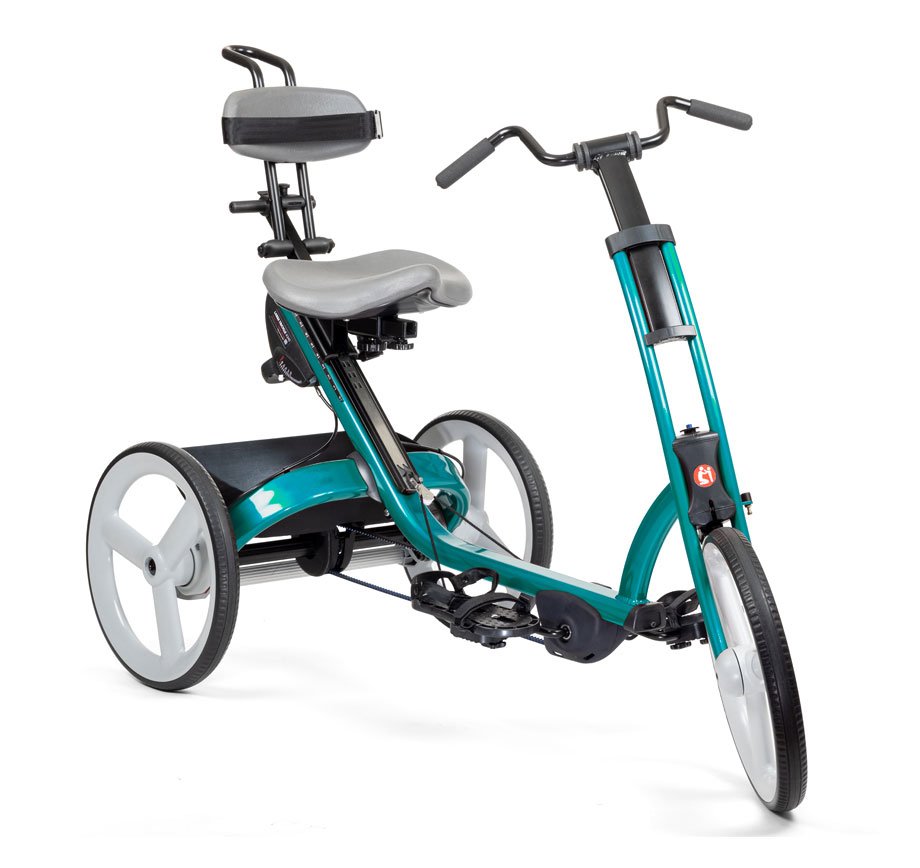
Have you ever wondered how long an adaptive trike can last? If you rely on one or are thinking about getting one, knowing its lifespan is important for your safety and budget.
You want to make sure your investment serves you well without unexpected breakdowns or costly repairs. You’ll discover the key factors that affect how long an adaptive trike stays reliable. By the end, you’ll have a clear idea of what to expect and how to keep your trike in top shape for years to come.
Keep reading to protect your ride and enjoy every journey with confidence.

Credit: www.rifton.com
Factors Affecting Adaptive Trike Lifespan
The lifespan of an adaptive trike depends on many factors. These factors affect how long the trike stays safe and functional.
Understanding these factors helps users care for their trikes better. It also helps in choosing the right trike for long use.
Material Quality
The quality of materials used in an adaptive trike is very important. Strong metals and durable plastics last longer and resist damage.
Cheap or weak materials wear out faster. They may break or rust, which shortens the trike’s life.
- High-grade aluminum or steel frames resist rust and bending
- Quality plastics resist cracking and UV damage
- Good tires and wheels reduce wear and tear
Usage Frequency
How often you use your adaptive trike affects how fast it wears out. Frequent use causes more wear on parts like tires and brakes.
Less frequent use may keep the trike in better shape longer. But sitting unused for too long can also cause problems.
- Daily use increases wear on moving parts
- Occasional use reduces immediate wear but needs regular checks
- Storage conditions matter during long breaks
Maintenance Practices
Good maintenance helps extend the lifespan of an adaptive trike. Regular cleaning and lubrication keep parts moving smoothly.
Ignoring repairs or cleaning can lead to rust, broken parts, and unsafe conditions. Timely maintenance prevents these issues.
- Check tires for wear and proper inflation
- Clean and lubricate chains and moving parts
- Tighten bolts and check brakes regularly
- Fix small damages before they worsen
Environmental Conditions
The environment where you use and store your adaptive trike matters. Harsh weather can damage the trike faster.
Rain, snow, and strong sunlight cause rust, fading, and material breakdown. Indoor storage protects the trike from these effects.
- Wet conditions increase rust risk
- Strong sun can fade colors and weaken plastics
- Cold temperatures may make materials brittle
- Indoor storage helps keep the trike safe

Credit: viribusbikes.com
Common Wear And Tear Components
An adaptive trike faces daily use that causes parts to wear out. Knowing which parts wear down helps in maintenance.
Regular checks on these components keep the trike safe and comfortable for riders.
Tires And Wheels
Tires and wheels wear out from friction and impacts on roads. Tires lose tread and may develop cracks or flats. Wheels can bend or have loose spokes.
- Check tire pressure regularly to avoid damage.
- Look for worn tread or dry rot on tires.
- Inspect wheels for dents or bent rims.
- Replace tires every 1 to 3 years based on use.
Brakes And Cables
Brakes and cables wear out because they face constant movement and tension. Cables can fray or stretch, reducing brake power. Brake pads wear thin and need replacing.
| Component | Signs of Wear | Replacement Time |
| Brake Pads | Thin or cracked pads | Every 6 to 12 months |
| Brake Cables | Fraying or stiff cables | 1 to 2 years |
| Brake Levers | Loose or sticky levers | Check yearly |
Frame And Joints
The frame and joints support the whole trike. Cracks, rust, or loose joints can cause safety issues. Regular cleaning and inspection help extend lifespan.
Tips for frame care:
- Keep frame clean and dry.
- Check welds for cracks.
- Tighten all bolts and screws regularly.
- Apply rust protection if needed.
Seat And Harness
Seats and harnesses wear from constant use and weather exposure. Padding can flatten and straps can fray or lose strength.
- Inspect harness straps for tears or loose stitching.
- Replace seat padding if it becomes too soft or broken.
- Clean fabric parts to prevent mold and wear.
- Check buckles and fasteners for proper function.
Signs Of Trike Aging
Adaptive trikes offer comfort and support for riders with special needs. Over time, trikes show signs of aging. Recognizing these signs helps keep the trike in good condition.
Wear and tear affect the trike’s performance, appearance, and safety. Watching for these changes can prevent accidents and costly repairs.
Performance Decline
Older adaptive trikes may not ride as smoothly as before. You might notice stiffness in the pedals or difficulty steering. Brakes may take longer to respond, which can be dangerous.
- Slower or uneven pedaling
- Loose or stiff steering
- Brakes that feel weak or delayed
- Unusual noises during use
Visible Damage
| Type of Damage | Common Signs | Possible Causes |
|---|---|---|
| Frame | Cracks, dents, rust spots | Falls, heavy use, exposure to weather |
| Wheels | Wobbly rims, worn tires, bent spokes | Rough terrain, long use, poor maintenance |
| Seat and Straps | Torn fabric, loose stitching, fading | Sun exposure, frequent use, moisture |
Safety Concerns
Safety is the top priority with an adaptive trike. Aging parts can increase the risk of accidents. Check all components regularly to stay safe.
- Test brakes before each ride.
- Inspect frame for cracks or rust.
- Ensure tires are fully inflated and free of damage.
- Check seat belts and harnesses for wear.
- Listen for unusual sounds while riding.
Maintenance Tips To Extend Lifespan
Adaptive trikes need care to last long and work well. Simple maintenance can keep them safe and comfortable.
Follow these tips to protect your investment and enjoy smooth rides for years.
Regular Cleaning
Keep your adaptive trike clean to stop dirt and grime from causing damage. Wipe down the frame, wheels, and seat often.
- Use a soft cloth with mild soap and water
- Clean chain and gears to prevent rust
- Dry all parts completely after washing
- Avoid harsh chemicals that may harm surfaces
Routine Inspections
Check your trike regularly to find problems early. Look at tires, brakes, and moving parts before each ride.
| Part | What to Check |
| Tires | Pressure and wear |
| Brakes | Response and pad condition |
| Chain | Lubrication and tension |
| Frame | Cracks or rust |
Timely Repairs
Fix any issues as soon as you notice them. Small repairs stop bigger problems and keep your trike safe.
- Replace worn brake pads
- Tighten loose bolts and screws
- Repair or replace damaged tires
- Lubricate moving parts regularly
Proper Storage
Store your adaptive trike in a dry, covered place. Avoid places with high heat or moisture.
| Storage Condition | Reason |
|---|---|
| Indoor | Protects from weather damage |
| Dry area | Prevents rust and mold |
| Off the ground | Prevents tire flat spots |
When To Replace Your Adaptive Trike
Adaptive trikes are made to last for a long time. Still, knowing when to replace your trike is important. This helps keep you safe and comfortable.
Signs like frequent breakdowns or outdated parts mean it might be time for a new trike. Let’s look at how to decide.
Assessing Repair Costs
Check how much it costs to fix your trike. Small repairs are normal, but big repairs add up. If repair costs are high, replacing might be better.
- Compare repair costs to the price of a new trike
- Consider if parts are hard to find
- Think about how often repairs are needed
Upgrading For Better Features
New adaptive trikes often have improved features. These can make riding easier and safer. Upgrading can be a good reason to replace your old trike.
- Look for better comfort and support
- Check for lighter or stronger materials
- See if new safety features are available
Manufacturer’s Recommendations
Manufacturers give guidelines on how long a trike should last. Follow these to keep safe and avoid problems. Replace the trike if it passes this time.
- Read the user manual for lifespan info
- Follow suggested checkup schedules
- Contact the manufacturer for advice

Credit: viribusbikes.com
Choosing Durable Adaptive Trikes
Adaptive trikes help many people enjoy outdoor activities. Choosing a durable model ensures it lasts longer and stays safe.
Durability depends on the brand, materials, and what users say about the product. This guide covers these points.
Top Brands And Models
Some brands focus on quality and long-lasting parts. Popular models often come with good warranties and support.
- Sun Bicycles: Known for strong frames and smooth rides.
- HP Velotechnik: Offers high-end adaptive trikes with durable designs.
- Worksman Cycles: Provides heavy-duty models for rough use.
- ICE Trikes: Popular for stability and solid build quality.
Material And Build Quality
Materials affect how well the trike holds up over time. Steel frames are strong but heavy. Aluminum is lighter and resists rust.
| Material | Advantages | Disadvantages |
| Steel | Very strong, durable | Heavy, can rust |
| Aluminum | Lightweight, rust-resistant | Can bend under heavy stress |
| Carbon Fiber | Very light, strong | Expensive, less impact resistant |
User Reviews And Feedback
User feedback shows how trikes perform in real life. Many highlight comfort, strength, and how long parts last.
- Long-lasting tires and seats are a common praise.
- Some users report frame scratches but no breaks.
- Ease of repairs adds to the lifespan.
- Good customer service helps fix issues fast.
Frequently Asked Questions
How Long Does An Adaptive Trike Usually Last?
An adaptive trike typically lasts 5 to 10 years with proper care. Regular maintenance and quality parts extend its lifespan. Usage frequency and storage conditions also impact durability. Investing in good components ensures longer performance and safety over time.
What Factors Affect Adaptive Trike Lifespan?
Key factors include build quality, maintenance, and frequency of use. Weather exposure and storage conditions also play a role. Regular inspections and timely repairs prevent wear and tear. Choosing a reputable brand improves overall durability and user satisfaction.
How To Maintain An Adaptive Trike For Longevity?
Clean your adaptive trike regularly to remove dirt and debris. Lubricate moving parts like chains and gears every month. Check tires and brakes frequently for wear. Store it in a dry, sheltered place to avoid rust and damage.
When Should You Replace Adaptive Trike Parts?
Replace worn tires, brake pads, and chains promptly for safety. Inspect the frame and joints for cracks or rust periodically. Parts typically need replacement every 1-3 years depending on use. Timely replacements ensure optimal performance and extended trike lifespan.
Conclusion
Adaptive trikes offer years of reliable use with proper care. Regular maintenance and safe storage extend their lifespan significantly. Look for durable materials and sturdy construction when choosing a trike. It’s important to follow the manufacturer’s guidelines for maintenance. This ensures the trike stays in good condition.
A well-maintained trike can bring joy and mobility for many years. Enjoy the benefits of cycling with confidence and peace of mind. Remember, investing in quality pays off in the long run. Keep pedaling and enjoy every ride.



