
Are you curious about the difference between a velomobile and a trike? If you’ve been exploring unique ways to ride, this question might be on your mind.
Both offer exciting alternatives to traditional bikes, but they are not the same. Understanding what sets them apart can help you decide which one fits your style, comfort, and needs best. Keep reading, and you’ll discover key features that make each of these rides special—and why one might be the perfect match for you.
Credit: www.pixelandtimber.com
Velomobile Basics
Velomobiles and trikes both have three wheels but look very different. They are human-powered vehicles that offer fun and efficient riding.
Understanding their design and use helps you choose the right one for your needs. Let’s explore the key differences in detail.
Design And Structure
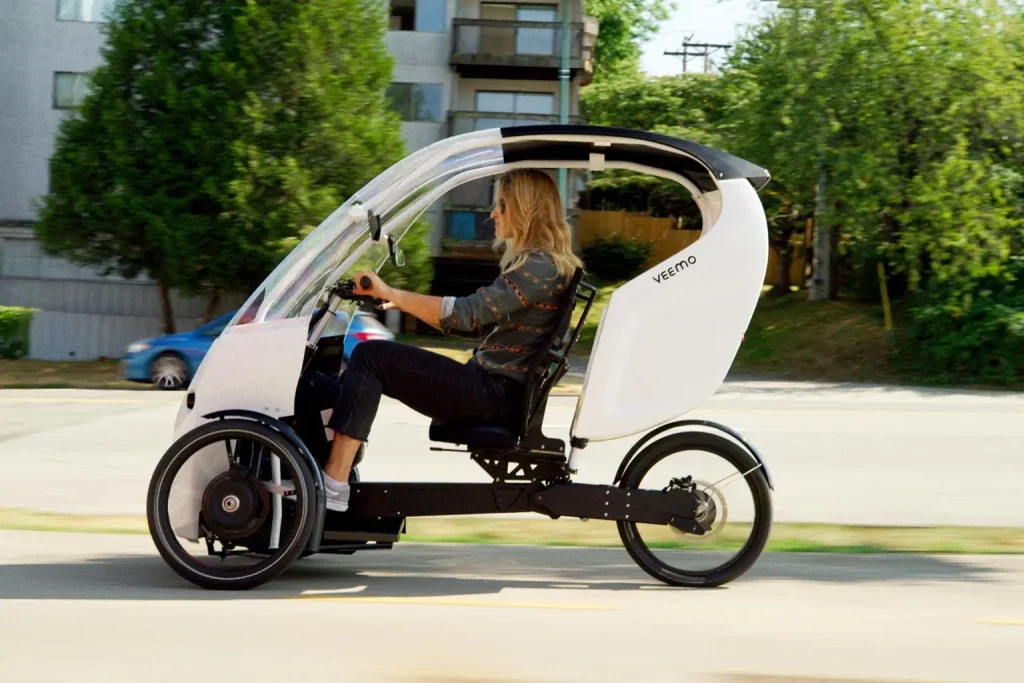
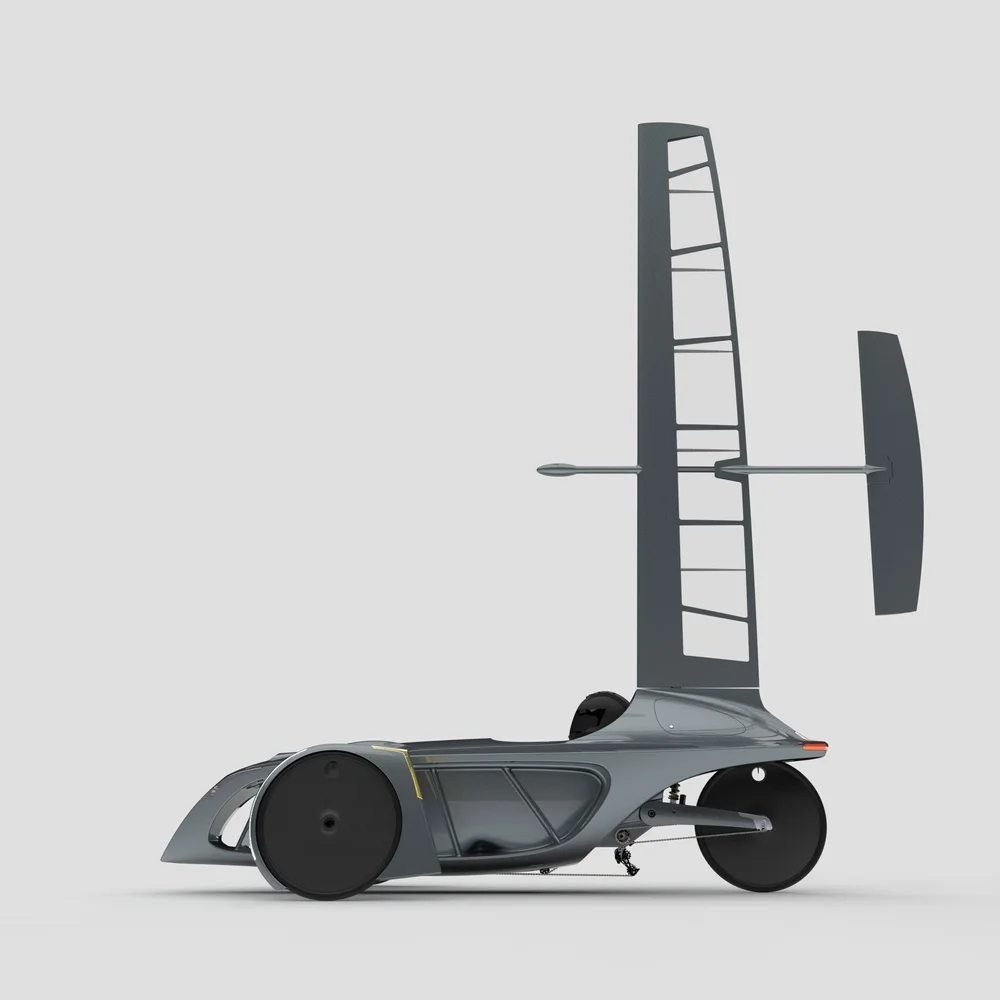
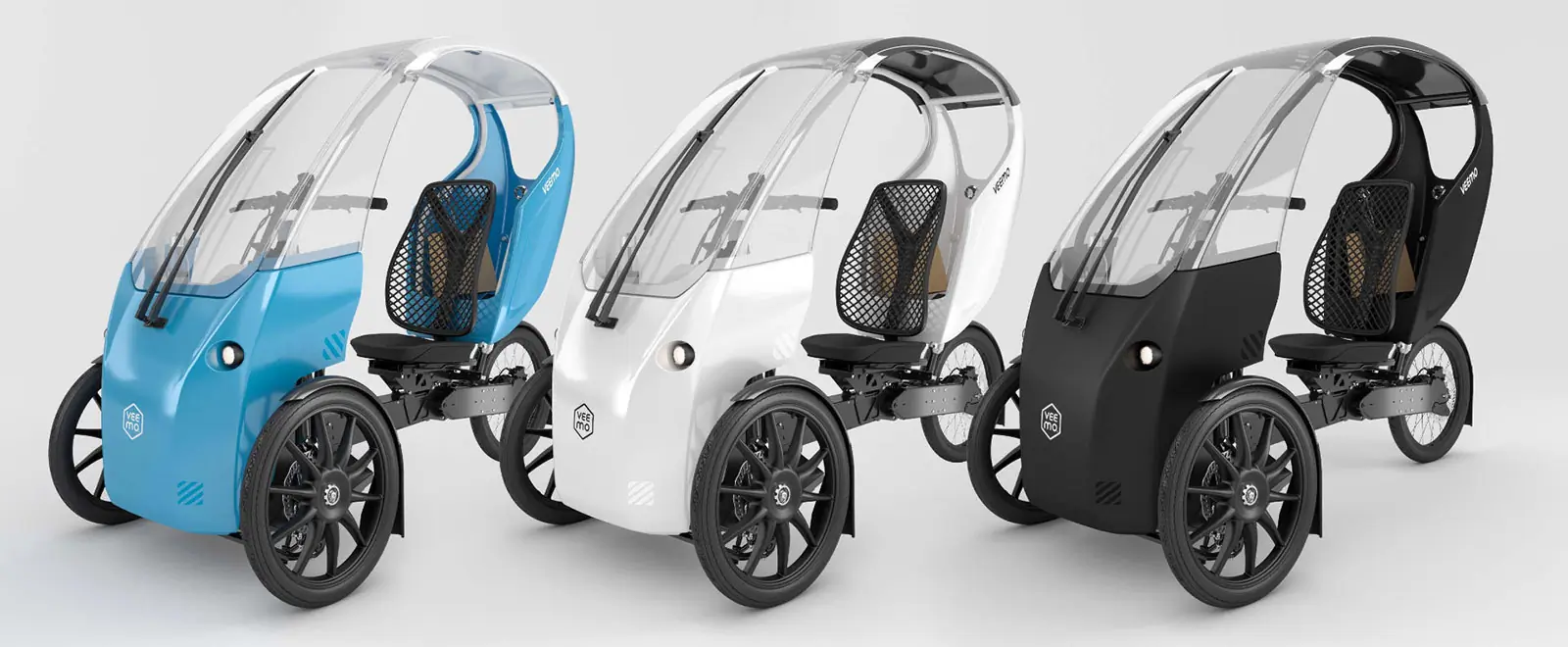
Velomobiles have a full outer shell that covers the rider and wheels. This shell is usually made of lightweight materials like fiberglass. It protects from wind and rain.
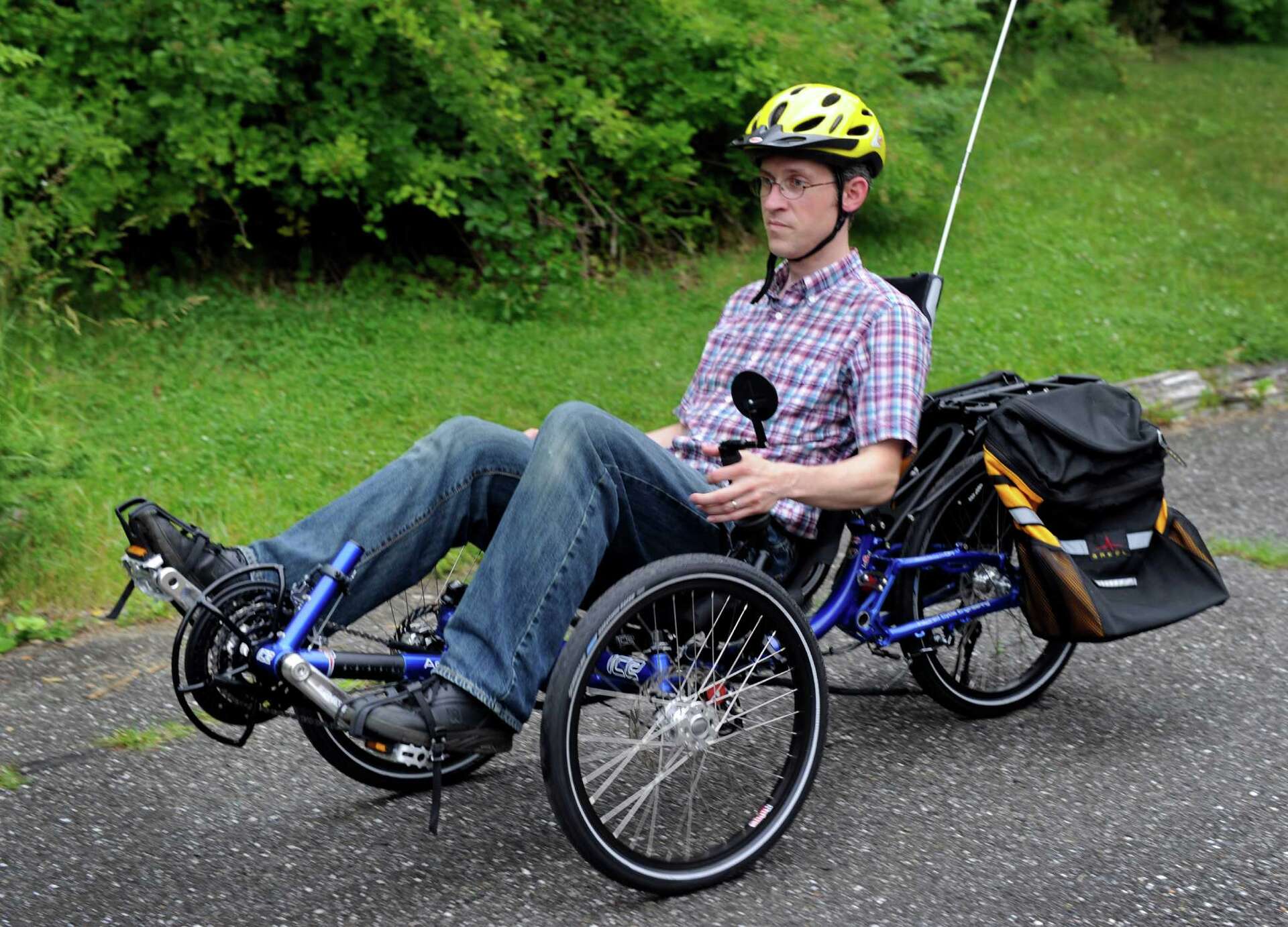
Trikes have an open frame with three wheels but no covering. Riders sit exposed to the environment, similar to a bicycle but with three points of contact on the ground.
- Velomobile: Enclosed body, aerodynamic shape
- Trike: Open frame, simple design
- Velomobile: Usually heavier due to shell
- Trike: Lighter and easier to maintain
Typical Uses
Velomobiles are great for longer rides and commuting in all weather. The shell offers protection and improves speed.
Trikes are good for casual riding and short trips. They are easier to get on and off and often used for recreation.
| Vehicle | Common Use |
| Velomobile | Commuting, long-distance riding |
| Trike | Leisure, short rides, exercise |
Performance Features
Velomobiles offer better aerodynamics because of their shell. This makes them faster on flat roads and in windy conditions.
Trikes are more stable at low speeds and easier to handle. They can be lighter and simpler to repair.
- Velomobile: Higher top speed, weather protection
- Trike: Better low-speed stability, easier maintenance
- Velomobile: More complex and heavier
- Trike: Simpler design, more open feel
Trike Essentials
Trikes and velomobiles are types of three-wheeled cycles. They both offer unique riding experiences. This guide focuses on trikes and their key features.
Understanding trike design, uses, and how they handle helps riders choose the right vehicle. Below are important details about trikes.
Frame And Build
Trikes have a strong frame made from steel or aluminum. They usually have two wheels at the back and one at the front. This setup supports more weight and provides stability.
- Frames are often low to the ground for better balance.
- Some trikes fold for easier storage and transport.
- Many have a comfortable seat with back support.
Common Applications
| Use | Description |
|---|---|
| Commuting | Trikes offer a stable ride for daily travel to work or school. |
| Recreation | Many riders use trikes for fun and exercise on bike paths. |
| Transport | Some trikes carry cargo or groceries with attached baskets. |
| Accessibility | Trikes help people with balance issues enjoy cycling safely. |
Handling And Stability
Trikes handle differently than two-wheeled bikes. They stay upright when stopped or moving slowly. This is a big help for riders who want stability.
- Turning requires a wider path compared to regular bikes.
- Some trikes use leaning technology to improve cornering.
- Braking is stable, but riders must avoid sharp turns at high speed.
Comparing Velomobiles And Trikes
Velomobiles and trikes are both types of three-wheeled vehicles. They offer unique riding experiences and benefits. Knowing their differences helps you choose the right one.
This guide compares velomobiles and trikes in four important areas. You will learn how they differ in aerodynamics, comfort, maneuverability, and safety.
Aerodynamics And Speed
Velomobiles are covered with a shell that reduces air resistance. This design helps them move faster with less effort. Trikes are open and have more wind drag, so they are usually slower.
The streamlined shape of a velomobile allows better speed on flat roads. Trikes have a bulkier frame, which slows them down in windy conditions.
- Velomobiles have aerodynamic shells
- Trikes are open and catch more wind
- Velomobiles reach higher speeds easily
- Trikes offer slower but steady riding
Comfort And Protection
Velomobiles offer better protection from weather. The shell keeps rain, wind, and cold out. Trikes expose the rider to the elements, making them less comfortable in bad weather.
Trikes usually have a more open seating position. This helps with ventilation on hot days but offers less shelter overall.
- Velomobiles shield riders from rain and wind
- Trikes have open seats with no cover
- Velomobiles can feel warmer in cold weather
- Trikes allow fresh air but less protection
Maneuverability Differences
Trikes often turn more sharply and feel easier to control at low speeds. Their open design helps the rider balance and see around better. Velomobiles are longer and heavier, making tight turns harder.
Velomobiles need more space to make turns. They are better suited for straight roads and longer rides.
- Trikes have better low-speed turning
- Velomobiles need wider space to turn
- Trikes offer good visibility and balance
- Velomobiles are stable at high speeds
Safety Aspects
Velomobiles provide better crash protection due to their shell. This can reduce injuries in accidents. Trikes offer less physical protection but can be easier to stop and control.
Both vehicles have three wheels, which give them more stability than bikes. Riders should always wear helmets and use lights for safety.
- Velomobiles have a protective outer shell
- Trikes are open and offer less crash protection
- Both are more stable than regular bikes
- Helmets and lights improve safety for all riders
Credit: www.newstimes.com
Cost And Maintenance
Choosing between a velomobile and a trike involves thinking about cost and upkeep. Both have different price points and maintenance needs.
This guide looks at initial investment, upkeep, and how long each lasts. It helps you understand the real costs over time.
Initial Investment
Velomobiles tend to cost more upfront. Their aerodynamic shells and special parts raise the price. Trikes are simpler and usually cheaper.
- Velomobile prices often start higher due to design and materials.
- Trikes have a wider price range depending on features.
- Custom velomobiles can cost much more than basic trikes.
Upkeep Requirements
Maintenance needs differ between the two. Velomobiles need care for their shell and special parts. Trikes have simpler mechanics to maintain.
| Aspect | Velomobile | Trike |
| Body Care | Needs regular cleaning and shell repairs | Simple frame cleaning, no shell repairs |
| Mechanical Parts | Standard bike parts, plus special components | Standard bike parts, easier to access |
| Repairs | Often costlier due to unique parts | Generally cheaper and easier |
Longevity
Both can last many years with good care. The velomobile’s shell may need replacement after some time. Trikes usually last longer with less shell damage risk.
- Velomobiles require careful storage to protect the shell.
- Trikes are tougher and less prone to damage from crashes.
- Regular maintenance extends life for both types.
Choosing Between A Velomobile And A Trike
Velomobiles and trikes are both popular types of three-wheeled human-powered vehicles. They offer unique benefits and fit different needs. Choosing the right one depends on your lifestyle, environment, and budget.
Understanding the differences can help you pick the best option for your daily use and preferences.
Lifestyle Considerations
Velomobiles provide more protection from wind and rain. They have an aerodynamic shell, which makes riding faster on flat roads.
Trikes are easier to get on and off. They offer a more open feel and can be better for casual rides or exercise.
- Velomobiles suit riders who travel longer distances.
- Trikes fit those who prefer short rides or easy access.
- Velomobiles offer more speed and weather protection.
- Trikes are simpler and often lighter.
Environmental Factors
Velomobiles work best on smooth, paved roads. Their low profile helps in windy conditions but can be tricky on rough surfaces.
Trikes handle rougher terrain better. Their open design lets you see and react quickly to obstacles.
- Choose a velomobile for city streets and bike lanes.
- Pick a trike for mixed surfaces and uneven paths.
- Consider local weather patterns for comfort.
- Storage space matters; velomobiles need more room.
Budget Constraints
Velomobiles are usually more expensive due to their complex design and materials. They may require more upkeep.
Trikes tend to cost less and have simpler parts. Maintenance is often easier and cheaper.
- Velomobiles need a bigger initial investment.
- Trikes offer a budget-friendly option.
- Consider repair and replacement costs.
- Think about long-term savings on fuel or transport.
Credit: gearjunkie.com
Frequently Asked Questions
What Is A Velomobile?
A velomobile is a human-powered vehicle with a full aerodynamic shell. It offers weather protection and improves speed. Velomobiles typically have three wheels and are designed for commuting and long-distance travel.
How Does A Trike Differ From A Velomobile?
A trike is a three-wheeled cycle without a full aerodynamic shell. It lacks weather protection but provides stability and easy handling. Trikes are often used for recreation and short trips.
Are Velomobiles Faster Than Trikes?
Yes, velomobiles are generally faster due to their aerodynamic design. The enclosed shell reduces air resistance. Trikes have more drag and thus lower top speeds.
Which Is Safer: Velomobile Or Trike?
Trikes offer better stability at low speeds and while stopping. Velomobiles provide better protection from weather and minor impacts due to their shell. Safety depends on use and environment.
Conclusion
Velomobiles and trikes offer unique riding experiences. Velomobiles provide better aerodynamics and protection. They are enclosed, making them suitable for all weather. Trikes, on the other hand, are simpler and often cheaper. They offer a more open-air experience. Choosing between them depends on personal preference and needs.
Think about comfort, cost, and the environment you’ll ride in. Both have their own advantages. Whether you choose a velomobile or a trike, enjoy the ride. Safe travels on your adventures!



