
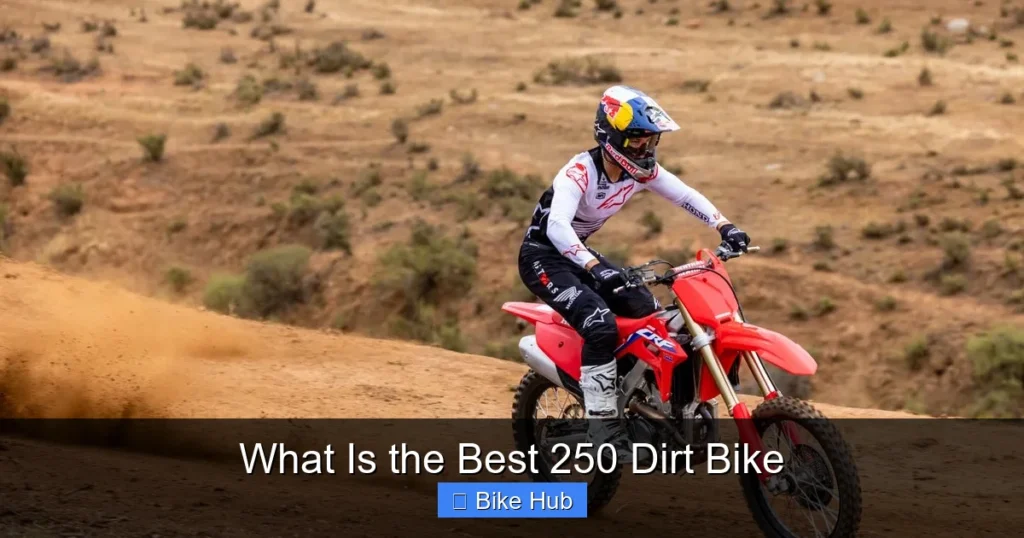
Choosing the best 250 dirt bike depends on your skill level, terrain, and riding goals. This guide breaks down top models, performance specs, and must-have features to help you make the right choice. Whether you’re a beginner or a seasoned rider, we’ve got you covered.
Key Takeaways
- Engine Type Matters: Decide between 2-stroke and 4-stroke engines based on power delivery and maintenance preferences.
- Weight and Handling: Lighter bikes are easier to control, especially for beginners or trail riders.
- Suspension Quality: High-performance suspension improves ride comfort and control on rough terrain.
- Brand Reputation: Stick with trusted brands like Yamaha, Honda, KTM, and Kawasaki for reliability and resale value.
- Budget Considerations: Factor in not just the purchase price but also maintenance, gear, and potential upgrades.
- Intended Use: Match your bike to your riding style—motocross, trail riding, or enduro.
- Test Ride When Possible: Always try before you buy to assess comfort, ergonomics, and overall feel.
What Is the Best 250 Dirt Bike? A Complete Buyer’s Guide
If you’re searching for the best 250 dirt bike, you’re likely looking for a machine that balances power, agility, and reliability. Whether you’re hitting the motocross track, exploring forest trails, or just starting your off-road journey, a 250cc dirt bike offers the perfect middle ground between beginner-friendly and high-performance. But with so many options on the market, how do you pick the right one?
This guide will walk you through everything you need to know to choose the best 250 dirt bike for your needs. We’ll compare top models, explain key features, and share practical tips to help you make an informed decision. By the end, you’ll know exactly what to look for—and which bikes stand out from the crowd.
Step 1: Understand Your Riding Goals
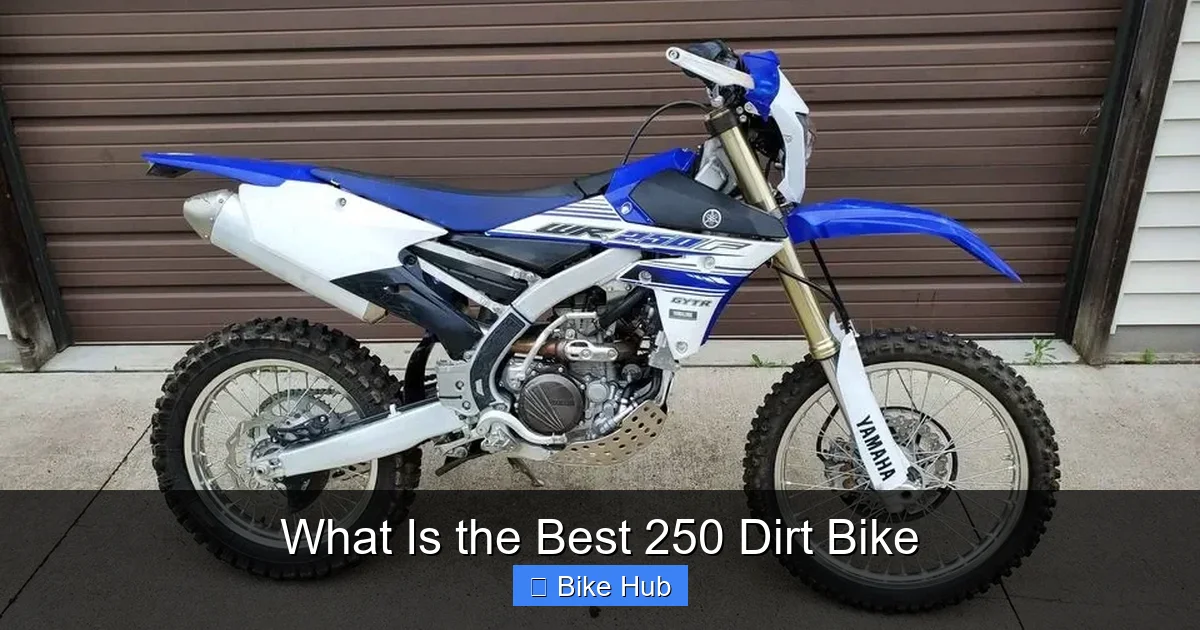
Visual guide about What Is the Best 250 Dirt Bike
Image source: motocrosshideout.com
Before you even look at specs or prices, ask yourself: What will you use the bike for?
Motocross Racing
If you’re planning to race on closed courses with jumps and tight corners, you’ll want a bike with aggressive power delivery, lightweight frame, and high-performance suspension. 4-stroke engines are popular here for their smooth torque and reliability.
Trail Riding and Enduro
For long rides through forests, hills, or desert trails, comfort and fuel efficiency matter more than raw speed. Look for bikes with electric start, good ground clearance, and durable components. A 2-stroke might appeal to you for its simplicity and punchy power.
Recreational Riding
If you’re riding for fun on weekends or with friends, prioritize ease of use, low maintenance, and a comfortable seat. Beginners especially benefit from bikes with forgiving power bands and user-friendly controls.
Step 2: Choose Between 2-Stroke and 4-Stroke Engines
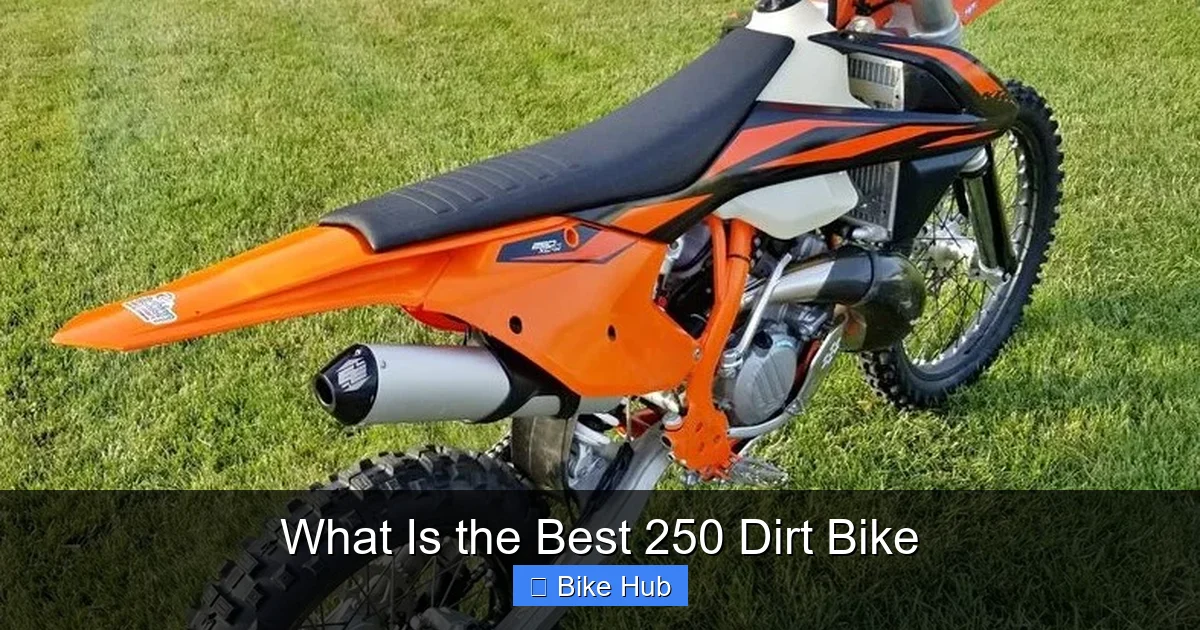
Visual guide about What Is the Best 250 Dirt Bike
Image source: motocrosshideout.com
One of the biggest decisions is engine type. Both have pros and cons.
2-Stroke Engines
These engines are lighter, simpler, and deliver power in a quick, snappy burst. They’re great for experienced riders who like to control momentum with the throttle. However, they require more frequent maintenance and a mix of oil and fuel.
For a deep dive into the differences, check out our article on the best 2-stroke dirt bike.
4-Stroke Engines
4-strokes are smoother, more fuel-efficient, and easier to ride for longer periods. They’re ideal for beginners and trail riders. While heavier, they offer better low-end torque and require less frequent tuning.
Most modern 250cc dirt bikes are 4-strokes, especially in the motocross category.
Step 3: Compare Top 250 Dirt Bike Models
Let’s look at some of the best 250 dirt bikes currently available.
Yamaha YZ250F
A favorite among motocross riders, the YZ250F features a powerful 4-stroke engine, lightweight aluminum frame, and KYB suspension. It’s known for its sharp handling and responsive throttle. Great for intermediate to advanced riders.
Honda CRF250R
Honda’s CRF250R is a well-balanced machine with excellent reliability. It has a smooth power curve, electric start, and durable construction. It’s a top pick for riders who want a bike that lasts.
KTM 250 SX-F
KTM delivers high performance with the 250 SX-F. It’s lightweight, has a strong engine, and comes with advanced electronics like traction control. Ideal for competitive riders who want an edge.
Kawasaki KX250
The KX250 offers strong mid-range power and excellent suspension. It’s a solid all-around bike that performs well on tracks and trails. Kawasaki also includes electric start and a sleek design.
Suzuki RM-Z250
Though less common now, the RM-Z250 remains a capable option with a reliable engine and good handling. It’s a bit heavier than competitors but offers great value.
Step 4: Evaluate Key Features
Not all 250 dirt bikes are created equal. Here’s what to look for:
Weight
A lighter bike (around 220–230 lbs) is easier to maneuver, especially in tight trails or after a fall. Aluminum frames help reduce weight without sacrificing strength.
Suspension
Quality suspension absorbs bumps and keeps the wheels on the ground. Look for adjustable forks and rear shocks. KYB and WP Suspension are top-tier brands.
Brakes
Strong, responsive brakes are crucial for safety. Most modern 250s come with hydraulic disc brakes front and rear. Check for brake feel and stopping power during a test ride.
Ergonomics
Comfort matters on long rides. Adjustable handlebars, seat height, and footpeg position can make a big difference. Taller riders may prefer a higher seat.
Electric Start
Kick-starting can be tiring, especially after a crash. Electric start is now standard on most 4-stroke 250s and a huge convenience.
Step 5: Set Your Budget
Prices for new 250 dirt bikes typically range from $7,000 to $10,000. Used models can be found for $3,000–$6,000, depending on age and condition.
But don’t forget ongoing costs:
- Protective gear (helmet, boots, gloves, chest protector)
- Maintenance (oil changes, air filter cleaning, chain lubrication)
- Upgrades (tires, exhaust, suspension tuning)
- Fuel and transportation
If you’re on a tight budget, consider a used bike from a reputable dealer. For tips on saving money, read our guide on the best budget dirt bike.
Step 6: Test Ride and Inspect
Never buy a dirt bike without riding it first—if possible.
What to Check During a Test Ride
- Engine starts easily (cold and hot)
- Throttle response is smooth and predictable
- Suspension feels firm but absorbs bumps well
- Brakes stop the bike confidently without pulling
- Shifting is crisp and accurate
- You feel comfortable and in control
Inspect a Used Bike
If buying used, look for:
- Clean engine and frame (no oil leaks)
- Straight wheels and aligned forks
- Worn but not damaged tires
- Service records and low hours
Bring a knowledgeable friend or mechanic if you’re unsure.
Step 7: Gear Up for Safety
Your bike is only part of the equation. Proper gear is essential.
Must-Have Gear
- Helmet: DOT or Snell certified, full-face design
- Boots: Sturdy, ankle-supporting dirt bike boots
- Gloves: Padded for grip and protection
- Jersey and Pants: Breathable, durable materials
- Chest Protector: Shields against impacts and debris
- Goggles: Anti-fog, UV-protected lenses
For trail riding, consider a hydration pack and GPS device. Check out our recommendations for the best dirt bike boots for trail riding.
Troubleshooting Common Issues
Even the best 250 dirt bikes can have problems. Here’s how to handle common ones:
Bike Won’t Start
Check the fuel, spark plug, and battery (if electric start). Clean the carburetor or fuel injector if needed.
Poor Performance at High Altitude
Engines lose power at elevation. Re-jet the carb or adjust the fuel mapping on fuel-injected models.
Suspension Feels Too Soft or Hard
Adjust preload, compression, and rebound settings. Refer to your owner’s manual or consult a suspension specialist.
Chain Slipping or Squeaking
Lubricate and adjust chain tension regularly. Replace if worn or stretched.
Final Tips for Choosing the Best 250 Dirt Bike
- Start with a 4-stroke if you’re new to dirt biking—they’re more forgiving.
- Buy from a dealer with good service support.
- Join a local riding group or forum for advice and trail recommendations.
- Keep up with maintenance to extend your bike’s life.
- Upgrade tires based on terrain—check out the best bike tires for hardpack dirt for rocky or packed trails.
Conclusion
The best 250 dirt bike is the one that fits your riding style, skill level, and budget. Whether you go with the Yamaha YZ250F for motocross, the Honda CRF250R for reliability, or a used KTM for performance, the right choice will deliver years of off-road fun.
Take your time, do your research, and don’t skip the test ride. With the right bike and gear, you’ll be ready to tackle any trail, track, or adventure that comes your way.



