
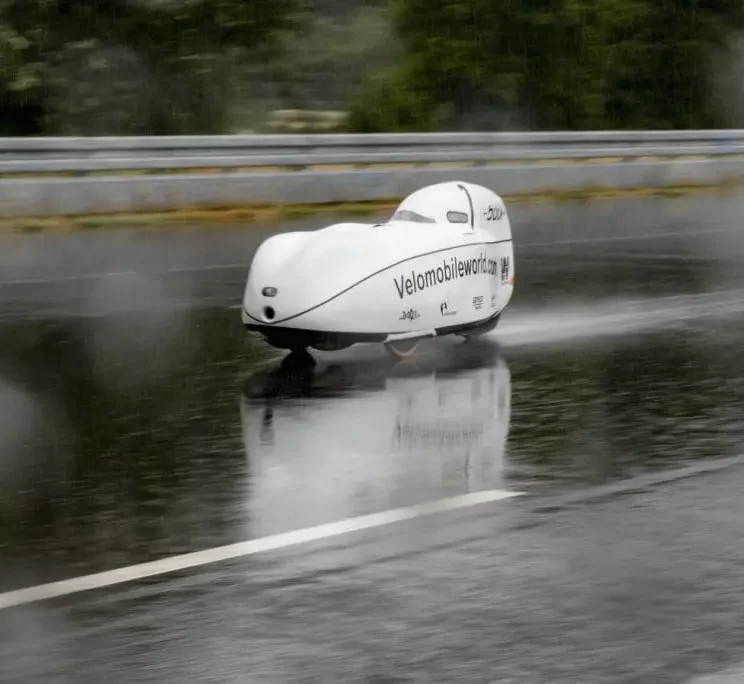
Have you ever wondered how fast a velomobile can really go? If you’re curious about these sleek, human-powered vehicles, you’re in the right place.
Knowing the average speed of velomobiles can help you decide if they’re the right fit for your daily commute, weekend rides, or fitness goals. You’ll discover surprising facts about their speed, how they compare to bikes and cars, and what affects their performance.
Keep reading to find out exactly what you can expect when you hop into a velomobile and hit the road.
Velomobile Basics
Velomobiles are human-powered vehicles with a shell around the rider. They look like bikes but have a full body for protection and speed.
The average speed of velomobiles is higher than regular bikes. Their design helps riders go faster on flat roads and hills.
Types Of Velomobiles
There are different types of velomobiles. Each type is made for specific uses and speeds.
Some are built for racing, others for commuting or cargo carrying. The shape and size affect how fast they go.
- Sport velomobiles: Fast and light for racing.
- Touring velomobiles: Comfortable for long rides.
- Cargo velomobiles: Strong and roomy for carrying loads.
Design And Aerodynamics
Velomobiles have smooth, curved shapes that cut air well. This design lowers air resistance to increase speed.
The shell covers the wheels and rider to reduce drag. Good aerodynamics help reach speeds around 30 to 50 km/h on flat roads.
- Streamlined body reduces wind drag.
- Enclosed wheels improve airflow.
- Lightweight materials keep weight low.

Credit: newatlas.com
Factors Affecting Speed
The average speed of velomobiles depends on many factors. These factors change how fast a rider can go.
Understanding these factors helps riders improve their speed and enjoy better rides.
Weight And Build
The weight of the velomobile affects how easily it moves. A lighter build usually means faster speeds.
The shape of the velomobile also matters. A streamlined design reduces air resistance and helps increase speed.
- Lighter frames require less effort to pedal
- Smooth, aerodynamic shapes cut through the air better
- Strong materials add weight but improve durability
Rider Fitness
The fitness of the rider plays a big role in speed. Stronger riders can pedal harder and keep higher speeds.
Regular training improves endurance and power, allowing riders to maintain speed longer.
- Better leg strength increases pedaling force
- Good cardiovascular health supports longer rides
- Practice helps improve riding technique
Terrain And Weather
The type of terrain affects how fast a velomobile can travel. Flat roads allow higher speeds than hills.
Weather conditions like wind and rain also impact speed. Tailwinds help, while headwinds slow riders down.
- Smooth pavement reduces rolling resistance
- Uphill climbs lower average speed
- Wind direction and strength affect effort
- Wet roads require slower, safer riding
Average Speed Ranges
Velomobiles offer a unique blend of speed and comfort. Their average speeds vary depending on where and how they are used.
Understanding typical speed ranges helps riders set realistic expectations. Let’s explore how velomobiles perform in different settings.
Typical Urban Speeds
In cities, velomobiles usually move slower due to traffic and stops. The average speed ranges between 15 and 25 kilometers per hour.
- Busy streets and traffic lights reduce speed.
- Narrow lanes and pedestrians affect movement.
- Stop-and-go traffic lowers average pace.
Performance On Open Roads
On open roads, velomobiles reach higher speeds. They can cruise comfortably between 30 and 50 kilometers per hour.
| Road Type | Average Speed (km/h) |
|---|---|
| Flat open roads | 35 – 50 |
| Rolling hills | 30 – 45 |
| Windy conditions | 25 – 40 |
Comparison With Bicycles
Velomobiles are generally faster than traditional bicycles. Their aerodynamic design helps reduce wind resistance.
- Bicycles average 15-25 km/h in urban areas.
- Velomobiles can reach 30-50 km/h on open roads.
- Velomobiles offer better protection from weather.

Credit: newatlas.com
Speed Records And Trends
Velomobiles are streamlined human-powered vehicles. They can reach speeds higher than regular bicycles. The design helps reduce air resistance and increase efficiency.
Understanding the speed records and trends helps show how fast these vehicles can go. It also reveals how technology affects their performance.
Notable Speed Achievements
Velomobiles have set impressive speed records over the years. Some riders have reached speeds that far exceed normal cycling. These records show the potential of velomobiles on flat roads and downhill.
- The highest speed recorded on a velomobile is over 90 mph (145 km/h).
- Average cruising speeds for daily rides are around 25 to 40 mph (40 to 65 km/h).
- Several races feature velomobile categories, showing competitive speeds in real conditions.
- Velomobiles perform well in time trials and long-distance events.
Technological Improvements
Technology has helped velomobiles become faster and easier to ride. New materials and designs improve speed and comfort. Aerodynamics play a key role in these improvements.
| Feature | Effect on Speed |
| Lightweight carbon fiber frame | Reduces weight, increases acceleration |
| Improved aerodynamic shells | Lower air resistance, higher top speed |
| Advanced gearing systems | Better power transfer, smoother rides |
| Low rolling resistance tires | Less friction, easier to maintain speed |
Practical Applications
Velomobiles offer a unique way to travel by combining speed and comfort. They can be used in many daily situations.
The average speed of velomobiles varies but is often faster than regular bicycles. This makes them useful for different tasks.
Commuting Efficiency
Velomobiles help people get to work quickly and with less effort. Their design reduces wind resistance, allowing higher speeds.
Many users average speeds between 25 and 40 km/h (15-25 mph) on flat routes. This is faster than most bicycles.
- Save time on daily trips
- Arrive less sweaty due to better aerodynamics
- Use bike lanes or roads with ease
Recreational Use
People enjoy velomobiles for fun rides and exercise. The speed lets riders cover more ground in less time.
Average speeds during leisure rides range from 20 to 35 km/h (12-22 mph). Riders can explore longer routes comfortably.
- Enjoy scenic rides faster
- Improve fitness with steady speed
- Join group rides or events
Environmental Impact
Velomobiles use human power, which means no fuel or emissions. Their speed can replace short car trips.
Faster travel with low energy helps reduce pollution and traffic congestion. This supports cleaner cities.
- Lower carbon footprint than cars
- Reduce noise pollution
- Encourage active transportation

Credit: www.velomobileworld.com
Frequently Asked Questions
What Is The Average Speed Of A Velomobile?
The average speed of a velomobile ranges between 25 to 35 mph (40 to 56 km/h). Speeds vary depending on design, terrain, and rider effort. Velomobiles are faster than traditional bicycles due to aerodynamic shells.
How Does Terrain Affect Velomobile Speed?
Terrain greatly impacts velomobile speed. Smooth, flat roads enable top speeds up to 35 mph. Hills and rough surfaces reduce speed significantly. Velomobiles perform best on paved, even surfaces.
Are Velomobiles Faster Than Regular Bicycles?
Yes, velomobiles are generally faster than regular bicycles. Their aerodynamic design reduces air resistance, allowing higher speeds with less effort. Typical speeds surpass those of conventional bikes, especially on flat terrain.
What Factors Influence Velomobile Speed Most?
Key factors include rider power, aerodynamic design, terrain, and weight. Strong riders on streamlined models reach higher speeds. Uneven roads and added cargo reduce overall velocity.
Conclusion
Velomobiles offer a unique mix of speed and comfort. They usually travel faster than regular bikes. Speeds often range between 25 to 40 miles per hour. Factors like design, terrain, and rider effort affect this speed. Velomobiles suit those who want quicker, efficient travel.
They also protect riders from wind and rain. Choosing one depends on your needs and goals. Consider trying one to see how it fits your lifestyle. This way, you can enjoy smooth, fast rides every day.



