

One key disadvantage of riding a recumbent bike is reduced visibility to other road users, which can increase safety risks in traffic. This guide explains why visibility matters and offers actionable solutions to help you ride more safely and confidently.
Key Takeaways
- Lower rider position reduces visibility: Recumbent bikes sit closer to the ground, making it harder for drivers and pedestrians to see you.
- Increased risk in traffic: Poor visibility can lead to accidents, especially at intersections or when changing lanes.
- Use bright lights and reflective gear: Enhance your presence with front and rear lights, reflective clothing, and high-visibility accessories.
- Install a rearview mirror: Helps you monitor traffic without turning your head, improving awareness.
- Choose safer routes: Opt for bike paths, quiet streets, or low-traffic areas when possible.
- Communicate clearly with hand signals: Make your intentions known to drivers and cyclists around you.
- Regular maintenance improves safety: Ensure brakes, tires, and lights are in top condition for safer rides.
What Is One Disadvantage to Riding a Recumbent Bike?
If you’re considering a recumbent bike or have recently started riding one, you’ve likely noticed how comfortable and ergonomic they are. The laid-back seating position reduces strain on your back, neck, and wrists—making them a favorite among long-distance riders and those with physical limitations. However, like any bike design, recumbents come with trade-offs. One of the most significant disadvantages of riding a recumbent bike is reduced visibility to other road users.
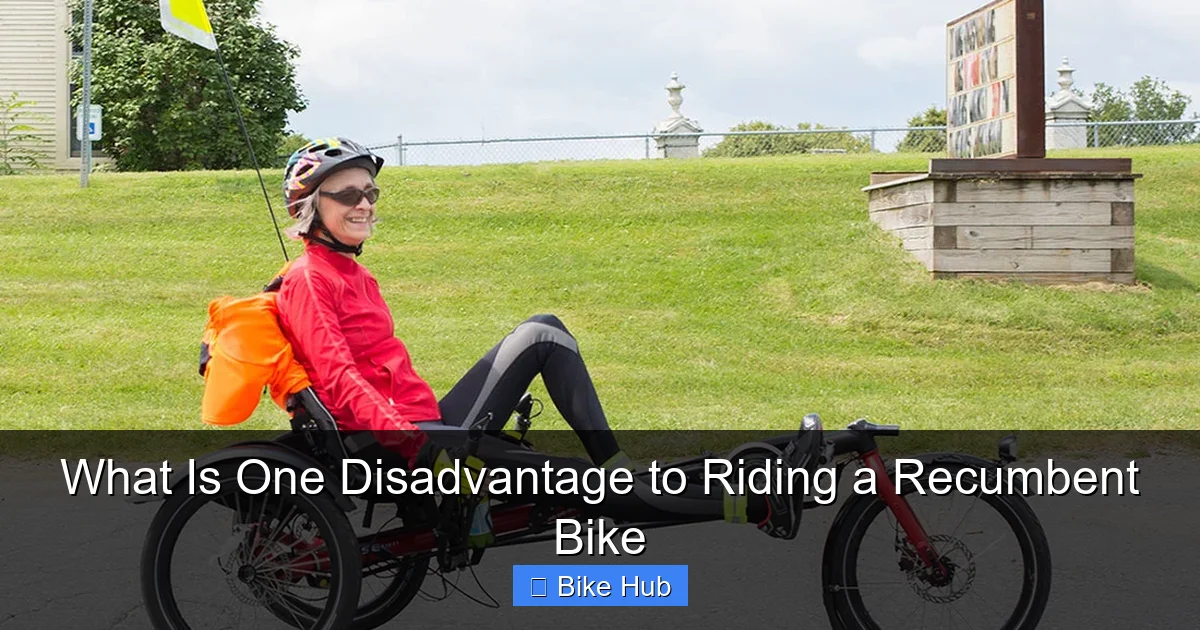
Because recumbent bikes are designed with a low-profile frame and reclined seating, the rider sits much closer to the ground compared to traditional upright bikes. This lower position makes it harder for drivers, pedestrians, and other cyclists to see you—especially in busy traffic or at intersections. In this guide, we’ll explore why visibility is such a critical issue, how it affects your safety, and what you can do to minimize the risks. Whether you’re commuting, exercising, or touring, understanding this disadvantage is the first step toward safer, more confident riding.
Why Visibility Matters on a Recumbent Bike
Visual guide about What Is One Disadvantage to Riding a Recumbent Bike
Image source: rad-innovations.com
Visibility isn’t just about seeing the road—it’s about being seen. On a traditional bike, your upright posture puts you at eye level with car mirrors, traffic signals, and pedestrians. But on a recumbent, you’re often below the sightlines of drivers, especially in larger vehicles like SUVs, trucks, and buses.
The Science of Sightlines
Most drivers scan the road at a height of about 3 to 5 feet. Since recumbent riders typically sit between 12 and 24 inches off the ground, you may fall into a “blind zone.” This is especially dangerous at intersections, driveways, or when merging into traffic. A car turning right may not see you approaching from behind, even if you’re following all traffic rules.
Real-World Consequences
Studies and rider reports show that recumbent cyclists are more likely to be involved in “right-hook” accidents—where a car turns right across the path of a cyclist. Because the rider is lower and less visible, the driver may not notice them until it’s too late. This makes visibility not just a comfort issue, but a serious safety concern.
How to Improve Your Visibility on a Recumbent Bike

Visual guide about What Is One Disadvantage to Riding a Recumbent Bike
Image source: c02.purpledshub.com
The good news? There are many practical steps you can take to increase your visibility and reduce risk. Let’s walk through them step by step.
Step 1: Use Bright, High-Quality Lights
Lights are your first line of defense, especially during dawn, dusk, or nighttime rides.
- Front light: Choose a bright white LED light (at least 200 lumens) that can be seen from a distance. Flashing modes help grab attention.
- Rear light: A red LED with a steady or pulsing beam is essential. Look for models with side visibility for extra safety.
- Battery life: Always carry spare batteries or use rechargeable lights. A dead light defeats the purpose.
Pro tip: Consider adding spoke lights or wheel-mounted LEDs. These create a moving halo effect that’s hard for drivers to miss.
Step 2: Wear Reflective and High-Visibility Clothing
What you wear can make a huge difference.
- Bright colors: Fluorescent yellow, orange, or green jackets and vests stand out in daylight.
- Reflective strips: Look for gear with reflective tape on arms, legs, and back. These shine brightly when hit by headlights.
- Helmet visibility: Add reflective stickers or a helmet cover. Some helmets even come with built-in LED lights.
For extra safety, consider a high-visibility flag mounted on your bike. These tall, bright flags wave above your head and are visible from over 100 yards away—perfect for alerting drivers at intersections.
Step 3: Install a Rearview Mirror
Since you can’t easily turn your head on a recumbent, a mirror helps you stay aware of traffic.
- Handlebar mirror: Attaches to your steering column and gives a wide view of what’s behind you.
- Helmet-mounted mirror: Offers a more dynamic view but may take time to get used to.
- Glass vs. plastic: Glass mirrors offer clearer images, but plastic is lighter and less likely to shatter.
Practice using your mirror regularly so it becomes second nature. This simple tool can prevent accidents by helping you check blind spots before changing lanes or merging.
Step 4: Choose Safer Routes
Not all roads are created equal. When planning your ride, prioritize safety over convenience.
- Bike paths and trails: These separate you from motor vehicle traffic and reduce visibility risks.
- Low-traffic streets: Residential areas with speed limits under 25 mph are ideal.
- Avoid high-speed roads: Highways and busy arterials increase the chance of dangerous interactions.
Use apps like Google Maps or Ride with GPS to find bike-friendly routes. If you must ride on busy roads, try to do so during off-peak hours when traffic is lighter.
Step 5: Use Clear Hand Signals
Even with great visibility, communication is key. Always signal your intentions.
- Left turn: Extend your left arm straight out.
- Right turn: Extend your right arm out, or raise your left arm upward at a 90-degree angle.
- Stopping: Lower your left arm downward with your palm facing back.
Make signals early and clearly. This gives drivers time to react and reduces the chance of sudden maneuvers.
Troubleshooting Common Visibility Challenges
Even with precautions, you may still face visibility issues. Here’s how to handle them.
Problem: Drivers Still Don’t See You
Solution: Increase your presence. Add more lights, wear brighter gear, and consider a louder bike bell or horn. Make eye contact with drivers at intersections when possible.
Problem: Mirror Gets Blurry or Shakes
Solution: Tighten the mounting bracket and clean the mirror regularly. If vibrations are an issue, try a vibration-dampening mount or switch to a helmet mirror.
Problem: Flag Gets Tangled or Damaged
Solution: Use a flexible, lightweight flag made from durable fabric. Store it properly after rides to prevent wear. You can also find retractable flag mounts that tuck away when not in use.
Additional Safety Tips for Recumbent Riders
Beyond visibility, there are other ways to stay safe.
- Maintain your bike: Regularly check brakes, tires, and drivetrain. A well-maintained bike is safer and more reliable. For help, see our guide on how to maintain a road bike.
- Warm up before riding: Stretching and light pedaling can prevent injuries, especially on long rides. Learn more in our article on how to warm up before using a recumbent bike.
- Carry a lock: If you stop during your ride, secure your bike properly. Check out how to carry a bike lock while riding for practical tips.
- Protect your frame: Recumbents can be prone to rust due to their low position. Use protective coatings and store indoors when possible. See how to protect a bike frame from rust for detailed advice.
Conclusion
Riding a recumbent bike offers many benefits—comfort, reduced joint strain, and efficient long-distance performance. But it’s important to acknowledge the downsides, and reduced visibility is one of the most significant. Because of your lower riding position, you’re less likely to be seen by drivers, especially in traffic-heavy areas.
The good news is that this disadvantage can be managed with the right strategies. By using bright lights, wearing reflective gear, installing a mirror, choosing safer routes, and signaling clearly, you can dramatically improve your visibility and safety. Combine these steps with regular maintenance and smart riding habits, and you’ll enjoy all the advantages of recumbent cycling without compromising on safety.
Remember, being proactive about visibility isn’t just about protecting yourself—it’s about creating a safer environment for all road users. So gear up, stay visible, and ride with confidence.



