
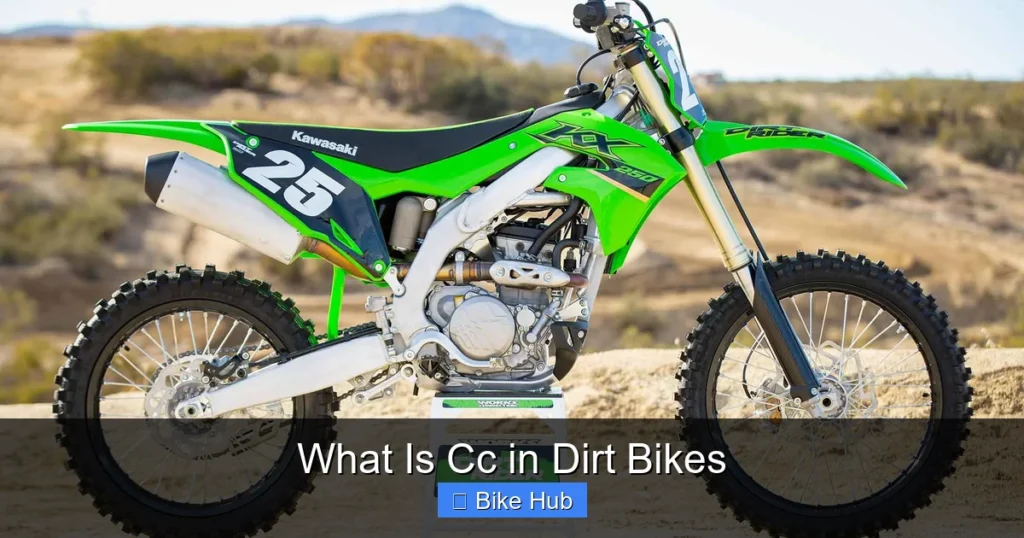
CC in dirt bikes stands for cubic centimeters, a measurement of engine displacement that directly impacts power, torque, and overall performance. Understanding cc helps riders choose the right bike for their experience level, terrain, and riding goals—whether they’re beginners or seasoned pros tackling advanced trails.
Key Takeaways
- CC means cubic centimeters: It measures the total volume of all engine cylinders and indicates how much air and fuel the engine can burn per cycle.
- Higher cc = more power: Larger displacement engines generally produce more horsepower and torque, making them better for experienced riders and tough terrain.
- Lower cc = easier control: Smaller engines are lighter and more manageable, ideal for beginners, kids, or casual trail riding.
- Match cc to your skill level: Beginners should start with 100cc–250cc bikes, while experts may prefer 250cc–450cc or higher for competition.
- CC affects bike classification: Dirt bikes are often categorized by cc ranges (e.g., youth, beginner, intermediate, expert), which influence legality and intended use.
- Electric dirt bikes don’t use cc: They’re rated by motor power (kW or hp) instead, but performance comparisons can still be drawn.
- Other factors matter too: While cc is important, suspension, weight, and rider technique also play major roles in performance.
What Is Cc in Dirt Bikes? A Complete Guide
If you’re new to dirt biking or just trying to understand what all the numbers on a bike’s specs mean, you’ve probably seen “cc” listed everywhere—on ads, spec sheets, and even stickers on the bike itself. But what does cc actually mean? And why does it matter when choosing a dirt bike?
In this guide, we’ll break down everything you need to know about cc in dirt bikes. You’ll learn what cc stands for, how it affects performance, how to choose the right size for your skill level, and what other factors to consider beyond just engine size. Whether you’re shopping for your first dirt bike or upgrading to something more powerful, this guide will help you make a smart, informed decision.
What Does Cc Stand For?
Cc stands for cubic centimeters. It’s a unit of measurement that describes the engine displacement—the total volume of air and fuel that the engine’s cylinders can hold during one complete cycle.
Think of it like this: when the piston moves down in the cylinder, it creates space. That space is filled with a mixture of air and fuel. The bigger that space (or the more cylinders there are), the more mixture the engine can burn, and the more power it can produce.
For example, a 250cc dirt bike has an engine that displaces 250 cubic centimeters of volume across all its cylinders. A 450cc bike displaces nearly twice as much, which usually means significantly more power.
How Cc Affects Dirt Bike Performance
Engine displacement (cc) is one of the most important factors in determining how a dirt bike performs. Here’s how it influences key aspects of riding:
Power and Torque
The higher the cc, the more power the engine can generate. More power means faster acceleration, higher top speeds, and better performance on steep hills or rough terrain. Torque—the twisting force that gets the bike moving—also increases with displacement, making high-cc bikes feel strong and responsive.
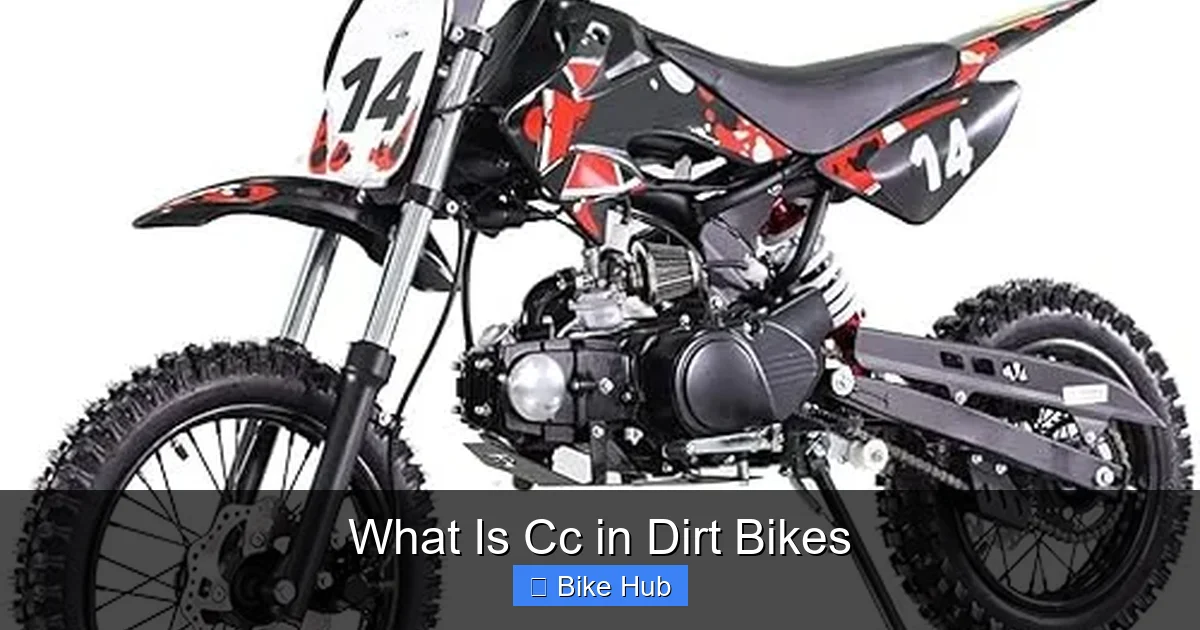
Visual guide about What Is Cc in Dirt Bikes
Image source: m.media-amazon.com
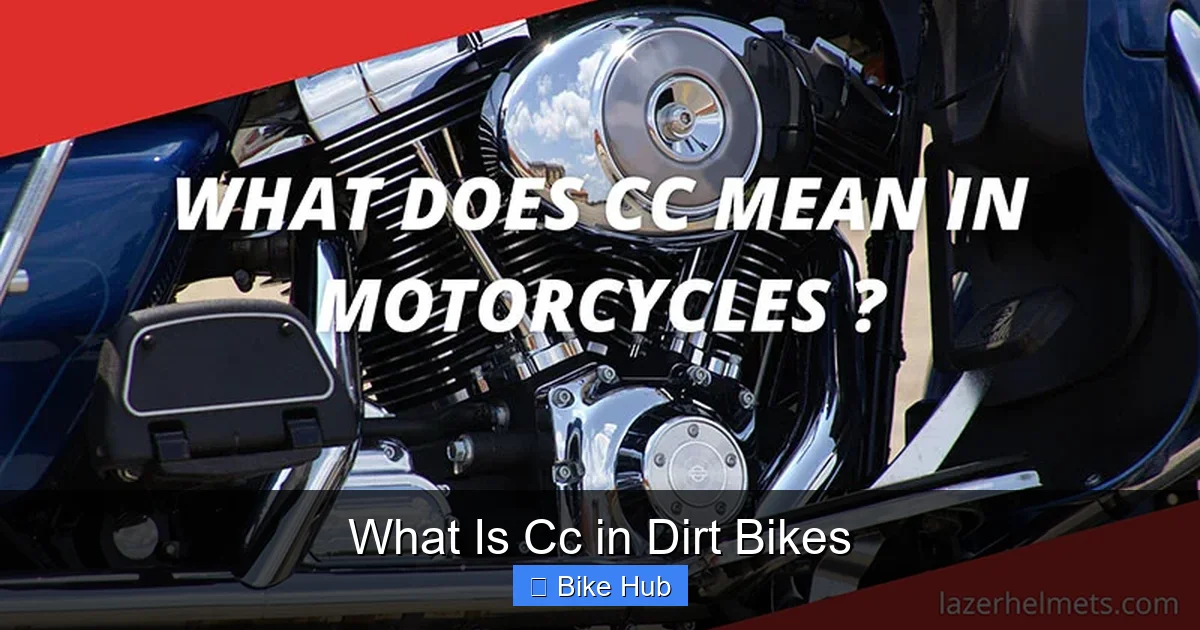
Visual guide about What Is Cc in Dirt Bikes
Image source: lazerhelmets.net
Weight and Handling
Generally, higher-cc engines are heavier. While that extra weight can add stability at high speeds, it can also make the bike harder to control, especially for new riders. Lower-cc bikes are lighter and more nimble, which makes them easier to maneuver on tight trails or during technical maneuvers.
Rider Skill Level
CC plays a big role in matching a bike to the rider’s experience. A 500cc bike might be thrilling for a pro, but it could be dangerous for a beginner who isn’t ready for that level of power. That’s why most manufacturers design bikes with specific cc ranges for different rider levels.
Common Cc Ranges and What They Mean
Dirt bikes are typically grouped into categories based on engine size. Here’s a breakdown of common cc ranges and who they’re best suited for:
50cc–100cc: Youth and Kids’ Bikes
These small-displacement bikes are built for children and young teens. They’re lightweight, low to the ground, and have limited power—perfect for learning basic skills. Many 50cc bikes are even electric, like the models featured in our guide to the best electric dirt bikes for adults, which offer quiet, smooth power delivery ideal for beginners.
100cc–250cc: Beginner to Intermediate Riders
This is the sweet spot for most new adult riders. Bikes in this range offer enough power to handle trails, jumps, and moderate off-road conditions without being overwhelming. The best dirt bikes for beginners often fall into this category, balancing performance with ease of use.
250cc–450cc: Advanced and Competition Bikes
These bikes are built for experienced riders who want speed, power, and responsiveness. They’re common in motocross and enduro racing. While they can be thrilling, they require strong throttle control and good riding technique. If you’re moving up from a smaller bike, consider a 250cc or 300cc model as a stepping stone.
450cc and Above: Expert-Level Machines
High-performance 450cc+ bikes are designed for professional riders and serious enthusiasts. They deliver maximum power and are built for aggressive riding, but they’re not recommended for beginners due to their weight and intense power delivery.
How to Choose the Right Cc for You
Picking the right cc isn’t just about power—it’s about finding a bike that matches your body size, skill level, and riding goals. Here’s a step-by-step approach:
Step 1: Assess Your Skill Level
Are you a complete beginner? Stick to 100cc–250cc. Have you been riding for a few years? You might be ready for a 250cc–450cc bike. If you’re racing or tackling extreme terrain, consider 450cc or higher—but only if you have the experience to handle it safely.
Step 2: Consider Your Height and Weight
Taller and heavier riders may feel more comfortable on larger bikes with more power. Shorter or lighter riders might struggle with high-cc bikes that are too tall or heavy. Always sit on a bike before buying to check seat height and reach.
Step 3: Think About Where You’ll Ride
Trail riding on tight, technical paths? A lighter, lower-cc bike will be easier to control. Open desert or motocross tracks? A higher-cc bike will give you the speed and power you need. For mixed terrain, a mid-range 250cc bike often offers the best balance.
Step 4: Don’t Forget About Maintenance
Larger engines often require more maintenance and higher fuel consumption. If you’re on a budget or prefer low upkeep, a smaller cc bike might be more practical. Electric models, like those in our list of the best electric dirt bikes for adults, offer high performance with minimal maintenance.
Electric Dirt Bikes and the Cc Question
One thing to note: electric dirt bikes don’t use cc because they don’t have internal combustion engines. Instead, their power is measured in kilowatts (kW) or horsepower (hp). For example, a 10 kW electric motor might deliver performance similar to a 250cc gas engine.
While you won’t see “cc” on an electric bike’s specs, the performance comparison is still useful. Many riders find that electric bikes offer instant torque and smooth power delivery, making them great for beginners and experts alike.
Troubleshooting Common Cc Misconceptions
Even experienced riders sometimes misunderstand what cc really means. Here are a few common myths—and the truth behind them:
Myth: Higher Cc Always Means Better
Not necessarily. A 450cc bike might be overkill for casual trail riding. It could be harder to control, more expensive to maintain, and less fuel-efficient. The “best” cc is the one that fits your needs.
Myth: All 250cc Bikes Are the Same
Engine tuning, bike weight, suspension, and gearing all affect performance. Two 250cc bikes from different brands can feel very different to ride. Always test ride when possible.
Myth: You Can’t Upgrade Later
Many riders start with a lower-cc bike and upgrade as their skills improve. It’s a smart, cost-effective way to grow into more powerful machines.
Final Tips for Choosing Your Dirt Bike
– Always prioritize safety and control over raw power.
– Consider taking a beginner’s riding course if you’re new to dirt biking.
– Check local laws—some areas have cc restrictions for off-road vehicles.
– Don’t forget about gear: a good helmet, boots, and protective clothing are essential, no matter the cc.
Conclusion
Understanding what cc means in dirt bikes is the first step toward choosing the right machine for your adventures. While cc gives you a clear idea of engine size and potential power, it’s just one piece of the puzzle. Your skill level, riding style, and terrain all play crucial roles in finding the perfect fit.
Whether you’re eyeing a lightweight 125cc trail bike or a roaring 450cc motocross machine, remember: the best dirt bike is the one that helps you ride confidently, safely, and with a big smile on your face. Start small if you’re new, grow with your skills, and always ride within your limits.



