
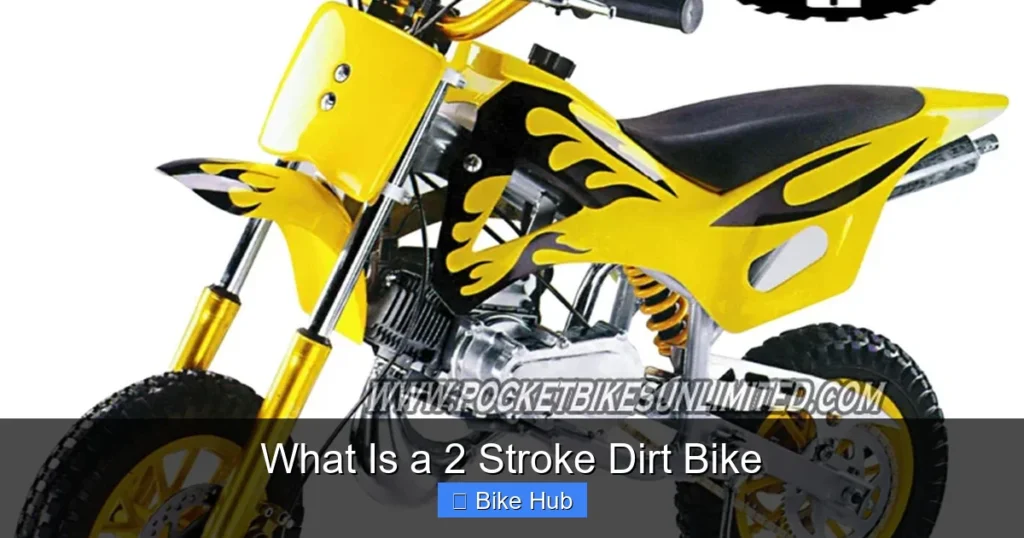
A 2 stroke dirt bike is a lightweight, high-performance off-road motorcycle that completes a power cycle in just two piston strokes. Known for their explosive power and simple design, these bikes are popular among motocross riders and trail enthusiasts who value agility and quick acceleration.
[FEATURED_IMAGE_PLACEHOUNDER]
Key Takeaways
- Simple Engine Design: A 2 stroke engine completes the intake, compression, power, and exhaust phases in just two piston movements, making it lighter and more compact than 4 stroke engines.
- High Power-to-Weight Ratio: These bikes deliver strong bursts of power with minimal weight, ideal for jumps, hills, and technical terrain.
- Requires Premixed Fuel: Unlike 4 stroke bikes, 2 strokes need gasoline mixed with oil for lubrication—typically a 50:1 or 40:1 ratio depending on the manufacturer.
- Louder and Less Fuel Efficient: 2 strokes produce more noise and consume fuel faster, but offer a thrilling, responsive ride.
- Regular Maintenance is Crucial: Frequent top-end rebuilds, spark plug checks, and carburetor tuning keep performance at its peak.
- Great for Beginners and Experts Alike: While powerful, many riders start on 2 strokes due to their simplicity and lower cost compared to 4 stroke models.
- Popular in Racing and Trail Riding: From motocross tracks to backcountry trails, 2 stroke dirt bikes remain a favorite for their agility and raw power.
What Is a 2 Stroke Dirt Bike?
If you’re new to the world of off-road riding or just curious about different types of dirt bikes, you’ve probably heard the term “2 stroke.” But what exactly does it mean? In simple terms, a 2 stroke dirt bike is a type of motorcycle designed for off-road use that uses a two-stroke engine to generate power. Unlike the more common four-stroke engines found in cars and many modern dirt bikes, a two-stroke engine completes a full combustion cycle—intake, compression, power, and exhaust—in just two movements of the piston: one up and one down.
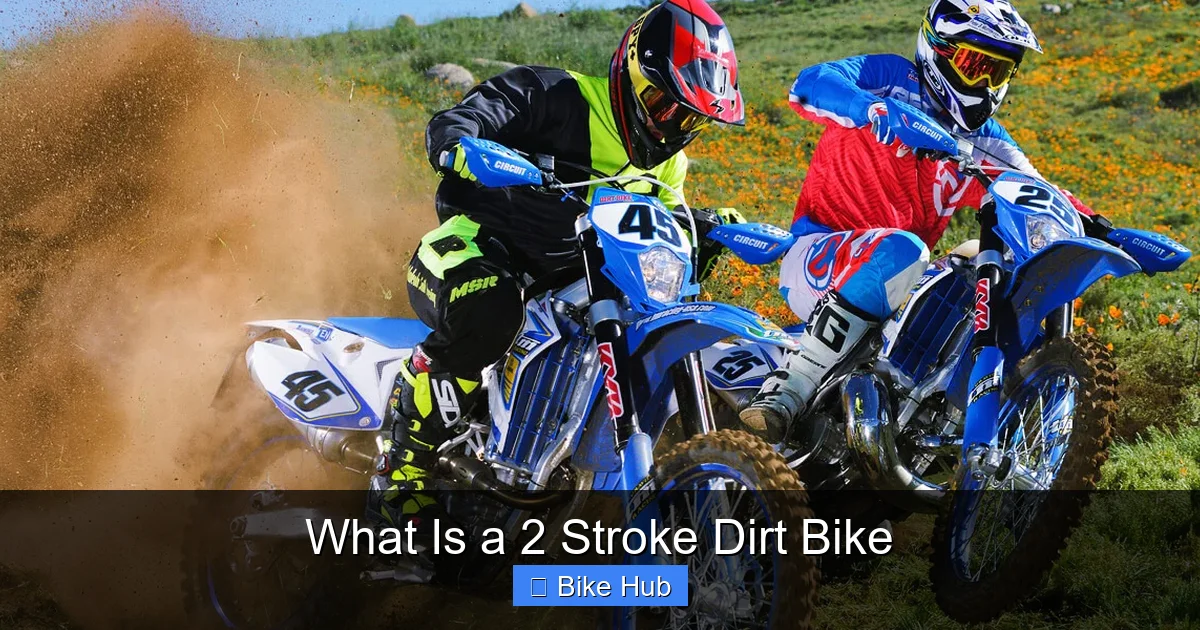
This design makes 2 stroke dirt bikes lighter, more responsive, and capable of delivering quick bursts of power. They’re especially popular in motocross, enduro, and trail riding because of their agility and high power-to-weight ratio. While they may not be as fuel-efficient or quiet as their four-stroke cousins, many riders prefer the raw, thrilling experience that only a well-tuned 2 stroke can provide.
How Does a 2 Stroke Engine Work?
Visual guide about What Is a 2 Stroke Dirt Bike
Image source: helmetsinsider.com
Understanding how a 2 stroke engine operates helps explain why these bikes feel so different on the trail. Let’s break it down step by step.
Step 1: Intake and Compression
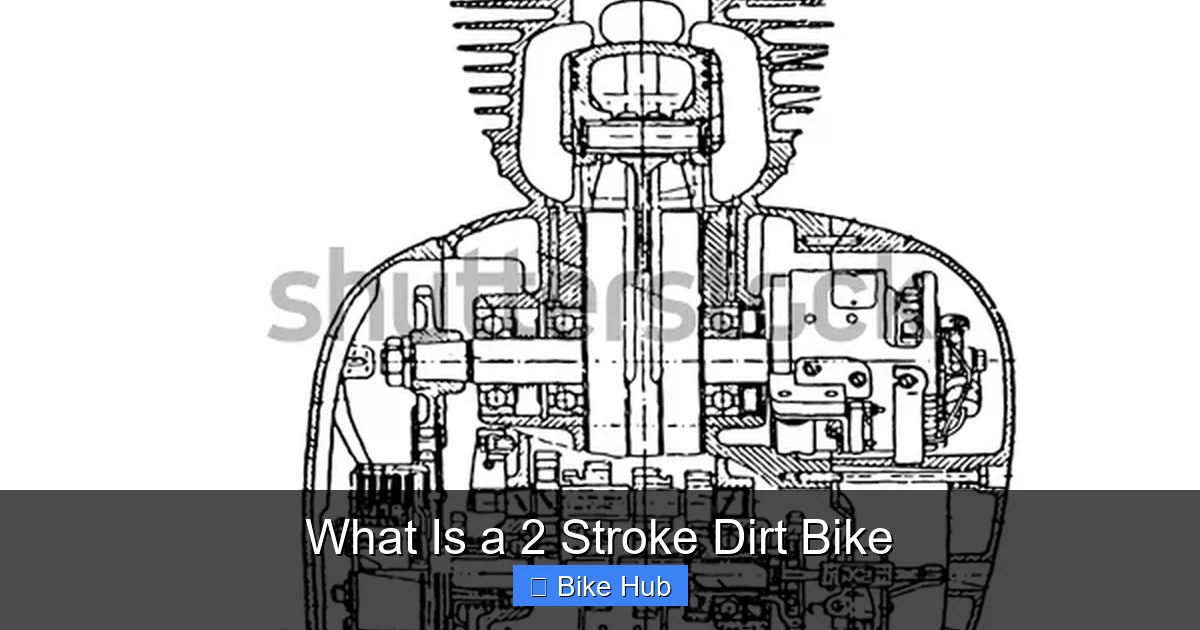
When the piston moves downward, it creates a vacuum in the crankcase. This pulls in a mixture of fuel and oil (called “premix”) through the carburetor and into the crankcase. At the same time, the piston compresses the air-fuel mixture in the combustion chamber above it.
Step 2: Power and Exhaust
As the piston reaches the bottom of its stroke, the spark plug ignites the compressed mixture, causing a small explosion. This forces the piston back up, generating power. As the piston rises, it uncovers the exhaust port, allowing burnt gases to escape. Simultaneously, the rising piston compresses the fresh fuel-oil mixture in the crankcase, preparing it for the next cycle.
This entire process happens in just two strokes—hence the name. Because there are fewer moving parts and no complex valve system, 2 stroke engines are simpler, lighter, and easier to maintain than 4 stroke engines.
Pros and Cons of 2 Stroke Dirt Bikes
Visual guide about What Is a 2 Stroke Dirt Bike
Image source: shutterstock.com
Like any machine, 2 stroke dirt bikes come with advantages and drawbacks. Knowing both can help you decide if this type of bike is right for you.
Advantages
- Lightweight: With fewer components, 2 strokes are significantly lighter than 4 strokes, making them easier to maneuver on tight trails and jumps.
- High Power Output: They produce strong power bursts, especially at high RPMs, which is great for acceleration and climbing.
- Simple Design: Fewer parts mean easier repairs and lower maintenance costs for basic upkeep.
- Affordable: Generally cheaper to buy and maintain than 4 stroke models, especially older or used bikes.
- Great for Learning: Many riders start on 2 strokes because they’re easier to handle and help build fundamental riding skills.
Disadvantages
- Requires Premixed Fuel: You must mix oil with gasoline before filling the tank. Get the ratio wrong, and you risk engine damage.
- Louder Operation: 2 strokes are noticeably louder than 4 strokes, which can be a problem in noise-restricted areas.
- Less Fuel Efficient: They burn fuel faster, so you’ll need to carry extra gas on long rides.
- More Frequent Maintenance: The engine wears faster, especially the top end (piston, rings, cylinder), requiring rebuilds every 20–50 hours of riding.
- Smokier Exhaust: Due to oil burning, 2 strokes produce more visible exhaust, which some consider less environmentally friendly.
How to Maintain a 2 Stroke Dirt Bike
Keeping your 2 stroke in top shape doesn’t have to be complicated—but it does require regular attention. Here’s a step-by-step guide to basic maintenance.
1. Use the Right Fuel Mix
Always mix your fuel correctly. Most modern 2 strokes use a 50:1 ratio (50 parts gas to 1 part oil), but check your owner’s manual. Use high-quality 2 stroke oil and fresh gasoline. Never run the bike on straight gas—it will seize the engine.
2. Check and Replace the Spark Plug
Inspect the spark plug every few rides. A fouled or worn plug can cause hard starting and poor performance. Clean or replace it as needed. A good spark plug should have a light brown insulator—black means too rich, white means too lean.
3. Clean or Replace the Air Filter
A dirty air filter restricts airflow and can damage the engine. Remove the filter after every ride in dusty conditions, clean it with filter cleaner or soapy water, let it dry, and re-oil it before reinstalling.
4. Inspect the Carburetor
The carburetor controls the fuel-air mixture. If your bike is hard to start, stalls, or runs poorly, the carb may need cleaning or tuning. Consider using a carb cleaner spray for routine maintenance.
5. Rebuild the Top End
Every 20–50 hours of riding (depending on use), the piston, rings, and cylinder should be inspected and rebuilt. This involves removing the cylinder head, checking for wear, and replacing worn parts. While it sounds intense, many riders do this themselves with basic tools.
6. Check the Chain and Sprockets
A loose or worn chain can cause poor performance and safety issues. Keep the chain properly tensioned and lubricated. Replace sprockets when teeth become hooked or uneven.
7. Store Properly
If you’re not riding for a while, drain the fuel or use a fuel stabilizer. Store the bike in a dry, covered area to prevent rust and corrosion. For long-term storage, consider removing the battery (if equipped) and covering the bike.
Choosing the Right 2 Stroke Dirt Bike
With so many models available, picking the right 2 stroke can feel overwhelming. Here’s how to narrow it down.
Consider Your Skill Level
Beginners might start with a smaller displacement bike like a 125cc, which offers manageable power and is easier to control. More experienced riders may prefer 250cc or larger for higher performance.
Match the Bike to Your Riding Style
– Motocross: Look for a lightweight, high-revving bike with strong suspension. Models like the Yamaha YZ250 are legendary in this category.
– Trail Riding: Choose a bike with smoother power delivery and better low-end torque. The KTM 250 EXC is a great example.
– Enduro: These bikes balance power and durability for long-distance off-road riding. Consider the Husqvarna TE 250.
New vs. Used
New 2 strokes are rare, as most manufacturers have shifted focus to 4 strokes. However, you can still find new models from brands like KTM and Husqvarna. Used bikes are more common and affordable, but inspect them carefully for signs of wear or abuse.
Budget and Maintenance
Factor in ongoing costs. While 2 strokes are cheaper upfront, frequent rebuilds and premix fuel can add up. If you’re not comfortable doing maintenance yourself, consider the cost of professional service.
For help choosing, check out our guide on the best 2 stroke dirt bike for different riding styles and budgets.
Troubleshooting Common 2 Stroke Issues
Even well-maintained bikes can run into problems. Here are a few common issues and how to fix them.
Bike Won’t Start
– Check the spark plug—clean or replace if fouled.
– Ensure the fuel mix is correct and the tank isn’t empty.
– Verify the kill switch isn’t engaged.
– Check for spark by grounding the plug against the engine while kicking.
Poor Acceleration or Bogging
– Clean the air filter.
– Check the carburetor jets—clogged pilot or main jet can cause this.
– Adjust the carburetor’s air/fuel mixture screw.
Overheating
– Ensure the cooling system (radiator, fins) is clean and unobstructed.
– Check the fuel mixture—too lean (not enough oil) can cause overheating.
– Inspect the head gasket for leaks.
Excessive Smoke
– This usually means the fuel mixture is too rich (too much oil).
– Adjust the carburetor or check the oil injection system (if equipped).
Conclusion
A 2 stroke dirt bike is a thrilling, high-performance machine that offers a unique riding experience. With its simple design, lightweight build, and explosive power, it’s no wonder these bikes remain popular among off-road enthusiasts. While they require more attention to fuel mixing and maintenance than 4 stroke bikes, the rewards—agility, responsiveness, and pure fun—are hard to beat.
Whether you’re a beginner learning the ropes or a seasoned rider looking for a lightweight race machine, a 2 stroke dirt bike can be an excellent choice. Just remember to stay on top of maintenance, use the right fuel mix, and ride safely. With proper care, your 2 stroke will deliver years of adrenaline-pumping adventures.
For more tips on gear and riding techniques, explore our guide on best bike tires for hardpack dirt to maximize traction and control on your next ride.



