
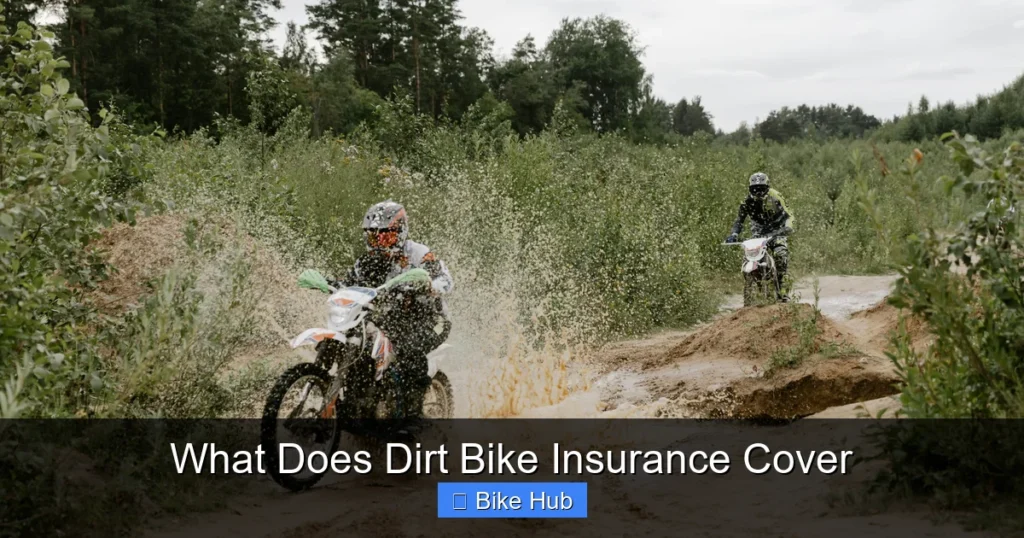
Dirt bike insurance protects you financially in case of accidents, theft, or damage. This guide breaks down coverage types, costs, and tips to help you pick the best plan for your riding style and needs.
Key Takeaways
- Liability coverage is often required by law and pays for injuries or property damage you cause to others.
- Collision and comprehensive coverage protect your bike from crashes, theft, vandalism, and natural disasters.
- Medical payments coverage helps pay for your or your passenger’s medical bills after an accident.
- Uninsured/underinsured motorist protection kicks in when the other party lacks adequate insurance.
- Custom parts and equipment coverage safeguards aftermarket upgrades like exhausts or suspension kits.
- Always check policy exclusions—some plans don’t cover racing or off-trail use.
- Using a bike camera can provide evidence during claims and may lower your premium.
What Does Dirt Bike Insurance Cover? A Complete Guide
If you’re passionate about ripping through trails or hitting motocross tracks, owning a dirt bike is pure freedom. But with that thrill comes risk—and responsibility. That’s where dirt bike insurance comes in. Unlike standard motorcycle policies, dirt bike insurance is tailored for off-road vehicles and their unique risks. In this guide, we’ll walk you through exactly what dirt bike insurance covers, how to choose the right plan, and smart tips to keep your premiums low—without sacrificing protection.
Whether you ride for fun, competition, or daily trail exploration, understanding your coverage options helps you ride with confidence. Let’s dive in.
Why Do You Need Dirt Bike Insurance?
Many riders assume insurance isn’t necessary because dirt bikes are used off public roads. But accidents happen—even on private land. Imagine crashing into a tree, damaging someone else’s property, or having your bike stolen from your garage. Without insurance, you’re on the hook for all costs.
Even if it’s not legally required in your state (laws vary), insurance offers peace of mind. It protects your wallet, your bike, and others around you. Plus, some riding clubs, tracks, or rental properties require proof of coverage before you can ride.
Types of Dirt Bike Insurance Coverage
Not all policies are created equal. Here’s a breakdown of the most common coverage types and what they include.
Liability Coverage
This is the foundation of most dirt bike insurance plans. It covers:
– Bodily injury to others if you’re at fault in an accident
– Property damage you cause (e.g., breaking a fence or damaging a vehicle)
For example, if you accidentally hit a spectator at a race or crash into a neighbor’s shed, liability pays for repairs and medical bills—up to your policy limit. Most states that require dirt bike registration also mandate liability coverage.
Collision Coverage
If your bike is damaged in a crash—whether you hit a rock, another rider, or flip over—collision coverage pays to repair or replace it. This is especially valuable if you own a newer or high-performance model like the Mototec 36V Pro Electric Dirt Bike.
Keep in mind: collision coverage usually comes with a deductible (e.g., $500). You pay that amount out of pocket before insurance kicks in.
Comprehensive Coverage
This protects your bike from non-collision events, such as:
– Theft
– Vandalism
– Fire
– Flood or hail damage
– Falling objects (like a tree branch)
If your dirt bike is stolen from your trailer or damaged in a storm, comprehensive coverage helps cover the loss. It’s often paired with collision for full physical damage protection.
Medical Payments (MedPay) or Personal Injury Protection (PIP)
Accidents can lead to injuries—even with proper gear. MedPay covers medical expenses for you and your passenger, regardless of who’s at fault. This includes hospital visits, X-rays, and physical therapy.
PIP is similar but may also cover lost wages and other costs. It’s more common in “no-fault” states. Either way, this coverage ensures you’re not stuck with a huge bill after a fall.
Uninsured/Underinsured Motorist Coverage
What if another rider causes an accident but has no insurance—or not enough? This coverage steps in to pay for your injuries and bike damage. It’s a smart add-on, especially if you ride in areas with mixed traffic or shared trails.
Custom Parts and Equipment Coverage
Upgraded exhausts, suspension kits, graphics, or performance tires can significantly increase your bike’s value. Standard policies may only cover factory parts. Custom coverage ensures your aftermarket investments are protected.
For instance, if you’ve installed best bike tires for hardpack dirt or a high-end suspension system, this add-on is worth considering.
Accessory and Gear Coverage
Some insurers let you add coverage for helmets, boots, gloves, and other riding gear. If your best dirt bike boots for trail riding are stolen or damaged in a crash, this can help replace them.
What’s Typically NOT Covered?
Insurance isn’t a catch-all. Be aware of common exclusions:
– **Racing or competitive events**: Most standard policies exclude coverage during organized races unless you have a special endorsement.
– **Wear and tear**: Normal maintenance, rust, or mechanical breakdowns aren’t covered.
– **Off-trail or unauthorized use**: Riding in prohibited areas may void your claim.
– **Intentional damage**: If you cause damage on purpose, insurance won’t pay.
Always read your policy’s fine print. If you plan to race, ask about specialized motocross insurance.
How Much Does Dirt Bike Insurance Cost?
Premiums vary based on:
– Your age and riding experience
– The bike’s make, model, and value
– Where you live and ride
– Your deductible and coverage limits
– Whether you bundle with other policies (e.g., auto or home)
On average, basic liability coverage starts around $100–$200 per year. Full coverage (liability + collision + comprehensive) can range from $300 to $600+. High-performance or electric models may cost more to insure.
Tips to Save on Dirt Bike Insurance
Want to lower your premium without cutting coverage? Try these tips:
Take a Safety Course
Many insurers offer discounts for completing a certified off-road riding course. It shows you’re serious about safety.
Install Anti-Theft Devices
GPS trackers, alarms, or wheel locks can reduce theft risk—and your premium. Some companies offer up to 10% off for these features.
Use a Bike Camera
Recording your rides with a bike camera for insurance can provide crucial evidence in case of an accident or dispute. Some insurers even offer discounts for using one.
Store Your Bike Securely
Keeping your dirt bike in a locked garage or shed reduces theft risk. Mention this when getting quotes.
Choose a Higher Deductible
Raising your deductible from $250 to $1,000 can lower your monthly payment. Just make sure you can afford the out-of-pocket cost if you file a claim.
How to Choose the Right Policy
Follow these steps to find the best dirt bike insurance:
1. Assess Your Needs
Ask yourself:
– Do I ride on public trails or private land?
– Is my bike used for recreation or competition?
– How much is my bike worth?
– Do I have expensive gear or custom parts?
Your answers will guide your coverage choices.
2. Compare Quotes
Get at least three quotes from reputable insurers. Look beyond price—check customer reviews, claims process, and coverage flexibility.
3. Check for Discounts
Ask about multi-policy, safe rider, or loyalty discounts. Even bundling with your auto insurance can save money.
4. Read the Fine Print
Make sure exclusions don’t leave you unprotected. If something’s unclear, ask the agent.
Troubleshooting Common Issues
Problem: My claim was denied.
Double-check your policy for exclusions. Was the incident covered? Did you miss a payment? Contact your insurer for clarification. If you believe it’s unfair, file an appeal or seek help from your state’s insurance department.
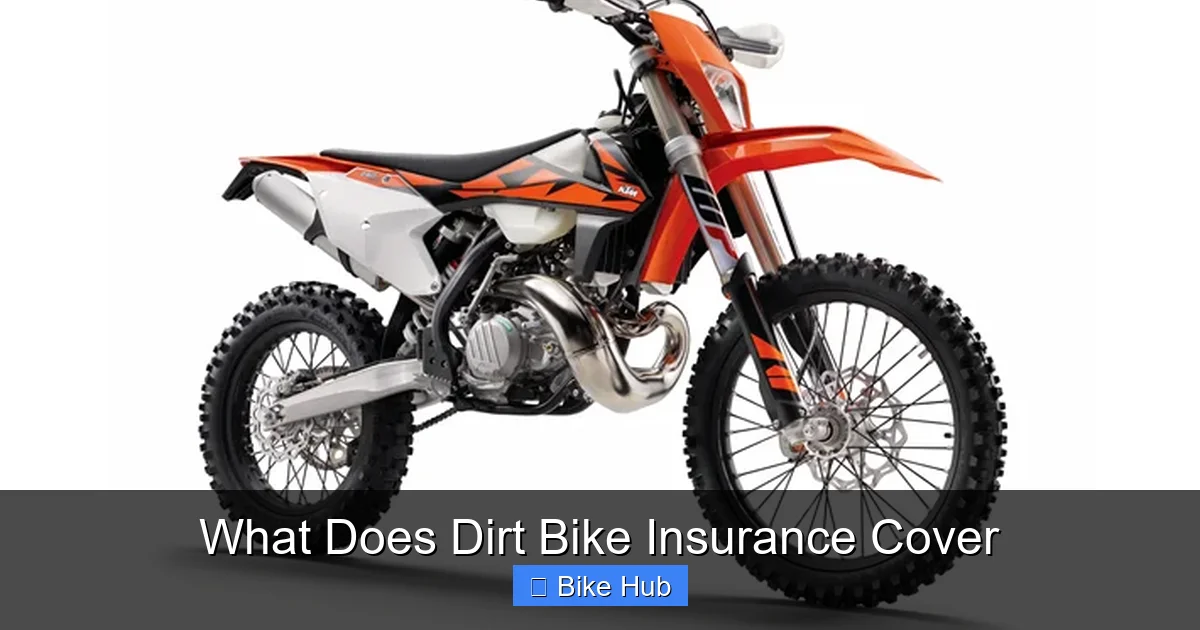
Visual guide about What Does Dirt Bike Insurance Cover
Image source: bikebound.com
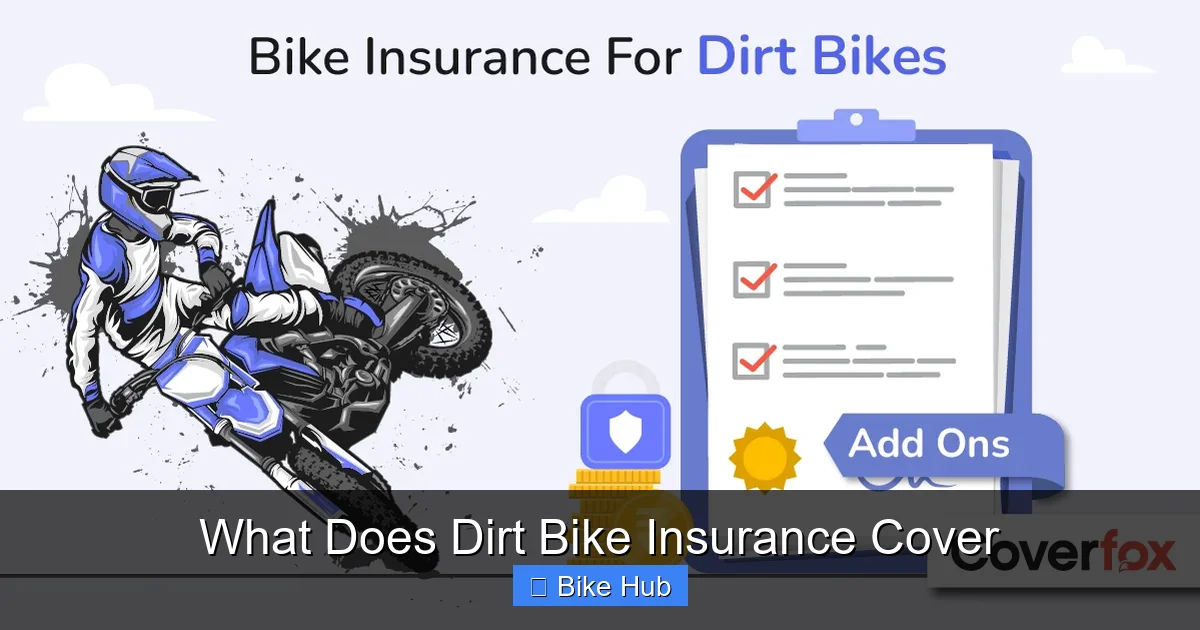
Visual guide about What Does Dirt Bike Insurance Cover
Image source: cms-img.coverfox.com
Problem: My premium increased after a claim.
This is normal—especially for at-fault accidents. To lower it later, maintain a clean record, take a safety course, or switch insurers.
Problem: I can’t find coverage for racing.
Standard policies often exclude racing. Look for specialty insurers that offer motocross or competition coverage. These plans are more expensive but essential if you compete regularly.
Final Thoughts
Dirt bike insurance isn’t just a smart move—it’s a necessary one. From liability to theft protection, the right policy keeps you covered no matter where the trail leads. By understanding what’s included (and what’s not), comparing options, and using smart savings tips, you can protect your ride without breaking the bank.
Don’t wait until it’s too late. Get quotes today, review your coverage annually, and ride with confidence knowing you’re prepared for whatever comes your way.



