
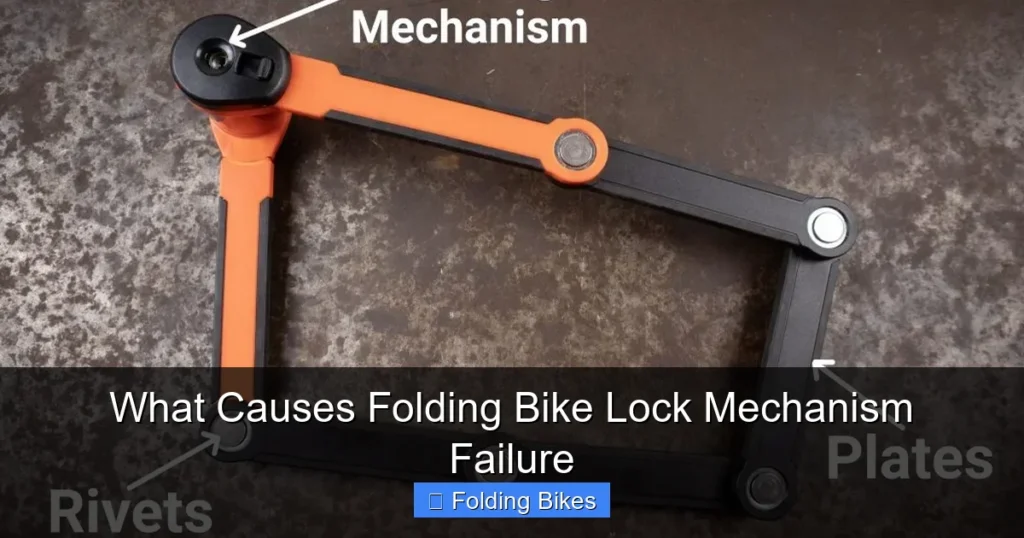
Folding bike lock mechanisms can fail due to dirt, rust, poor maintenance, or improper use. This guide explains the root causes and offers practical solutions to keep your lock working smoothly and your bike secure.
Key Takeaways
- Dirt and debris buildup is a leading cause of lock failure—regular cleaning prevents jams.
- Corrosion from moisture weakens internal parts; use lubricants designed for locks to protect them.
- Improper locking technique can strain the mechanism; always lock to secure, immovable objects.
- Low-quality materials in cheaper locks wear out faster; invest in a durable folding lock.
- Frequent folding and unfolding without care leads to mechanical fatigue—handle with attention.
- Lack of routine maintenance accelerates wear; clean and lubricate every few months.
- Extreme weather exposure degrades performance; store your bike and lock properly when not in use.
Introduction: Why Your Folding Bike Lock Might Be Failing
Folding bikes are convenient, portable, and perfect for city commuting—but their security relies heavily on a reliable lock. One of the most frustrating experiences is reaching for your folding lock only to find it jammed, stiff, or completely broken. Understanding what causes folding bike lock mechanism failure can save you time, money, and the heartbreak of a stolen bike.
In this guide, you’ll learn the most common reasons folding locks fail, how to spot early warning signs, and step-by-step ways to prevent and fix issues. Whether you’re a daily commuter or a weekend rider, keeping your lock in top shape ensures your bike stays safe and your rides stay stress-free.
Common Causes of Folding Bike Lock Mechanism Failure
Folding bike locks are made of interlocking metal segments connected by rivets or hinges. While sturdy when new, they’re vulnerable to several factors that can compromise their function over time. Let’s break down the main culprits behind lock failure.
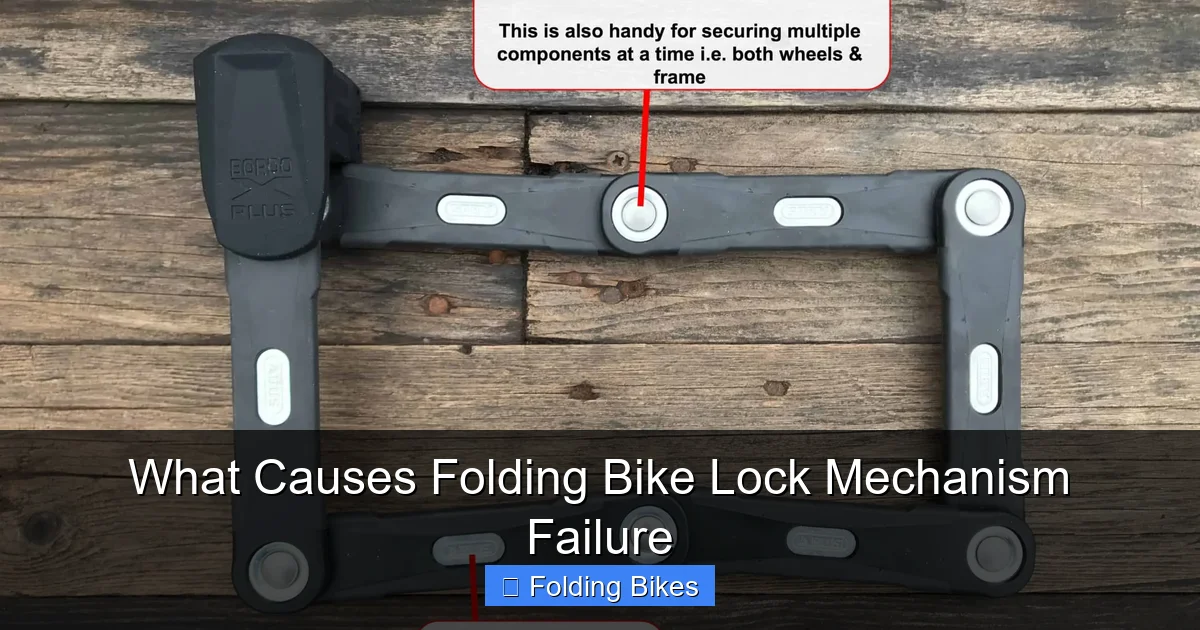
Visual guide about What Causes Folding Bike Lock Mechanism Failure
Image source: bikelockwiki.com
1. Dirt, Dust, and Debris Accumulation
One of the top reasons folding locks fail is the buildup of grime inside the hinge joints. Dust, sand, and road grit can settle into the tiny gaps between metal plates, especially if you ride in urban or off-road environments.
Over time, this debris acts like sandpaper, wearing down moving parts and causing stiffness or complete jamming. You might notice your lock becoming harder to open or fold—this is a red flag.
Tip: After riding in dusty or muddy conditions, wipe down your lock with a dry cloth. For deeper cleaning, use a soft brush to remove particles from the joints.
2. Moisture and Corrosion
Water is a folding lock’s worst enemy. Rain, humidity, and even sweat from your hands can seep into the lock’s hinges and cause rust. Once corrosion sets in, metal parts expand, weaken, and eventually seize up.
Even if your lock looks fine on the outside, internal rust can silently destroy its function. This is especially common in coastal areas or during winter when roads are salted.
Solution: Apply a dry lubricant like silicone spray or a dedicated bike lock lubricant every few months. Avoid oil-based lubricants—they attract dirt and create sludge.
3. Poor Maintenance Habits
Many riders treat their folding lock as a “set it and forget it” tool. But like any mechanical device, it needs regular care. Skipping maintenance leads to gradual degradation that’s hard to reverse.
Neglecting to clean or lubricate your lock accelerates wear on the hinges and locking mechanism. Over time, this can result in misalignment, stiffness, or total failure.
Maintenance Routine: Every 2–3 months, clean your lock, inspect for damage, and apply lubricant. Think of it as part of your bike care routine—just like checking tire pressure or cleaning the chain.
4. Using the Wrong Locking Technique
How you use your folding lock matters more than you might think. Locking your bike improperly—like wrapping the lock loosely around a thin pole or leaving slack—can put uneven pressure on the mechanism.
Repeated stress from improper use can bend hinges, damage the locking bolt, or cause internal components to misalign. In worst cases, the lock may not close properly or could snap under force.
Best Practice: Always lock your bike to a solid, immovable object like a bike rack. Use the full length of the lock to secure both the frame and rear wheel. For extra safety, consider using a secondary lock for the front wheel.
For detailed guidance, check out our guide on how to lock your bike in the city to learn secure techniques that reduce strain on your lock.
5. Low-Quality Materials and Manufacturing Defects
Not all folding locks are created equal. Budget locks often use thinner steel, weaker rivets, or poorly designed hinges that wear out quickly. Some may look sturdy but fail under real-world use.
Cheaper locks may also lack weather-resistant coatings or precision engineering, making them prone to bending, rust, or jamming after just a few months.
Invest Wisely: Choose a folding lock made from hardened steel with a high-security rating (look for Sold Secure or ART certifications). Brands like Abus, Foldylock, and Trelock offer reliable options built to last.
If you’re unsure which lock to buy, our article on how to choose the best bike lock breaks down key features to look for.
6. Mechanical Fatigue from Overuse
Folding locks are designed to bend and lock repeatedly, but every mechanism has a lifespan. Constant folding and unfolding—especially with rough handling—can cause metal fatigue.
Signs of fatigue include loose hinges, wobbling segments, or a lock that doesn’t stay closed. Ignoring these signs can lead to sudden failure when you need the lock most.
Prevention: Handle your lock gently. Avoid forcing it open or closed, and don’t use it as a lever to move your bike. Store it properly when not in use to reduce unnecessary stress.
How to Prevent Folding Bike Lock Failure
Now that you know the causes, let’s focus on prevention. A little care goes a long way in extending your lock’s life and keeping your bike safe.
Step 1: Clean Your Lock Regularly
Use a dry cloth to wipe down the entire lock after each ride, especially if you’ve been in wet or dirty conditions. For deeper cleaning:
- Use a soft-bristled brush (like an old toothbrush) to remove dirt from hinges.
- Blow out debris with compressed air if available.
- Wipe with a slightly damp cloth if needed, then dry immediately.
Step 2: Lubricate the Hinges
Apply a small amount of dry lubricant to each hinge joint every few months. Avoid over-lubricating—excess can attract dirt.
Recommended Products: Silicone spray, graphite powder, or bike-specific lock lubricants. Avoid WD-40 as a long-term solution—it’s a cleaner, not a lubricant.
Step 3: Inspect for Damage
Every time you use your lock, give it a quick visual check. Look for:
- Rust or discoloration
- Loose or wobbly segments
- Difficulty folding or locking
- Cracks or bends in the metal
If you spot any issues, address them early. A small fix now can prevent a big problem later.
Step 4: Store Properly
When not in use, store your folding lock in a dry place. If your bike has a built-in lock mount, use it—but make sure the lock isn’t exposed to constant rain or sun.
Avoid leaving your bike (and lock) outside overnight, especially in humid or salty environments.
Troubleshooting Common Lock Problems
Even with the best care, issues can arise. Here’s how to handle the most common problems.
Lock Won’t Open or Close
If your lock is stuck:
- Try gently wiggling the segments while applying light pressure.
- Use a lock lubricant spray directly into the hinge joints.
- Let it sit for a few minutes, then try again.
If it still doesn’t work, avoid forcing it—this can cause permanent damage. For stubborn jams, see our guide on how to remove a jammed bike lock for safe removal techniques.
Lock Feels Loose or Wobbly
This usually means the internal rivets are wearing out. While you can’t repair this yourself, you can reduce further damage by handling the lock gently and replacing it soon.
Rust Spots Appearing
Light surface rust can be removed with steel wool and a rust dissolver. After cleaning, apply a protective lubricant. For heavy rust, replacement is the safest option.
Conclusion: Keep Your Folding Lock Reliable
Folding bike lock mechanism failure doesn’t have to be inevitable. By understanding the causes—like dirt buildup, corrosion, poor maintenance, and improper use—you can take proactive steps to keep your lock working smoothly.
Regular cleaning, proper lubrication, smart locking techniques, and investing in a quality lock will go a long way in protecting your bike and your peace of mind. Remember, a small amount of care today can prevent a major headache tomorrow.
Stay safe, stay prepared, and keep riding with confidence.



