

Have you ever wondered what makes velomobiles so fast, light, and durable? If you’re curious about what materials go into building these sleek, human-powered vehicles, you’re in the right place.
Understanding what velomobiles are made of can help you appreciate their design, performance, and why they stand out from regular bikes. Keep reading to discover the surprising materials that give velomobiles their unique strength and speed—and how this knowledge can help you choose the perfect ride for your needs.

Credit: www.hammacher.com
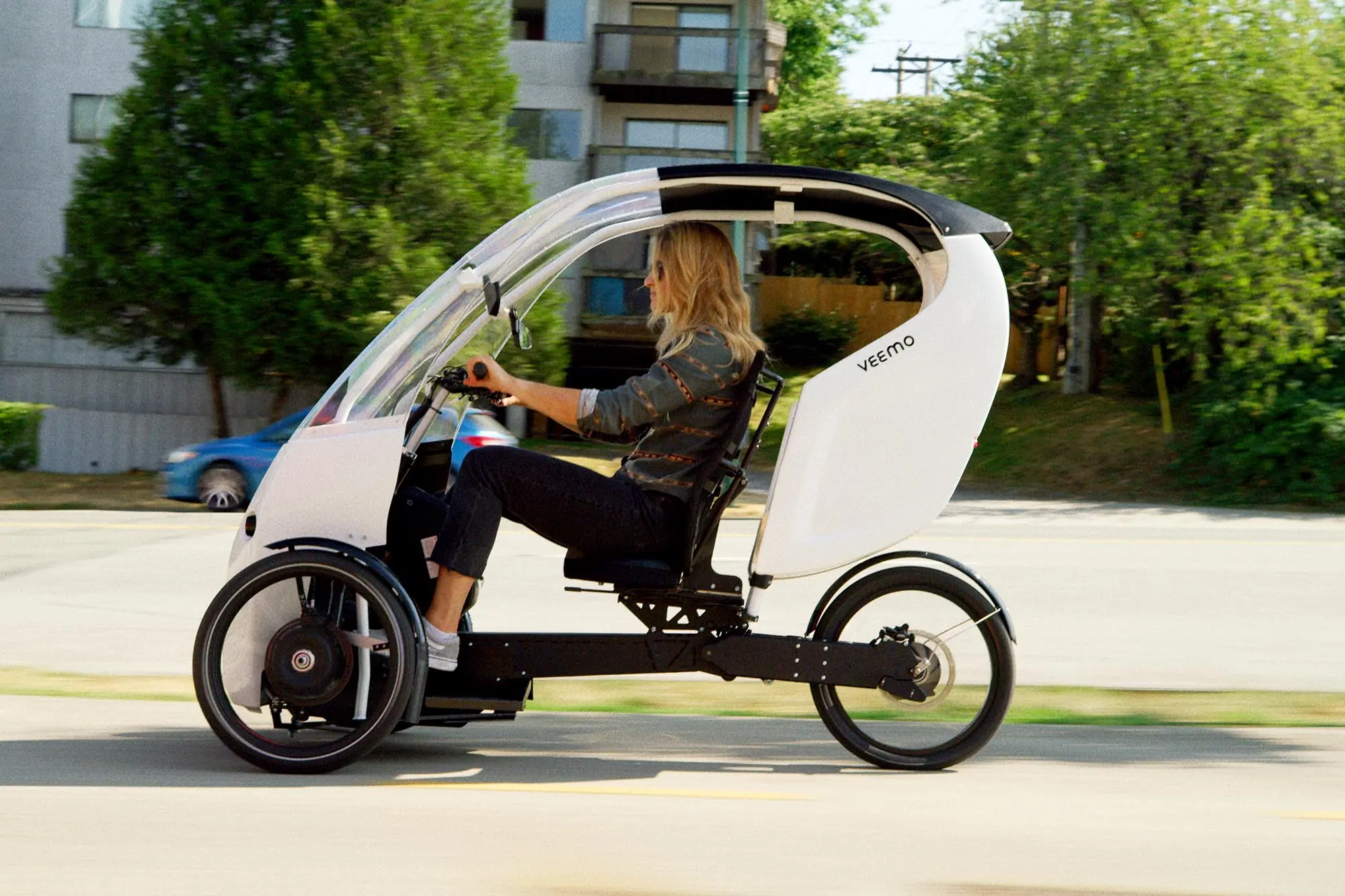
Materials Used In Velomobile Frames
Velomobiles have lightweight and strong frames. The materials used affect speed, comfort, and durability. Different materials offer unique benefits for riders.
Common materials include aluminum alloys, carbon fiber composites, and metals like steel and titanium. Each has qualities that suit different needs and budgets.
Aluminum Alloys
Aluminum alloys are popular for velomobile frames. They are light and resist rust. Aluminum also absorbs road vibrations well, making rides smoother.
This material is affordable and easy to work with. It suits riders who want a strong but light frame without a high price.
Carbon Fiber Composites
Carbon fiber composites provide very light and stiff frames. They allow for sleek shapes and reduce air resistance. Many high-performance velomobiles use carbon fiber.
- Very lightweight material
- Strong and stiff for fast riding
- Can be molded into aerodynamic shapes
- Usually more expensive than metals
- Can be less durable in crashes
Steel And Titanium Options
| Material | Weight | Durability | Cost |
| Steel | Heavier | Very strong and repairable | Low to medium |
| Titanium | Light | Strong and rust-resistant | High |
Steel offers strength and easy repair. Titanium is lighter and resists rust but costs more. Riders choose based on their priorities for weight, strength, and price.
Credit: gearjunkie.com
Shell Construction Techniques
Velomobiles need strong and light shells for speed and safety. Builders use different ways to make these shells. Each method changes the weight and strength of the velomobile.
Here, we explore three common shell construction techniques. They include fiberglass layup, monocoque designs, and modular panels.
Fiberglass Layup Methods
This method uses layers of fiberglass cloth and resin. Builders place the cloth in a mold and add resin. The resin hardens and keeps the layers together.
- Multiple layers add strength
- Resin makes the shell stiff
- Can shape complex curves easily
- Needs careful drying to avoid weak spots
Monocoque Designs
Monocoque shells support weight using their outer skin only. This design removes the need for internal frames. The shell itself holds all the forces.
| Benefit | Detail |
| Weight | Lighter without internal frame |
| Strength | Uniform stress distribution |
| Complexity | Needs precise manufacturing |
| Repair | Can be harder to fix |
Modular Panels
Modular panels join several parts to build the shell. Each panel fits with others to make a full body. This method allows easy repairs and changes.
- Panels can be made from different materials
- Easy to replace damaged sections
- Flexible design options
- May add weight at joints
Components And Accessories
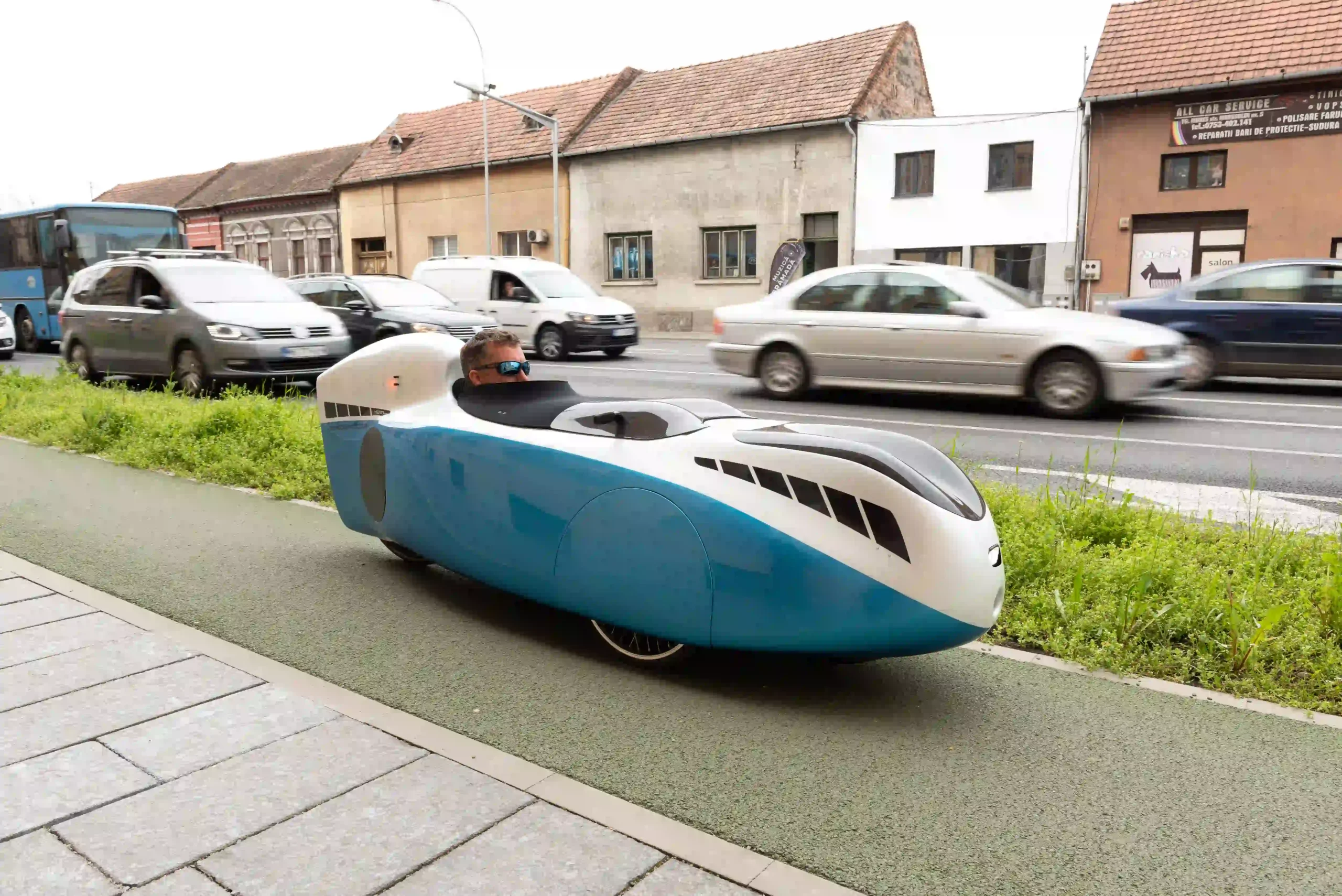
Velomobiles are special bikes with a shell that covers the rider. They have many parts to make riding smooth and safe.
These parts include wheels, brakes, and drive trains. Each part has a role in the velomobile’s performance.
Wheels And Tires
Wheels on velomobiles are often strong and light. They need to carry the weight of the rider and the shell.
Tires are usually narrow to reduce rolling resistance. They have good grip to keep the velomobile stable on roads.
- Strong rims made of aluminum or carbon fiber
- High-pressure tires for less friction
- Tread patterns suited for road or light off-road use
Braking Systems
Velomobiles use reliable brakes to stop safely. Brakes must work well in different weather conditions.
Common brakes include disc brakes and rim brakes. Disc brakes provide strong stopping power and last longer.
- Hydraulic disc brakes for smooth and strong braking
- Mechanical disc brakes for easier maintenance
- Rim brakes for lightweight and simple design
Drive Trains
The drive train moves the velomobile forward. It includes pedals, chains, gears, and sometimes belts.
Many velomobiles use multiple gears to handle hills and speed. Some use internal hub gears for less maintenance.
- Chain drives for direct power transfer
- Belt drives for quieter and cleaner operation
- Derailleur gears for many speed options
- Internal hub gears for simple shifting
Credit: www.velomobileworld.com
Weight And Durability Factors
Velomobiles are lightweight vehicles built for speed and protection. Their materials affect weight and strength.
Choosing the right materials helps balance durability with lightness. This keeps the velomobile efficient and safe.
Balancing Strength And Lightness
Velomobiles use materials that are strong but light. This balance helps riders pedal easily and stay safe.
Common materials include carbon fiber, fiberglass, and lightweight metals. Each offers good strength without too much weight.
- Carbon fiber is very light and strong but costs more.
- Fiberglass is affordable and moderately strong.
- Aluminum frames add strength with little weight.
Impact Resistance
Impact resistance protects riders during collisions or bumps. Strong shells absorb shock and keep the frame intact.
Materials like fiberglass and carbon fiber help resist dents and cracks. They keep the velomobile safe in crashes.
- Fiberglass can bend without breaking easily.
- Carbon fiber resists cracks but can shatter under strong impact.
- Reinforced plastics absorb energy well.
Weatherproofing Materials
Velomobiles face rain, sun, and wind. Weatherproof materials prevent damage from water and UV rays.
Coatings and sealants keep the shell dry and strong. These materials stop rust and fading over time.
- Gel coats protect fiberglass from water.
- UV-resistant paints prevent color fading.
- Sealed joints stop water leaks inside.
Innovations In Velomobile Materials
Velomobiles are small vehicles powered by pedals. Their materials affect speed, safety, and comfort. New materials improve these features.
Designers use different materials to make velomobiles lighter and stronger. These innovations help riders enjoy a better experience.
Advanced Composites
Advanced composites combine fibers and resin. They make velomobiles very light and strong. Carbon fiber is a popular choice.
These materials resist damage and last long. They also allow designers to create smooth, aerodynamic shapes.
- Carbon fiber: very strong, very light
- Fiberglass: less expensive, still durable
- Kevlar: adds impact resistance
Eco-friendly Options
Some velomobiles use eco-friendly materials. These reduce harm to the environment during production and disposal.
Materials like bamboo and natural fibers are becoming popular. Recycled plastics also help reduce waste.
- Bamboo: strong and renewable
- Natural fibers: flax, hemp
- Recycled plastics: reduce landfill waste
Custom Fabrication
Custom fabrication lets builders make unique parts. They shape materials by hand or with machines to fit special needs.
This process uses advanced tools like 3D printers and CNC machines. It helps improve fit and performance for riders.
- 3D printing: creates complex shapes
- CNC machining: precise cutting and shaping
- Hand lay-up: layers materials for strength
Frequently Asked Questions
What Materials Are Commonly Used In Velomobile Construction?
Velomobiles are mostly made from lightweight composites like fiberglass and carbon fiber. These materials provide strength and aerodynamic efficiency. Some models use aluminum frames for durability. The combination results in a light, strong, and weather-resistant vehicle ideal for speed and comfort.
Why Is Carbon Fiber Preferred In Velomobiles?
Carbon fiber is favored for its high strength-to-weight ratio. It keeps the velomobile light and fast while ensuring durability. This material also offers excellent stiffness, improving handling and aerodynamics. Despite higher costs, it enhances performance significantly.
How Does Fiberglass Benefit Velomobile Design?
Fiberglass is affordable, strong, and easy to mold. It allows manufacturers to create aerodynamic shapes efficiently. It is also resistant to corrosion and damage. This makes fiberglass a popular choice for entry-level and mid-range velomobiles.
Are Metals Like Aluminum Used In Velomobiles?
Yes, aluminum is often used for the frame or structural parts. It provides a good balance of strength, weight, and cost. Aluminum frames support the composite shell, enhancing the overall durability of the velomobile.
Conclusion
Velomobiles use strong, light materials like fiberglass and carbon fiber. These materials help make the vehicles fast and safe. Aluminum and steel parts add support and durability. The mix of materials keeps velomobiles easy to handle and long-lasting. Understanding what velomobiles are made of helps you appreciate their design.
They blend strength and lightness for better riding. Choosing the right materials makes all the difference. Velomobiles show how clever material use can improve transport. Simple materials, smart design, great results.



